Whether a Cheap Collie Skipped Its DNA Panel
It's a common, heartbreaking scenario: you're looking for a Collie puppy, and you stumble across an advertisement promising a beautiful companion for a fraction of the cost you've seen elsewhere. The thought of saving a significant amount of money is tempting, but that lower price tag often comes with a steep, unspoken cost – the potential health and financial well-being of your future family member. This guide will help you understand why a "cheap" Collie puppy is almost always too good to be true, focusing specifically on the critical role of genetic DNA panels and the immense risks of acquiring a puppy from a breeder who has skipped these essential health screenings.
The Allure of the "Bargain" Collie Puppy
The journey to finding a new Collie puppy is filled with excitement and anticipation. You're dreaming of that fluffy, intelligent companion, picturing them curled up by your feet or playing gently with your children. But let's be honest, the cost can be a real eye-opener, and that's where the temptation for a "bargain" often creeps in.
Why Lower Prices Tempt Buyers
When you see a price for a well-bred, health-tested Collie puppy, it can feel like a significant investment, sometimes making you gasp a little. Responsible breeders pour an immense amount of time, effort, and money into their breeding programs, which naturally reflects in the puppy's price. This can make the advertisements for puppies that are several hundred, or even a thousand, dollars less incredibly appealing. People often rationalize these lower prices, telling themselves things like, "I just want a pet, not a show dog," or "I don't need papers." The emotional pull of a cute puppy staring out of a photo, combined with the chance to save money, can override logical concerns about the breeder's practices. It's easy to get swept up in the dream of owning a Collie and overlook the red flags inherent in a suspiciously low price point.
The Hidden Costs of an Untested Puppy
That initial "saving" on a cheap puppy can quickly evaporate, only to be replaced by astronomical veterinary bills and unimaginable emotional distress down the line. When a breeder cuts corners on genetic health testing, they're essentially playing a game of Russian roulette with the puppies' health and your future wallet. Imagine bringing home a puppy, falling head over heels in love, only to discover a few months or a year later that they suffer from a debilitating genetic condition that requires lifelong medication, specialized care, or even expensive surgeries. The financial drain can be immense, easily far surpassing any initial savings. More profoundly, the emotional toll of watching your beloved companion suffer, knowing it might have been preventable, is truly heartbreaking. A truly healthy puppy from a responsible breeder isn't just a purchase; it's an investment in peace of mind and years of joyful companionship, potentially saving you thousands in medical care over the dog's lifetime.
Understanding the Collie DNA Health Panel
For any dog breed, genetic health testing is important, but for Collies, it's absolutely non-negotiable. Our beautiful Collies are predisposed to several significant genetic conditions, and responsible breeders use DNA panels to screen their breeding stock to avoid passing these issues down to future generations.
What the Core Panel Screens For
A comprehensive Collie DNA health panel typically screens for several key genetic mutations. The most prominent and crucial one is the Multidrug Resistance 1 (MDR1) mutation. This gene mutation affects how a dog processes certain medications, making them highly sensitive and even fatally reactive to common drugs like ivermectin, loperamide, and certain anesthetics. If your Collie carries even one copy of this gene, you need to Assume Your Collie Has the MDR1 Mutation until proven otherwise, as it significantly impacts their veterinary care.
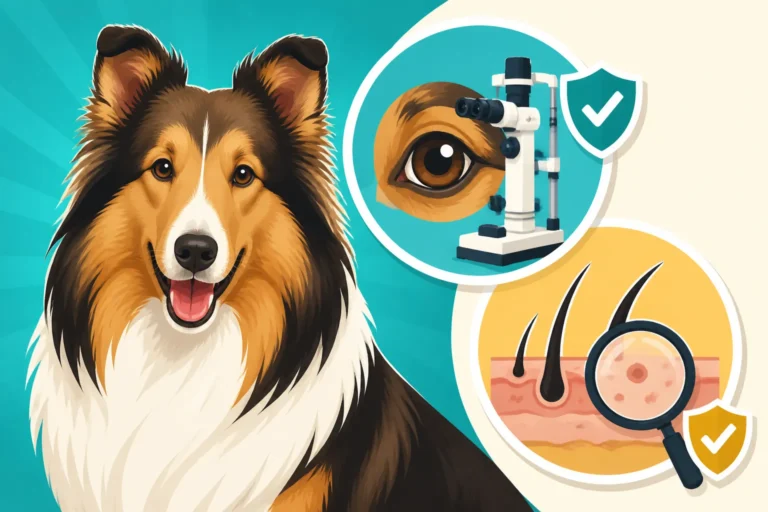
Another critical test is for Collie Eye Anomaly (CEA). This is a developmental condition of the eye that affects the choroid, the vascular layer beneath the retina. While often mild, severe forms can lead to retinal detachment and blindness. You might want to learn about Collie Eye Anomaly Affects Most Collies, So Ask How Badly when talking to a breeder.
Dermatomyositis (DMS) is another concern, an immune-mediated inflammatory disease that primarily affects the skin and muscles, causing lesions, hair loss, and sometimes muscle wasting. Breeders often consider Dermatomyositis and the Collie Risk Panel results when making breeding decisions.
Finally, though rarer, Cyclic Neutropenia, also known as Gray Collie Syndrome, is a devastating immune deficiency that primarily affects merle-colored Collies. Puppies born with this condition often have a silver-gray coat and suffer from recurrent infections, typically leading to a greatly shortened lifespan. This truly is Gray Collie Syndrome Is a Collie Problem and Nobody Else's. Understanding What the Collie DNA Health Panel Covers provides crucial insight into the breeder's commitment to health.
Why These Tests Are Crucial for the Breed
These DNA tests aren't just an optional extra; they are fundamental to preserving the health and well-being of the Collie breed. Collies carry specific genetic predispositions, and without proper testing of the parents, these genetic time bombs are unknowingly passed down. A breeder who skips these tests is contributing to the proliferation of genetic diseases within the breed, potentially producing puppies destined for a life of suffering and immense veterinary intervention.
Knowing a puppy's genetic status allows for proactive care and informed decision-making throughout their life. For an MDR1-affected Collie, for instance, your vet needs to be aware of The Drug List That Can Kill a Collie so they can prescribe safe alternatives. For CEA, knowing the severity can help you prepare for potential vision impairment, though Whether a Mildly Affected Collie Goes Blind is not a given for all affected dogs. When you invest in a Collie, you want to bring home a healthy companion, not a genetic lottery ticket. Responsible breeders understand this deeply, which is why they prioritize these screenings.
The Breeder's Responsibility and Genetic Testing
The difference between a "cheap" puppy and a responsibly bred one often boils down to a breeder's commitment to genetic health testing and transparency. These aren't minor expenses, but rather essential parts of ethical breeding practices.
The Financial Investment of a Responsible Breeder
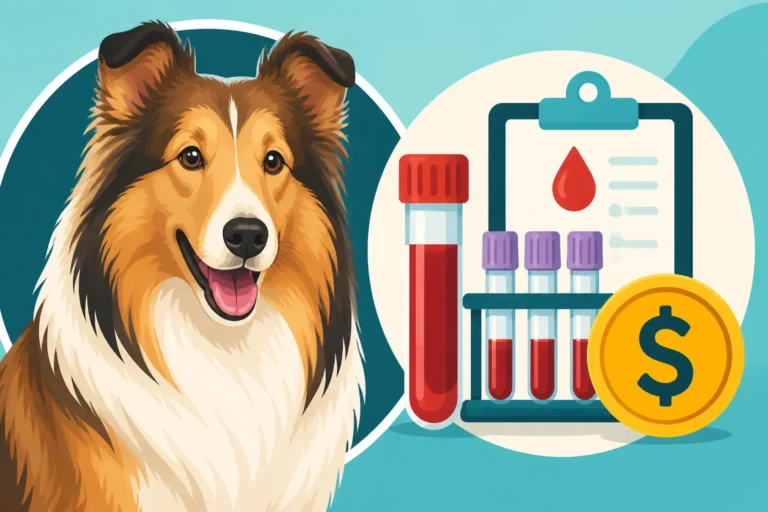
Let's talk about the money. A responsible Collie breeder invests significant funds before a single puppy is even conceived. This includes the cost of the individual DNA tests for MDR1, CEA, and DMS, often through comprehensive panels from reputable laboratories like Optimal Selection or Embark. Each parent dog needs to be tested, and these aren't one-time fees, as new panels or updated recommendations can arise. Beyond DNA, there are often specialist vet visits for certifications, such as OFA (Orthopedic Foundation for Animals) for hips and elbows, and CERF (Canine Eye Registration Foundation) or ECVO (European College of Veterinary Ophthalmologists) eye exams by a veterinary ophthalmologist. An eye exam for puppies at five to seven weeks is also crucial for detecting CEA before placement. These screenings, along with quality food, appropriate housing, vet care during pregnancy, and proper care for the litter, all add up. For example, What the Collie DNA Panel Costs a Breeder can be a few hundred dollars per dog, and that's just for the DNA. These costs are an inherent, non-negotiable part of responsible breeding and are rightly factored into the price of a well-bred puppy.
Red Flags of a Breeder Skipping Tests
When you encounter a breeder offering significantly lower prices, it's wise to be immediately skeptical. Often, these breeders will have excuses for not performing genetic testing. You might hear, "The parents are perfectly healthy, so there's no need to test," which completely misunderstands how genetic disease works—carriers can appear healthy but still pass on genes. Other common lines include, "It's too expensive," "I only breed for pets, not show quality," or "I didn't have time to do all that paperwork."
These are all massive red flags. "Pet quality" does not mean "less healthy"; every puppy deserves the best chance at a healthy life. A breeder who claims testing is too expensive is cutting corners that will inevitably cost the buyer more in heartache and vet bills later. They might also refuse to show you actual documentation of health clearances, instead offering vague assurances or outdated "vet check" certificates that don't confirm specific genetic test results. If a breeder cannot provide verifiable proof of health testing for both parents, it's a clear sign that they are prioritizing profit over the well-being of their dogs and puppies. Sadly, Whether an Untested Collie Is Ever Worth Buying is a question with a clear answer: typically no, because the risks are too high.
Long-Term Consequences of Uninformed Choices
Choosing a cheap puppy without proper genetic health screening isn't just an immediate financial decision; it's a long-term gamble with potentially devastating consequences for both your dog and your family.
Living with an MDR1 Affected Collie
One of the most common and impactful genetic conditions in Collies is the MDR1 mutation. If your "bargain" Collie puppy has this mutation because the parents weren't tested, you're looking at a lifetime of vigilance. Every single vet visit, every new medication, every over-the-counter remedy needs to be carefully screened. You must educate your vet about your Collie's MDR1 status, or risk a severe, potentially fatal, adverse drug reaction. This isn't just about avoiding a few obscure medications; it includes common dewormers, anti-diarrhea medications like loperamide, and certain sedatives used during surgery.
Imagine an emergency situation where your Collie needs immediate medical attention, and the veterinary staff, unfamiliar with the breed's specific genetic sensitivities, administers a contraindicated drug. The consequences can be dire. Even with careful management, knowing your dog has this mutation adds a layer of stress to routine care. While companies like Healthy Paws offer pet insurance that can help with unexpected vet bills, preventing these reactions in the first place through informed breeding is always the best path. You'll constantly be considering What the MDR1 Mutation Actually Does to a Collie and how to keep them safe.
The Heartbreak of Severe Genetic Conditions
Beyond MDR1, the risk of other severe genetic conditions looms large for an untested Collie. Imagine the devastation of bringing home a puppy only to have it diagnosed with severe Collie Eye Anomaly, leading to blindness by a young age. While a blind Collie can cope, it requires significant adjustments and an enormous amount of commitment from the owner. Or consider the horror of Gray Collie Syndrome, a condition that brings chronic illness, constant battles with infections, and often a profoundly shortened, painful life for the puppy.
These scenarios are not hypothetical nightmares; they are very real possibilities when genetic testing is ignored. The emotional toll of caring for a chronically ill dog, watching them suffer, and making difficult end-of-life decisions far too soon, is immense. It's a burden no pet owner should have to bear unnecessarily. Specialized diets, which brands like Chewy or Ollie can help provide, might become a necessity, adding to the expense and daily management. The upfront saving on a cheap puppy pales in comparison to the financial and emotional cost of a dog plagued by preventable genetic disease.
How to Ensure You're Getting a Healthy Collie
So, how do you avoid this heartbreaking path and ensure you bring home a healthy, well-adjusted Collie? It comes down to diligent research, asking the right questions, and understanding the true value of a responsible breeder.
Researching Reputable Breeders
Finding a reputable Collie breeder is the single most important step in acquiring a healthy puppy. Don't settle for the first ad you see. Start by looking for breeders who are active in breed clubs, participate in dog sports or conformation shows, and prioritize health above all else. When you contact a breeder, be prepared with a list of questions, and expect them to ask you plenty of questions in return—it's a sign they care where their puppies are going.
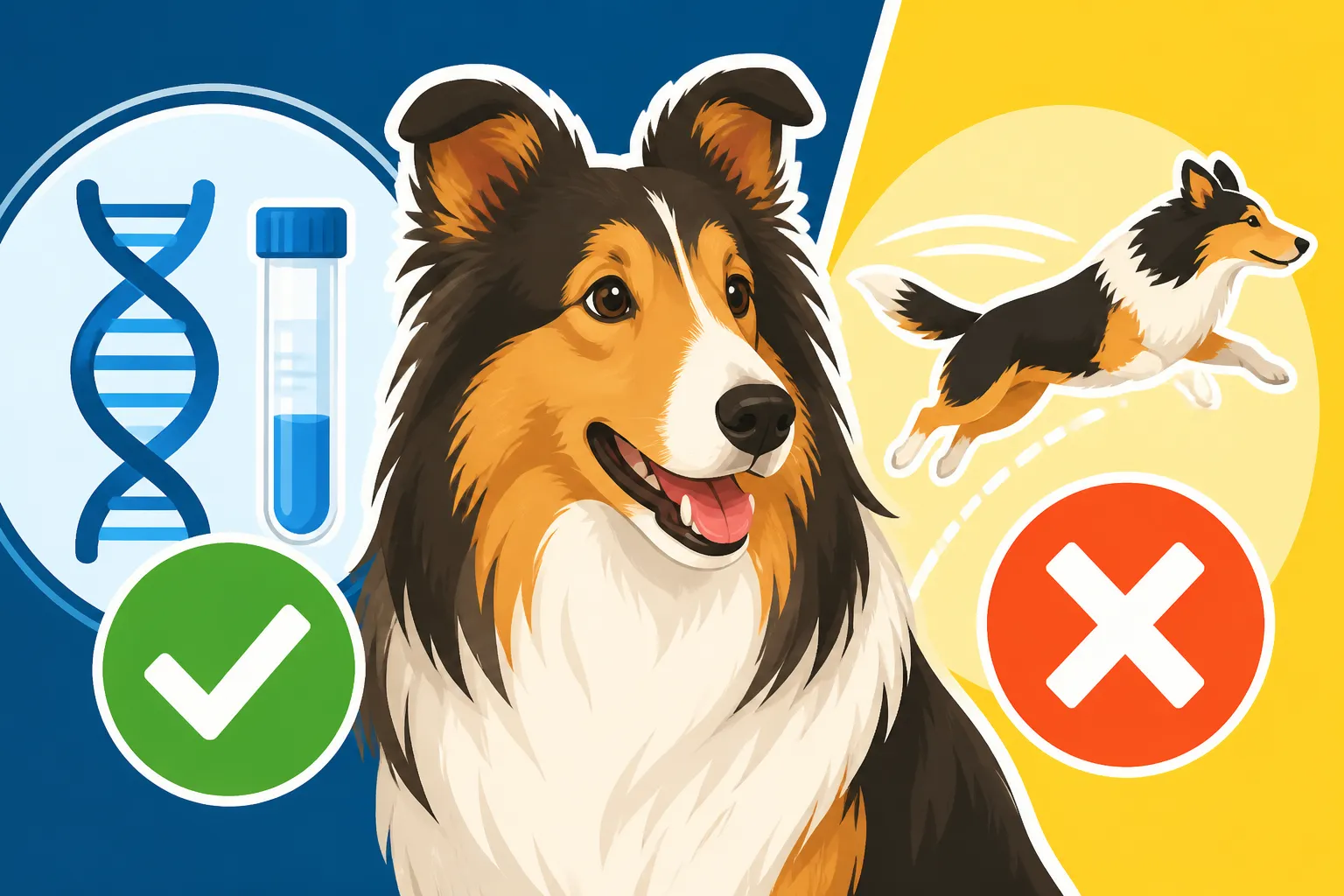
Crucially, always ask for proof of genetic health clearances for both parents. This means actual documents, not just verbal assurances. You'll want to see results for MDR1, CEA, and DMS at a minimum. For CEA, ask for puppy eye exam certificates from a board-certified veterinary ophthalmologist, which is typically done between 5-7 weeks of age. A good breeder will be transparent about these results, even if a parent is a carrier for a certain condition, as long as they are breeding responsibly (e.g., breeding a carrier to a clear dog). Ask about their health guarantee; a strong guarantee that covers eye disease and other genetic conditions is a sign of confidence in their breeding program. Many reputable breeders will also publish results on public databases like the OFA website or their own websites.
Visiting the breeder's home (if possible) is also invaluable. Observe the living conditions, the temperament of the parent dogs, and how the puppies are socialized. A reputable breeder will welcome your questions and be happy to educate you.
The Value of a "Higher" Priced Puppy
It's natural to be cost-conscious, but when it comes to a living creature you'll share your life with for potentially 10-14 years, value extends far beyond the initial purchase price. A "higher" priced puppy from a reputable breeder isn't just more expensive; it's an investment in a meticulously planned, health-screened, and well-socialized companion. This initial investment significantly reduces the risk of expensive and emotionally draining genetic health issues down the road. When you consider What a Collie's First Year Costs in terms of food, supplies, vet visits, and training, the puppy's purchase price becomes just one component of the overall picture.
Think of it this way: are you willing to pay a little more upfront to minimize the chance of major veterinary expenses and heartbreak later? Most people, once they understand the risks, would say yes. The peace of mind that comes from knowing your puppy's genetic background, and the support from a breeder who stands behind their dogs, is truly priceless.
Here's a comparison to put it in perspective:
| Feature | "Cheap" Untested Puppy | Responsibly Bred Puppy |
|---|---|---|
| Initial Cost | Significantly lower upfront, often very tempting | Higher initial investment, reflects breeder's commitment to health and care |
| Health Guarantees | Often vague, limited, or non-existent; may have loopholes | Clear, written health guarantee covering genetic conditions for a specified period |
| Genetic Testing | Often skipped for parents; puppy's status unknown; high risk of inherited disease | Parents tested (MDR1, CEA, DMS, etc.); puppy likely clear or carrier status known and disclosed |
| Temperament Info | Limited insight into parent temperaments; variable socialization of puppies | Parents' temperaments observed and assessed; puppies often well-socialized and temperamentally sound |
| Potential Vet Bills | High risk of expensive treatments for preventable genetic conditions like severe CEA, MDR1 reactions, or Gray Collie Syndrome | Lower risk of genetic disease; proactive care based on known status; generally healthier |
| Breeder Support | Limited or non-existent post-sale support; breeder may disappear after purchase | Ongoing support and mentorship from breeder throughout the dog's life |
| Peace of Mind | Constant worry about unknown health issues, potential for unexpected illness | Greater peace of mind regarding known genetic predispositions; confidence in your dog's health |
When considering What a Health Tested Collie Puppy Costs, remember you're paying for expertise, ethical practices, and the best possible start for your new family member.
In the end, while the allure of a "cheap" Collie puppy can be strong, the potential for genetic health issues stemming from a lack of DNA panel testing is a serious concern. Responsible breeding is an investment, not a cost-cutting exercise, and that investment translates directly into the health and longevity of your beloved Collie. Prioritize health, transparency, and ethical practices when choosing your breeder, and you'll be setting yourself up for years of happy, worry-free companionship.
Disclaimer
This article is for general informational purposes only and does not constitute professional advice. Laws, prices and regulations vary by location and change over time. Consult a qualified professional for guidance on your specific situation.