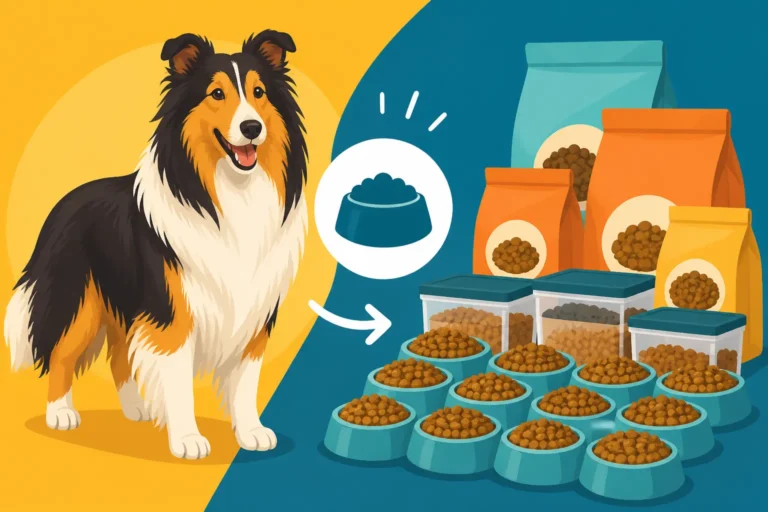
How Large a Collie Litter Is
If you're an aspiring Collie owner or even just a curious enthusiast, you might find yourself wondering about the logistics of bringing these beautiful dogs into the world. Specifically, you might be pondering, "How large a Collie litter is?" It's a common question, and one that doesn't always have a straightforward answer, leading to a lot of speculation and sometimes even anxiety for those waiting for their future furry family member. This guide aims to shed some light on the typical litter sizes, the factors that can influence them, and what it all means for both breeders and hopeful puppy parents.
Understanding the Average Collie Litter Size
When we talk about the average Collie litter size, it's easy to picture a neat, consistent number, but the reality is often a bit more varied. Just like human families, every Collie litter is unique. However, there are some general expectations we can discuss to give you a clearer picture.
What "Average" Really Means for Collie Litters
For Collies, a typical litter size generally falls within the range of 5 to 9 puppies. Many breeders consider a litter of 6 or 7 to be a very respectable and manageable size. It's not uncommon to see litters on the smaller end, perhaps 3 or 4 puppies, and certainly, you'll hear tales of much larger litters, sometimes stretching into double digits with 10, 11, or even 12 little fluffballs.
The term "average" can sometimes be a bit misleading because it smooths out these natural fluctuations. For instance, if one dam has 3 puppies and another has 11, the average would be 7, but neither individual litter actually hit that mark. As a prospective puppy owner, knowing the average gives you a baseline, but you should always be prepared for the possibility that a specific litter might be smaller or larger than anticipated. This variability can affect everything from how long you might wait for a puppy to the overall cost of What Raising a Collie Litter Costs for a breeder.
Factors That Influence Litter Size in Collies
Several elements can play a significant role in determining how many puppies a Collie dam will have. It's never just one thing; often, it's a combination of circumstances that leads to a specific litter size.
Firstly, the age and health of the dam are paramount. A young, healthy dam in her prime (typically between two and five years old) is more likely to produce a larger, healthier litter than a very young first-timer or an older, more seasoned mother. Her general physical condition, weight, and overall fitness prior to and during breeding are crucial. A well-nourished dam, eating a high-quality diet, is better equipped to carry and sustain multiple healthy fetuses. Secondly, the fertility of both the dam and the stud dog contributes. While the focus often falls on the female, the male's sperm quality and count are equally important. Reputable breeders invest in comprehensive health checks for both parents to ensure optimal fertility and health, which directly impacts litter viability. This thoroughness is part of The Genetic Testing a Collie Breeder Has Already Paid For that underpins responsible breeding. Lastly, the timing of the breeding relative to the dam's ovulation cycle is critical. Breeders often use progesterone testing to pinpoint the most fertile window, maximizing the chances of conception and, potentially, a larger litter. Genetics also play a role; some Collie lines may inherently be predisposed to larger or smaller litters, and a breeder with long-term experience in their lines will often have a good sense of what to expect.
Beyond the Average: When Litter Size Deviates
While an average range exists, it's important to recognize that Collie litter sizes can and do vary significantly. Understanding these deviations helps both breeders and prospective owners manage expectations and prepare for different scenarios.
Small Collie Litters: Reasons and Implications
A smaller-than-average Collie litter can happen for a number of reasons, and it often brings its own set of unique challenges and considerations. Sometimes, a dam might have a singleton puppy, meaning just one little one. While adorable, a single puppy requires immense dedication to socialization since it doesn't have littermates to teach it bite inhibition and social cues. Small litters can also result from fetal resorption, where some embryos are conceived but fail to develop and are reabsorbed by the mother's body, often without the owner even knowing. This can be due to genetic factors, hormonal imbalances, or even stress during early pregnancy. In some cases, fertility issues with either the dam or the stud, or simply a less-than-optimal breeding timing, can lead to fewer successful conceptions.
For a breeder, a small litter can be a significant financial and emotional challenge. The costs associated with breeding – from health testing like What the Collie DNA Panel Costs a Breeder to vet visits, stud fees, and prenatal care – remain largely the same regardless of litter size. When only a few puppies result, the cost per puppy rises dramatically, making it harder to recoup expenses. It also means fewer puppies are available for eager families on waiting lists, which can be disappointing for everyone involved. Sometimes, it's a valuable learning experience for a breeder to refine their practices or understand potential challenges within their breeding lines.
Large Collie Litters: Challenges and Preparations
On the flip side, large Collie litters, those with 10 or more puppies, while exciting, also come with their own unique set of demands. Imagine a dozen tiny, squirming, hungry Collies! This scenario often brings a wave of joy mixed with a healthy dose of "how are we going to manage this?" for the breeder.
The primary challenge for a dam with a large litter is the immense physical toll. She needs an incredible amount of nutrition to produce enough milk for all those growing pups. Breeders must monitor her weight and feed intake meticulously, often supplementing her diet with high-calorie, nutrient-dense foods. Even with excellent care, she might struggle to produce enough milk for everyone, leading to the need for supplemental bottle-feeding by the breeder. This is where having readily available supplies from places like Chewy can be a lifesaver, ensuring you have quality puppy milk replacer and bottles on hand. The increased demand on the dam also means a higher risk of complications like mastitis or eclampsia, necessitating close veterinary supervision during the weeks after whelping.
For the breeder, a large litter means exponential increases in care and time commitment. Cleaning the whelping box, ensuring each puppy gets enough food and warmth, and initiating early socialization activities for so many individuals is a full-time job. It’s also important to remember that each puppy needs its initial vet checks and vaccinations, adding up quickly in terms of time and cost. Ensuring every puppy is healthy and well-adjusted is paramount, regardless of litter size.
The Practicalities for Breeders and Future Owners
Understanding litter size goes beyond simple numbers; it dives into the immense practical considerations for everyone involved in a Collie's life, from the dedicated breeder to the excited future owner.
Preparing for a Collie Litter of Any Size
For a breeder, the journey to a successful litter begins long before conception. It's an intricate dance of preparation, observation, and diligent care. First and foremost, the prenatal veterinary care for the dam is non-negotiable. This includes ensuring she's up-to-date on vaccinations, deworming, and in peak physical condition. A vet can confirm pregnancy, estimate litter size through ultrasound or palpation, and guide the breeder on nutritional needs and potential complications.
Once pregnancy is confirmed, preparing the whelping box becomes a priority. This needs to be a safe, clean, and warm environment where the dam feels secure to give birth. Gathering essential supplies is also crucial: clean towels, a digital scale for weighing puppies, a thermometer, sterile scissors and clamps for umbilical cords (if needed), a heating pad or lamp to keep newborns warm, and puppy milk replacer just in case some puppies need extra support. Brands like Chewy are excellent for stocking up on these necessities. A responsible breeder also thoroughly understands the stages of labor and knows when to call the vet if things aren't progressing normally. The commitment to health also extends to understanding genetic predispositions, which is why diligent breeders are proactive with genetic testing for issues like Assume Your Collie Has the MDR1 Mutation or screening for Collie Eye Anomaly Affects Most Collies, So Ask How Badly.
What a Prospective Puppy Owner Should Know
As someone hoping to welcome a Collie puppy into your home, understanding litter size gives you insights into the breeding process and helps you choose a responsible source. Litter size can definitely affect puppy availability and waitlists. If a dam has a smaller litter, the wait for a specific color or gender might be longer, and breeders often have extensive lists of approved families.
It's absolutely paramount to choose a responsible breeder who prioritizes the health and well-being of their dogs over sheer quantity. These breeders conduct extensive health testing on both parent dogs, provide excellent care for the dam throughout pregnancy and whelping, and ensure the puppies receive proper nutrition, socialization, and initial veterinary care. Don't be shy about asking a breeder about the dam's history, including her previous litter sizes if any, and what kind of care she and her puppies receive. A good breeder will be transparent about their practices and the What a Health Tested Collie Puppy Costs reflecting their investment in the puppies' foundation. They'll also typically have a clear process for how they Whether a Collie Breeder Picks Your Puppy for each family, based on temperament and individual needs.
Thinking ahead, new puppy owners should also consider pet insurance. Companies like Healthy Paws offer coverage that can help with unexpected veterinary costs, which is a sensible consideration when bringing home any new puppy, ensuring you're prepared for whatever life throws your way during The First Year With a Collie Puppy.
Health Considerations and Breeder Responsibilities
The size of a Collie litter doesn't just impact logistics; it deeply intertwines with the health of the dam and the ethical responsibilities of the breeder. Ensuring the well-being of both mother and puppies is paramount throughout the entire process.
Maternal Health and Post-Whelping Care
A Collie dam's health is the foundation of a successful litter, and this becomes even more critical after the puppies arrive, especially with larger litters. Nutritional needs for a nursing dam are enormous. She's essentially eating for herself and an entire litter of rapidly growing puppies. Her diet must be highly digestible, calorie-dense, and rich in protein, calcium, and other essential nutrients to support milk production and prevent her from becoming depleted. Many breeders choose specific puppy formulas or even performance dog foods for their nursing mothers. You might even explore specialized fresh food options from brands like Ollie, tailored to provide optimal nutrition during this demanding period.
Beyond diet, breeders must diligently monitor the dam for complications such as mastitis (an infection of the mammary glands) or eclampsia (a dangerous drop in blood calcium, especially common in dams nursing large litters). Signs like fever, lethargy, red or hot mammary glands, or muscle tremors demand immediate veterinary attention. Ensuring she gets adequate rest and recovery is also vital. While she'll be devoted to her puppies, a responsible breeder will ensure she has opportunities for breaks, fresh air, and undisturbed sleep away from the demands of her demanding youngsters. The long-term health of the dam is a significant consideration, as excessive breeding or insufficient recovery between litters can have lasting negative impacts.
Ethical Breeding Practices Regarding Litter Size
Responsible breeding is a careful balancing act, and it's here that the size of a litter often underscores crucial ethical considerations. A key principle is not over-breeding a dam. While a Collie might be capable of having multiple litters, an ethical breeder will limit the frequency and number of litters throughout her lifetime, allowing ample time for her body to recover fully between pregnancies. They will prioritize the dam's overall health and longevity above all else.
Ethical breeders focus on quality and health, not just the number of puppies. This means making breeding decisions based on improving the breed, ensuring sound temperament, good conformation, and, most importantly, excellent health. This includes comprehensive genetic health testing for conditions common in Collies. We've talked about Assume Your Collie Has the MDR1 Mutation and Collie Eye Anomaly Affects Most Collies, So Ask How Badly, but a full panel often includes tests for other conditions as well. A breeder committed to these practices will openly Whether a Collie Breeder Should Publish Results of health tests, giving prospective owners peace of mind. Choosing to acquire a puppy from an untested background can be a risky endeavor, highlighting Whether an Untested Collie Is Ever Worth Buying. Finally, regardless of litter size, a breeder has the profound responsibility of ensuring all puppies are properly socialized and placed in good, loving homes. This involves early handling, exposure to various sights and sounds, and careful screening of potential owners. It’s not just about producing puppies; it’s about nurturing future family members who will bring joy for years to come, after all their What a Collie's Puppy Vaccinations Cost are handled.
| Litter Size Category | Typical Range (Collies) | Key Considerations for Breeders | Implications for Puppy Owners |
|---|---|---|---|
| Small | 1-4 puppies | Higher cost per puppy, more intense individual socialization for pups, potential disappointment for waitlisted families, often requires careful re-evaluation of breeding pair. | Fewer puppies available, longer wait times possible, individual attention to puppy development from breeder. |
| Average | 5-9 puppies | Manageable demands on dam, good balance of socialization opportunities for puppies, standard planning for supplies and placement. | Good availability, typical wait times, well-socialized puppies from littermates. |
| Large | 10+ puppies | High demands on dam's health/nutrition, increased risk of complications (mastitis, eclampsia), significant time commitment for breeder (supplemental feeding), higher overall cost for vet care and supplies. | Potentially quicker availability (more pups), but still ensure breeder maintains high individual care standards for each pup. |
Disclaimer
This article is for general informational purposes only and does not constitute professional advice. Laws, prices and regulations vary by location and change over time. Consult a qualified professional for guidance on your specific situation.