Whether a Rescue Collie Has Been MDR1 Tested
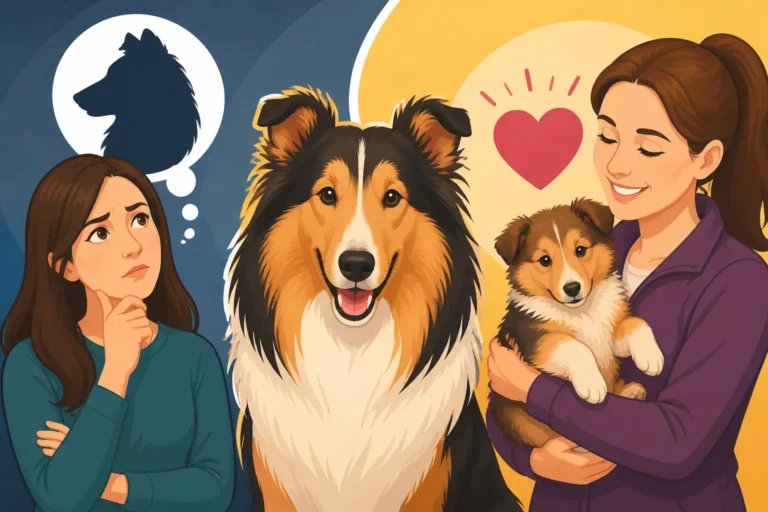
Bringing a rescue Collie home is such a wonderful, heartwarming experience, full of anticipation and love. But along with all that joy, there can often be a cloud of uncertainty, especially when it comes to their health history. One of the biggest questions on many prospective Collie owners' minds is whether their new furry family member has been tested for the MDR1 mutation, a critical genetic sensitivity for our beloved breed. This guide will walk you through the realities of MDR1 testing in rescue Collies, what you can expect, and how to ensure your new companion receives the care they deserve.
Understanding the MDR1 Mutation and Why It Matters for Your Collie
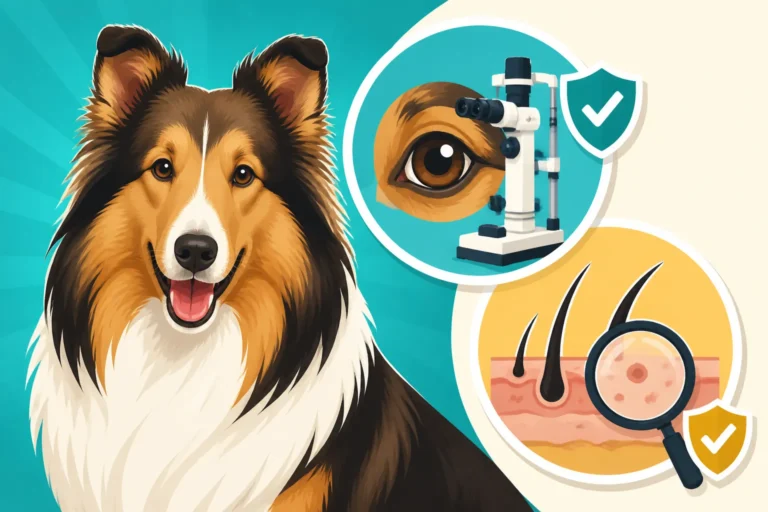
First, let's get a handle on what MDR1 is and why it's such a big deal for Collies. The Multi-Drug Resistance 1 (MDR1) gene mutation is a genetic anomaly that affects how certain drugs are processed in a Collie's body. Simply put, dogs with this mutation have a faulty "pump" at the blood-brain barrier. This pump is normally responsible for keeping harmful substances, including many common medications, out of the brain. When it doesn't work correctly, these drugs can build up to toxic levels in the central nervous system, leading to severe neurological symptoms, seizures, coma, and even death. It's a truly terrifying prospect for any Collie owner.
This isn't some rare, obscure condition. The MDR1 mutation is shockingly prevalent in Collies and related breeds. Many of us have heard the stories, or perhaps even experienced the heartbreak, of a Collie reacting badly to a routine medication. It's not the dog's fault, or even the vet's if they weren't aware; it's a hidden genetic vulnerability that requires specific management. Knowing your Collie's MDR1 status is arguably one of the most important pieces of health information you can have, as it directly impacts which medications they can safely receive for a wide range of issues, from worming to surgery. It’s absolutely essential for preventing a potentially life-threatening drug reaction down the line. We dive deeper into this topic in What the MDR1 Mutation Actually Does to a Collie.
The Impact on Routine Medications
Imagine your sweet rescue Collie gets an upset stomach, and your vet prescribes loperamide (Imodium). For a dog without the MDR1 mutation, this might be a perfectly safe and effective treatment. But for an MDR1-affected Collie, loperamide can be incredibly dangerous, leading to profound neurological depression. The same goes for certain dewormers, sedatives, and even some chemotherapy agents. It's not just about exotic drugs; it's about common medications that veterinarians use every single day.
It puts owners in a tough spot, doesn't it? You want to trust your vet, and they want to help your dog, but if this crucial piece of genetic information is missing, you're both flying blind. That's why being proactive about this test is so vital. It removes the guesswork and allows your vet to make informed decisions that prioritize your Collie's safety. This knowledge changes the entire landscape of medical care for your dog.
The Breeder's Role vs. Rescue Realities
Responsible Collie breeders have long understood the importance of MDR1 testing. They typically test all their breeding stock and often their puppies, providing results to new owners as part of their health guarantees. This gives puppy buyers peace of mind and a clear medical history from day one. However, rescue organizations operate under very different circumstances. They often take in dogs with unknown backgrounds, sometimes from dire situations where previous owners' information is nonexistent or unreliable.
Rescues focus primarily on immediate needs: getting the dog healthy, fed, spayed/neutered, vaccinated, and microchipped. Genetic testing, while important, isn't always at the top of the priority list when resources are stretched thin and dogs are arriving daily. This isn't a criticism of rescue groups – they do incredible, tireless work – but it's a reality that adopters need to be aware of. Their mission is to save lives and find forever homes, and sometimes that means a comprehensive genetic health panel isn't feasible before adoption.
What to Expect from a Collie Rescue Regarding MDR1 Testing
When you're looking to adopt a Collie, one of your first questions, after "Can I meet them?" should probably be about their health history, and specifically, their MDR1 status. The answer you get from a rescue organization can vary widely depending on their resources, policies, and the background of the individual dog.
Best Case Scenario: Full Disclosure
In the ideal situation, the rescue will have already conducted MDR1 testing on the Collie you're interested in, especially if they are a breed-specific rescue with a deep understanding of Collie health. They might have used a genetic testing lab that offers a full panel, including MDR1. In this scenario, they'll happily provide you with a copy of the results, clearly stating whether the dog is "clear/normal" (N/N), a "carrier" (M/N), or "affected" (M/M). This is fantastic, as it gives you immediate clarity and allows you to share this vital information with your vet right away.
Some rescues work closely with vets who understand the breed and prioritize these tests. If the dog came from a known background, perhaps surrendered by an owner who had the dog tested, those records might transfer over. Don't be shy about asking for paperwork. A good rescue wants you to be as informed as possible to ensure a successful placement.
Common Scenario: Unknown Status
More often than not, especially with general rescues or dogs picked up as strays, the MDR1 status will be unknown. The rescue might have performed a basic vet check, vaccinations, and spay/neuter, but genetic testing for specific breed predispositions might not have been part of their standard protocol due to financial constraints or simply lack of information. They might tell you that they treat all Collies as if they are affected (M/M) to be safe, which is a responsible approach, but it doesn't give you definitive genetic information.
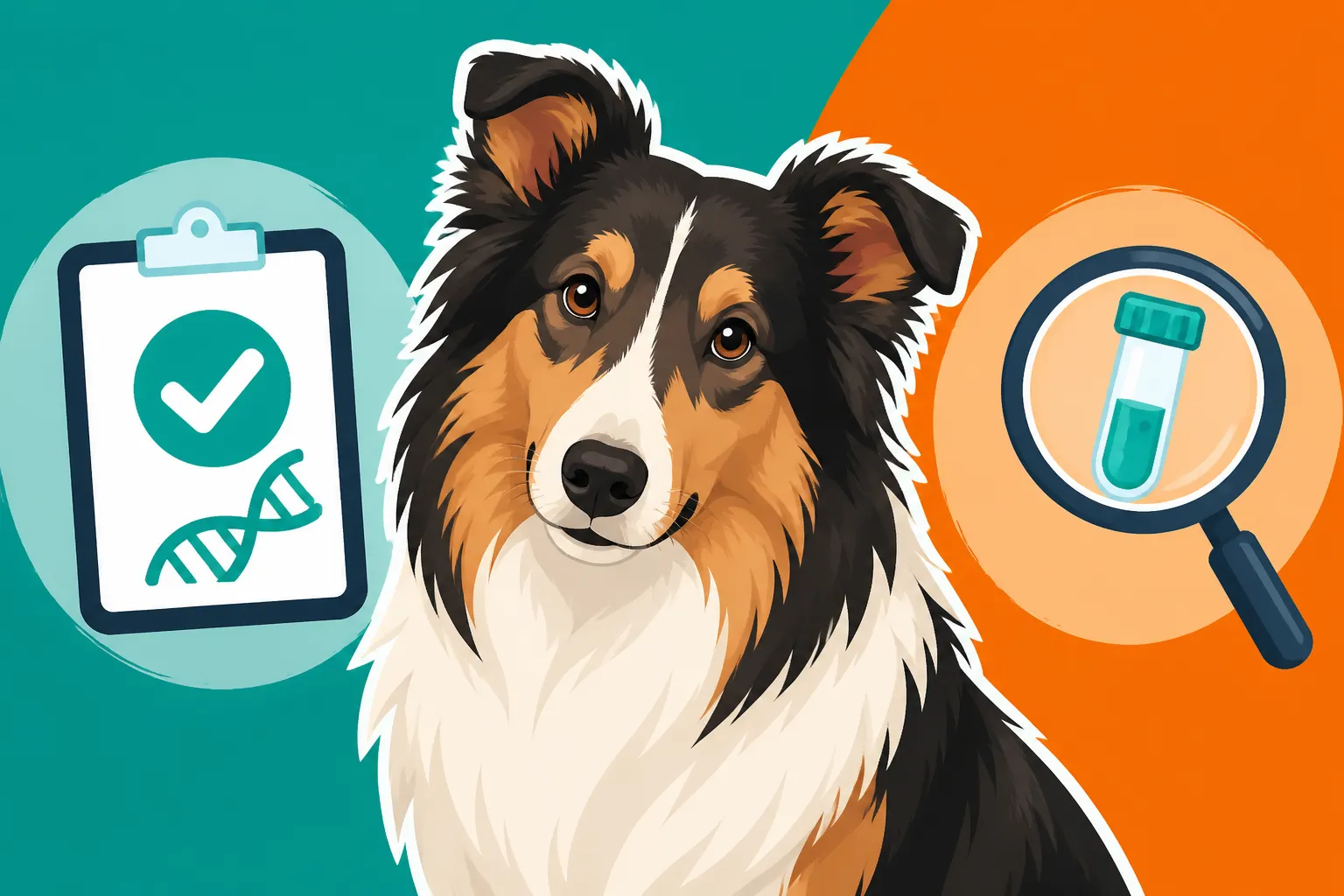
This unknown status isn't a dealbreaker, but it does mean that you, as the adopter, will need to take the initiative to get your new family member tested. It's an additional step, but a crucial one for their lifelong health and your peace of mind. Many veterinarians are now well-versed in MDR1 testing, or you can even do an at-home swab.
Rare Scenario: Dog Tested, Results Misunderstood
Occasionally, a rescue might have had the dog tested, but the results were misunderstood or not adequately communicated. This is less common but can happen. For example, they might know the dog is a "carrier" (M/N) and mistakenly believe this means there are no drug sensitivities. However, even carriers can have adverse reactions to certain medications, although often less severe than affected (M/M) dogs. This highlights the importance of not just asking if they were tested, but also asking to see the actual results yourself. Whether One Copy of MDR1 Is Enough to Harm a Collie delves into this further.
It's always best to be an advocate for your dog. If you get a result that's anything other than N/N (clear), discuss it in detail with your veterinarian. They can explain what it means for medication choices and long-term care.
Here’s a quick overview of what to expect:
| Scenario | Rescue's Likely Action | Adopter's Responsibility |
|---|---|---|
| Known Clear (N/N) | Provides genetic test certificate; advises vet. | Keep records, inform all future vets, maintain vigilance. |
| Known Carrier (M/N) | Provides genetic test certificate; advises caution. | Keep records, inform all future vets, discuss safe drug lists. |
| Known Affected (M/M) | Provides genetic test certificate; emphasizes strict drug protocol. | Absolutely keep records, inform all vets, adhere to strict drug list. |
| Unknown Status | May treat as if affected; no specific test results. | Assume affected; GET YOUR COLLIE TESTED ASAP. |
| Misunderstood Results | May provide partial or incorrect interpretation. | Verify with raw results; consult your vet for clarification. |
How to Get Your Rescue Collie MDR1 Tested
So, you've adopted a wonderful Collie, but their MDR1 status is a mystery. Don't panic! Getting them tested is a straightforward process, and it's one of the best investments you can make in their long-term health. You have a couple of solid options, both providing accurate results.
Option 1: Your Veterinarian
The most common and often easiest route is to have your veterinarian handle the testing. Most vet clinics are familiar with sending out genetic samples, especially for breeds like Collies where specific mutations are well-known.
When you bring your new Collie in for their initial check-up – which you should absolutely do soon after adoption – simply tell your vet you'd like to have an MDR1 test performed. They will typically take a cheek swab or a blood sample. The vet then sends this sample to a specialized veterinary genetics laboratory. Turnaround times can vary, but generally, you'll have results back within a few weeks. The benefit here is that your vet can immediately add this crucial information to your Collie's medical file and discuss appropriate care strategies with you. They can also advise you on The Drug List That Can Kill a Collie and how to proceed safely with future treatments.
Option 2: At-Home Genetic Testing Kits
Another excellent option, particularly convenient for some owners, is to use an at-home genetic testing kit. There are several reputable companies that offer these. You order the kit online, and it usually arrives with simple instructions for collecting a cheek swab from your dog. No blood draws, no vet visit needed for the sample collection itself!
Companies like Optimal Selection (through Embark) and others offer comprehensive health panels that include MDR1 testing. You simply swab your dog's cheek, mail the sample back in the pre-paid envelope, and await your results via email. These kits can sometimes test for a range of other genetic conditions common in Collies too, which can be an added bonus. Some online retailers, like Chewy, might even carry these types of kits, making them easily accessible. Just make sure you choose a kit from a reputable genetic testing lab. It's worth researching the different options to see which offers the best value and coverage for your needs.
Regardless of which method you choose, once you have the results, make sure to share them with every veterinarian who treats your Collie throughout their life. It's a critical piece of their medical history. You might even consider getting them a medical tag or a specific collar that indicates their MDR1 status, especially if they are M/M, for emergency situations. Whether a Collie Should Wear a Medical Tag is a topic worth considering.
Living with an MDR1 Positive Collie
Finding out your rescue Collie is a carrier (M/N) or affected (M/M) by the MDR1 mutation might feel daunting at first, but it is absolutely manageable. Knowing their status empowers you to be their best advocate and ensures they live a long, healthy life free from preventable drug reactions.
Creating a Safe Drug List with Your Vet
The very first step after receiving an M/N or M/M result is to sit down with your veterinarian. Together, you will review a comprehensive list of medications that are either dangerous or require careful dose adjustments for MDR1-positive dogs. This list includes common drugs like ivermectin (in certain doses), loperamide, acepromazine, and butorphanol, among others. Your vet can flag your Collie's chart at the clinic, making sure that any staff member, from vet techs to emergency doctors, is immediately aware of this critical sensitivity. How a Collie Owner Tells the Vet About MDR1 offers practical advice on this conversation.
It's also a good idea for you to keep a copy of this "red flag" drug list handy, perhaps on your phone or printed out, especially if you ever need to visit an emergency vet or a specialist unfamiliar with your dog's history. Being prepared means you can proactively inform new medical professionals about your Collie’s specific needs.
Everyday Management and Prevention
Living with an MDR1-positive Collie means you simply need to be more informed and vigilant about their medical care. This doesn't mean a life of constant worry, but rather one of educated choices.
- Heartworm and Flea Preventatives: Discuss safe options with your vet. Many modern preventatives, like those available through services such as Chewy or directly from your vet, are safe for MDR1-positive dogs, but it's essential to confirm. Never assume. Whether Heartworm Preventive Is Safe for a Collie and Whether Flea Treatment Is Safe for an MDR1 Collie are critical reads.
- Emergency Preparedness: In an emergency, every second counts. Having your Collie's MDR1 status documented and immediately accessible can literally save their life. Ensure your emergency vet knows. If your regular vet's office is closed, having a printout of safe/unsafe drugs is invaluable.
- Nutrition and Supplements: While not directly related to MDR1 drug sensitivities, a holistic approach to health is always best. Brands like Ollie, which offer customized meal plans, could be considered, ensuring your Collie gets optimal nutrition to support overall health and resilience. Just remember, the MDR1 gene specifically affects drug metabolism, not food.
- Advocacy: You are your Collie’s voice. Don’t hesitate to ask questions, double-check medications, and politely remind veterinary staff about your dog’s MDR1 status. It’s better to be overly cautious than to risk a severe reaction. This proactive stance is key to managing an MDR1-positive dog successfully.
The Financial Aspect of MDR1 Testing and Care
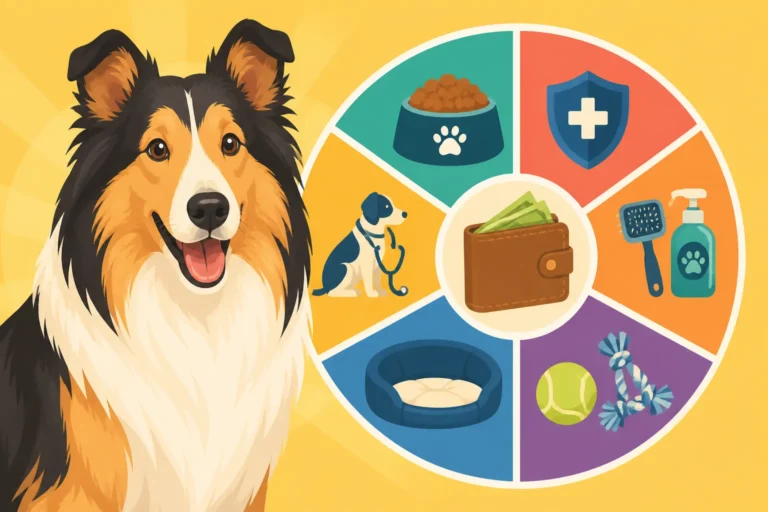
You might be wondering about the cost involved. Genetic testing for MDR1 is generally quite affordable, especially considering the peace of mind it provides and the potential emergency costs it can help you avoid. What an MDR1 Test Costs for a Collie will show you, it's a small price to pay for such vital information.
In terms of ongoing care, having an MDR1-positive Collie doesn't necessarily mean higher veterinary bills day-to-day. It primarily means making different drug choices, and often, there are safe alternatives available that are comparable in price. However, should an accidental exposure or an unrelated medical emergency occur, knowing their MDR1 status can prevent complications that could lead to more expensive, intensive care. Pet insurance providers, like Healthy Paws, can be a great safety net for unexpected veterinary expenses, regardless of your Collie's MDR1 status, but always clarify coverage for genetic conditions with any provider. Whether Pet Insurance Is Worth It on a Collie is a good discussion for any Collie owner.
Ultimately, adopting a rescue Collie with an unknown MDR1 status gives you an incredible opportunity to provide them with the gift of informed, safe medical care. It's a testament to your commitment as a dedicated Collie owner, ensuring that your beautiful companion thrives in their forever home.
Disclaimer
This article is for general informational purposes only and does not constitute professional advice. Laws, prices and regulations vary by location and change over time. Consult a qualified professional for guidance on your specific situation.