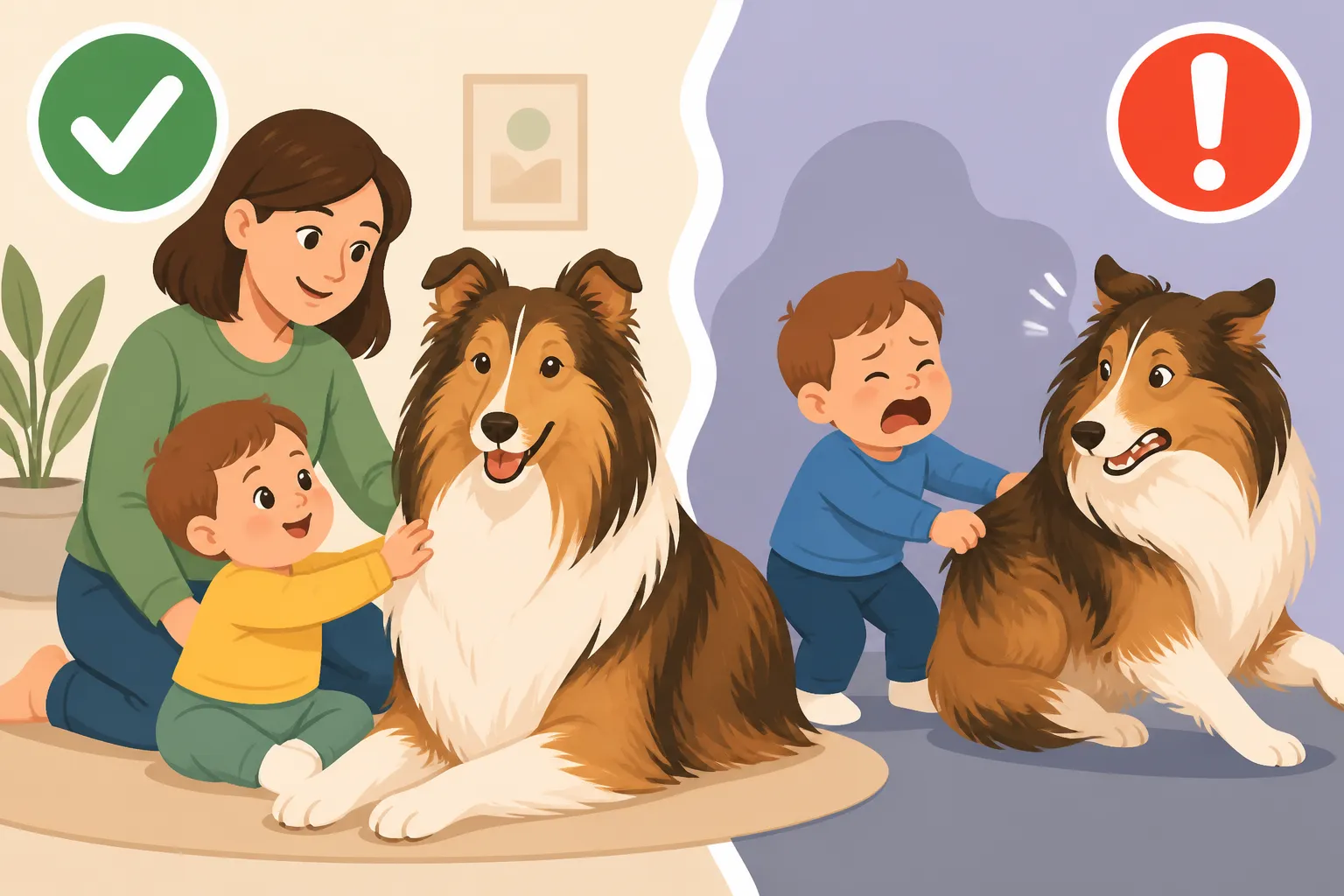
Whether a Collie Should Be Supervised With Toddlers
Bringing a new baby or a rambunctious toddler into a home with a Collie can feel like trying to mix oil and water, or at least like orchestrating a very delicate dance. Many Collie owners worry about how their typically gentle dog will react to the unpredictable energy of a small child, and the truth is, while Collies are often wonderful family dogs, active supervision is absolutely key to ensuring peace, safety, and a loving bond for everyone. This guide will walk you through why supervision is so crucial, what specific behaviors to watch for, and how to create a harmonious home environment where both your Collie and your toddler can thrive safely together.
The Collie Temperament Around Very Young Children
Collies are known for their intelligence, sensitivity, and often a deep desire to please their families. However, like any breed, they have inherent traits and individual personalities that come into play when faced with the novel, sometimes startling, behavior of a toddler. Understanding these foundational aspects of the Collie temperament is the first step in fostering a safe relationship.
Understanding the Collie's Herding Instinct
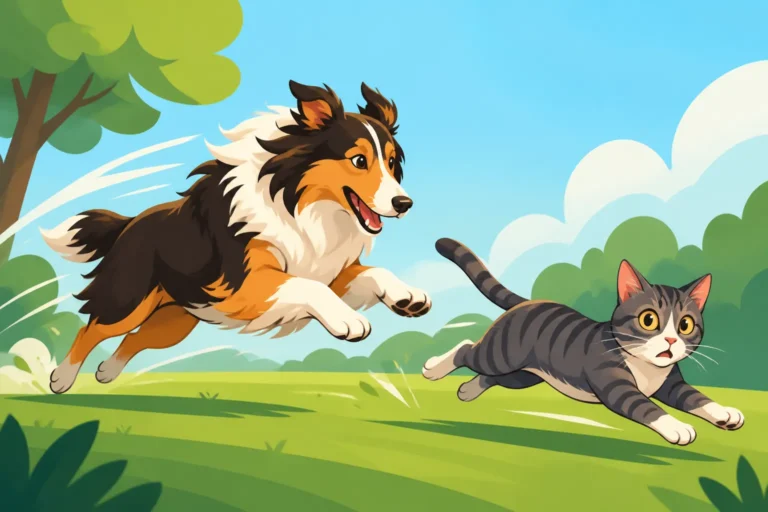
It's easy to forget that beneath that beautiful, flowing coat and noble head lies a dog originally bred for herding livestock across vast Scottish landscapes. This instinct, even in pet Collies, is still very much alive. When a toddler runs, squeals, or moves erratically, it can trigger that ingrained herding drive. This might manifest as circling, nudging, or even a soft nip at the heels – behaviors that are perfectly natural for a herding dog trying to gather sheep, but entirely inappropriate and potentially frightening or harmful when directed at a small child.
Imagine your two-year-old giggling and sprinting across the living room; to your Collie, this might look like a stray lamb needing to be brought back to the flock. They aren't trying to be aggressive; they're simply acting on thousands of years of selective breeding. This is why understanding Why a Collie Herds Your Children is so important. It helps you reframe their actions from "misbehavior" to "instinctual response" and allows you to intervene constructively. Without proper management and training, this instinct can be a source of constant tension and potential mishaps.
These herding behaviors, if left unchecked, can also escalate. A gentle nudge can become more forceful, or a playful nip at the heels might accidentally break the skin. It’s not malicious, but the sheer size difference between a seventy-pound Collie and a twenty-five-pound toddler means even minor interactions can have disproportionate consequences. This isn't about blaming the dog; it's about acknowledging their nature and preparing for it.
The Gentle Giant Reputation Versus Reality
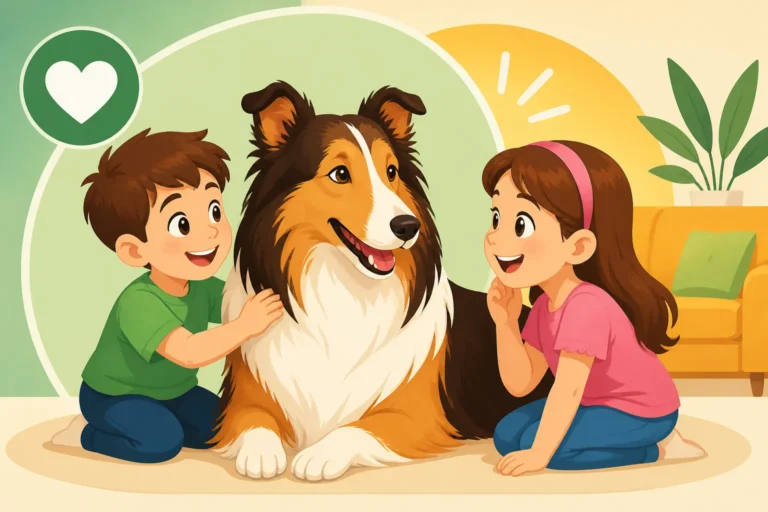
Collies have earned a well-deserved reputation as "gentle giants" and loyal family companions, largely thanks to beloved characters like Lassie. They often possess a calm demeanor and an affectionate nature that makes them seem inherently safe with children. Many Collies will tolerate a lot from a small child, patiently enduring clumsy pats or accidental tugs on their fur. This patience is a huge asset, but it's not boundless.
However, relying solely on this reputation without active oversight is a dangerous gamble. While a Collie might be gentle, they are still a living, breathing animal with limits, fears, and a strong sense of personal space. The reality is that any dog, regardless of breed, can react negatively if they feel threatened, cornered, or in pain. A toddler's movements are often unpredictable and can be perceived as threatening even when they mean no harm. For example, a child might suddenly fall on the dog, step on its tail, or grab an ear with surprising force.
It's critical to remember that while the breed is known for gentleness, individual dogs vary. Some Collies are naturally more tolerant and placid, while others might be more reserved or easily startled. A Collie who loves older, respectful children might be completely overwhelmed by a crawling infant or a boisterous toddler. The "gentle giant" label should always be a starting point for expectation, not a substitute for vigilant supervision.
Sensitivity and Reaction to Child Behavior
Collies are highly sensitive dogs, often picking up on subtle cues from their environment and their human family members. This sensitivity is a double-edged sword when it comes to toddlers. On one hand, it means they are often attuned to emotional states and can be very empathetic companions. On the other hand, it also means they can be easily overwhelmed by sudden loud noises, quick movements, or the unpredictable energy that toddlers naturally exude.
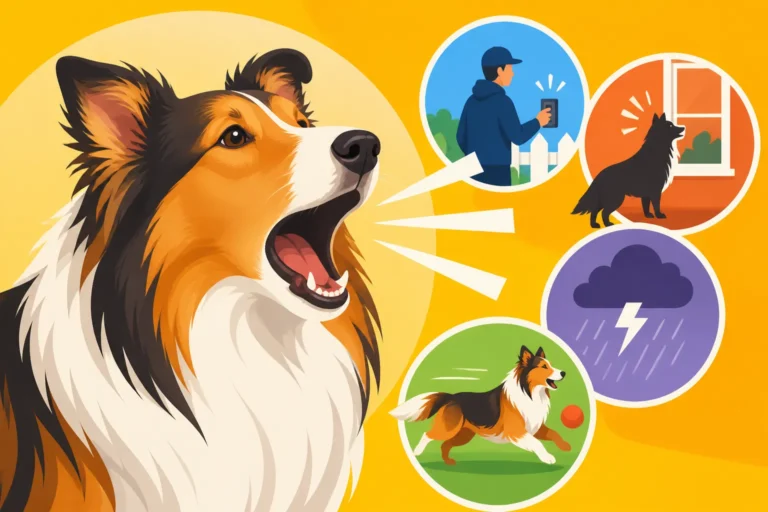
A child's shriek of excitement, a sudden drop of a toy, or an unexpected lunge can genuinely startle a sensitive Collie. Their first reaction might be to retreat, but if they feel trapped or cornered, they might snap or growl as a warning. It's not aggression in the typical sense; it's a plea for space and an expression of discomfort. Recognizing these subtle stress signals – lip licking, yawning, turning the head away, freezing, or showing the whites of their eyes – is paramount for preventing an escalation. This ties into understanding How a Collie Reads Its Owner's Mood, as your calm presence can often reassure your dog.
It's also worth noting that Collies can be prone to guarding resources, whether it's their food bowl, a favorite toy, or even their chosen sleeping spot. A toddler, being naturally curious and lacking understanding of boundaries, might innocently approach these guarded items. This is a common trigger for conflict in many dog breeds, and Collies are no exception. Their sensitivity means they might react more quickly or intensely to perceived threats to their possessions, making supervised interactions crucial.
Why Active Supervision is Non-Negotiable
Given their herding instincts, gentle nature with potential for being overwhelmed, and general dog behaviors, active supervision isn't just a good idea; it's absolutely essential when Collies and toddlers share space. This isn't about distrusting your Collie; it's about creating a structured, safe environment that protects both your child and your dog from unintentional harm or stress.
Preventing Accidental Injuries
The sheer size difference between a Collie and a toddler means that even the most innocent interactions can lead to accidental injuries. A playful pounce that might be harmless between two adult dogs could easily knock a toddler off their feet. A wagging tail, while a sign of happiness, could strike a small child in the face. Even a quick head turn could result in a bump that sends a wobbly toddler sprawling.
Beyond the physical dynamics, there's the risk of misinterpretation. A toddler might see a dog's open mouth and think it's a smile, when it could actually be a subtle warning or an indication of stress. Conversely, a Collie might not understand that a toddler's joyful squeal is not a sign of aggression. Without an adult present to mediate and interpret these signals, both parties are at risk. An accidental trip, a startled reaction, or a misplaced paw can all lead to scraped knees, bumps, or more serious injuries for a child, and can also lead to a dog being blamed for something that was purely an accident.
This is also where preventative measures come into play. Keeping nails trimmed short and regularly brushing out excess fur can reduce potential irritants for a toddler. More importantly, it's about being present and ready to intervene before an accidental interaction can even begin. Never assume that because your Collie is "good with kids" that they are immune to accidents.
Teaching Safe Interaction for Both Child and Dog
Active supervision is the primary tool you have for teaching both your child and your dog how to interact safely and respectfully. You can't just tell a toddler "be gentle" and expect them to understand; you have to show them, repeatedly, with immediate feedback. This means guiding their hands to stroke the dog softly, showing them how to approach calmly, and teaching them not to pull fur or poke eyes.
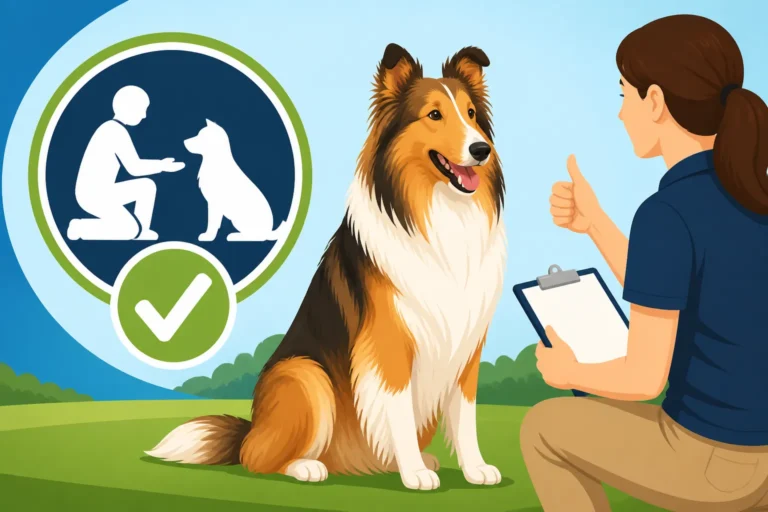
Similarly, supervision allows you to reward your Collie for calm, appropriate behavior around your child. When your dog lies down quietly while your toddler plays nearby, you can offer praise or a treat. If your Collie starts to get overstimulated or shows signs of herding, you can calmly redirect them with a toy, a chew, or by moving them to a designated "safe zone." This consistent, positive reinforcement helps your Collie associate your child with good things and pleasant experiences, rather than stress or reprimand. This is where a program like BAXTER & Bella can be invaluable, as they often provide guidance on socializing puppies and integrating them into family life with children, offering structured training methods.
Teaching safe interactions also means teaching boundaries. For the dog, this might mean not jumping on the child, not taking toys from their hand, or not licking their face excessively. For the child, it means understanding that the dog needs its own space, especially when eating or sleeping. This ongoing education is a continuous process that only happens effectively when an adult is actively observing and guiding every interaction. Without it, you're leaving a crucial part of their relationship to chance.
Recognizing Stress Signals in Your Collie
One of the most vital aspects of supervision is learning to "speak dog" – specifically, learning to read your Collie's body language. Collies, being sensitive, often give very subtle cues when they are uncomfortable, anxious, or about to react. These signals are their way of communicating before they resort to a growl or a snap. Ignoring these early warnings is how situations escalate into unpleasant or dangerous encounters.
Signs of stress in a Collie might include yawning when not tired, lip licking, turning their head or body away, showing the whites of their eyes (often called "whale eye"), tense body posture, a tucked tail, or ears flattened against their head. A Collie might also freeze in place, try to sneak away, or start panting rapidly. If you see these signals, it means your Collie is feeling overwhelmed and needs space immediately. This is a much earlier warning than a growl, which usually indicates a higher level of discomfort. Understanding these subtle cues can prevent a multitude of issues.
An adult's role during supervision is to be the advocate for both the child and the dog. If you see your Collie showing even the slightest sign of discomfort, it's your job to step in, gently separate them, and give your dog a break. This teaches your dog that you understand and respect their boundaries, which in turn builds trust and reduces the likelihood of them feeling the need to escalate their warnings in the future. Remember, a happy, comfortable dog is a safe dog. This level of attentiveness ensures both your Collie's well-being and your toddler's safety, helping you decide Whether a Collie Should Be Supervised With Toddlers.
Strategies for Harmonious Living with Collies and Toddlers
Creating a peaceful and safe home for both your Collie and your toddler is entirely achievable with proactive strategies and consistent effort. It's about setting up the environment, teaching appropriate behaviors, and remaining vigilant. Think of it as building a bridge of understanding and respect between two very different beings.
Establishing Clear Boundaries and Safe Zones
One of the most effective strategies for managing interactions between Collies and toddlers is establishing clear physical and behavioral boundaries. This means creating designated "safe zones" where your Collie can retreat and relax undisturbed, and where your toddler cannot access them. A sturdy crate, a dog bed in a separate room, or even a pen sectioned off with baby gates can serve this purpose. These safe zones should be respected by everyone in the family, especially the toddler. You can find excellent, robust baby gates on platforms like Amazon that are tall enough to deter even a determined Collie.
| Interaction Scenario | Risk Level | Recommended Action for Supervision |
|---|---|---|
| Toddler running/squealing | Moderate to High | Keep dog on leash or behind barrier; redirect dog with toy; teach "quiet" cue. |
| Toddler approaching dog's food | High | Dog should be in separate room or behind barrier during meals. |
| Toddler petting dog | Moderate | Guide child's hand for gentle strokes; watch dog for stress signals; keep sessions short. |
| Toddler playing with dog's toys | Moderate | Only allow with non-resource guarded toys; supervise closely; teach "leave it" to both. |
| Dog resting/sleeping | High | Ensure dog has a private, undisturbed safe zone; teach child to never approach. |
| Dog initiating play | Low to Moderate | Ensure play is appropriate (no nipping, jumping); intervene if energy escalates. |
Similarly, establish boundaries for your toddler. Teach them from a very young age that certain areas are "doggy space" and that the dog's bed or crate is off-limits. This also means teaching them not to approach the dog when it's eating, sleeping, or chewing on a bone. Consistency is key here. Every family member must enforce these rules so that the boundaries are clear and predictable for both your child and your dog.
These boundaries aren't just for safety; they also reduce stress for your Collie. Knowing they have a place to escape the noise and chaos of a toddler's energy can prevent them from becoming overwhelmed. This contributes significantly to a calmer dog overall, which in turn reduces the likelihood of negative interactions. Think of it as creating a sense of predictability, which Collies, like many sensitive breeds, thrive on. Having a predictable routine also helps, as discussed in Whether a Collie Needs a Predictable Routine.
Training Your Collie for Calm Encounters
Effective training is the cornerstone of a harmonious multi-species household. Your Collie needs to understand basic obedience commands and, more importantly, how to behave calmly and appropriately around your toddler. Commands like "sit," "stay," "down," and "leave it" are not just party tricks; they are crucial tools for managing your dog's behavior in real-life situations. If your Collie jumps up, teaching a solid "off" or "four on the floor" command is invaluable.
Focus on positive reinforcement. Reward your Collie for choosing to be calm around your toddler. If your dog lies quietly on their bed while your toddler plays nearby, toss them a treat or offer soft praise. You can use gentle, positive methods to help teach a Collie puppy to lie still for grooming, and similarly, teach them to be calm around a toddler. This creates a positive association with the child's presence. Avoid scolding or punishing your Collie for instinctual behaviors like herding or barking, as this can create fear and resentment, potentially making the situation worse. Instead, redirect their energy to an appropriate outlet.
Consider enrolling in obedience classes or utilizing online training resources. Programs like BAXTER & Bella offer comprehensive puppy and dog training courses that can guide you through teaching your Collie appropriate behavior, including impulse control and polite greetings, which are essential skills when living with small children. Consistency is paramount. Everyone in the household should use the same commands and enforce the same rules to avoid confusing your intelligent but sensitive Collie.
Educating Your Toddler About Dog Etiquette
While we focus a lot on dog training, educating your toddler on how to interact respectfully with a dog is equally important, if not more so. Toddlers, by nature, are self-centered and lack impulse control and understanding of consequences. It's your job to patiently and repeatedly teach them the rules of "doggy etiquette." Start early and be consistent.
Teach your toddler:
- Gentle hands: Guide their hand to stroke the dog's back softly, avoiding the face, tail, or ears.
- Doggy space: Show them that the dog's bed, crate, and food bowl are off-limits.
- Calm voices: Explain that loud noises can scare the dog.
- No running at the dog: Teach them to approach calmly and slowly.
- Always ask: As they get older, teach them to ask permission from you before interacting with any dog, including their own.
You can use books, songs, and simple role-playing to help your toddler understand these concepts. For example, you might say, "Let's use our gentle hands to pet Fido" or "Fido is sleeping now, let's let him rest." Always model respectful behavior yourself. If your child sees you being rough or loud with the dog, they will emulate it. This constant, gentle teaching is key to ensuring Whether a Collie Tolerates Rough Handling doesn't become a question of necessity.
Remember, this is a long game. Toddlers will test boundaries and forget rules, and that's normal. Your role is to be the consistent, patient educator and supervisor, ensuring that every interaction is positive and safe for both your cherished Collie and your precious little one. This proactive approach helps to foster a lifelong bond built on mutual respect and understanding.
Disclaimer
This article is for general informational purposes only and does not constitute professional advice. Laws, prices and regulations vary by location and change over time. Consult a qualified professional for guidance on your specific situation.