Whether a Collie Herds the Family Dog
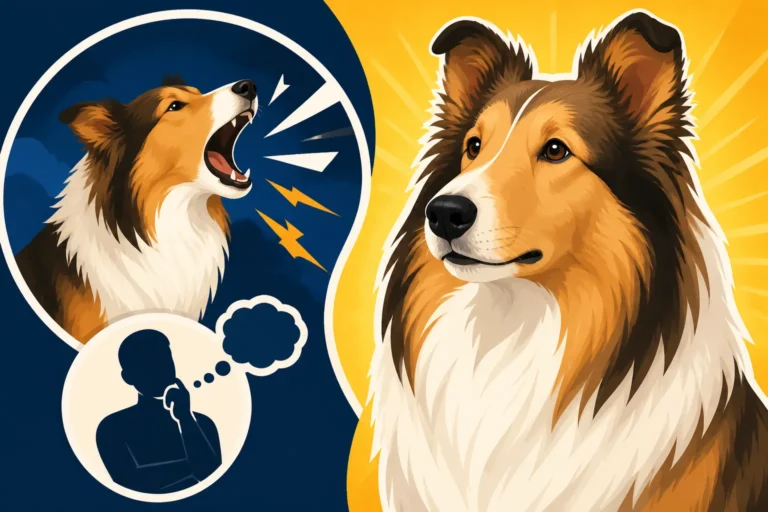
It’s a scenario many Collie owners have found themselves in: you bring home another dog, perhaps a new puppy or an older rescue, and suddenly your dignified Collie starts acting like a sheepdog on duty right there in your living room. You might wonder, "Is my Collie actually trying to herd my other dog?" The short answer is a resounding yes, it's highly probable, and this guide is here to help you understand why this happens and how to manage it so all your furry family members can live in peace.
Understanding the Collie's Innate Herding Drive
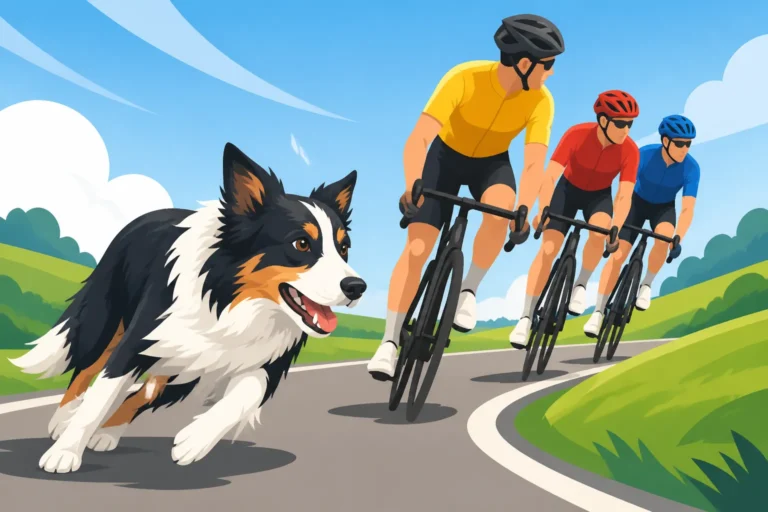
Collies, both Rough and Smooth, are quintessential herding dogs. Their ancestors spent centuries working alongside shepherds, guiding flocks of sheep across the rugged Scottish landscape. This isn't just a learned skill; it's deeply ingrained in their genetic makeup, a powerful instinct that dictates much of their behavior. When you see your Collie exhibiting specific behaviors towards another dog, especially one that moves quickly or reacts in a certain way, it's often this ancient instinct kicking in.
The Historical Role of the Collie
Imagine the vast, open moors of Scotland. A single shepherd, perhaps with only one or two Collies, was responsible for managing hundreds of sheep. These dogs needed to be agile, intelligent, and possess a strong "herding eye"—that intense, focused stare that could compel a sheep to move. They were bred to gather, circle, and direct, often using their presence and sometimes a gentle nip at the heels to keep the flock together and moving in the desired direction.
This history means that your modern Collie, even if it's never seen a sheep in its life, carries those same drives. It sees movement, especially erratic or rapid movement, and its brain often interprets it as "something that needs to be gathered and controlled." For some Collies, this instinct is a whisper; for others, it's a roaring command. They aren't trying to be mean or aggressive; they're simply acting on what their DNA tells them to do. It’s their way of imposing order, even if that "order" looks like chaos to you and your other bewildered pet.
Herding Instinct vs. Play Behavior
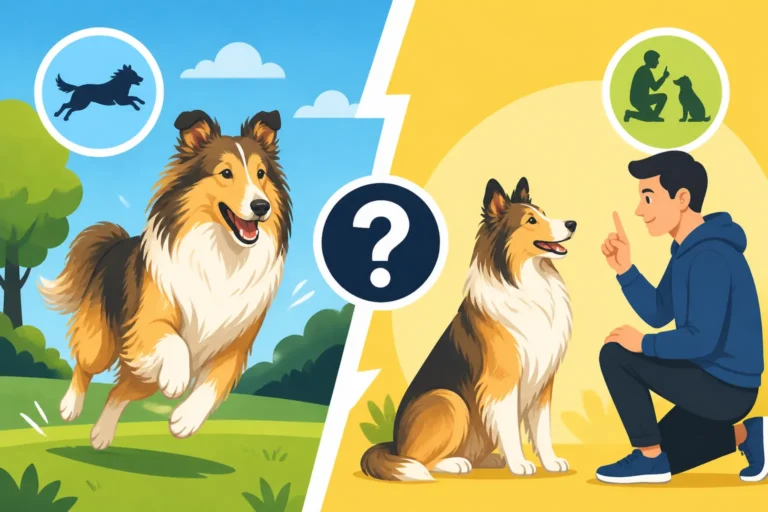
It can be tricky to tell the difference between exuberant play and genuine herding behavior, especially if both dogs are young or particularly energetic. However, there are distinct differences in body language and intent that can help you distinguish between the two.
Play Behavior:
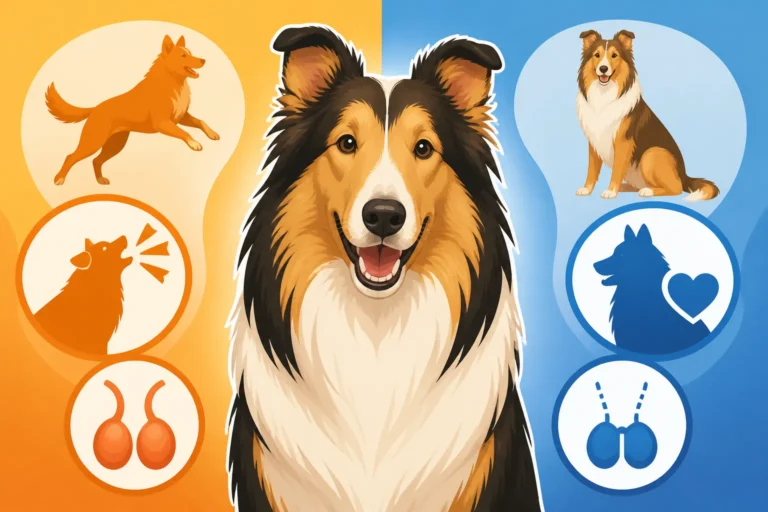
When dogs are truly playing, you'll often see exaggerated movements: play bows, loose, wagging tails, "soft" eyes, and frequent breaks in the action. They might chase each other, mouth gently, or wrestle, but there's a give-and-take. One dog chases, then the other. There’s usually a lot of noise—play growls and barks—but the overall mood is joyful and reciprocal. A Collie might run with another dog, even circle it, but the focus is on mutual enjoyment, not control.
Herding Behavior:
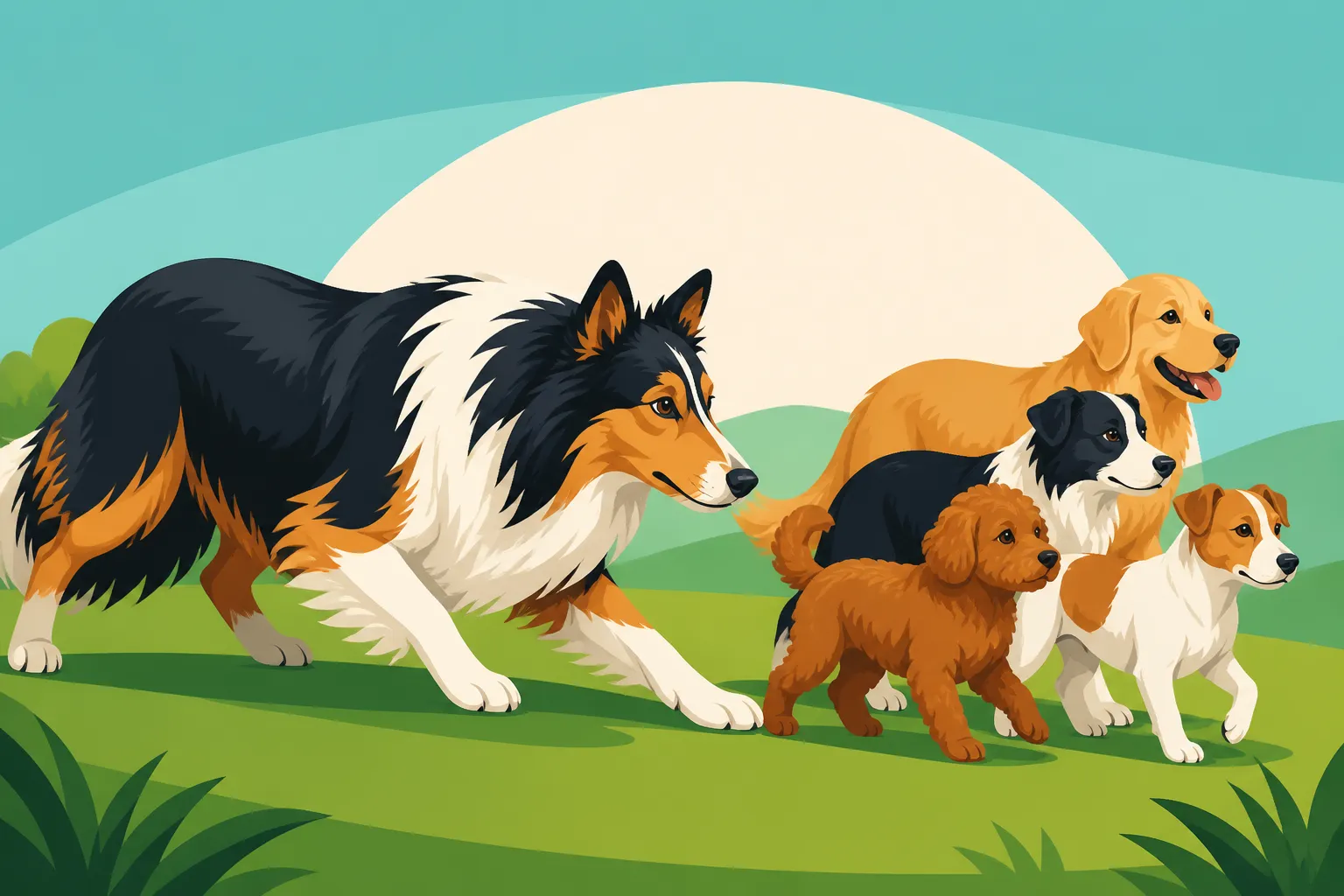
Herding behavior, even when directed at another dog, tends to be more purposeful and intense. Your Collie might adopt a low crouch, often referred to as "the eye," where its body is still, head down, eyes fixed on the other dog. The tail might be held lower, perhaps with a slight, stiff wag, or tucked. The movements become more precise: circling the other dog, blocking its path, or "gathering" it into a corner or against a piece of furniture. You might also see gentle (or not-so-gentle) nips at the hocks or flanks, just like they would with sheep. The other dog often looks less enthused, perhaps trying to get away, showing signs of annoyance, or even fear. It's less about shared fun and more about the Collie dictating the other dog's movement. A good example might be when your Collie tries to gather your smaller terrier mix away from the front door when visitors arrive, pushing them back with its chest, even if the terrier just wants to greet people. It's a prime example of their protective, controlling instinct taking over.
Signs Your Collie Is Herding Other Family Pets
Recognizing the specific behaviors your Collie displays is the first step toward managing this instinctual drive. It's not always obvious, especially to someone unfamiliar with herding dog nuances, but once you know what to look for, it becomes much clearer.
Common Behaviors to Watch For
Collies employ a range of behaviors when attempting to herd, and these can manifest differently depending on the individual dog and the "flock" it's trying to manage.
- Circling and Eyeing: This is perhaps the most classic herding move. Your Collie will move in a wide arc around the other dog, often with that intense "herding eye." They might try to gather the other dog into a specific space, like a corner of the yard or a room, or even just push them closer to you. For instance, if you have a lively Pug that loves to zoom around the house, your Collie might start orbiting the Pug, cutting off its escape routes, and attempting to steer it in a particular direction. The Pug, meanwhile, might just look confused or irritated.
- Blocking Paths: A Collie might deliberately position itself between the other dog and a desired destination. Trying to go outside? Your Collie might stand squarely in the doorway, preventing your Golden Retriever from passing until it decides the "flock" is sufficiently contained. This isn't just about being in the way; it's a deliberate act of control.
- Nipping at Heels or Flanks: While less common in a truly harmonious multi-dog household, some Collies might resort to the classic "heel nipping" if the other dog isn't responding to their more subtle cues. This is usually a quick, non-damaging nip designed to get the other dog to move. It's not meant to injure, but it can certainly be startling and annoying for the recipient. I've seen Collies do this to high-energy Jack Russell Terriers who simply won't settle down!
- Body Slams or Nudges: A Collie might use its body to bump or push another dog, especially if it feels the other dog is straying too far or moving too erratically. This isn't usually aggressive, but a forceful nudge can certainly knock a smaller dog off balance or make a more timid dog uncomfortable. It's their way of saying, "Hey, stay with the group!"
- Intense Staring: That fixed, unwavering gaze, sometimes with a low head, is a powerful tool in a herding dog's arsenal. It's meant to exert control and communicate "move!" without physical contact. The other dog often picks up on this intensity and might become anxious or attempt to move away.
It’s crucial to remember that these behaviors, while potentially disruptive, stem from instinct. Your Collie isn't being malicious. It's simply doing what generations of its ancestors were bred to do. However, just because it's natural doesn't mean it should always be allowed unchecked, especially if it's causing stress to your other pets.
When Herding Becomes a Problem
While a little bit of herding behavior might seem harmless or even amusing, there are definite points when it crosses the line from quirky instinct into a genuine problem that needs addressing.
- Persistent Harassment: If your Collie is constantly pestering another dog, preventing it from resting, eating, or moving freely, it's no longer just an instinctual display. It becomes a form of harassment that can severely impact the quality of life for the "herded" dog. Imagine trying to relax while someone keeps circling you and nudging you back into a corner – it would be incredibly stressful!
- Causing Stress or Fear: Observe the body language of the dog being herded. Is it constantly trying to get away? Is its tail tucked, ears back, or is it showing avoidance behaviors like lip licking, yawning, or turning its head away? These are clear signs that the Collie's behavior is causing distress. A smaller, more timid dog, for example, might become genuinely frightened if a larger Collie is consistently pinning it or nipping at its heels. This can lead to anxiety, withdrawal, or even defensive aggression from the "herded" dog.
- Escalation to Injury: While herding nips are usually inhibited and not meant to harm, accidents can happen. A fast-moving nip could break skin, or a forceful body slam could injure a smaller or older dog. If the "herded" dog eventually snaps or retaliates out of fear or frustration, a full-blown fight could erupt, leading to serious injury for both parties. You definitely don't want a situation where your Collie's herding drive leads to physical conflict. This is especially true if you have a very playful, high-energy dog like a Border Collie or Australian Shepherd and a more sedate or elderly dog. The energy mismatch combined with herding instinct can be a recipe for trouble if not managed.
Managing Herding Behavior Towards Other Dogs
Successfully managing your Collie's herding tendencies towards other family pets requires a multi-pronged approach that includes environmental management, consistent training, and sometimes, professional intervention. The goal isn't to eliminate the instinct entirely—that’s impossible and unfair to the dog—but to redirect it into appropriate channels and ensure household harmony.
Environmental Management and Supervision
The easiest way to prevent unwanted herding is to simply prevent the opportunities for it to happen. This requires active supervision and strategic management of your shared living spaces.
- Supervised Interactions: Never leave your Collie unsupervised with the "herded" dog, especially if the behavior is intense or if the other dog is showing signs of stress. This might mean crating one dog when you leave the house or separating them into different rooms with baby gates.
- Create Physical Barriers: Use baby gates, exercise pens, or even closed doors to create physical boundaries in your home. This allows both dogs to be in the same general area but prevents the Collie from actively herding. For example, if your Collie always herds your Chihuahua away from the kitchen when you're preparing food, a gate across the kitchen entrance solves the immediate problem.
- Safe Spaces: Ensure the "herded" dog has a designated "safe space" where the Collie cannot follow. This could be a crate, a dog bed tucked behind a gate, or even a room accessible only to the smaller dog (perhaps via a dog door or gap too small for the Collie). This allows the other dog to retreat and decompress without constant badgering.
- Leash Management Indoors: In some extreme cases, using a lightweight house leash on your Collie indoors can give you a subtle way to interrupt unwanted herding. A gentle tug can redirect their attention without being harsh. Remember, Harsh Handling Breaks a Collie and It Does Not Come Back, so gentle guidance is key.
Redirection and Training Strategies
Your Collie is intelligent and eager to please, and those herding instincts can be channeled into more acceptable behaviors. This is where positive reinforcement training really shines.
- Teach Alternative Behaviors: Instead of herding, teach your Collie an incompatible behavior. For instance, if your Collie tends to herd when the doorbell rings or when people move around excitedly, teach it to go to its "place" (a dog bed or mat) and stay there until released. Reward this heavily! You can find excellent online training programs, like those offered by BAXTER & Bella, that teach these foundational skills with positive methods. This helps your Collie learn that calm, settled behavior earns rewards, rather than instinctual herding.
- Engage in Appropriate Mental and Physical Exercise: A bored Collie is a creative Collie, and creative Collies often invent their own "jobs"—like herding the other dogs. Ensure your Collie gets plenty of both physical and mental stimulation. How Much Exercise a Collie Needs Daily might surprise you; it’s not just about physical exertion. Daily walks, playtime, and training sessions are important, but mental exercises are equally vital. Puzzle toys, scent work games, or learning new tricks can engage their intelligent minds. You can find a vast array of engaging puzzle toys and chew items on Amazon to keep your Collie occupied.
- Redirect with Toys: If you see your Collie starting to fixate on another dog with that "herding eye," immediately interrupt and redirect its attention to a toy, a chew, or a short training session. A flirt pole can be fantastic for Collies, as it allows them to chase and "herd" a toy in a controlled, appropriate way.
- Positive Reinforcement: When your Collie ignores the other dog or plays gently without herding, reward that behavior generously with praise, treats, or a favorite toy. The more you reinforce calm coexistence, the more likely your Collie is to offer those behaviors. Remember What Motivates a Collie is often praise and connection with their owner.
Professional Help and When to Seek It
Sometimes, despite your best efforts, the herding behavior can be too ingrained, too intense, or simply too overwhelming for you to manage on your own. This is not a failure on your part; it's simply acknowledging that some behaviors require expert guidance.
- Persistent or Escalating Behavior: If the herding is constant, aggressive, causing significant distress to the other dog, or if you're struggling to implement effective strategies, it's time to call in a professional.
- Certified Professional Dog Trainers (CPDT-KA): Look for a trainer who specializes in herding breeds or has extensive experience with working dog instincts. They can observe your dogs' interactions in person, help you understand the nuances of their body language, and develop a customized training plan that targets the specific issues you're facing. They can also help you understand Whether a Collie Learns From Watching Another Dog and how to use that to your advantage.
- Veterinary Behaviorist (Dip ACVB): For very severe cases, especially if there's any aggression or extreme anxiety involved, a veterinary behaviorist might be necessary. These are veterinarians with advanced training in animal behavior, who can assess if there are any underlying medical issues contributing to the behavior and prescribe medication if appropriate, alongside behavior modification plans. Early intervention is always better; don't wait until the situation becomes unbearable. A professional can help create a peaceful home for everyone.
Coexistence: Fostering Harmony Between Your Pets
Ultimately, the goal is to create a household where all your dogs can coexist peacefully, respecting each other's space and boundaries. This involves understanding each dog's needs and working proactively to meet them.
Understanding the Other Dog's Perspective
It's easy to focus on the Collie's behavior, but it's equally important to consider how the "herded" dog is experiencing these interactions.
- Recognize Signs of Stress: Pay close attention to the other dog's body language. Is it stiffening, growling, snapping (even subtly), trying to hide, or showing signs of fear like panting, trembling, or excessive lip licking? These are critical cues that the Collie's actions are problematic. A German Shepherd might tolerate some herding for a while, but a small Terrier might quickly become overwhelmed.
- Ensure Safe Retreats: As mentioned earlier, having designated safe spaces for the "herded" dog is non-negotiable. This isn't just a temporary solution; it's a permanent part of ensuring their well-being. Knowing they can escape and relax without the Collie's interference is crucial for their mental health and can prevent them from resorting to defensive aggression.
- Respect Their Boundaries: If the "herded" dog shows clear signs of wanting space, it's your job to intervene and enforce that boundary. Don't assume they'll "work it out." Sometimes, intervention is necessary to prevent escalation and to teach your Collie that not all dogs are sheep to be managed.
Enrichment and Exercise for Both Dogs
A well-exercised and mentally stimulated dog is generally a happier and calmer dog. This applies to both your Collie and its housemates.
- Adequate Physical Exercise: Collies need consistent physical activity to burn off energy. While Forty Five Minutes a Day, and Half of It in Its Head is a good guideline, some Collies might need more, especially if they are young and full of vigor. Daily walks, runs in a secure yard, or structured fetch sessions can make a huge difference in their overall calmness. A tired Collie is less likely to feel the urge to "find a job" herding the cat or the other dog.
- Mental Stimulation: Don't underestimate the power of mental work for a Collie. Their intelligence means they thrive on learning and problem-solving. Incorporate daily training sessions, even short ones, to teach new commands, practice old ones, or play brain games. This helps satisfy their desire to work and think, redirecting that energy away from other household pets. Puzzle feeders, sniff walks, and trick training are all excellent options.
- Individual Attention: Make sure both dogs are getting enough individual attention and quality time with you. Sometimes, a Collie might be herding out of a desire for interaction or attention, even if it's negative attention. Ensuring they feel loved and engaged individually can reduce the need for them to "act out" with other pets. This is especially true when you bring a new dog into the home; ensure your existing Collie doesn't feel displaced.
Remember, patience and consistency are your greatest allies. It takes time for dogs to adjust to new dynamics and for ingrained behaviors to be modified. With understanding, firm but gentle guidance, and perhaps a little professional help, your Collie can learn to share its home harmoniously with its furry companions.
| Behavior Trait | Herding Behavior | Normal Play Behavior |
|---|---|---|
| Body Posture | Low crouch, intense "herding eye," stiff body, head down | Play bow, loose body, wagging tail, relaxed mouth |
| Movement | Circling, blocking paths, pushing, purposeful maneuvers | Chasing, wrestling, pouncing, reciprocal turns |
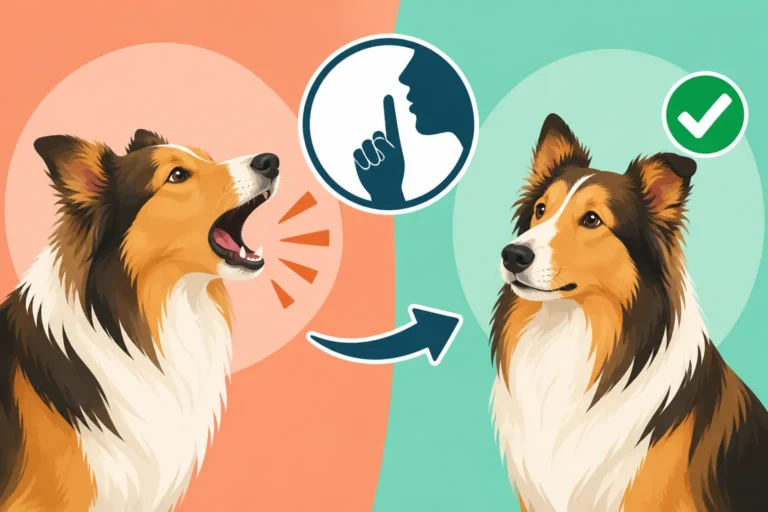
| Vocalization | Often silent or low grumbles, specific barks of direction | Play growls, happy barks, whines |
| Physical Contact | Nipping at heels/flanks, body bumps/slams | Mouthing, gentle biting (inhibited), wrestling |
| Other Dog's Reaction | Avoidance, stress, fear, annoyance, trying to escape | Engaged, reciprocal chasing, happy growls, relaxed |
| Goal/Intent | Control movement, gather, direct, impose order | Mutual fun, social interaction, energy release |
Disclaimer
This article is for general informational purposes only and does not constitute professional advice. Laws, prices and regulations vary by location and change over time. Consult a qualified professional for guidance on your specific situation.