Whether a Collie Belongs at a Dog Park
Many Collie owners find themselves standing at the edge of a busy dog park, watching the chaos unfold, and wondering if it's truly the right environment for their sensitive, intelligent companion. It's a valid concern, because while the idea of boundless off-leash fun sounds wonderful, the reality of many dog parks can be far from ideal for a breed like the Collie. This guide will delve deep into why dog parks might not be the best fit for your beloved Collie, what risks they pose, and offer fantastic alternatives to ensure your dog is happy, healthy, and well-socialized without unnecessary stress.
Understanding Your Collie's Nature and Dog Parks
The Collie Temperament: Sensitivity and Herding Instincts
Collies are renowned for their gentle, intelligent, and often sensitive nature. They aren't the boisterous, rough-and-tumble types that thrive on chaotic free-for-all play. Instead, a Collie often observes, analyzes, and prefers a more structured interaction. They are inherently tuned into their environment and their people, making them highly responsive to subtle cues, but also potentially overwhelmed by unpredictable situations. This sensitivity means that a dog park, with its cacophony of barking, unpredictable dog interactions, and varying owner attentiveness, can quickly become a source of anxiety rather than enjoyment. It’s not about them being anti-social; it's about their inherent wiring. They often thrive in situations where they understand the rules and feel safe, valuing harmony over confrontation.
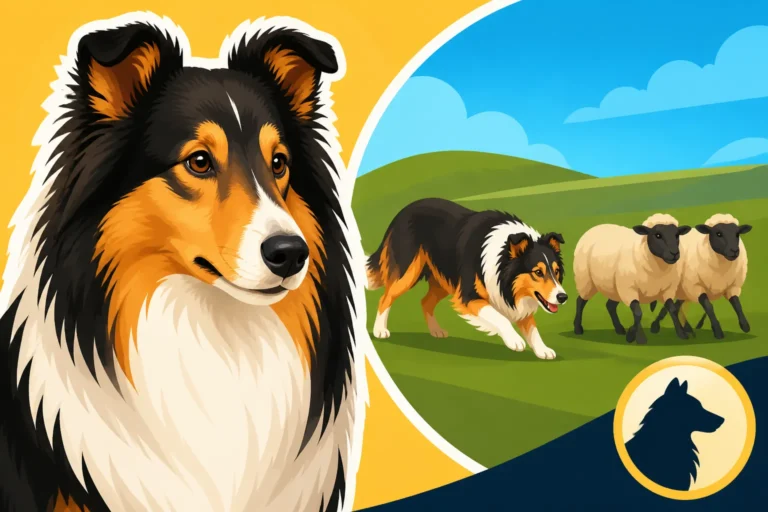
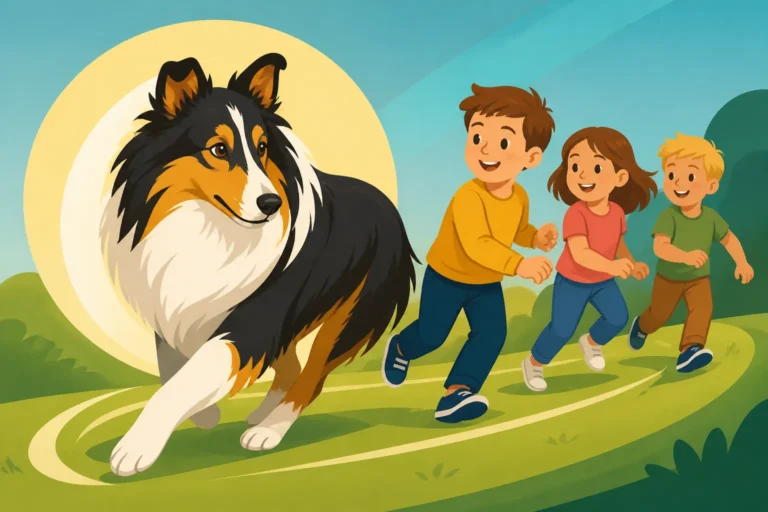
Then there's that ever-present herding instinct. Collies were bred for centuries to gather and move livestock, a job that requires intelligence, a keen eye, and a desire to maintain order. In a dog park setting, with multiple dogs running in different directions, a Collie's natural instinct to "manage" the group can kick in. This might manifest as circling other dogs, staring intently, or even nipping at heels to try and control the play. While this is perfectly natural for a Collie, it can be misinterpreted by other dogs as aggressive or bossy, leading to misunderstandings and potential conflicts. This isn't just about fun; it's about managing a deep-seated behavioral drive in an environment that often lacks structure. Why a Collie Herds Your Children is a great example of this instinct at work, even in a home setting, and it often appears when they are surrounded by fast-moving targets.
It's also worth noting that Collies are generally not confrontational dogs. They are more likely to avoid conflict than seek it out. If another dog is too pushy, too rough, or displays aggressive tendencies, a Collie might become stressed, fearful, or even shut down rather than engaging in a defensive display. This response can be misinterpreted by other dogs as weakness or an invitation to continue harassment. A single bad experience can create lasting negative associations with other dogs and potentially lead to long-term behavioral issues, making future socialization efforts much more challenging. Their natural inclination is to de-escalate, not engage in a dog park brawl.
Why Some Dog Parks Are a Poor Fit for Collies
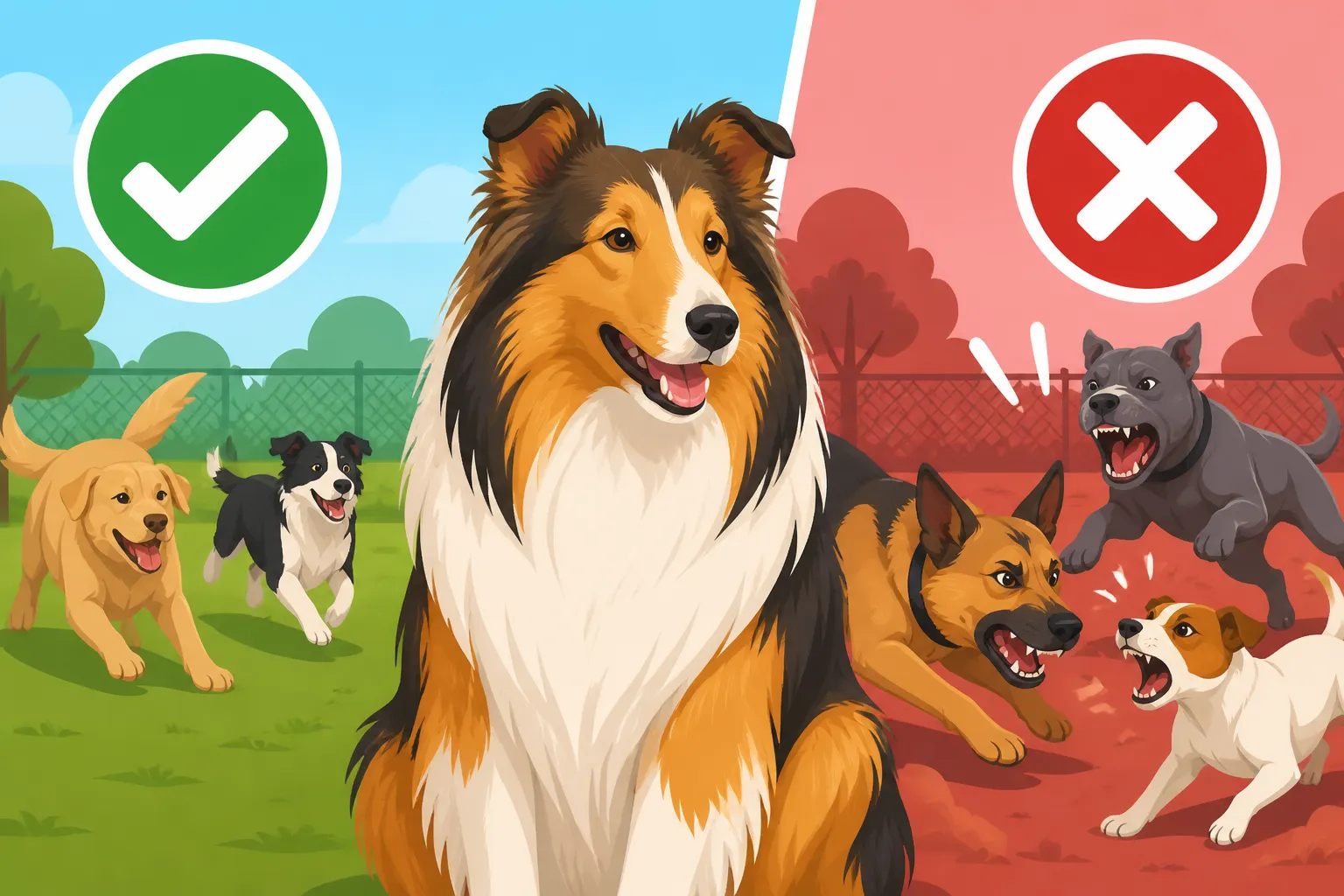
Many dog parks, unfortunately, are not designed with the nuanced needs of breeds like the Collie in mind. They're often large, open spaces where dogs of all sizes, temperaments, and training levels are thrown together with minimal supervision. This creates a highly unpredictable environment. Imagine trying to have a quiet, thoughtful conversation in the middle of a bustling carnival; that’s often what a dog park feels like to a sensitive Collie. The sheer volume of stimulation – sights, sounds, smells, and rapid movement – can be overwhelming, leading to a state of hyper-vigilance rather than relaxed play.
The lack of consistent owner supervision is another significant issue. We all want to believe every dog owner is attentive, but the reality is that many are distracted by their phones, chatting with other people, or simply unaware of their dog's behavior. This means that if a rude or aggressive dog approaches your Collie, a timely intervention might not happen. Your Collie, being non-confrontational, might endure unwanted attention or even bullying, which can erode their confidence and make them wary of future dog interactions. How to Build Confidence in a Nervous Collie becomes much harder if they're constantly put in stressful situations where they feel vulnerable. It’s an uphill battle if their positive associations are constantly undermined.
Furthermore, the play styles of different breeds vary wildly. A Labrador might love body-slamming, a Jack Russell might enjoy relentless chasing, and a Bulldog might prefer wrestling. A Collie, often preferring a more chase-and-be-chased type of play, or even just parallel walking, can easily be misunderstood or overwhelmed by these more physical play styles. They don't typically enjoy being jumped on or tackled without an invitation. A persistent, high-energy dog trying to engage a Collie in a way it doesn't appreciate can quickly escalate into a stressful situation, leaving your Collie feeling cornered or anxious. This isn't to say all dog park encounters are bad, but the odds are often stacked against the sensitive Collie finding truly enjoyable, appropriate play, especially if Whether a Collie Is Naturally Timid.
Assessing the Risks and Benefits of Dog Parks for Collies
Potential Downsides: Overstimulation, Bullying, and Disease
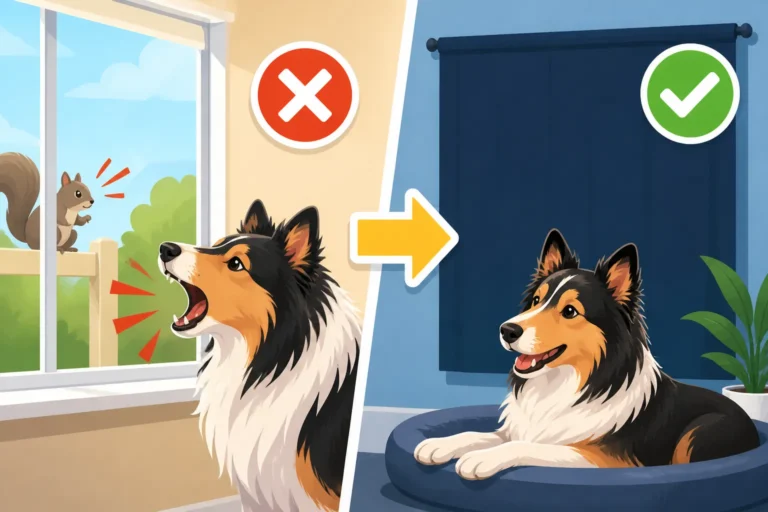
Let’s be realistic about the risks. Overstimulation is a huge one for Collies. Imagine your dog trying to process dozens of new scents, sounds, and visual inputs all at once, for an extended period. This isn't just a mental workout; it can be incredibly taxing and lead to "over-arousal." An over-aroused Collie might start to bark excessively The Bark Is the Trait Collie Owners Underestimate, become frantic, or even become reactive later on due to the stress. This isn't healthy socialization; it's sensory overload that can have lasting negative effects on their demeanor and comfort level in public spaces. It can manifest as jumpiness, excessive panting, or even an inability to relax once you get home, creating a cycle of anxiety.
Bullying is another genuine concern. Many dog parks don't separate dogs by size or temperament, or the separations are often ignored. A large, boisterous breed might innocently bowl over a more delicate Collie, or a persistently rude dog might continuously harass your dog despite their attempts to signal discomfort. Collies, as we've discussed, are not generally equipped to stand their ground aggressively. They might try to flee, hide behind you, or simply endure the unwanted attention. A single negative experience can imprint strongly on a sensitive dog, making them fearful of other dogs in the future, even in safer, more controlled settings. It can undo weeks or months of careful socialization, potentially leading to issues like Whether a Collie Is Dog Reactive on Leash in other contexts.
Then there are the health risks. Dog parks are hotbeds for communicable diseases like kennel cough, canine influenza, and parasites. Even with regular vaccinations and parasite prevention, the sheer number of dogs coming and going, often from unknown backgrounds and with unknown health statuses, significantly increases the risk of exposure. Furthermore, injuries are not uncommon. Sprains, cuts, and even more serious wounds can occur from rough play, accidental collisions, or fights. For a breed like the Collie, which can be prone to certain health issues, adding unnecessary risk to their physical well-being is something to consider very seriously. A visit to the vet for an injury or illness is not only stressful but can also be costly.
When a Dog Park Might Work Under Specific Conditions
Now, let's not be entirely dismissive. There are some rare instances where a dog park might be acceptable for a Collie, but it requires incredibly careful selection and monitoring. First, consider timing. If you can find a dog park that is typically empty or has very few dogs during off-peak hours (early mornings, late evenings, or during weekdays), the risk of overwhelming your Collie diminishes significantly. Less dogs mean less chaos and more space for your Collie to explore at their own pace. This limited exposure might allow for some gentle sniffing and walking without the high-pressure interactions.
Second, the quality of the park and the caliber of its visitors are paramount. Look for a dog park that is well-maintained, offers separate areas for small and large dogs (though this doesn't guarantee good temperament), and most importantly, attracts responsible owners. If you consistently see owners actively supervising their dogs, intervening in inappropriate play, and picking up after their pets, it's a better sign. You're essentially looking for a unicorn: a dog park that functions more like a controlled playdate than a free-for-all. A truly responsible owner will remove their dog if it becomes overly excited or disruptive.
Third, your Collie's individual personality is key. Is your Collie one of the rare ones who genuinely enjoys the hustle and bustle, is confident, and has excellent social skills, knowing when to engage and when to disengage politely? Some Collies are indeed more outgoing and resilient than others. However, even for these rare individuals, continuous vigilance is crucial. You must be prepared to leave immediately if the dynamics shift, if a rude dog enters, or if your Collie shows any signs of stress. This means your phone stays in your pocket, and your eyes are on your dog at all times. It's not a place for you to socialize with humans; it's a place for you to manage your dog's experience, especially if they are sensitive to Whether a Collie Is Sensitive to Household Tension, let alone dog park tension.
Alternatives to Traditional Dog Parks for Collie Socialization and Exercise
For most Collies, and truly, for most dog owners who want to ensure their dog's safety and well-being, focusing on alternatives to traditional dog parks is a far more rewarding and safer path.
Structured Playdates and Small Group Settings
One of the absolute best ways to provide your Collie with appropriate social interaction is through structured playdates. Instead of the unknown, you get to hand-pick the playmates. Think about your friends, family, or neighbors who have well-socialized, polite dogs that match your Collie's play style. A calm, respectful Golden Retriever or another gentle herding breed could be an ideal companion. This allows for controlled interactions where you know the other dog's temperament, play style, and vaccination status. You can arrange these meet-ups in a securely fenced yard, a quiet trail, or even a rented sniff spot (private dog parks that you can book by the hour, which are gaining popularity). This removes the element of surprise that often overwhelms a Collie.
These small, controlled environments allow your Collie to genuinely enjoy canine company without the pressure of a chaotic public space. They can build confidence and develop appropriate social skills in a safe, predictable manner. You can observe their interactions closely and intervene if needed, ensuring positive experiences. Websites and apps exist now to help you find local dog owners interested in similar arrangements, sometimes filtering by breed or temperament. Consider joining a local Collie club or breed-specific meet-up group; these are goldmines for appropriate social interactions. Many of us find our best dog friends through these avenues, building a network of trusted playmates. This is how you foster Whether a Collie Gets On With Other Dogs in a truly beneficial way.
Engaging Your Collie in Alternative Activities
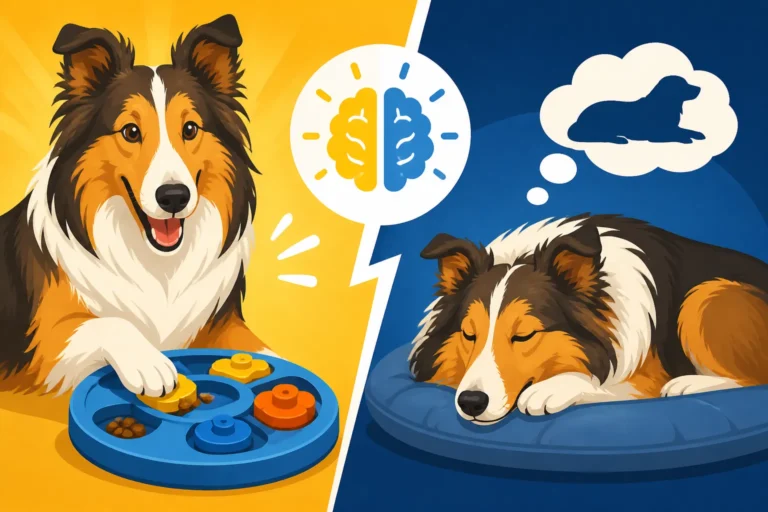
Collies are intelligent and enjoy mental stimulation just as much as physical exercise. Forty Five Minutes a Day, and Half of It in Its Head is a concept many Collie owners swear by, emphasizing the importance of engaging their minds. There are countless activities that offer both mental and physical benefits, fostering their well-being far better than a stressful dog park.
Here are some excellent alternatives:
- Hiking and Nature Walks: Collies love to explore. Taking them on varied trails, in parks (on leash, of course), or even exploring new neighborhoods provides rich sensory experiences and excellent physical exercise. The natural environment is often less overwhelming than a busy urban park, offering a chance for them to sniff and investigate at their own pace.
- Canine Sports: Collies excel in activities that tap into their intelligence and agility. Consider Rally Obedience, standard Obedience, Agility, or even Scent Work. These sports build a strong bond between you and your Collie, provide immense mental and physical engagement, and offer a controlled social environment with other like-minded dog owners. Many training facilities offer classes that are perfect for beginners, allowing your Collie to shine. Whether a Collie Excels at Rally and Obedience is a resounding yes!
- Enrichment Toys and Puzzle Feeders: At home, puzzle feeders from brands you can easily find on Amazon, like Kong or Nina Ottosson, can keep your Collie mentally stimulated and happy. They require problem-solving, which Collies relish, and can be a great way to "work" for their meals, turning mealtime into a brain game.
- Training Classes: Basic obedience, advanced obedience, trick training – Collies are eager to learn and please. Training sessions, even short ones throughout the day, provide mental exercise and reinforce your bond. Many online programs, such as those offered by BAXTER & Bella, provide comprehensive training guidance that you can follow at home, tailoring the experience to your Collie's individual pace and comfort. This allows for socialization in a structured, guided way rather than a free-for-all.
- Neighborhood Walks: Simple, consistent walks in your neighborhood provide exercise and allow your Collie to observe the world at a safe distance. This can be fantastic for building confidence and habituation to different sights and sounds without direct, uncontrolled interaction. It provides a Whether a Collie Needs a Predictable Routine which can be very comforting.
- Flirt Poles and Tug Games: These can provide intense bursts of physical activity and satisfy a Collie's chase drive in a controlled way, without needing other dogs. Always ensure games are fair and reinforce good manners, like dropping the toy on command.
| Activity Type | Benefits for Collies | Potential Downsides | Best Environment |
|---|---|---|---|
| Dog Parks | High energy release, potential varied social interaction (if carefully managed) | Overstimulation, bullying, disease risk, unpredictable play, conflicts with herding instinct, anxiety for sensitive dogs | Large, open, often chaotic public space |
| Structured Playdates | Controlled social interaction, safe environment, known playmates, build confidence, tailored play style | Requires effort to organize, limited partners, depends on compatible dogs | Secure yard, private sniff spot, quiet park, friend's home |
| Canine Sports | Mental stimulation, physical fitness, bond building, controlled social interactions, builds focus | Requires time and financial investment, might need travel, structured learning environment | Training facility, fenced arena, agility course |
| Hiking/Nature Walks | Sensory enrichment, physical exercise, lower stress, exposure to varied terrains | Requires leashing, possible wildlife encounters, weather dependent | Trails, quiet parks, wooded areas, open fields |
| Training Sessions | Mental engagement, strengthens bond, builds confidence, improves manners, problem-solving skills | Requires consistency and patience, can be time-consuming | Home, quiet park, dedicated training space, online platforms |
By opting for these more deliberate and controlled forms of exercise and socialization, you are prioritizing your Collie's unique temperament and ensuring their experiences with the outside world, and with other dogs, are overwhelmingly positive. This leads to a happier, more confident, and better-adjusted companion, which is what we all truly want for our Collies. The Age a Collie Finally Settles is often a reflection of how well we manage their early experiences and provide appropriate outlets for their energy and intelligence, making thoughtful choices about their social life now will pay dividends in their overall well-being.
Disclaimer
This article is for general informational purposes only and does not constitute professional advice. Laws, prices and regulations vary by location and change over time. Consult a qualified professional for guidance on your specific situation.