Whether a Collie Is Competitive in Obedience
It’s a common scenario for Collie owners: you’re watching an obedience trial, maybe at a local kennel club or even on a national broadcast, and you see all these dazzling dogs, often Border Collies or German Shepherds, zipping through routines with lightning speed and intense focus. You look at your own beautiful, thoughtful Collie, perhaps curled up beside you, and a question sparks in your mind: could my Collie do that? Could they genuinely be competitive in the challenging world of competitive obedience? The answer, like with most things Collie, isn't a simple yes or no, but a nuanced exploration of their unique temperament and capabilities, and this guide will dive deep into how Collies truly shine in the obedience ring, even if it's not always in the way you might first imagine.
The Collie Temperament in the Obedience Ring
Collies are known for their stunning looks, their loyalty, and their keen intelligence. But intelligence alone doesn't guarantee a top obedience title. Their specific temperament, a blend of sensitivity, thoughtfulness, and an unwavering bond with their handler, profoundly shapes their performance in the obedience ring. This isn't a breed that operates on sheer, frantic drive; they require a different kind of partnership, one built on trust and mutual respect.
The Sensitive Soul and Positive Reinforcement
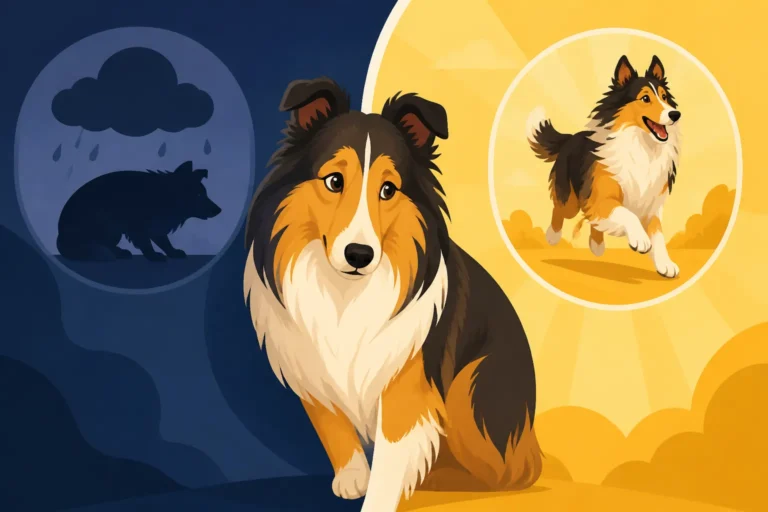
One of the most defining characteristics of a Collie is their sensitivity. They are incredibly attuned to their human's moods, intonations, and even subtle body language. This can be a double-edged sword in obedience. On one hand, it means they are highly responsive to positive reinforcement, eager to please the person they adore. A gentle word, a happy tone, or a favorite treat can motivate a Collie immensely. They thrive on praise and encouragement, blossoming under a kind and consistent hand. You'll find that a cheerful "Good job!" means the world to them, often more than a physical reward, especially once they understand the exercise.
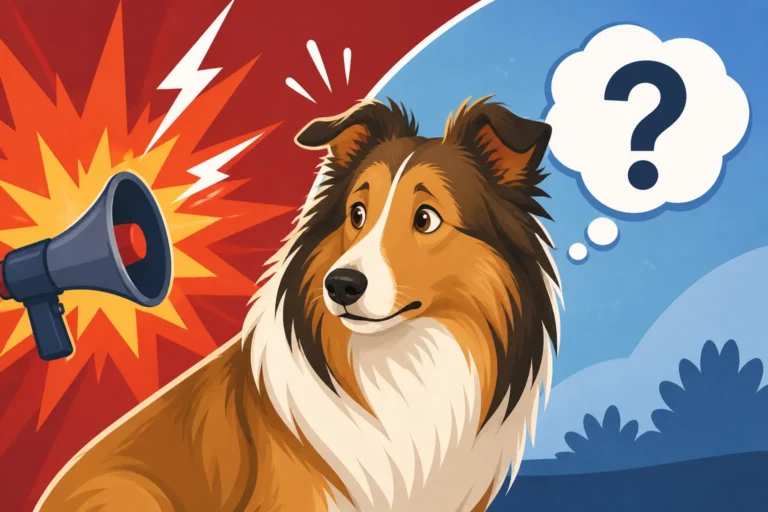
However, this sensitivity also means they are easily discouraged by harsh corrections, raised voices, or impatience. A sharp reprimand, which another breed might shrug off, can cause a Collie to shut down entirely, becoming withdrawn and hesitant. They don't typically "fight back" or become aggressive; instead, they might simply refuse to engage, looking away or offering slower, less enthusiastic responses. It’s not stubbornness, it’s often a subtle protest against being misunderstood or feeling pressured. Training a Collie successfully in obedience means becoming a master of positive reinforcement and maintaining an atmosphere of calm, patient encouragement. Trying to force a Collie into compliance will almost always backfire, eroding the trust that is foundational to their performance. Harsh Handling Breaks a Collie and It Does Not Come Back isn't just a dramatic statement; it's a profound truth that defines how these dogs learn and grow.
The Thinking Dog Versus the Driven Dog
Unlike some herding breeds that are bred for intense, almost frenetic drive and immediate, instinctive action, Collies are often described as "thinking" dogs. They process information, observe their environment, and consider their actions. While they can certainly move with grace and speed, they don't always operate on the same hair-trigger responsiveness that some other breeds exhibit. This thoughtfulness can lead to incredible precision and beautiful, flowing routines, but it might also mean a slight delay in response time, particularly if they are trying to ascertain why you've given a command or if they are distracted by something in the environment.
This means that while a Border Collie might respond to a "sit" command before you've even fully articulated the word, a Collie might take a beat, process it, and then execute it perfectly. For competitive obedience, this difference in reaction speed can sometimes impact scores, but it doesn't diminish their overall capability or intelligence. Their careful consideration can also make them less prone to impulsive errors or "zoomies" in the ring if they've been properly prepared. They prefer to understand the expectation fully and then deliver a polished performance, rather than guessing and reacting at top speed. It’s about quality and understanding over sheer velocity. How Long a Collie Takes to Learn a New Cue often depends on the depth of understanding, not just rote memorization.
Training Approaches for Obedience Success
Given the Collie's unique temperament, specific training approaches tend to yield the best results for competitive obedience. It's about building a strong foundation of trust, clear communication, and making the training process enjoyable and rewarding for both dog and handler.
Building a Foundation of Fun and Consistency
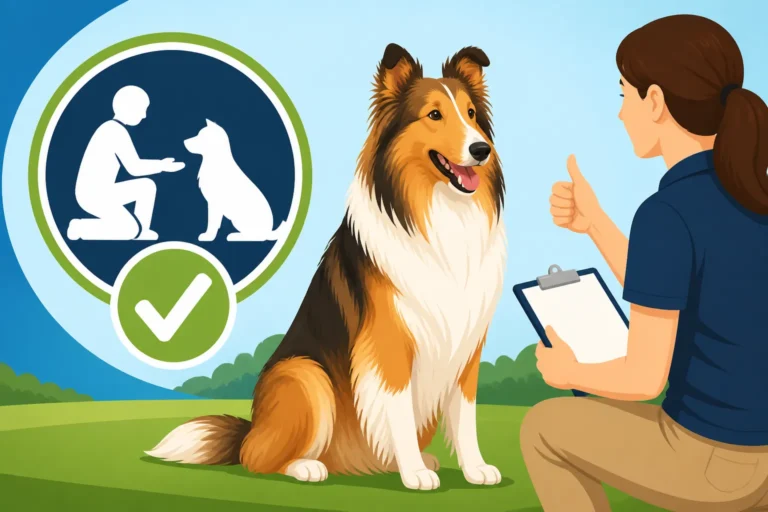
The key to unlocking a Collie's potential in obedience is to make every training session a positive and engaging experience. Collies thrive on mental stimulation and genuinely enjoy learning when it feels like a game or a puzzle they get to solve with their favorite person. Start with short, upbeat sessions, ending before your Collie shows any signs of boredom or fatigue. Use high-value treats and enthusiastic praise to mark correct behaviors immediately. Early socialization and exposure to different environments, sounds, and people are also crucial. A confident Collie is a focused Collie, less likely to be distracted or overwhelmed in a trial setting. Resources like online puppy programs, such as those offered by BAXTER & Bella, can be invaluable for laying this early groundwork, ensuring a well-rounded and confident pup.
Consistency is another non-negotiable aspect of Collie training. They are creatures of habit and excel when they know what to expect. This means using the same cues for commands, practicing regularly, and having predictable routines. Even seemingly small details, like consistently rewarding good eye contact or prompt responses, contribute to a strong foundation. A Collie that understands their routine and trusts their handler is far more likely to perform under pressure. Remember, Whether a Collie Needs a Predictable Routine isn't just about comfort; it's about setting them up for success.
Harnessing Their Desire to Please and the Power of the Bond
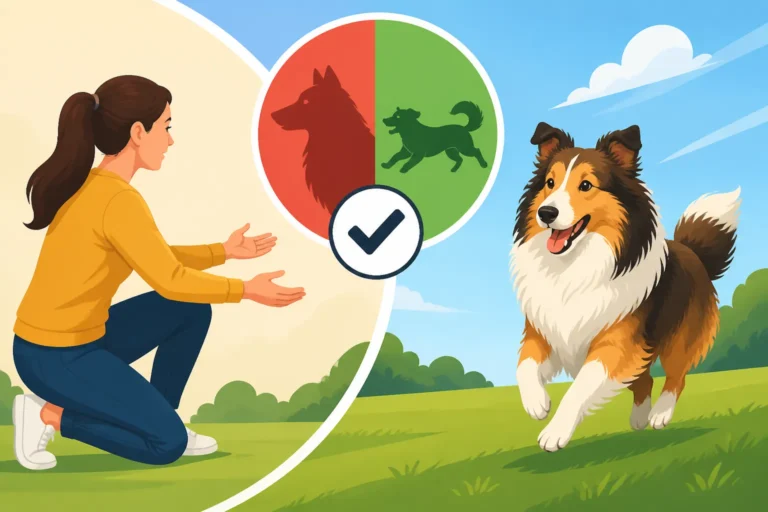
While Collies aren't typically driven by an insatiable desire to "work" in the frantic, high-intensity way some breeds are, they have an incredibly strong desire to please their primary human. This bond is your greatest asset in obedience training. They want to connect with you, to understand your wishes, and to earn your approval. Focus on fostering this connection above all else. Spend time outside of training building that bond through play, cuddles, and simply enjoying their company. When they feel truly connected and valued, they will go above and beyond for you in the ring.
This profound connection also means that a Collie will read your emotional state. If you are stressed, frustrated, or anxious during training or a trial, they will pick up on it and often mirror that feeling. Maintaining a calm, confident, and positive attitude is paramount. Think of yourself as their unwavering leader and cheerleader. They look to you for guidance and reassurance. Many experienced Collie handlers will tell you that the most successful obedience teams are those where the bond is almost palpable, where the handler and dog move as one, communicating almost telepathically. What Motivates a Collie often boils down to this deep connection and mutual respect.
Overcoming Challenges and Shining in the Ring
Despite their many wonderful qualities, Collies do present some specific challenges in competitive obedience that handlers need to be aware of. However, these challenges are far from insurmountable and, with the right approach, Collies can and do achieve remarkable success.
Distraction Management and Environmental Sensitivity
One common hurdle for Collies in the obedience ring is their environmental awareness and sensitivity to distractions. Because they are "thinking" dogs and highly observant, they can be more prone to noticing other dogs, interesting smells, unexpected sounds, or even changes in the judge's demeanor. Where another dog might laser-focus on the handler regardless of external stimuli, a Collie might take a moment to assess the situation. This isn't necessarily a fault, but it can affect their speed and precision in a timed exercise.
To counteract this, early and consistent exposure to varied environments is crucial. Practice in busy parks, near other dogs, and even simulate trial conditions with friends acting as "judges" and "spectators." Gradually increase the level of distraction, always ensuring your Collie remains engaged and successful. Maintaining high-value rewards in distracting environments can help a Collie learn to prioritize your cues over ambient stimuli. Consider using interactive puzzle toys or specialized treat dispensers found on Amazon during breaks to keep their mental focus sharp and reward patience in a distracting setting. Remember that How to Build Confidence in a Nervous Collie involves gradual exposure and positive experiences, not throwing them into the deep end.
The Barking Predisposition
Collies are known for their voices. While beautiful, their tendency to bark can be a significant challenge in the quiet, focused atmosphere of an obedience trial. This isn't malicious barking; it's often a form of communication, excitement, or even anxiety. A Collie might bark to "help" you, to express their enthusiasm, or if they're unsure about an exercise.
Addressing barking for obedience involves understanding its root cause. If it's excitement, channel that energy into the work. If it's anxiety, work on building confidence and desensitizing them to triggers. Consistent "quiet" cues, reinforced heavily, are vital. Some handlers find that giving their Collie a specific job or focusing exercise before entering the ring helps to channel their energy. During training, reward silence generously. It’s a battle of consistency, but with patience, a Collie can learn to keep their voice under control in the ring. Whether a Collie Can Be Taught a Quiet Cue is definitely possible with the right approach and dedication.
Beyond Traditional Obedience: A Collie's Versatility
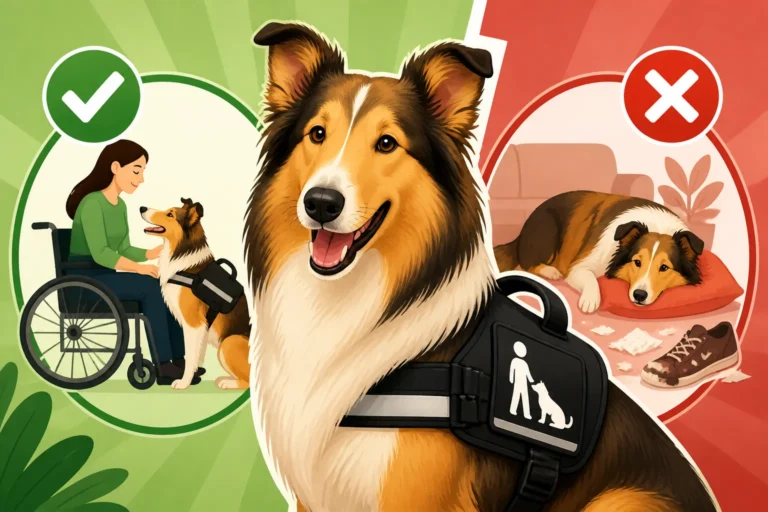
While Collies may not always be the flashiest, fastest competitors in every single obedience category compared to some other breeds, their intelligence, trainability, and deep bond with their handlers make them incredibly versatile. They can certainly be competitive and excel, but their true strength often lies in their ability to perform with grace, thoughtfulness, and an almost elegant precision.
Precision and Teamwork
In obedience, particularly at higher levels, precision and teamwork are paramount. A Collie's natural inclination towards thoughtful action, rather than impulsive speed, can actually be an advantage here. They are capable of executing complex sequences with beautiful accuracy, making smooth transitions between commands, and maintaining a focused gaze on their handler. While a fraction of a second might be lost on a quick recall compared to a Border Collie, that can be made up for in the exactness of their sit-stay, the straightness of their fronts, or the perfect heel position. Judges often appreciate the quiet dedication and flowing performance of a well-trained Collie team. It’s less about raw speed and more about a harmonious dance between dog and handler.
Many Collies thrive in the nuanced demands of advanced obedience exercises, where understanding the entire sequence and anticipating subtle body cues from their handler are more important than sheer velocity. Their ability to read a room, and more importantly, to read you, means they are exceptionally good at working as a cohesive unit. This is why many Collie owners find immense joy and success in the sport, not just for the ribbons, but for the incredible partnership it fosters. Whether a Collie Is Competitive in Obedience isn't just about winning, it's about demonstrating the pinnacle of partnership.
Other Sports Where Collies Shine
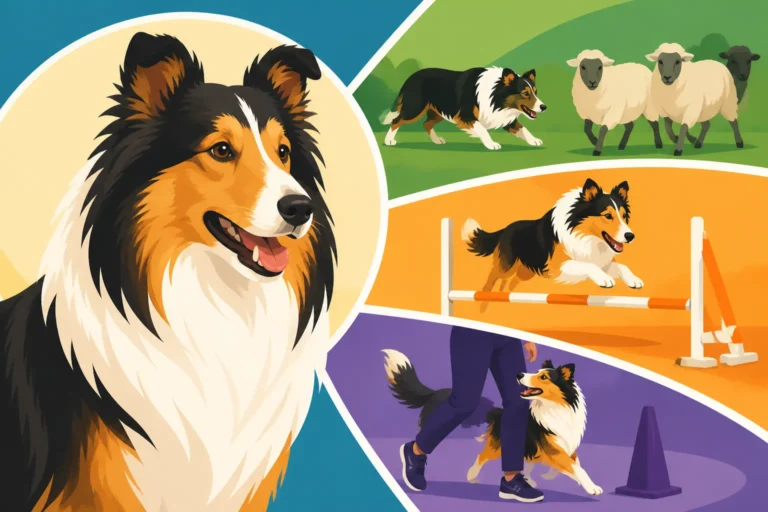
If traditional obedience isn't quite the right fit, or if you simply want to explore other avenues, Collies excel in a myriad of other dog sports that still demand teamwork, intelligence, and focus. Rally obedience, for example, is often a fantastic fit. It's more forgiving of minor imperfections and encourages handler-dog communication through a course of signs. Collies with their biddable nature and desire to work with their person absolutely shine in Rally.
Beyond that, Collies can also be fantastic in scent work, where their keen noses and methodical approach make them excellent problem-solvers. They often enjoy agility, though their larger size and more moderate speed might mean they don't always dominate the fastest classes, they can still perform with accuracy and enthusiasm. And, of course, their heritage is in herding, and many Collies still possess a strong instinct that can be developed in herding trials. Exploring these various outlets allows you to find the perfect niche for your Collie's specific talents, proving their versatility and intelligence far beyond a single discipline. Herding, Rally and the Sports a Collie Was Made For offers a great look into their natural inclinations.
In conclusion, a Collie is absolutely competitive in obedience. They might not always follow the path of the fastest, most intense competitors, but they bring a unique blend of intelligence, sensitivity, and a profound desire to connect with their handler that makes them truly special in the ring. With patience, positive reinforcement, and a deep understanding of their temperament, a Collie can achieve incredible things, demonstrating beautiful precision, thoughtful execution, and an undeniable bond that is a joy to behold. It’s about celebrating their unique strengths and fostering the incredible partnership they offer.
Disclaimer
This article is for general informational purposes only and does not constitute professional advice. Laws, prices and regulations vary by location and change over time. Consult a qualified professional for guidance on your specific situation.