Whether a Neutered Collie Gains Weight
Post-neutering weight gain in Collies results from hormonal shifts that lower metabolism and increase appetite.

Post-neutering weight gain in Collies results from hormonal shifts that lower metabolism and increase appetite.
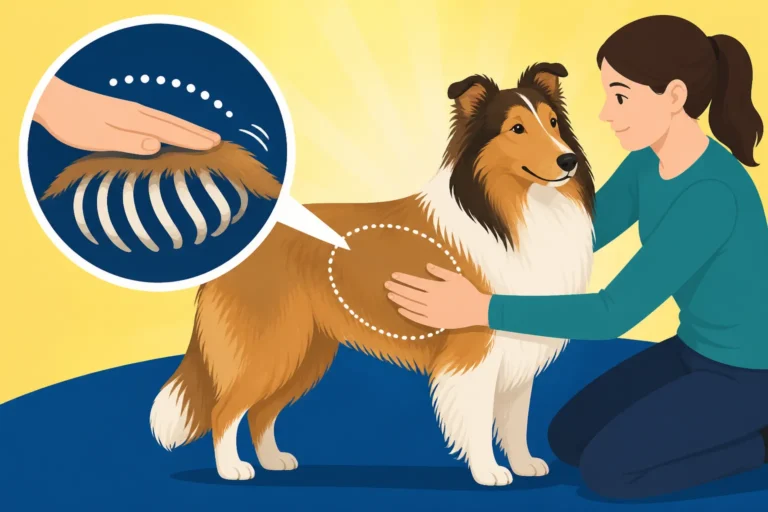
Collie weight assessment through thick fur requires running hands along the rib cage using a hands-on palpation method.
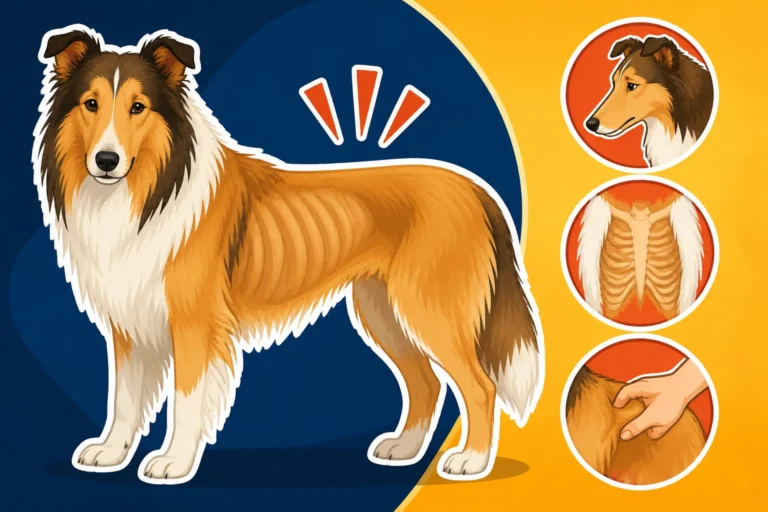
Collie body condition assessment helps owners check for hidden weight loss beneath thick double coats and know when to talk to a veterinarian.
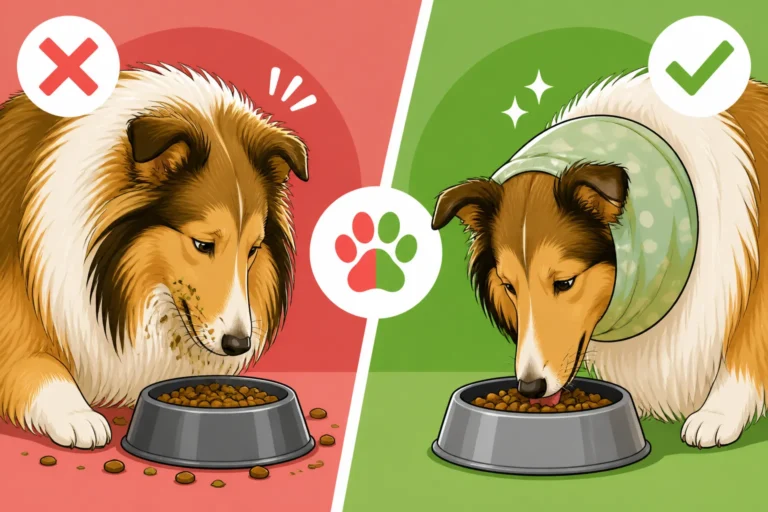
Collie mealtimes involving messy manes and wet frills can improve with a simple snood, reducing grooming hassles and food contamination.

Collie frills trap food, kibble crumbs, and water during meals, requiring careful cleaning to prevent discomfort.
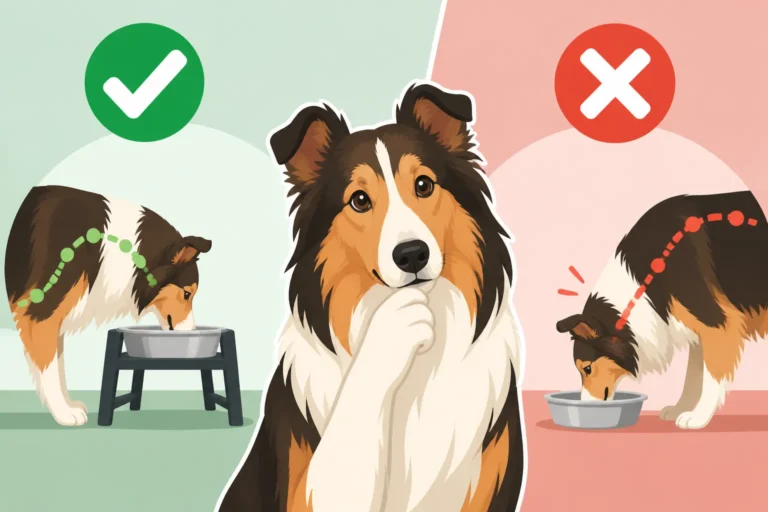
Raised feeding bowls for tall Collies affect neck comfort, joint strain, and the dangerous medical condition called bloat.
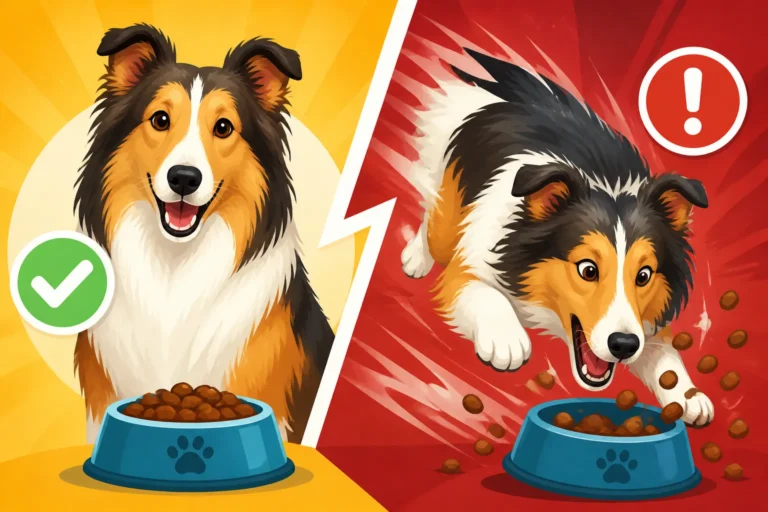
Fast eating in Collies stems from instincts, early experiences, or medical factors, carrying significant health risks.

Collie feeding schedules and twice-daily meals explain digestion, metabolism, energy levels, and bloat risk reduction.
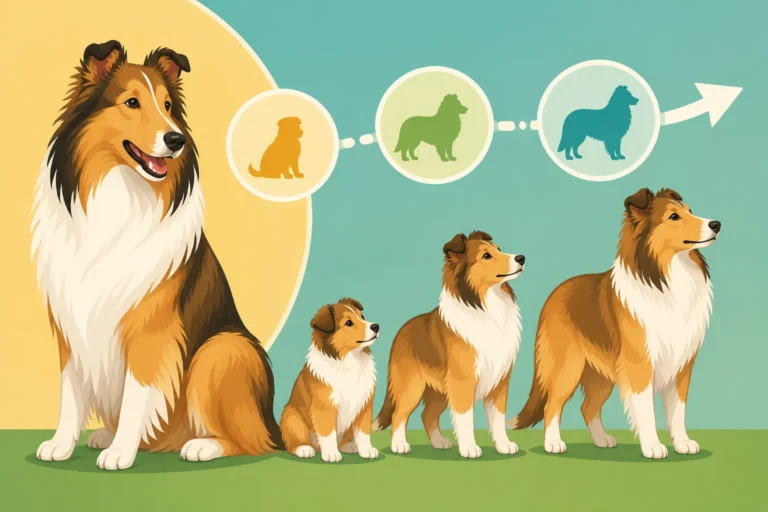
Collie development timelines explain when growth plates close and bodies reach full adult weight by age three.
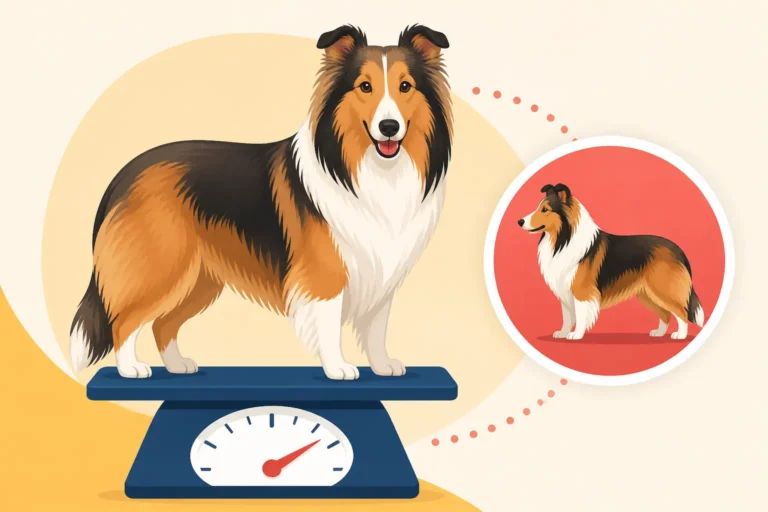
Adult female Collie weight ranges from 50 to 65 pounds, while height stands around 22 to 24 inches at the shoulder.