Ears, Feet and the Small Jobs on a Collie
While the majestic coat of a Collie often grabs all the attention, and rightly so, it's easy to overlook the myriad of "smaller" grooming tasks that are absolutely essential for their health, comfort, and overall well-being. These aren't just minor details; neglecting a Collie's ears, feet, or teeth can lead to serious discomfort, painful infections, and expensive veterinary bills down the line. This guide will walk you through these crucial, yet often underestimated, aspects of caring for your beloved Collie.
Caring for Those Beautiful Collie Ears
A Collie's ears, whether they are perfectly tipped, fully erect, or soft-set, require diligent attention. Tucked beneath that glorious mane, they can be prime spots for dirt, moisture, and even parasites to hide, leading to uncomfortable and potentially serious issues. Proper ear care isn't just about aesthetics; it's about preventing pain and maintaining your dog's quality of life.
Keeping Them Clean and Healthy
Regular ear cleaning is fundamental, even if your Collie doesn't seem to have any immediate problems. The long hair around and inside a Collie's ears can trap debris and reduce airflow, creating a warm, moist environment perfect for bacterial or yeast overgrowth. Imagine trying to hear through matted hair and wax buildup – not a pleasant thought! A good routine involves checking your Collie's ears several times a week, especially after outdoor adventures, and cleaning them every one to two weeks, or as advised by your veterinarian.
To clean them, you'll need a vet-approved ear cleaning solution and some cotton balls or gauze. Never use cotton swabs inside the ear canal, as this can push debris further in and potentially damage delicate structures. Gently lift your Collie's ear flap, squirt a small amount of solution into the ear canal, and massage the base of the ear for about 30 seconds. You might hear a squishing sound, which means the solution is breaking down wax and debris. Let your Collie shake their head – prepare for some spray! – then use a cotton ball to wipe away any visible dirt or excess solution from the outer ear and the visible parts of the canal. If you find yourself running low on quality cleaning solutions or cotton, online retailers like Chewy often have a wide selection, so you can easily restock.
Understanding Ear Tipping in Puppies
For many Collie owners, the "tipped" ear set is a hallmark of the breed's elegant appearance. This natural half-prick ear carriage often requires a bit of help during puppyhood to achieve that desired look. While not a health necessity, maintaining good ear health during this time is paramount. Puppy ears are particularly delicate and susceptible to infection if not managed correctly.
If you or your breeder choose to assist with ear tipping, it often involves a lightweight adhesive or tape applied for short periods as the cartilage strengthens. During this process, it's crucial to keep the skin under the tape clean and dry to prevent irritation or infection. Regularly checking for redness, swelling, or any foul odor beneath the tape is vital. Even if you don't engage in tipping, the ear leather in Collie puppies can be quite soft, making them more prone to flopping or collecting debris. Early training to allow ear handling will make future cleaning much easier. Remember that "Whether a Collie's Ears Are Taped as a Puppy" is a choice, and proper hygiene is necessary regardless.
Recognizing Signs of Ear Issues
Collies, like many long-eared or heavily coated breeds, can be prone to ear infections. Knowing the signs can help you catch problems early, preventing pain and more complicated treatments. Common indicators of ear trouble include excessive head shaking, scratching at the ears, a foul odor emanating from the ear, redness or swelling of the ear flap or canal, discharge (which can be waxy, dark, or pus-like), or sensitivity when you touch their head. Your Collie might also tilt their head or seem generally uncomfortable.
If you notice any of these symptoms, it's time for a trip to the veterinarian. Don't try to treat a suspected infection yourself, as different types of infections (bacterial, yeast, mites) require specific medications. Left untreated, ear infections can become chronic, spread deeper into the ear, and even affect your Collie's hearing or balance. Early intervention is always best. The Age a Collie Is Considered Senior often brings new health challenges, and keeping an eye on their ears becomes even more important as they age and their immune systems might not be as robust.
The Foundation: Collie Paw Care
Your Collie's paws are their connection to the world, taking them on walks, runs, and adventures. Yet, they often bear the brunt of various terrains and conditions, making them susceptible to injury, dryness, or discomfort if not properly maintained. Regular paw care is a small investment that pays huge dividends in your Collie's mobility and happiness.
Regular Nail Trimming for Comfort and Health
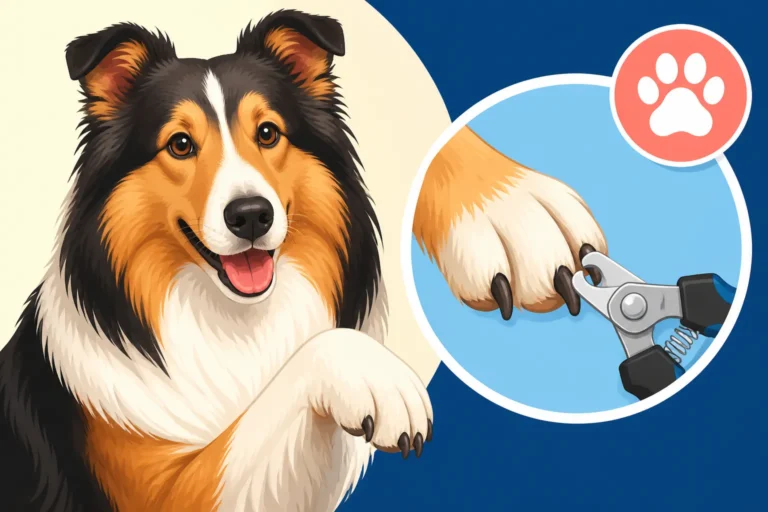
One of the most critical aspects of paw care is consistent nail trimming. Long nails are not just unsightly; they can be incredibly painful for your Collie. When nails grow too long, they can push up into the paw pads, causing discomfort with every step. Over time, this can lead to splayed toes, changes in gait that stress joints, and even painful ingrown nails if a dewclaw grows into the skin. Imagine trying to walk comfortably in shoes that are constantly jamming your toes – that's what long nails feel like to a dog.
Aim to trim your Collie's nails every 2-4 weeks, or whenever you hear them clicking on hard floors. If you're new to nail trimming, start slow and use sharp, good-quality clippers or a dremel tool. Many Collies don't particularly enjoy nail trims, so making it a positive experience from puppyhood with lots of praise and treats is key. If you're nervous about cutting too far back and hitting the "quick" (the sensitive part of the nail with blood vessels and nerves), only take off small amounts at a time. Products like styptic powder, readily available on Amazon, can quickly stop bleeding if an accident occurs. Learning How to Teach a Collie Puppy to Lie Still for Grooming includes nail trims, and it's a valuable skill for any Collie owner.
Trimming the Hair Between Paw Pads
The beautiful feathering on a Collie's legs often extends to their paws, with hair growing luxuriantly between their paw pads. While lovely, this hair can become a trap for debris. Dirt, burrs, small stones, ice, and even chewing gum can get tangled in the hair, causing irritation, matting, and discomfort. In winter, snow and ice can form painful balls between the pads. In summer, excessive hair can trap heat and moisture, contributing to yeast or bacterial infections.
Regularly trimming this hair flush with the paw pads is a simple yet effective way to prevent many paw-related problems. You can use small, blunt-nosed scissors or a small clipper designed for sensitive areas. Be incredibly careful, as the skin between the pads is delicate. Gently separate the pads and trim the hair, being mindful not to nick the skin. This small job significantly improves your Collie's comfort, traction, and overall paw hygiene.
Protecting Paws from the Elements
Collie paws, while hardy, aren't impervious to extreme conditions. Hot pavement in summer can cause painful burns, much like walking barefoot on scorching asphalt. In winter, ice, snow, and de-icing chemicals can dry out and crack paw pads, leading to discomfort and even infection. These environmental factors can be major sources of distress for your Collie.
To protect your Collie's paws, consider using paw balms or waxes before walks. These products create a protective barrier against harsh elements and help keep pads moisturized. Dog boots can also be an excellent option for extreme weather, whether it's scorching summer sidewalks or icy, salted winter streets. After walks, especially in winter, it's a good habit to wipe down your Collie's paws to remove any chemicals, salt, or debris that might be clinging to them. This prevents them from licking off harmful substances and keeps their pads healthy.
Dental Care: More Than Just a Pretty Smile
It's easy to admire a Collie's sweet expression and forget about what's going on inside their mouth. However, dental health is a cornerstone of overall canine well-being, and neglecting it can lead to far more than bad breath. Periodontal disease is incredibly common in dogs, and it can pave the way for serious systemic health issues that affect the heart, kidneys, and liver. Your Collie's teeth deserve as much attention as their magnificent coat.
The Importance of Regular Brushing
Just like with humans, the gold standard for maintaining good oral hygiene in dogs is regular tooth brushing. Ideally, you should aim for daily brushing, but even a few times a week can make a significant difference in preventing plaque and tartar buildup. Plaque, a sticky film of bacteria, forms constantly on teeth. If not removed, it hardens into tartar, which can only be removed by a professional dental cleaning under anesthesia. Tartar accumulation leads to gingivitis, which can progress to full-blown periodontal disease, characterized by gum recession, bone loss, and tooth decay.
To brush your Collie's teeth, you'll need a dog-specific toothbrush (or a finger brush) and enzymatic dog toothpaste. Never use human toothpaste, as it can contain ingredients harmful to dogs. Introduce brushing slowly and positively, letting your Collie taste the toothpaste first. Focus on the outside surfaces of the teeth, as these are where plaque tends to accumulate most. Lift their lips and gently brush in small circles. Consistency is key, and making it a routine part of your day will help your Collie accept it.
Alternatives to Brushing
While brushing is ideal, not every Collie or owner can manage daily brushing. Thankfully, there are several effective alternatives and supplements that can help maintain dental health, though they generally don't replace brushing entirely. Dental chews and treats specifically designed to reduce plaque and tartar can be very effective. Look for products that have been validated by veterinary dental organizations. Hard, digestible chews encourage chewing action that scrapes away plaque.
Water additives and dental wipes can also contribute to a healthier mouth. Water additives are simply added to your Collie's drinking water and work to reduce bacteria. Dental wipes are used to physically wipe plaque from tooth surfaces, offering a quick alternative to brushing on days when time is short. Some brands available through pet suppliers like Chewy offer a range of these dental care solutions. Even feeding a high-quality kibble, such as those offered by Ollie, can contribute to dental health by providing some abrasive action as your dog crunches their food, though this effect is often minimal.
Recognizing Dental Problems
Knowing what to look for can help you identify dental problems before they escalate. Bad breath, or halitosis, is often the first and most obvious sign of dental disease in dogs, and it's definitely not "dog breath." Other signs include yellow or brown tartar buildup on the teeth, red or swollen gums (gingivitis), bleeding gums, difficulty chewing, pawing at the mouth, decreased appetite, or even loose or missing teeth. Sometimes, you might notice your Collie is reluctant to let you touch their face or mouth.
If you observe any of these symptoms, it's crucial to schedule a veterinary dental exam. Your vet can assess the severity of the problem and recommend appropriate treatment, which often includes a professional dental cleaning under anesthesia. During this procedure, the vet can thoroughly clean beneath the gumline, polish the teeth, and address any extractions or other necessary treatments. Addressing dental issues early can prevent pain for your Collie and save you from more costly and invasive procedures down the road.
Eye Care: Keeping Those Soulful Eyes Bright
A Collie's eyes are often described as expressive and soulful, a window to their gentle nature. Maintaining their clarity and health is paramount, not just for their sight, but also as an indicator of overall well-being. Regular, gentle eye care prevents common irritations and allows you to spot more serious conditions early.
Gentle Cleaning and Monitoring
With their long coat, Collies can sometimes get stray hairs, dust, or debris irritating their eyes. It's not uncommon to see a little discharge or "sleep" in the corners of their eyes, especially after waking up. A simple, gentle daily cleaning can prevent buildup and keep their eyes bright and comfortable. Use a soft, damp cloth or a cotton ball soaked in plain warm water or a vet-approved eye wash solution. Always wipe away from the eye, starting from the inner corner and moving outwards. Use a fresh cloth or cotton ball for each eye to prevent any potential spread of infection.
While cleaning, take a moment to observe your Collie's eyes. Are they clear and bright? Are the whites of their eyes (sclera) white, or are they red? Is there any excessive tearing, cloudiness, or unusual discharge? Look for any signs of irritation, like squinting or rubbing their eyes. This brief check-in is an excellent habit to develop and gives you early warning if something is amiss.
Addressing Tear Stains and Discharge
Some Collies, particularly those with lighter coats, may develop tear stains—those reddish-brown streaks beneath their eyes. These stains are caused by porphyrins, pigments found in tears, and can also be exacerbated by yeast or bacterial growth in the moist area. While often an aesthetic concern, persistent or heavy tearing and staining can also indicate underlying issues like blocked tear ducts, allergies, or an eye irritation.
For cosmetic tear staining, keeping the area clean and dry is the first line of defense. Regular gentle wiping can help. There are also over-the-counter tear stain removers available, but always choose reputable brands and consult your vet before using any products around your Collie's eyes. If the discharge is thick, colored, or persistent, or if it suddenly appears, it's more than just a stain; it's a sign to seek veterinary attention. Issues like Collie Eye Anomaly Affects Most Collies, So Ask How Badly are serious genetic conditions, but even simple irritation requires attention.
When to Seek Veterinary Advice for Eye Issues
While minor discharge is normal, certain eye symptoms warrant immediate veterinary attention. These include: sudden onset of redness, swelling, cloudiness, or excessive discharge (especially if it's yellow or green); squinting, blinking excessively, or pawing at the eye; a visible injury to the eye; or any change in vision. If you notice your Collie is bumping into things or seems disoriented, this could indicate a vision problem.
Prompt veterinary care for eye issues is crucial because many conditions can rapidly worsen and lead to permanent damage or even blindness if left untreated. What might seem like a minor irritation could be a corneal ulcer, glaucoma, or another serious condition. When heading to the vet, it's useful to have a clear description of when symptoms started and any changes you've observed. What a Collie Owner Should Carry to an Emergency Visit might include notes on their history, especially concerning inherited conditions like eye issues.
The Sanitary Trim: Often Overlooked, Always Appreciated
With their voluminous coats, Collies need a little extra help staying clean and comfortable in certain areas that are easily forgotten during regular brushing. The "sanitary trim" might not sound glamorous, but it is one of the most practical and essential small grooming jobs you can perform for your Collie's hygiene and comfort.
Why a Sanitary Trim is Crucial
A sanitary trim involves carefully clipping the hair short around your Collie's anus and genitals. This might seem like a minor detail, but anyone who has dealt with "poop-on-pants" (fecal matter clinging to long hair around the rear end) will understand its importance. Long hair in this area can easily become soiled with urine or feces, leading to unpleasant odors, uncomfortable matting, and potential skin infections. It's not just an aesthetic issue; it's a serious hygiene concern that can attract flies, cause irritation, and make your Collie miserable.
Beyond preventing messes, a sanitary trim also helps with overall cleanliness and comfort. For females, it helps prevent urine scalding. For both sexes, it keeps the area cleaner, making it easier for them to relieve themselves without mess. It also makes it easier for you to quickly check for any skin irritations, parasites, or changes in stool consistency that might indicate a health issue. A clean rear end is a comfortable, healthy rear end!
How to Perform a Safe Sanitary Trim
Performing a sanitary trim at home requires a steady hand, appropriate tools, and a calm Collie. You'll need a good quality, quiet electric clipper with a short blade (like a #10 or #15). Never use scissors for this task, as the risk of accidentally cutting your dog's sensitive skin is too high. Ensure your Collie is comfortable and relaxed; a treat or two can work wonders. If your Collie is especially anxious about clippers, consider a professional groomer or vet tech for the first few trims.
Gently lift your Collie's tail (it helps to have a second person if your dog is wiggly). Carefully clip the hair around the anus in a circular motion, keeping the blade flat against the skin to avoid nicks. For males, also trim the hair around the penis, and for females, around the vulva, being extra cautious of the sensitive skin. Go slowly, and if the hair is matted or very long, consider carefully using blunt-nosed scissors to remove the bulk before using clippers, ensuring there’s a comb between the scissors and the skin. Remember, less is more initially. The goal is to keep the area clear, not to create a bald patch. If you're unsure, ask your vet or a professional groomer for a demonstration.
Other Small but Mighty Grooming Tasks
Beyond the primary areas of ears, feet, and dental care, there are a few other 'small jobs' that contribute significantly to your Collie's health and happiness. These tasks are often quick but can make a big difference in preventing discomfort or catching health issues early. Integrating them into your routine ensures comprehensive care.
Dewclaw Maintenance
Many Collies have dewclaws, which are essentially thumbs on their front legs (and sometimes rear, though less common). These claws don't typically touch the ground, meaning they don't wear down naturally like the other nails. Because of this, dewclaws can easily grow too long, curl around, and dig into the paw pad, causing immense pain and potential infection. It's a surprisingly common oversight that can lead to lameness if neglected.
Regularly check your Collie's dewclaws and trim them with the same frequency as their other nails, if not more often. Some owners prefer to have them removed by a vet, especially if they are frequently getting caught or injured. If your Collie has dewclaws, make sure they are part of your routine nail trimming. Don't forget them just because they're a little out of the way!
Anal Gland Expression (When Necessary)
This is perhaps the least pleasant "small job," but it's important to be aware of. Dogs have two small anal glands (sacs) located on either side of the anus, which normally express a foul-smelling liquid when they defecate. Sometimes, these glands don't express properly, leading to discomfort, impaction, or even infection. Signs that your Collie might need their anal glands expressed include "scooting" their rear end along the ground, excessive licking at their rear, a foul fishy odor, or difficulty defecating.
While some groomers offer this service, it's generally best left to a veterinarian, especially if your Collie is showing signs of discomfort or if you've never done it before. Improper expression can cause trauma or rupture the glands. If you suspect an issue, a quick vet visit can provide relief and prevent more serious problems like abscesses, which can be very painful and require surgical drainage.
Checking for Lumps, Bumps, and Parasites
Every time you engage in these smaller grooming tasks—brushing out ears, trimming nails, or giving a sanitary trim—you have a unique opportunity to perform a mini-health check. Use your hands to feel all over your Collie's body, paying close attention to areas you don't usually touch during a quick pet.
Feel for any new lumps, bumps, or skin tags. Are there any areas of sensitivity or pain? Check for fleas or ticks, especially during warmer months, by parting the coat and looking closely at the skin. Feel along their legs for any swelling or tenderness. This hands-on approach allows you to detect subtle changes that might be early indicators of health issues, such as tumors, cysts, skin infections, or injuries. Early detection often means easier and more successful treatment. This is part of the holistic approach to Caring for a Collie Past Nine, where vigilance for health changes becomes even more critical.
Integrating Small Jobs into Your Routine
It's easy to feel overwhelmed by the sheer volume of grooming a Collie requires, especially with that magnificent coat. But by breaking down these "small jobs" and integrating them consistently into your routine, they become manageable and less daunting. The key is consistency, positive reinforcement, and having the right tools on hand.
Making Grooming a Positive Experience
No dog enjoys being poked, prodded, or having their nails trimmed if it's a stressful event. The secret to successful grooming, especially these more intimate "small jobs," is to make it a positive, calm, and rewarding experience for your Collie from the very beginning. Start handling your Collie's ears, paws, and mouth gently from puppyhood, even if it's just for a few seconds. Pair these touches with high-value treats and praise.
Keep sessions short, especially initially. Don't try to do everything at once if your Collie is still learning to tolerate it. If they become anxious or resistant, take a break and try again later. Never punish your Collie for being uncomfortable during grooming, as this will only worsen their association with the experience. Over time, with patience and positive reinforcement, most Collies will learn to tolerate, and some might even enjoy, their grooming sessions.
Supplies for the Small Jobs
Having the right tools is half the battle when it comes to effective grooming. Trying to trim nails with dull clippers or clean ears with inadequate solution can turn a simple task into a frustrating ordeal. Invest in good quality, dog-specific supplies.
Here’s a quick checklist of essential items for these "small jobs":
| Task | Essential Tools | Optional/Helpful Tools |
|---|---|---|
| Ear Care | Vet-approved ear cleaner, Cotton balls/gauze | Ear powder (if prone to moisture), Hemostats |
| Paw & Nail Care | Nail clippers (guillotine or scissor style), Styptic powder | Dremel/grinder, Paw balm/wax, Blunt-nosed scissors (for paw hair) |
| Dental Care | Dog toothbrush/finger brush, Enzymatic dog toothpaste | Dental chews, Water additives, Dental wipes |
| Sanitary Trim | Quiet electric clipper (#10 or #15 blade) | |
| General Health Checks | Grooming gloves, Bright flashlight (for ear/mouth inspection) |
Many of these items, from ear cleaner to nail clippers, can be found conveniently on platforms like Amazon or specialized pet stores like Chewy. Always ensure they are reputable brands and appropriate for dogs.
The Long-Term Benefits of Diligence
While these small grooming jobs might feel like a chore sometimes, the long-term benefits for your Collie are immeasurable. Consistent care prevents painful conditions, costly vet visits, and unnecessary discomfort. A Collie whose ears are clean, whose nails are trimmed, and whose teeth are healthy is a much happier, more comfortable dog.
Beyond physical health, these regular, hands-on sessions strengthen the bond between you and your Collie. They teach your dog trust and patience, and they give you an intimate understanding of their body, allowing you to quickly spot any changes that might indicate a health concern. So, don't underestimate the power of these "small jobs." They are a vital part of responsible Collie ownership and contribute immensely to your furry friend's quality of life. What a Collie's Coat Care Costs Over a Lifetime can be greatly reduced by proactive home care, including these small but significant tasks.
Disclaimer
This article is for general informational purposes only and does not constitute professional advice. Laws, prices and regulations vary by location and change over time. Consult a qualified professional for guidance on your specific situation.