How Much Hair Comes Off a Collie in a Session
Let's be honest, living with a Collie means living with hair. It's a truth universally acknowledged by anyone who shares their home with these magnificent dogs. You might be staring at a veritable tumbleweed of fluff drifting across your hardwood floors right now, wondering just how much hair can possibly come off one dog in a single grooming session. The answer, my friend, is often more than you'd ever anticipate, especially if you have a Rough Collie, and this guide is here to prepare you for the magnificent, often overwhelming, reality of their double coat.
The Great Unveiling: How Much Hair Really Comes Off a Collie
When you dive into a proper grooming session with your Collie, especially if it’s been a little while or if they’re going through a seasonal “coat blow,” prepare yourself for what might feel like an endless snowfall of fluff. It’s not just a few stray hairs; we’re talking about actual piles of soft, downy undercoat that seem to emerge from nowhere.
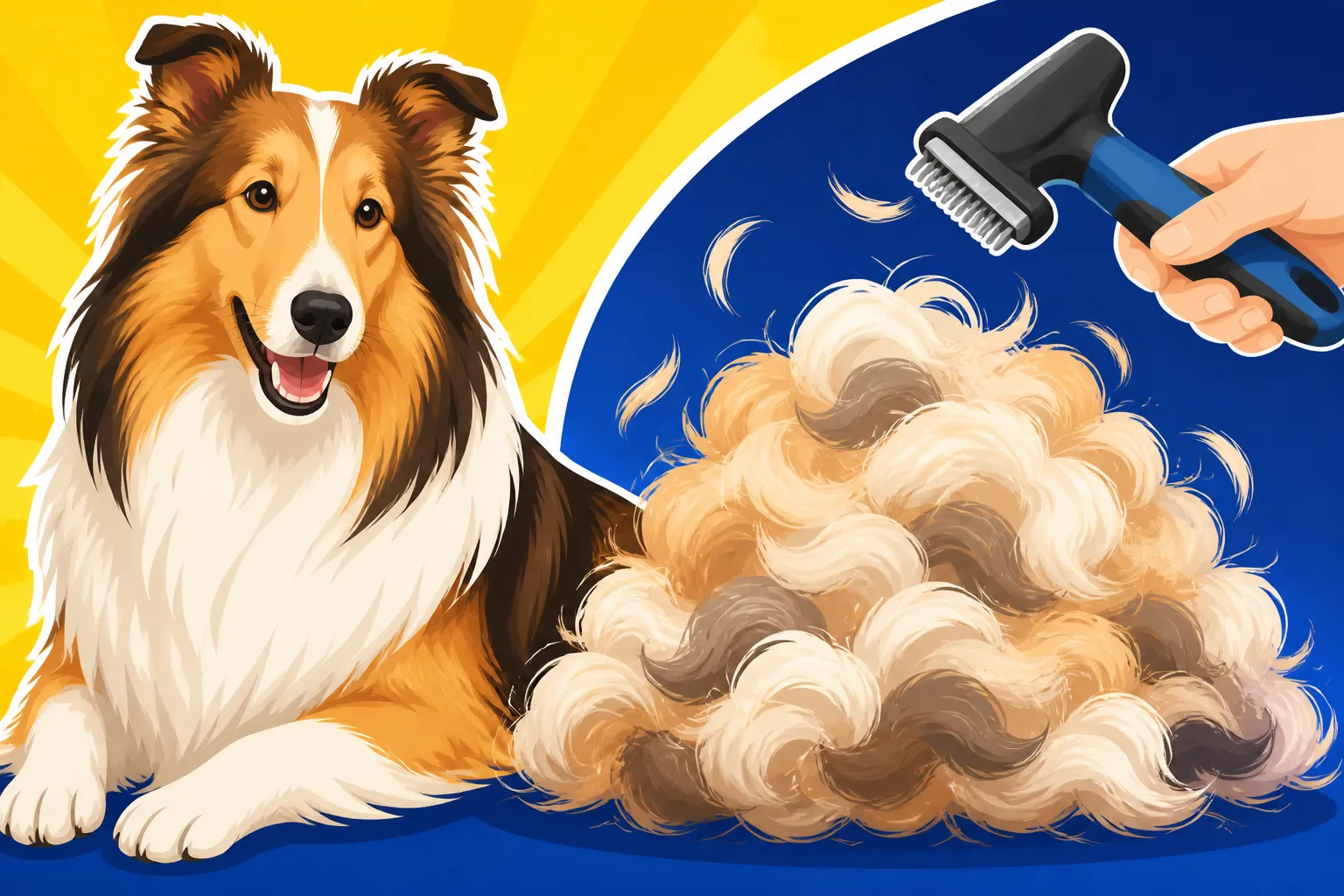
For a Rough Collie, in a regular weekly brushing session, you might easily fill a small grocery bag with shed hair. We’re not exaggerating. This isn't just surface hair; this is the dense undercoat being released. If you've been lax with your grooming routine, or if your Collie is actively "blowing coat" (shedding their entire undercoat), that small grocery bag can quickly turn into a kitchen trash bag, sometimes even two. I’ve seen seasoned Collie owners fill a full-sized outdoor waste bag in a single, intense grooming marathon during peak shedding season. It truly is a spectacular amount.
Smooth Collies, while appearing to shed less because their hair is shorter, still produce a surprising quantity of dense, coarse undercoat. You might not see the same dramatic drifts of fluff, but a good brushing session will still yield a significant handful – or several – of hair, clinging to your brush and floating in the air. While it won't be quite the same volume as their rough-coated cousins, a Smooth Collie owner will certainly still be familiar with the shedding battle.
Visualizing the Volume: Piles, Clouds, and Tumbleweeds
Imagine brushing your Collie and watching the hair build up on the brush. You pull it off, form a soft, cottony ball, and place it beside you. Repeat. And repeat. Soon, you have a growing mound, resembling a miniature cloud or a fluffy pillow. During a heavy coat blow, this process feels relentless. The air can become visibly hazy with fine hairs, and every stroke of the brush releases another cloud.
It’s often said that a Collie can shed enough hair to make another Collie, and while that’s a slight exaggeration, the sentiment isn't far off. You'll likely encounter moments where you wonder if your dog has an infinite supply of fur tucked away. The sheer volume can be shocking, especially for first-time Collie owners. You'll also quickly learn that this isn't just about what comes off the dog; it’s about what ends up clinging to your clothes, furniture, and every nook and cranny of your home. A clean sweep of the house an hour after a brushing session will inevitably reveal new dust bunnies, often made entirely of Collie fur, silently congregating under furniture or drifting across the floorboards.
This isn't a flaw in the breed; it's simply the reality of living with a double-coated dog. Their magnificent coats, which offer insulation and protection, come with the trade-off of regular, sometimes prolific, shedding. Embracing this reality and preparing for it is key to maintaining both your dog’s health and your sanity.
Unpacking the Factors Behind the Fluff Flood
The quantity of hair your Collie sheds in any given session isn't just random; it's influenced by several key factors. Understanding these can help you anticipate the volume and adjust your grooming strategy accordingly.
The Seasonal Shed: Blowing Coat Twice a Year
The most dramatic shedding events for Collies occur during what's known as a "coat blow." This typically happens twice a year, usually in spring and fall, coinciding with changes in temperature and daylight hours. In spring, they shed their thick winter undercoat to prepare for warmer weather, and in the fall, they shed their lighter summer coat to grow in a denser one for winter.
During these periods, the amount of hair coming off your Collie can be truly staggering. This isn't just loose hairs; it's huge clumps of dead undercoat that detaches from the skin. If you grab a handful of their coat, you'll feel the looser undercoat sliding away. This is when your vacuum cleaner becomes your best friend, and you might consider brushing your Collie outdoors to spare your indoor air quality. The Three Weeks Twice a Year When a Collie Buries Your House describes this phenomenon in detail, and it’s a reality all Collie owners face.
Indoor Collies, especially those living in temperature-controlled environments, might experience a more constant, year-round shed rather than distinct coat blows. Their bodies don't get the same strong seasonal cues, so they release hair more gradually throughout the year, albeit still in significant quantities. This can sometimes feel like a never-ending battle against floating fur.
Health and Hormones: Hidden Influences on Hair Loss
A Collie's general health, diet, and hormonal status can significantly impact the amount and quality of their coat, and thus, how much they shed. A well-nourished Collie with a healthy skin and coat will still shed, but their hair might be stronger and their shedding cycles more predictable. Poor nutrition, on the other hand, can lead to a dull, brittle coat and excessive, unhealthy shedding. Feeding a high-quality diet, perhaps like what Ollie offers with its fresh, custom meals, can contribute to healthier skin and a more robust coat, potentially reducing excessive non-seasonal shedding.
Hormonal changes, particularly those associated with spaying or neutering, can also affect a Collie's coat. Some Collies develop a "spay coat" or "neuter coat," which can be thicker, longer, and more cottony, leading to increased matting and shedding. Whether a Spayed Collie's Coat Changes delves deeper into this particular aspect of coat management. Pregnancy and lactation in female Collies are also periods of significant hormonal shifts that can result in substantial hair loss after puppies are weaned.
Underlying health issues, such as thyroid problems, allergies, or skin conditions, can also manifest as increased or abnormal shedding. If you notice sudden, excessive hair loss, bald patches, or skin irritation, it's always wise to consult your veterinarian to rule out any medical concerns. A healthy dog, while still shedding, will have a more predictable and manageable coat.
Taming the Tsunami: Strategies for Managing Collie Hair
Dealing with the sheer volume of hair a Collie produces requires a proactive approach and the right tools. It’s not just about what you do during a dedicated grooming session, but how you integrate hair management into your daily routine.
The Right Tools for the Job: Your Grooming Arsenal
You simply cannot win the shedding battle without the correct equipment. Forget flimsy brushes; Collies require robust tools designed to penetrate their dense double coat.
| Tool Type | Primary Purpose | Effective For | How It Helps Manage Shedding |
|---|---|---|---|
| Pin Brush | Daily detangling, surface coat smoothing | Long outer coat, removing loose hair from the top layers | Gathers loose surface hair and helps prevent tangles |
| Slicker Brush | Removing mats, addressing dense undercoat | Mats, knots, areas prone to tangles (behind ears, feathering) | Breaks up mats and pulls out significant amounts of dead undercoat |
| Undercoat Rake | Deep undercoat removal, especially during coat blows | Dense undercoat, thickest areas like the ruff and breeches | Reaches deep to pull out vast quantities of loose undercoat |
| Wide-Toothed Comb | Finishing, checking for missed mats, feathering | Long feathering on legs and tail, checking for tangles | Gently detangles longer hair and ensures thorough brushing |
| High-Velocity Dryer | Blowing out loose undercoat, drying after baths | Entire coat, during coat blows and after bathing | Forcibly removes loose hair, making brushing more effective |
An undercoat rake is invaluable, especially during a coat blow. These tools are designed with specific teeth that reach beneath the coarser outer guard hairs to pull out the softer, dead undercoat without damaging the topcoat. Used correctly, it can remove an incredible amount of hair in a single session. Which Four Brushes a Collie Owner Needs provides a detailed look at selecting the right tools for your Collie. You can find high-quality brushes and rakes on platforms like Chewy or Amazon, often with reviews from other Collie owners.
Another indispensable tool is a high-velocity dryer. After a bath, or even just as a dry "blow-out" session, these dryers blast air through the coat, physically pushing out loose undercoat. It’s amazing how much hair can fly off your dog just from a good blow-dry, effectively doing some of the work your brushes would otherwise have to do. Whether a High Velocity Dryer Is Worth It for a Collie explores why this is such a game-changer for Collie owners.
Establishing a Consistent Grooming Routine
Regularity is your best weapon against hair accumulation. Ideally, a Rough Collie should be line-brushed at least twice a week, more often during a coat blow. Line brushing ensures you get down to the skin, section by section, preventing mats and effectively removing dead undercoat. Even if you don't see massive clumps coming off every time, consistent brushing prevents the buildup that leads to those shocking "another Collie" moments. How Often a Rough Collie Should Be Brushed offers guidance on frequency.
During a coat blow, daily brushing might be necessary. It can be time-consuming – How Long Brushing a Collie in Full Coat Takes can be an eye-opener – but it's far better to remove the hair proactively than to deal with matted fur or a constant shower of fluff throughout your home. Smooth Collies also benefit from regular brushing, perhaps every few days, to keep their coats healthy and manage shedding. While they may not require the intense sessions of a Rough Collie, consistency is still key.
Don't forget the small but mighty details. Regular nail trims are important, and keeping the hair between their paw pads trimmed can prevent tracking in dirt and reduce the amount of loose hair getting caught in their feet. Their ears should also be checked regularly for cleanliness, and the hair behind them, along with the frill and feathering on their legs, are notorious mat traps.
Living with the Legacy of a Double Coat
Embracing the reality of Collie hair means more than just grooming; it’s about adapting your home and lifestyle to coexist peacefully with the fluff.
Housekeeping Hacks for a Hair-Filled Home
No matter how diligent you are with brushing, some Collie hair will always find its way into your living space. Investing in a good vacuum cleaner, specifically designed for pet hair, is not a luxury, it’s a necessity. Many Collie owners swear by models that handle long hair without tangling and have strong suction. Regular vacuuming and sweeping become part of life.
Consider washable covers for furniture, especially in areas where your Collie loves to nap. These are lifesavers when it comes to containing hair and keeping your home fresh. Lint rollers will become your constant companions, living in your car, by the front door, and in your purse or backpack.
Some owners also find it helpful to designate specific "Collie zones" within the house where shedding is more tolerated, perhaps with durable, easy-to-clean flooring and furniture. While we adore our Collies, acknowledging their shedding impact on our homes helps manage expectations and maintain a sense of cleanliness. What a Collie's Undercoat Does to a Carpet highlights the pervasive nature of their shed hair.
Diet and Coat Health: Feeding for a Fuller, Healthier Mane
Beyond external grooming, what goes into your Collie's bowl can make a real difference to their coat health and shedding patterns. A diet rich in essential fatty acids, particularly Omega-3s and Omega-6s, can promote a healthier, shinier coat and reduce excessive shedding by strengthening the hair follicles.
Many high-quality dog foods include these beneficial fats. You might also consider adding a fish oil supplement to your Collie's diet, always checking with your vet first for appropriate dosage. Brands like Chewy offer a wide selection of supplements designed to support skin and coat health. While a supplement won't stop shedding entirely, it can improve the overall condition of the coat, making the hair stronger and potentially reducing breakage and unhealthy shedding. Whether Fish Oil Improves a Collie's Coat discusses these benefits further.
Remember, a healthy coat starts from within. A balanced diet designed for large, active breeds, with proper protein and fat levels, supports overall well-being, which in turn reflects in a beautiful, though still shedding, coat. While it might seem like a small detail, the quality of your Collie's diet is a foundational element in managing their magnificent, albeit sometimes challenging, hair.
Disclaimer
This article is for general informational purposes only and does not constitute professional advice. Laws, prices and regulations vary by location and change over time. Consult a qualified professional for guidance on your specific situation.