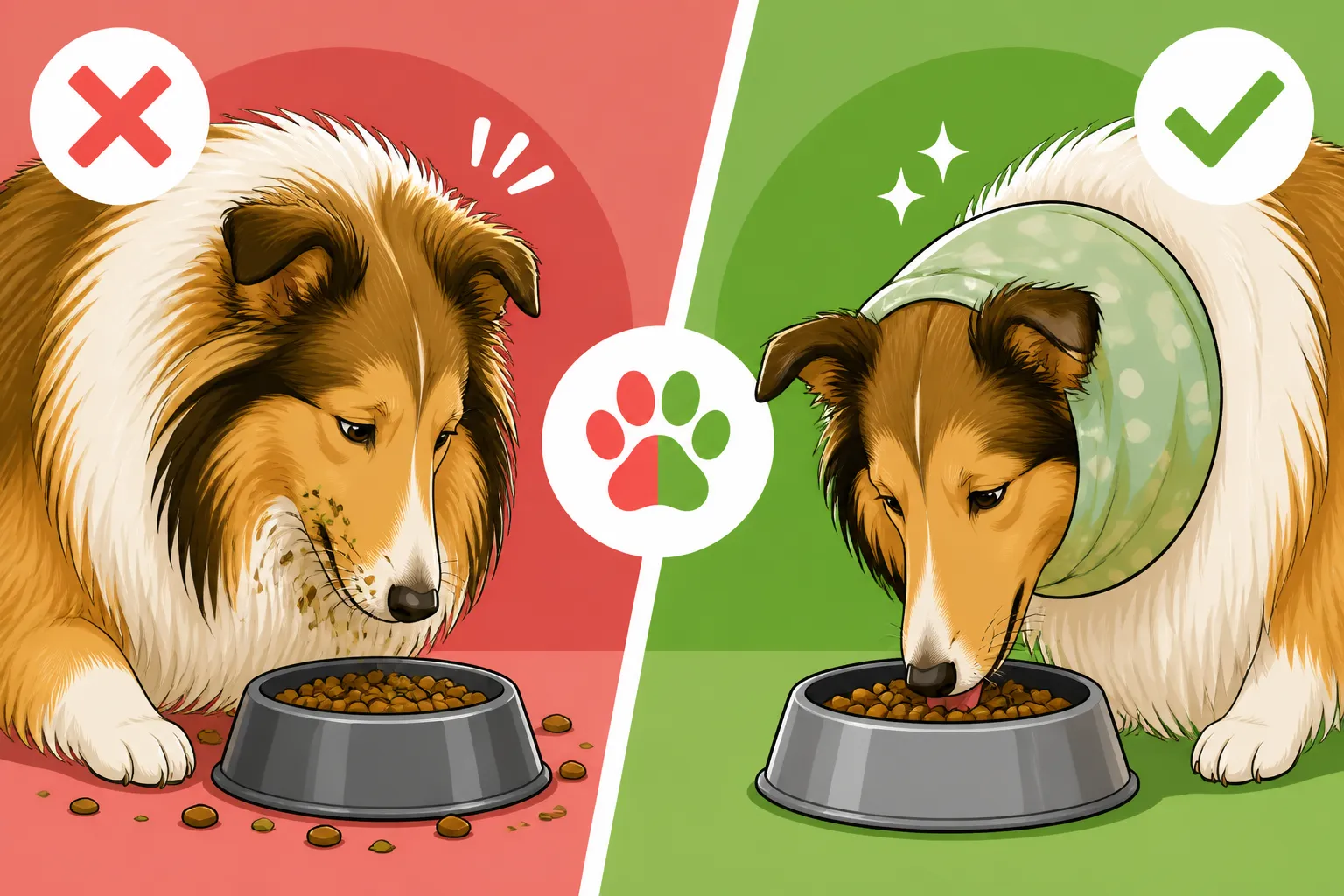
Whether a Snood Helps a Collie Eat
If you're a Collie owner, you know the frustration: that beautiful, flowing mane and frill often end up dragging through dinner, soaking up water, or generally making a royal mess. It’s not just a hygiene issue; it can be uncomfortable for your dog and lead to extra grooming headaches. This guide will dive deep into whether a simple snood can genuinely make mealtimes cleaner and more comfortable for your beloved Collie.
The Beautiful Burden: Why Collies Get So Messy at Mealtime
Collies are renowned for their stunning, abundant coats. We love them for it, but let's be honest, it comes with its own set of challenges, especially around the food bowl. It's not just a little stray hair; it's a whole production.
The Anatomy of a Messy Eater
Think about your Collie's head and neck. They have this magnificent "frill" of longer hair around their neck and chest, a lush mane framing their face, and often some softer feathering around their muzzle. When your Collie dips their head into a food bowl, all that glorious hair follows.
- Food Contamination: Wet food, kibble, or even soft treats get stuck in the fine hairs around their chin and muzzle. It then becomes matted, stiff, and quite frankly, rather gross. If not cleaned promptly, this can harden and become very difficult to brush out, leading to painful tangles or even skin irritation underneath the mats. Imagine trying to eat your dinner with half of it sticking to your face and beard – it’s not pleasant.
- Waterlogged Wonders: Even worse than food is the water bowl. Collies are typically enthusiastic drinkers. They plunge their muzzles in, and every strand of hair from their chin and frill acts like a wick, soaking up water. When they lift their heads, water drips everywhere – down their chest, onto your floor, and often creates a damp, smelly spot where they rest. This constant dampness on the chest can lead to skin issues or just a perpetually damp, cold feeling for your dog.
- The Frill Factor: The long hair on their chest, what we affectionately call the frill, is particularly vulnerable. It hangs low and collects anything and everything, from stray kibble pieces to muddy splashes if they've just had a drink outside. Whether a Collie's Frill Gets Food In It is a very common problem, and it's not just an aesthetic concern; prolonged dampness and food residue can harbor bacteria and lead to skin problems.
Impact on Grooming and Hygiene
All this mealtime mess adds considerable time to your grooming routine. Instead of just a regular brush-out, you might find yourself needing to spot-clean around their muzzle, dry their chest, and carefully comb out any stuck-on bits of food.
- Increased Brushing and Bathing: If you're not diligent, these small, sticky messes can quickly escalate into larger mats. Mats are not only painful to remove but can pull on the skin, restrict movement, and even hide skin infections. A matted frill or beard means more frequent baths or spot cleaning, which isn't always convenient for a double-coated breed like a Collie. Regularly checking and cleaning these areas becomes essential.
- Potential for Skin Issues: Constant dampness from water or residue from food can create a breeding ground for yeast and bacteria on the skin, especially in the warm, protected areas under the frill. This can manifest as red, itchy patches, skin irritation, or even an unpleasant odor. Preventing this means ensuring these areas stay as dry and clean as possible, which is a big ask when dealing with a Collie's eating habits.
- Household Cleanliness: And let's not forget your home! Dripping water, scattered kibble, and bits of soggy food on the floor aren't just unsightly; they can attract pests or create slip hazards. Many a Collie owner has slipped on a fresh puddle left by an enthusiastic drinker!
Enter the Snood: A Simple Solution for a Cleaner Collie
So, you're probably wondering what can be done about this delightful but messy eating habit. This is where the humble snood steps in, often becoming a game-changer for Collie owners.
What Exactly Is a Snood?
A snood is essentially a fabric tube, often made from soft, stretchy material, that slips over your dog's head and neck. Think of it like a protective sleeve for their ears and the long hair around their face and neck. It’s designed to keep all that beautiful fluff neatly contained and out of harm's way when they're engaging in activities that might get their ears or hair dirty, like eating or playing in muddy conditions.
- Purpose-Built Protection: While initially popular for long-eared breeds like Spaniels to keep their ears out of food, snoods quickly found their place among owners of long-coated breeds such as Collies. The goal is simple: create a barrier between the messy activity and the hair. For a Collie, this means the mane and frill are tucked away, preventing them from dragging through the bowl.
- Material and Design: Snoods come in various materials, from lightweight cotton blends to more durable water-resistant fabrics. The key is comfort and breathability. A good snood should fit snugly enough to stay on but not be so tight that it restricts movement or causes discomfort. Many have elasticized ends to ensure they stay in place around the face and the base of the neck. You can find them in all sorts of colors and patterns, turning a practical item into a fun accessory!
How a Snood Works Its Magic at Mealtime
Using a snood for your Collie at mealtime is remarkably straightforward and effective. It's a preventive measure that saves you a lot of clean-up time in the long run.
- Hair Containment: Before presenting the food or water bowl, you simply slip the snood over your Collie's head. The upper opening sits comfortably around their face, keeping the ear feathering, cheek hair, and muzzle fluff tucked inside. The lower opening gathers around the base of their neck, ensuring their chest frill is also protected. Now, when they dip their head to eat or drink, all that precious coat stays clean and dry, tucked safely within the snood.
- Reduced Dripping and Mess: With the hair contained, there’s far less surface area for water to cling to. When your Collie finishes drinking, the bulk of the water will fall back into the bowl or off the snood itself, rather than being wicked up by their fur and dripped all over your kitchen floor. The same goes for food—no more kibble stuck in beard hair! This drastically cuts down on the constant cleaning required after every meal and drink.
- Preventing Mats and Stains: By keeping the hair out of food and water, you prevent those stubborn mats that form when wet food dries into the fur. You also reduce the risk of staining, especially on lighter-colored Collies, from food residue or mineral deposits in water. This alone can save hours of careful brushing and potentially expensive dematting at the groomer. It’s a small investment for significant peace of mind and a healthier coat.
Choosing and Using a Snood for Your Collie
Alright, so you're convinced a snood might be the answer to your mealtime woes. But with so many options out there, how do you pick the right one, and how do you introduce it to your often-sensitive Collie?
Finding the Perfect Fit and Material
The effectiveness and comfort of a snood hinge on its fit and the material it's made from. You want something durable, easy to clean, and most importantly, something your Collie will tolerate.
- Size Matters: Snoods aren't one-size-fits-all. You'll need to measure your Collie's head circumference (just in front of the ears, around the broadest part) and their neck circumference to ensure a good, snug fit that isn't too tight or too loose. A snood that's too loose will slip off or still allow hair to fall out, defeating its purpose. One that's too tight could be uncomfortable or restrict breathing, which we definitely don't want. Most pet product retailers, like Chewy or those found on Amazon, provide sizing charts based on breed or measurements, so always check those before purchasing.
- Material Choices:
- Cotton or Cotton Blends: These are soft, breathable, and generally comfortable for most dogs. They're great for everyday use, but they can absorb liquids, so if your Collie is a super sloppy drinker, they might get damp.
- Fleece or Microfiber: These offer good warmth in cooler climates and can be quite soft. They might be a bit too warm for some Collies indoors, though, and can also absorb liquids.
- Water-Resistant Fabrics: Some snoods are made with lighter, smoother, or even water-resistant materials. These are excellent for serious drinkers or messy eaters as they won't soak up liquids, keeping the fur underneath truly dry.
- Consider Elasticity: Look for snoods with gentle, wide elastic bands at both ends. This helps the snood stay in place without digging into your Collie's skin. Avoid thin, tight elastic, which can be irritating.
Introducing Your Collie to a Snood
Collies are intelligent and often sensitive dogs. Springing a new garment on them without proper introduction can lead to suspicion or outright refusal. Patience and positive reinforcement are key here.
- Positive Association: Start by showing your Collie the snood. Let them sniff it. If they show interest, praise them and offer a high-value treat. Don't try to put it on yet. Repeat this a few times over a day or two.
- Brief Wear Times: Once they're comfortable with its presence, gently slip the snood over their head. Don't force it. The moment it's on, even for a second, praise lavishly and give a treat. Then immediately take it off. Gradually increase the duration it stays on, always pairing it with positive reinforcement.
- Mealtime Integration: When your Collie is comfortable wearing the snood for a minute or two, try putting it on just before mealtime. Present their food, and let them eat. The association of the snood with something positive (food!) will help them accept it more readily. If they try to paw it off, gently redirect them to their food. Take the snood off as soon as they're done eating.
- Consistency is Key: Make the snood a regular part of mealtime. Collies thrive on routine, and once they understand that the snood goes on for eating and comes off afterwards, they'll likely accept it without fuss. If your dog is particularly resistant, consider seeking advice from a professional positive reinforcement trainer.
Caring for Your Collie's Snood
Just like any other piece of fabric that encounters food and water, snoods need regular cleaning to remain hygienic.
- Daily Rinse and Dry: For minor splashes or dampness, a quick rinse under the tap and air dry might suffice.
- Regular Washing: For more substantial messes or after several uses, toss the snood into the washing machine. Use a gentle detergent and either air dry or tumble dry on a low setting. Having a few snoods on hand means you’ll always have a clean one available while another is being washed. You can find multi-packs of snoods easily on platforms like Amazon or Chewy, which makes rotating them simple.
Beyond the Snood: Other Strategies for a Cleaner Mealtime
While a snood is a fantastic tool, it's not the only way to tackle mealtime messes. A multi-pronged approach often works best, combining the snood with other smart strategies.
The Right Bowl Makes a Difference
Sometimes, a change in tableware can significantly reduce the amount of mess your Collie makes. Different bowl designs can make it harder for hair to dip in or for water to splash out.
- Narrow Bowls: For food, a bowl with a smaller diameter but deeper sides can help. This forces your Collie to put their muzzle further into the bowl, naturally keeping more of their frill and mane out of the food. Think of a bowl that's just wide enough for their muzzle.
- Slow Feeder Bowls: If your Collie tends to inhale their food, a slow feeder bowl can not only help with digestion but also reduce the frantic dipping that often leads to more mess. The obstacles in the bowl mean they eat more slowly and deliberately.
- Water Bowls with Rims or Floating Discs: For water, look for bowls designed to minimize splashing. Some have an inward-sloping rim, while others feature a floating disc that allows only a small amount of water to pool at the top. This reduces the volume of water available for enthusiastic lapping and drastically cuts down on drips. You can find a range of these specialized bowls at pet supply stores or online retailers like Chewy.
Here's a quick comparison of bowl types and their effectiveness for Collies:
| Bowl Type | Description | Pros for Collies | Cons for Collies |
|---|---|---|---|
| Standard Ceramic/Metal | Wide, open top, common design. | Easy to clean, durable. | Hair dips in easily, maximum splashing, food clings to hair. |
| Narrow Diameter | Deeper bowl with a smaller opening. | Keeps most frill/mane out of food/water. | May be less stable, harder for some Collies to access larger kibble pieces. |
| Slow Feeder | Features ridges or obstacles to slow eating. | Reduces frantic eating/drinking, less mess. | Can be harder to clean, might frustrate very food-motivated Collies initially. |
| No-Spill Water Bowl | Designs with elevated rims or floating discs to limit water access. | Drastically reduces water drips and puddles. | May require teaching your Collie to use it, can be pricier. |
| Elevated Bowls | Bowls set in a stand to raise them off the floor. | Can improve digestion, comfortable for taller dogs. | Doesn't directly prevent hair dipping or splashing if bowl design is standard. |
Grooming Routines and Other Hacks
Beyond specialized equipment, your regular grooming routine plays a huge role in managing mealtime mess. Prevention is always better than cure!
- Regular Brushing of the Frill and Beard: Even with a snood, regular brushing, especially around the frill, chest, and muzzle, is crucial. This keeps the hair free of tangles and mats, making it easier to clean if any accidents occur. How Long Brushing a Collie in Full Coat Takes is significant, but focusing on these key areas daily for a few minutes can save you bigger headaches later. A slicker brush followed by a metal comb can work wonders.
- Keep Hair Trimmed (Carefully): While we never shave a Collie, a very careful, minimal trim around the very edges of the mouth can sometimes help reduce the amount of hair that gets saturated. This is not a general coat trim, but a tiny tidy-up of the most problematic wisps, and if you’re unsure, ask a professional groomer. Whether a Collie's Feet and Hocks Are Tidied and other small areas can be trimmed for neatness, and the muzzle can sometimes benefit similarly.
- Designated Eating Space: Having a specific, easy-to-clean area for your Collie to eat and drink can contain the mess. A washable mat under their bowls, or even feeding them in a tiled kitchen or utility room, makes cleanup much simpler than trying to clean food out of carpet fibers.
- Immediate Clean-Up: Get into the habit of wiping your Collie’s muzzle and chest with a damp cloth immediately after they finish eating or drinking. This prevents any residue from drying and hardening, turning a five-second wipe into a ten-minute battle with a matted beard.
- High-Quality Food: Believe it or not, the type of food can sometimes influence the mess. Very crumbly kibble might create more loose particles that stick to the fur. Some wet foods are stickier than others. While you should always choose food based on your Collie's nutritional needs (and perhaps what a brand like Ollie offers, known for fresh, less messy options), being aware of its texture can help.
Combining a well-fitting snood with smart bowl choices and consistent grooming is often the winning formula for a cleaner, happier Collie and a much tidier home. It’s all about embracing those beautiful quirks and finding practical ways to live with them!
Disclaimer
This article is for general informational purposes only and does not constitute professional advice. Laws, prices and regulations vary by location and change over time. Consult a qualified professional for guidance on your specific situation.