Whether a Collie’s Ears Should Tip Over
One of the most defining characteristics of our beloved Collies, beyond that magnificent flowing coat and gentle expression, is often their ear set. Many new Collie owners or those simply admiring the breed wonder about those perfectly tipped ears – how do they get that way? Do all Collies naturally have them? It's a question that brings a bit of anxiety to some, especially if their puppy's ears seem to have a mind of their own. Don't worry, you're not alone in puzzling over this! This guide will walk you through everything you need to know about the Collie's ear carriage, from the breed standard to practical tips for those who choose to help their puppy's ears along.
The Signature Silhouette: Understanding the Collie's Tipped Ears
When you picture a classic Collie, whether it's the iconic Lassie or a champion show dog, there's a certain elegance to their head, framed by those expressive ears. The way their ears sit and "tip" is a hallmark of the breed's distinct appearance.
Defining the Ideal: What "Tipped Ears" Really Mean for a Collie
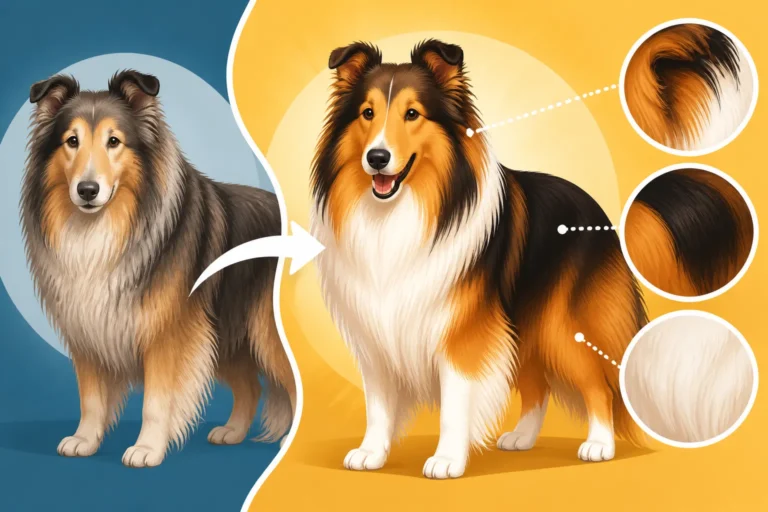
So, what exactly is a "tipped" ear in a Collie? It's not an ear that stands straight up like a German Shepherd's, nor is it one that flops entirely flat against the head like a Labrador's. Instead, the ideal Collie ear is described as being about one-quarter to one-third tipped. Imagine the ear standing erect from the skull, but then the top portion gently folds or "tips" forward and to the side, almost forming a soft curve. This creates a beautifully intelligent and alert expression, perfectly framing their long, refined muzzle and dark, almond-shaped eyes.
This specific ear set contributes significantly to the Collie's overall aesthetic, giving them that discerning, thoughtful look we all adore. It’s a delicate balance; too much tip, and they can look sleepy; too little, and they might appear stark or harsh. This nuance is why so many breeders and fanciers pay close attention to this particular detail.
More Than Just Looks: The Role of Ear Set in the Breed Standard
For those involved in showing Collies, the ear set is far from just a cosmetic detail – it's a crucial component of the breed standard. The standard, set forth by kennel clubs like the American Kennel Club, outlines the ideal characteristics of the breed, ensuring that Collies maintain their unique appearance and structure. An incorrect ear set can significantly impact a dog's placement in the show ring, often leading to disqualification or lower scores.
Breeders, therefore, spend a lot of time and effort striving to produce puppies with the correct ear carriage. It's part of preserving the classic Collie look that has been admired for generations, ever since Queen Victoria helped popularize the breed. For pet owners, however, while the ideal ear set is certainly beautiful, it's important to remember that it doesn't affect a Collie's health, temperament, or ability to be a loving companion. Your Collie will be just as wonderful with ears that stand straight or flop entirely, but for the show ring, it's a big deal. Whether a Collie's Expression Is Judged is something judges definitely look at, and ears play a huge part in that!
The Unpredictable Nature of Collie Ear Carriage
You might bring home a Collie puppy with perfectly folded ears, only to wake up one morning and find them standing straight up! Or perhaps they flop one day and stand the next. It's a common rollercoaster for new Collie parents, and it's all part of the fascinating, sometimes frustrating, journey of puppyhood.
When Genetics Play Their Own Tune: Variations in Natural Ear Set
The way a Collie's ears ultimately "set" is primarily genetic, but it's not always a straightforward inheritance. It's influenced by multiple genes, which means even if both parents have perfectly tipped ears, a puppy might still end up with ears that stand fully erect (often called "prick" ears) or lie completely flat ("hound ears"). It's one of nature's little surprises!
As puppies grow, their cartilage develops and hardens, and their adult ear set begins to emerge. This process is often tied to teething, which can cause calcium to be drawn away from cartilage, leading to ears that suddenly stand up. It's a phase that can last for weeks or even months. You might see one ear go up, then down, then the other, or both might go up like little antennae. This variability can be quite baffling, but it’s a perfectly normal part of a Collie's development. Don't be too quick to assume your puppy's ears are "wrong" until they're a bit older.
The Tipping Window: Why Timing Matters for Collie Ears
There's a critical period, often referred to as the "tipping window," during which a Collie's ears are most amenable to being set. This usually begins around 8 to 12 weeks of age and can extend up to 6 or 7 months, sometimes even longer for particularly stubborn ears. During this time, the ear cartilage is still somewhat pliable, making it possible to encourage the desired tip through gentle intervention.
Starting too early might be unnecessary, as many ears will naturally tip correctly on their own. Waiting too long, however, can mean the cartilage has already hardened into a permanent "prick" ear position, making it much more challenging, if not impossible, to achieve a natural-looking tip. This is why experienced breeders will often begin assessing and, if necessary, working with their puppies' ears during this window. It's a delicate balance of observation and intervention, knowing when to step in and when to let nature take its course. Many questions arise, like Whether a Collie's Ears Are Taped as a Puppy, and indeed, this is the prime time for it.
Guiding the Tip: Methods for Achieving the Desired Ear Set
For those who wish to achieve the classic tipped ear look, especially if they have aspirations for the show ring, there are a couple of widely accepted methods. It’s important to approach these techniques with patience, gentleness, and always prioritize your puppy's comfort and well-being. This isn't about forcing an ear into an unnatural position, but rather guiding it to set correctly.
The Gentle Art of Taping Collie Ears
Taping is perhaps the most traditional and common method used to encourage a Collie's ears to tip. The basic idea is to provide light support to the ear, gently weighting the tip so it folds over naturally. It's not about pulling the ears taut or making them rigid.
Here's a general overview of how it's often done:
- Preparation: You'll need some non-irritating medical tape (like athletic tape or porous paper tape), moleskin or soft felt, and some adhesive remover. Many owners find supplies easily on sites like Chewy or Amazon.
- Cleaning: Ensure the ears are clean and dry. Any dirt or oil can prevent the tape from sticking properly.
- Support Strip: Cut a small, narrow strip of moleskin or soft felt. This strip is placed inside the ear, vertically, to give the ear some gentle internal support without making it stiff. It should extend from the base up to where you want the tip to fold.
- Weighting the Tip: Once the support is in place, you’ll apply a small piece of tape across the tip of the ear, gently folding it over the moleskin. The goal is to create a soft, natural bend, not a crease. The weight of the tape helps gravity do its work.
- Securing: Another strip of tape can be wrapped around the lower part of the ear, just above the skull, to ensure the entire structure is stable. Be very careful not to wrap too tightly, as this can restrict circulation. You should always be able to easily slip a finger under any tape.
- Consistency: Ears are usually taped for a few days to a week, then removed for a day or two of "rest" and cleaning, before being re-taped if needed. This cycle continues until the cartilage hardens in the desired position. This can take anywhere from a few weeks to several months.
It's crucial to regularly check the ears for any signs of irritation, rubbing, or swelling. If you're unsure about the process, consult an experienced Collie breeder or your veterinarian for guidance. This is part of The First Year With a Collie Puppy's care plan for many owners.
Exploring Ear Gluing Techniques for Collies
Another method, often favored for its less noticeable appearance, is ear gluing. This involves using a specialized adhesive to gently hold the ear tip in place.
Here’s a simplified breakdown:
- Preparation: You'll need a suitable ear glue (often a surgical adhesive designed for skin), adhesive remover, and cotton swabs. Again, these are often available from pet supply retailers like Chewy or Amazon.
- Clean and Dry: Just like with taping, the ear must be thoroughly clean and dry to ensure proper adhesion.
- Apply Glue: A tiny dab of glue is applied to the very tip of the ear, on the inside. Then, the ear is gently folded over at the desired tipping point, and the glued area is held in place against the ear leather (the main part of the ear) until it sets.
- Gentle Hold: The glue creates a bond that holds the tip in place for a week or two, sometimes longer, before naturally wearing off or needing to be carefully removed.
- Observation: Monitor the ear for any redness or irritation. While less bulky than tape, glue still requires diligent checking.
Gluing is often considered a less "intrusive" method for a puppy, as there's no bulky tape. However, some dogs might be more sensitive to the adhesive, and it still requires consistent application and monitoring.
Common Pitfalls and Best Practices
Whether you choose taping or gluing, there are a few general principles that can make the process smoother and more successful:
- Patience is Key: Ear setting is rarely an overnight success. It requires consistent effort and a good deal of patience.
- Gentle Hands: Always be gentle when handling your puppy's ears. Pulling or forcing can cause pain and create a negative association with ear handling.
- Hygiene: Keep the ears clean and dry, especially during periods of taping or gluing. Moisture can lead to skin irritation or infections.
- Don't Over-Tighten: If taping, ensure the tape is never too tight. It should allow for normal blood circulation.
- Consult Experts: If you're new to ear setting, seek advice from an experienced Collie breeder or a veterinarian who is familiar with the process. They can show you the correct technique and help troubleshoot any issues.
- Consider Your Goals: For a beloved family pet, having perfectly tipped ears might not be a priority. For show prospects, it’s a critical detail that can impact What a Show Bred Collie Puppy Costs and its future success.
- Practice Handling: Even without taping or gluing, regularly handling your puppy's ears gently helps them get used to it. This can also be incorporated into teaching them to How to Teach a Collie Puppy to Lie Still for Grooming.
Here's a quick comparison of the ear set variations:
| Ear Type | Description | Commonness (Natural) | Impact on Show Ring | Pet Collie Significance |
|---|---|---|---|---|
| Tipped Ears | Stands erect for 1/4 to 1/3 of the way up, then folds gently forward/sideways. | Desired/Common | Ideal | Highly valued |
| Prick Ears | Stands fully erect, straight up from the skull. | Less common | Fault/Disqualification | No impact on companionship |
| Full Drop Ears | Lies completely flat against the side of the head, like a hound's. | Less common | Fault/Disqualification | No impact on companionship |
| Rose Ears | Folds back so the inside of the ear is visible. | Rare | Fault | No impact on companionship |
| High Set Ears | Set too far up on the skull, regardless of tip. | Less common | Fault | No impact on companionship |
Embracing Every Collie: When Ears Don't Tip Perfectly
Ultimately, the most important thing is to have a healthy, happy Collie, regardless of whether their ears conform perfectly to the breed standard. Many wonderful Collies live full lives with ears that are naturally prick or fully dropped, and they are no less cherished for it.
The Beauty of Prick and Full Drop Ears
If your Collie's ears decide to stand straight up like little triangles, or flop completely like a Spaniel's, it simply means they have a unique charm! Prick ears can give a Collie a very alert, almost wild look, highlighting their ancestral working dog heritage. Fully dropped ears can lend a softer, more puppy-like expression. Neither of these ear sets impacts a Collie's hearing, intelligence, or ability to bond with their family.
Many pet owners find these variations endearing and wouldn't change them for anything. There's absolutely nothing "wrong" with a Collie who doesn't have perfectly tipped ears. In fact, they often stand out in a crowd and are just as handsome or beautiful as their show-ring counterparts. Remember, Whether Prick Ears Disqualify a Collie is only relevant in a show context, not in the comfort of your home.
Prioritizing Health and Happiness Over Cosmetics
When considering whether to tape or glue your Collie's ears, it's essential to weigh the time commitment, potential stress on the puppy, and the purely cosmetic outcome against the overall well-being of your dog. For pet owners, the focus should always be on providing proper nutrition, training, and loving care, rather than obsessing over an aesthetic detail that holds no bearing on their quality of life.
A well-socialized, confident, and healthy Collie is far more important than one with "perfect" ears. While breeders and show enthusiasts dedicate considerable effort to achieving the ideal ear set, it's a personal choice for pet owners. If you decide against ear setting, or if your efforts don't result in the desired tip, know that your Collie is still a magnificent and cherished member of your family, just as they are. The bond you share is what truly matters, not the exact angle of an ear tip.
Disclaimer
This article is for general informational purposes only and does not constitute professional advice. Laws, prices and regulations vary by location and change over time. Consult a qualified professional for guidance on your specific situation.