Whether a Collie’s Eyes Need Wiping
It's a common sight for us Collie owners, isn't it? You wake up, your magnificent Collie stretches out, and as you gaze at their beautiful, expressive eyes, you notice a little bit of "sleepy dust" or maybe even some reddish-brown crust in the corners. Immediately, the question pops into your head: do I need to wipe this, and if so, how? Many of us worry about being too rough, or if it's even necessary, fearing we might cause irritation or overlook something serious. This guide is here to walk you through everything you need to know about keeping your Collie's eyes clean and healthy, from what's normal to when it's time to call the vet.
Understanding Eye Discharge in Your Collie: What's Normal and What's Not
Just like us, Collies produce discharge from their eyes. It's a natural function, much like our own "sleepies" in the morning. The key is knowing what's a normal part of their daily routine and what might be a red flag pointing to a deeper issue. It’s easy to get anxious about any discharge, especially with such a sensitive and beloved breed, but a little knowledge goes a long way in telling the difference.
The Everyday "Sleepies": What's Usually Harmless
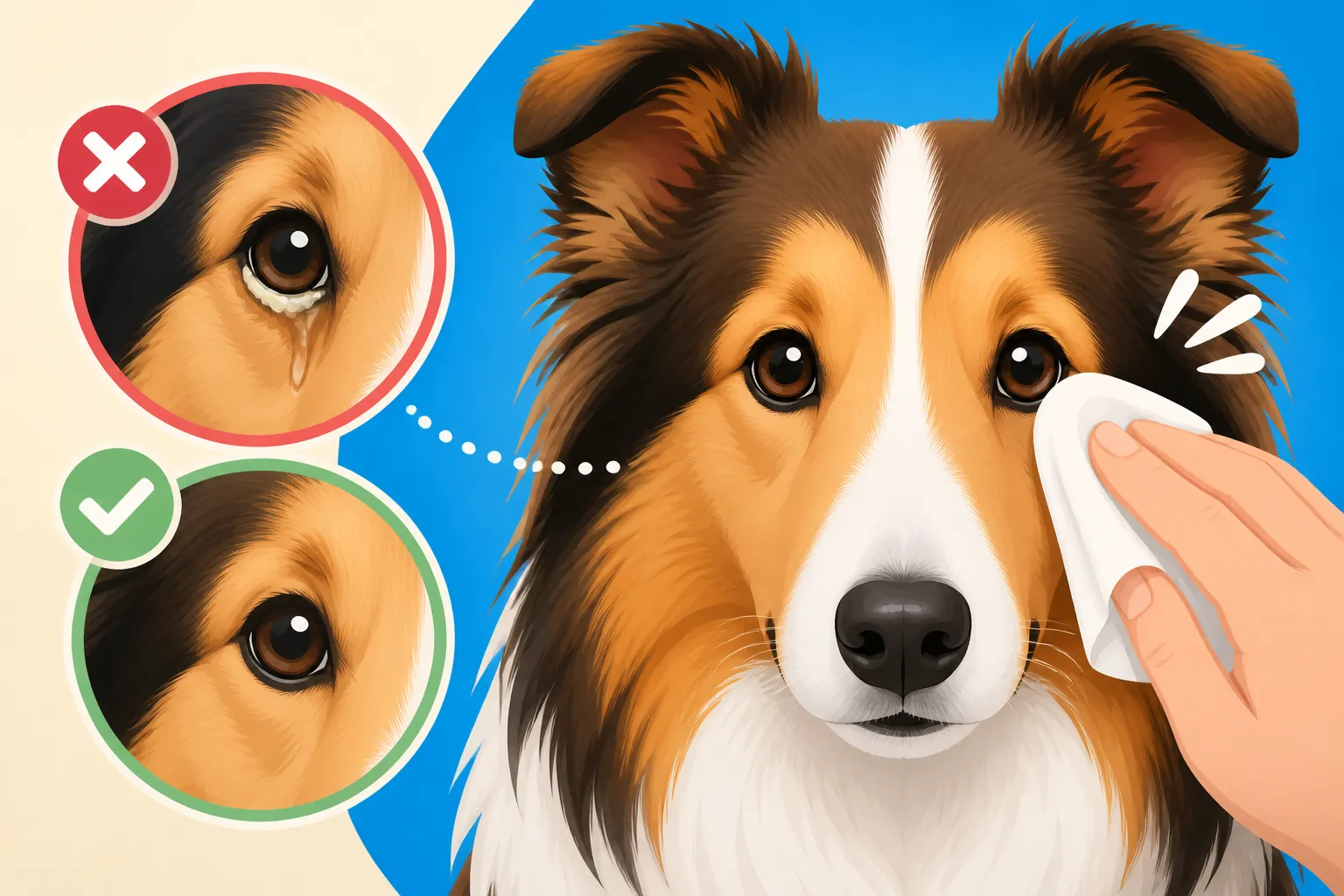
Most often, what you'll find in your Collie's eyes is perfectly normal. This typically manifests as a small amount of clear or reddish-brown crusty material in the inner corners of their eyes, especially after they've been sleeping. This discharge is usually a mix of dust, tears, and dead cells that have accumulated overnight. It should be dry or semi-dry, easy to remove, and shouldn't cause your Collie any discomfort. You might see a bit more of it if they've been romping around outside in a dusty yard or in windy conditions. It’s their eyes’ natural way of cleaning themselves, pushing out foreign particles. Sometimes, a long-nosed breed like a Collie can have tear ducts that drain just a little less efficiently, leading to a bit more accumulation than you might see in a flatter-faced dog, but it's still within the realm of normal.
When to Worry: Signs of Trouble
While a little morning gunk is fine, certain types of eye discharge and accompanying symptoms warrant immediate attention. It’s not about panicking, but being observant and knowing when to act. If you notice any of these signs, don't just reach for a wipe; reach for the phone to your veterinarian.
Signs that indicate a potential problem include:
- Excessive Watering or Tearing: If your Collie's eyes are constantly watery, more than usual, it could indicate irritation, allergies, or an issue with tear duct drainage. This is more than just a stray tear; it's a persistent wetness around the eyes, often staining the fur. You might want to review Whether a Collie's Eyes Water for more context.
- Thick, Pus-like Discharge: Any discharge that is yellow, green, or white and resembles pus is a strong indicator of infection. This is a clear signal that bacteria or other pathogens are at play and requires veterinary diagnosis and treatment.
- Redness or Swelling: The whites of your Collie's eyes (sclera) or the tissues around the eye appearing red, inflamed, or swollen are concerning. This can point to conjunctivitis, allergies, or even trauma.
- Squinting or Pawing at the Eye: If your Collie is squinting, blinking excessively, or constantly pawing at their face, they are likely experiencing pain or significant irritation. This could be due to a foreign body, an ulcer, or other painful conditions.
- Cloudiness or Changes in Eye Appearance: Any cloudiness in the cornea (the clear front surface of the eye), a change in eye color, or visible injury to the eye itself are serious. This might indicate corneal ulcers, glaucoma, or other severe ophthalmic conditions.
- Visible Foreign Objects: If you can see a piece of grass, dust, or another foreign object stuck in your Collie's eye, it needs careful removal, ideally by a professional, to avoid further damage.
It's crucial to remember that Collies, unfortunately, can be prone to certain eye conditions due to their genetics, such as Collie Eye Anomaly Affects Most Collies, So Ask How Badly. While normal discharge isn't related to these conditions, any unusual symptoms should prompt a check-up, especially if your dog's genetic history isn't fully known.
The Right Way to Clean Your Collie's Eyes
When the discharge is normal, it’s a simple task to keep your Collie looking pristine. But "simple" doesn't mean "careless." The area around their eyes is incredibly delicate, so a gentle touch and the right tools are paramount. Think of it as a small, focused grooming session, just like keeping their beautiful coat tangle-free, but with even more precision.
Gathering Your Tools: What You'll Need
Before you even approach your Collie, have everything laid out. Rushing or scrambling for supplies can make your dog nervous, turning a simple task into a struggle. Here’s what you should have on hand:
- Soft, Lint-Free Cloths or Cotton Balls: Avoid rough towels or tissues that can leave fibers behind or irritate the delicate skin. Cotton balls or specialized pet eye wipes are perfect. You can find excellent, gentle options on retailers like Chewy or Amazon.
- Sterile Saline Solution (Optional but Recommended): A veterinary-approved saline solution, similar to what humans use for contact lenses, can help moisten dried discharge and make removal easier. Never use human eye drops unless specifically instructed by your vet. Distilled water can also work in a pinch.
- A Calm Environment: Choose a quiet time and place where your Collie is relaxed. Maybe after a walk or a cuddle session when they're feeling mellow.
Gentle Technique for Eye Wiping
Approach your Collie calmly, speaking in soothing tones. If they're comfortable with it, you might have them lie down, or sit beside you. The goal is to make this a positive, or at least neutral, experience.
- Moisten if Needed: If the discharge is dry and crusty, gently dampen a cotton ball or soft cloth with warm water or sterile saline solution. Press it gently against the crusted area for a few seconds to soften it. Don't rub hard immediately.
- Wipe Away from the Eye: With a fresh, clean, and slightly damp cotton ball or cloth, gently wipe from the inner corner of the eye (near the nose) outwards, towards the ear. Use a single, smooth stroke.
- Use a Fresh Cloth/Cotton Ball for Each Eye: This is critical to prevent the spread of any potential infection from one eye to the other. Even if both eyes look fine, it's good practice.
- Avoid Direct Contact with the Eyeball: Be extremely careful not to touch the actual eyeball itself. You're cleaning the fur and skin around the eye, not the eye surface.
- Remove Stains (If Present): If there are tear stains, these might require a specialized stain remover, but discuss this with your vet first, as some products can be irritating. Regular, gentle cleaning helps prevent stains from setting in deeply.
- Praise and Reward: Always praise your Collie for their cooperation and offer a small, high-value treat afterwards. This reinforces that eye wiping is not a scary event. Building this positive association from puppyhood, much like teaching them to How to Teach a Collie Puppy to Lie Still for Grooming, will make future sessions much easier.
Maintaining Eye Area Hygiene
It’s not just about wiping away discharge, but also about the general care of the delicate skin and fur around your Collie’s eyes.
- Regular Checks: Make eye checks part of your daily routine. A quick glance while you're petting them or before feeding can catch minor issues before they become major.
- Keep Fur Trimmed (Carefully!): For Rough Collies, the longer fur around their eyes can sometimes trap moisture or debris, contributing to discharge or irritation. If you notice this, very carefully trim the longer hairs just around the eyes with blunt-nosed scissors, always pointing away from the eye itself. If you're unsure, ask a professional groomer to do this during a routine visit. Never attempt this if your dog is squirming or if you don't feel confident.
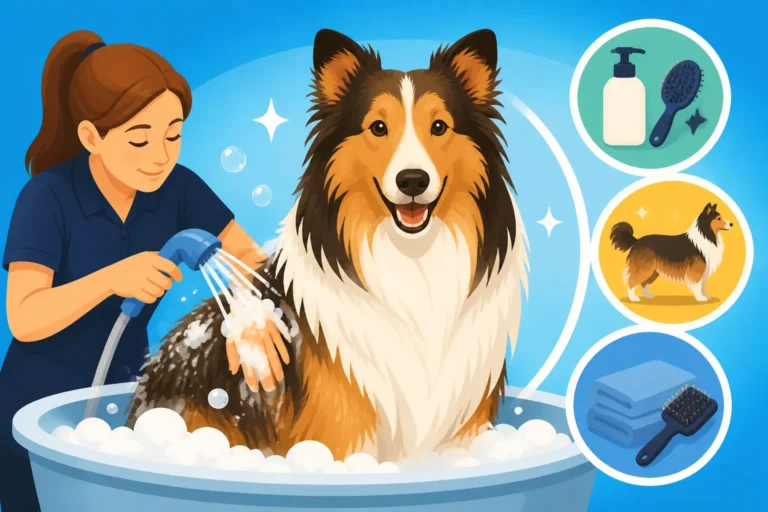
- Clean Before Bathing: If your Collie is due for a bath, clean their eyes first. This ensures no shampoo or water gets trapped in crusty discharge, which could cause irritation. When bathing, always protect their eyes from shampoo.
Here's a quick comparison of safe eye care tools versus those to avoid:
| Eye Care Item | Safe for Collie Eyes | What to Avoid |
|---|---|---|
| Wipes/Cloths | Soft, lint-free cotton balls, sterile gauze pads, pet-specific eye wipes (e.g., available on Chewy or Amazon) | Paper towels, tissues (can shred and leave fibers), rough washcloths, towels with loose threads |
| Liquid Solutions | Sterile saline solution (vet-approved), distilled water, boiled and cooled tap water (use quickly) | Hydrogen peroxide, alcohol, human eye drops (unless vet-prescribed), chemical cleansers, scented wipes |
| Trimming Tools | Blunt-nosed grooming scissors (if absolutely necessary and with extreme caution, ideally by a professional groomer) | Pointed scissors, clippers too close to the eye, trying to cut mats too close without a protective comb or tool |
| General Practice | Gentle strokes, wipe away from the eye, use fresh materials for each eye, praise and reward | Rubbing vigorously, using the same cloth for both eyes, forcing the dog to hold still, postponing vet visits for concerning symptoms |
When to Call the Vet: Beyond Simple Wiping
As much as we want to handle everything ourselves, there are clear lines where veterinary expertise becomes essential. Delaying a vet visit for eye problems can lead to more serious complications, potentially affecting your Collie's vision and overall quality of life. Always err on the side of caution when it comes to their precious eyes.
Persistent Redness or Irritation
If you've been gently wiping your Collie's eyes, and the redness or irritation doesn't resolve within a day or two, or if it seems to be getting worse, it's time for professional help. Persistent redness can indicate a chronic allergy, dry eye (keratoconjunctivitis sicca), an eyelash abnormality, or even an early stage of an infection that needs specific medication. Sometimes, what seems like a simple irritant might be something embedded deep enough to cause ongoing discomfort. A veterinarian can use specialized tools and stains to examine the eye's surface for abrasions or ulcers that are invisible to the naked eye.
Changes in Vision or Behavior
Any sudden change in how your Collie navigates their environment or their overall behavior should be a huge red flag. If they start bumping into furniture, are hesitant to go down stairs, seem disoriented, or are more anxious, these could be signs of vision impairment. Perhaps they're suddenly avoiding bright lights or reacting unusually to being touched around the head. These behavioral shifts are their way of telling you something is seriously wrong with their vision or that they're experiencing pain. Conditions like glaucoma, cataracts, or retinal diseases can manifest as these subtle but significant changes. While we all hope our Collies maintain excellent vision throughout their lives, issues can arise, and early intervention is often key to managing them effectively. Even if you're thinking about Whether a Blind Collie Copes Well, it's always best to try and preserve vision if possible.
Breed-Specific Eye Concerns
Collies are a wonderful breed, but they do come with their own set of genetic predispositions, some of which affect their eyes. Being aware of these can help you and your vet monitor for early signs.
- Collie Eye Anomaly (CEA): This is a genetic condition affecting the choroid, the layer of tissue under the retina. Most Collies are affected to some degree. While often mild and not vision-impairing, severe cases can lead to retinal detachment and blindness. Your vet, especially a veterinary ophthalmologist, will look for signs of CEA during a thorough eye exam. It's why responsible breeders test for it, and it's a critical part of What the Collie DNA Health Panel Covers.
- Progressive Retinal Atrophy (PRA): Another genetic condition where the cells in the retina degenerate, leading to blindness. While less common than CEA, it's still a concern for the breed.
- MDR1 Gene Mutation: While not directly an eye condition, Collies with the MDR1 mutation (which is quite common; you might ask Whether Seventy Percent of Collies Really Carry MDR1) can have severe adverse reactions to certain medications, including some eye medications. Always inform your vet if your Collie is MDR1 affected or if you haven't tested them. It might affect what medications they can safely prescribe, underscoring the importance of knowing The Drug List That Can Kill a Collie and ensuring your vet flags your Collie's chart at the clinic. Carrying a medical tag, as discussed in Whether a Collie Should Wear a Medical Tag, is also a smart move for MDR1 positive dogs, ensuring emergency vets are aware.
If your vet suspects a significant eye issue, they might refer you to a veterinary ophthalmologist for a specialized examination. These specialists have advanced equipment and expertise to diagnose and treat complex eye conditions. Keep in mind that specialized consultations and treatments, while vital, can add to the financial aspect of pet ownership, and it’s good to be prepared for What a Collie's Eye and Skin Workups Cost.
Proactive Steps for Healthy Collie Eyes
Beyond the immediate actions of wiping or seeking vet care, there are many things you can do to proactively support your Collie's eye health throughout their life. It's about creating a consistent routine and a healthy environment that minimizes risks and maximizes their well-being. Thinking about overall care, like the advice in Ears, Feet and the Small Jobs on a Collie, includes these preventative measures.
Regular At-Home Checks
Incorporating eye checks into your daily routine is one of the easiest and most effective preventative measures. It doesn't have to be a formal examination; simply observe your Collie's eyes naturally.
- Look for Symmetry: Both eyes should look similar. One eye shouldn't be more closed, red, or watery than the other.
- Check the Whites: The sclera (whites of the eyes) should be white, with minimal visible blood vessels.
- Pupil Size and Reaction: Pupils should be equal in size and react to light. This is harder to check without specific training, but sudden differences can be a red flag.
- Clear Vision: Observe your Collie's confidence in navigating familiar spaces. Are they bumping into things? Hesitating?
- Cleanliness of Fur: Check the fur around the eyes for matting, excessive staining, or persistent wetness. Matted fur can pull on the delicate skin, causing irritation.
These quick checks allow you to establish a baseline for what's normal for your individual Collie. When you know their normal, you'll be much quicker to spot any deviations that might require attention. This proactive approach saves stress for both you and your beloved companion.
Environmental Considerations
Your Collie's environment plays a significant role in their eye health. Minimizing exposure to irritants can prevent a lot of common issues.
- Dust and Allergens: If your Collie seems to have seasonal eye irritation, consider what allergens might be in the air. Keep your home as dust-free as possible, vacuum regularly, and change air filters. If they spend a lot of time outside, think about the pollen count or any dusty areas they frequent.
- Wind and Debris: On windy days, especially if you're at the beach or in a dusty park, your Collie's eyes can pick up debris. This isn't always avoidable, but a quick post-outing check and gentle wipe can help. Some owners even use dog goggles for extreme conditions or long car rides with windows down, though not all Collies tolerate them.
- Harsh Cleaning Products: Be mindful of household cleaning products, especially sprays, used near your Collie. The fumes or overspray can irritate their eyes. Opt for pet-safe cleaners where possible, and ensure good ventilation.
- Sun Exposure: While not a common direct cause of discharge, intense sun exposure can sometimes exacerbate certain eye conditions or cause irritation. Remember, their beautiful dark eyes are usually well-equipped, but extreme conditions or breeds with unpigmented eyelids might benefit from extra care, just as their noses might need protection from the sun as discussed in Whether a Collie Needs Sunscreen on Its Muzzle.
The Role of Overall Health and Nutrition
A healthy body supports healthy eyes. Your Collie's overall well-being, from their diet to their immune system, can indirectly impact how their eyes look and feel.
- Balanced Nutrition: A high-quality, balanced diet provides all the essential nutrients your Collie needs. While no specific food will "cure" eye problems, good nutrition supports a strong immune system and healthy bodily functions, including mucous membrane health. Companies like Ollie focus on providing fresh, human-grade ingredients, which contribute to overall vitality and could indirectly support better eye and skin health compared to highly processed alternatives.
- Hydration: Ensuring your Collie has access to fresh, clean water at all times is vital. Dehydration can affect tear production and overall health.
- Regular Vet Check-ups: Routine veterinary visits are not just for vaccinations; they're an opportunity for a comprehensive physical exam, including a look at your Collie's eyes. Your vet can spot subtle changes you might miss and address them early. For older Collies, these checks become even more important, as discussed in Caring for a Collie Past Nine.
- Manage Other Conditions: If your Collie has allergies, dental disease, or other health issues, managing these effectively can indirectly reduce secondary eye irritation or discharge. For instance, a tooth root abscess can sometimes cause swelling or discharge near the eye.
By taking these proactive steps, you're not just reacting to problems but actively contributing to your Collie's long-term eye health and comfort. It's all part of the love and care we shower on our wonderful companions, ensuring their bright eyes remain that way for years to come.
Disclaimer
This article is for general informational purposes only and does not constitute professional advice. Laws, prices and regulations vary by location and change over time. Consult a qualified professional for guidance on your specific situation.