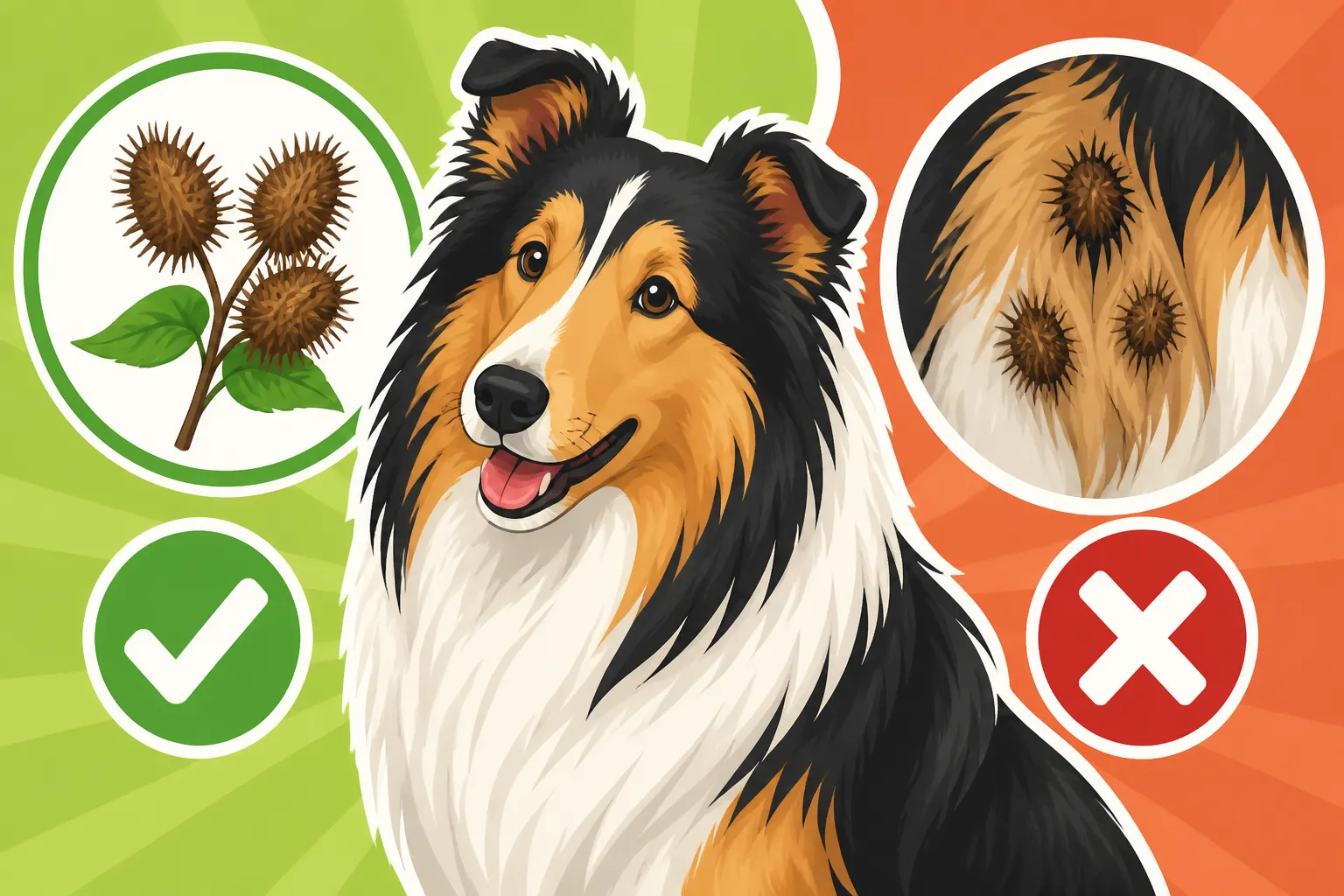
Whether a Collie Picks Up Burrs
Ah, the saga of the Collie and the burr! If you own one of these magnificent dogs, you've undoubtedly experienced the frustration of finding your beautiful companion adorned with nature's sticky treasures. It's a common, almost inevitable rite of passage for Collie owners, and dealing with these prickly nuisances can feel like an unending battle. This guide is here to walk you through why Collies are such burr magnets, how to prevent those unwelcome hitchhikers, and the gentlest, most effective ways to remove them when they inevitably appear.
The Inevitable Truth: Yes, Collies Are Burr Magnets
Let's face it, our Collies are stunning, regal creatures, but their glorious coats, while beautiful, are practically designed by nature to collect everything from burrs to twigs to fallen leaves. It's not a flaw, but rather a characteristic that comes with their double-coated, flowing locks.
Why Their Glorious Double Coat Is Both a Blessing and a Curse
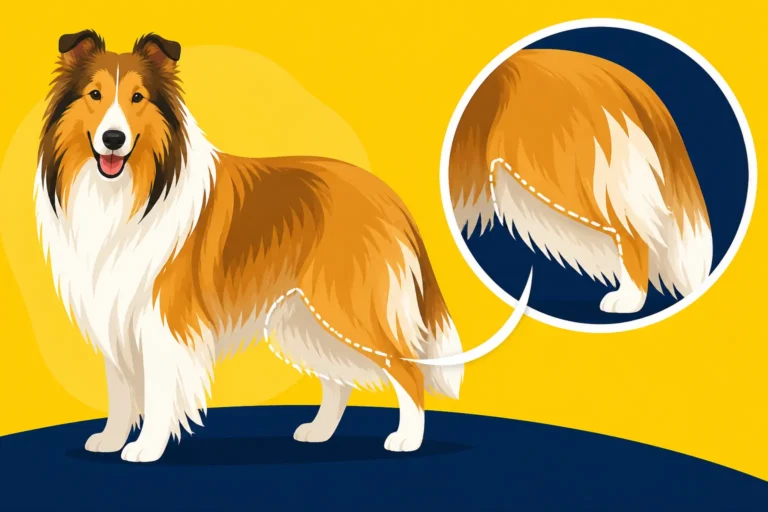
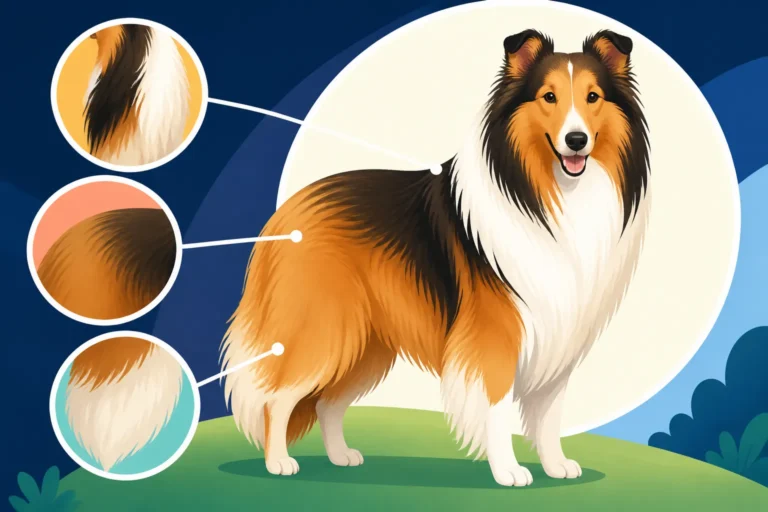
The Collie's coat is a marvel of engineering, truly. It’s a double coat, meaning it has two distinct layers. There's the harsh, straight outer coat, often referred to as guard hairs, which is water-repellent and protects against the elements. Beneath that lies a soft, dense, furry undercoat that provides insulation. This combination keeps them warm in winter and surprisingly cool in summer by regulating their body temperature. However, this very density and texture also create a perfect trap for burrs.
Imagine a fine-toothed comb made of fur, and that's essentially what your Collie's coat is to a burr. The outer guard hairs might initially deflect some minor debris, but once a burr gets past this first line of defense, it quickly becomes entangled in the softer, more voluminous undercoat. The long feathering on their legs, chest, tail, and especially behind their ears, acts like a natural broom, sweeping up anything in its path. These areas are particularly notorious for collecting burrs because the hair is often finer and more prone to matting even without the addition of sticky plant seeds.
Common Culprits: Where Burrs Hide and How They Stick
Burrs are essentially plant seeds or fruits designed by nature to attach to animals (or your socks!) for dispersal. They come in many shapes and sizes, but they all share one irritating characteristic: they stick.
- Cockleburs: These are often oval-shaped and covered in stiff, hooked spines. They are notorious for clinging tenaciously. You'll often find them in disturbed soil, along riverbanks, or in fields after a plant has dried out.
- Burdock Burrs: These are rounder and have tiny, stiff hooks all over them, famously inspiring Velcro. Burdock plants are tall, with large leaves, and thrive in overgrown areas, woodland edges, and neglected pastures.
- Beggar-Ticks: These are usually flatter, elongated seeds with two prongs that hook onto fur. They are common in damp areas, tall grasses, and along trails.
These burrs are engineered to latch on. Their microscopic hooks and barbs become interwoven with individual strands of your Collie’s fur, gripping tightly. As your Collie walks through tall grass or investigates a bush with their inquisitive nose, the burrs easily transfer from the plant to the coat. Once they've settled in, they can quickly work their way deeper into the undercoat with every movement your dog makes, making removal a truly daunting task if not addressed promptly. It's not just the nuisance of removal; these burrs can irritate the skin, cause painful matting, and in some cases, even lead to skin infections if left too long.
The Battle Against Burrs: Prevention Is Your Best Friend
While it feels like an uphill battle, proactive measures can significantly reduce the number of burrs your Collie collects. A little prevention goes a long way in saving you headaches and keeping your Collie comfortable.
Strategic Grooming: Daily Habits That Make a Difference
The absolute cornerstone of burr prevention is a consistent, thorough grooming routine. This isn't just about aesthetics; it's vital for your Collie's skin and coat health.
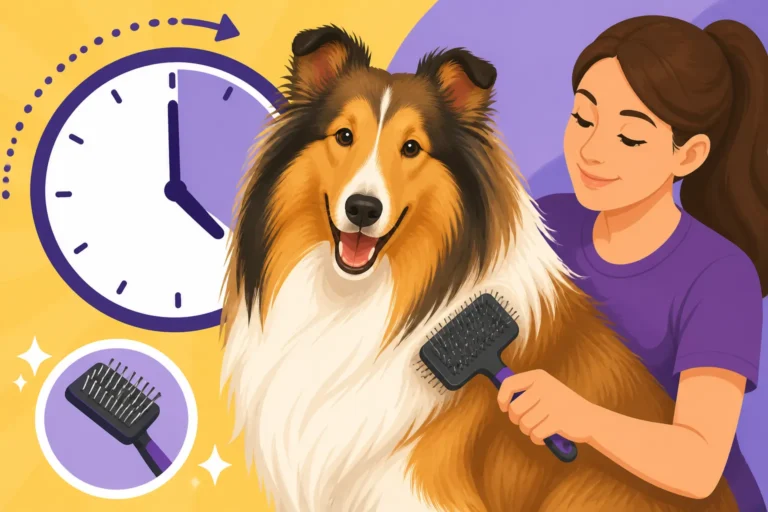
First and foremost, aim for a quick but comprehensive brush-down every single day, especially after any outdoor excursions. Don't just skim the surface; you need to get down to the skin. Pay particular attention to the "hot spots" for burrs: behind the ears, the feathering on the legs, the underside of the tail, and the ruff around the neck. A good quality slicker brush is excellent for getting through the outer coat and catching loose surface debris. For deeper work and for finding any nascent tangles or burrs that have started to burrow, a sturdy metal comb with both wide and narrow teeth is indispensable. This comb will help you to "line brush" your Collie, separating the coat in sections and working through it layer by layer, ensuring you don't miss anything. If you're wondering How Often a Rough Collie Should Be Brushed, daily attention is truly the gold standard for burr prevention.
Before you even start brushing, especially if you anticipate some tangles or if the coat is feeling a bit dry, consider using a good quality detangling spray. A light mist will lubricate the hair shafts, making it harder for burrs to get a firm grip and easier for them to slide out with a brush. It also helps prevent static, which can draw stray burrs to the coat. You can find excellent detangling sprays and all the necessary grooming tools on sites like Chewy or Amazon, making it easy to keep your grooming arsenal well-stocked.
Outsmarting Nature: Route Planning and Protective Gear
Sometimes, the best offense is a good defense – or, in this case, avoiding the battle altogether. Being smart about where you walk your Collie can make a huge difference.
During seasons when burrs are rampant (typically late summer through fall), try to stick to paved paths, well-maintained parks, or mown areas where burr-producing plants are less likely to thrive. If you know certain areas are notoriously bad for burrs, it's best to steer clear. This might mean adjusting your favorite hiking trails for a few months out of the year, but it's a small price to pay for a burr-free Collie.
For those adventurous Collies who absolutely must explore every bush, you might consider protective gear. Lightweight dog leggings or even a full-body dog suit can offer a physical barrier against burrs, especially on the legs and belly where they collect most easily. While some Collies might tolerate this, others will object to wearing anything that restricts their movement or adds bulk to their magnificent coat. Always introduce such gear slowly and make it a positive experience with treats and praise.
Don't forget your own yard! Keeping your lawn mowed, especially around fences and garden beds, and actively pulling burdock or cocklebur plants before they go to seed, will significantly reduce the local burr population. This can make backyard romps much less likely to result in a burr fest. Remember, the goal isn't to prevent your Collie from enjoying the outdoors, but to make those outdoor experiences as comfortable and safe as possible. If you want to know Whether a Collie Needs Daily Brushing in Full Coat, the answer is almost always yes if you want to stay ahead of burrs and mats.
Nutritional Support for a Healthy Coat
While diet won't directly repel burrs, a healthy coat is a resilient coat. A Collie with strong, well-nourished hair is less prone to breakage and matting, which can make burr removal easier and reduce the chances of them getting deeply embedded.
Ensure your Collie is on a high-quality dog food. Look for formulas that list a good source of animal protein as the first ingredient and contain essential fatty acids like Omega-3s and Omega-6s. These fatty acids are crucial for skin health and a shiny, strong coat. Supplements like fish oil can also be a fantastic addition to their diet. Many Collie owners report that a good fish oil supplement helps keep their dog's coat in prime condition, making it smoother and potentially less inviting for burrs to cling to. If you're curious Whether Fish Oil Improves a Collie's Coat, the evidence points to yes, and a healthy coat is your ally in the fight against burrs.
When Burrs Attack: Safe and Effective Removal Techniques
Despite your best efforts, burrs will inevitably find their way into your Collie's coat. The key then becomes removing them gently and effectively, without causing pain or damaging their beautiful fur.
The Gentle Approach: Tools and Patience
Never, ever pull or rip at a burr in your Collie's coat. This is not only incredibly painful for your dog but can also cause hair breakage, skin irritation, and create more severe matting. Patience is your most important tool here, even more so than any brush.
Here’s a step-by-step guide to removing those prickly hitchhikers:
- Gather Your Supplies: You’ll need a sturdy metal comb (preferably one with varying tooth widths), a slicker brush, a detangling spray or a coat conditioner, and possibly a small amount of cornstarch, coconut oil, or mineral oil. Having some high-value treats nearby to reward your Collie for their cooperation is also a smart move!
- Isolate the Area: Gently part the surrounding fur to expose the burr and the hair it’s stuck to. If there are multiple burrs, work on one at a time.
- Apply Lubricant (If Needed): For particularly stubborn or deeply embedded burrs, a spritz of detangling spray or a dab of cornstarch (which helps create slip) or oil can make a world of difference. The oil can help the burr's hooks release their grip on the individual hair shafts. Work it around the burr and let it sit for a moment.
- Tease Apart: With your fingers, very gently try to separate the burr from the surrounding hairs. You might be able to break larger burr clusters into smaller, more manageable pieces.
- Comb It Out: Start with the wider-toothed side of your metal comb (or the slicker brush if the burr is superficial), beginning at the outermost edge of the burr and working your way in, inch by painstaking inch. Hold the hair at the base near the skin to minimize pulling. Once the burr starts to loosen, you can switch to the finer side of the comb to pick out any remaining fragments. This technique is similar to how you would How to Work Out a Mat Behind a Collie's Ear – slow, steady, and gentle pressure.
Remember to take breaks if your Collie gets restless. Short, positive sessions are better than one long, stressful ordeal.
Dealing with Difficult Spots and Large Infestations
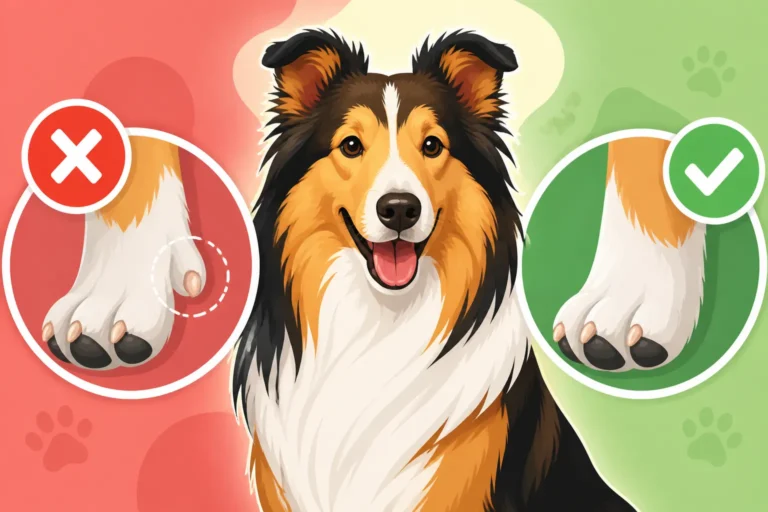
Some areas on a Collie are simply more challenging for burr removal. Paw pads, for instance, can collect small burrs between the toes, making walking painful. The fine hair around the eyes or deep within the ear feathering also requires extreme care.
For burrs lodged in very sensitive areas or those that are exceptionally small and tight against the skin, you might need to resort to blunt-nosed scissors. This is a last resort and should be done with the utmost caution. Only snip the individual hairs directly attached to the burr, never cut flush against the skin. Always point the blunt tips away from your dog's body. If you're uncomfortable doing this, or if the infestation is extensive and causing significant matting, it's always best to seek help from a professional groomer. They have specialized tools and experience with dense coats and will know how to tackle even the most tangled situations. Expect that Whether a Groomer Charges Extra for a Matted Collie is likely, as burr removal is time-consuming and labor-intensive.
It's crucial not to leave burrs in the coat. Beyond the discomfort, they can rub against the skin, causing redness, abrasions, or even open sores. These can then become hot spots or lead to secondary bacterial infections, turning a simple grooming task into a veterinary visit.
Post-Removal Care: Soothing Skin and Preventing Future Problems
Once the burrs are all clear, take a moment to inspect your Collie's skin. Look for any signs of irritation, redness, or small scratches. If the skin looks a little raw or sensitive, a gentle, pet-safe soothing spray or balm can help. Aloe vera or oatmeal-based products are often good choices.
Finish with a thorough brush-through of the entire coat to ensure no hidden burrs remain and to help the fur lie smoothly again. This also helps distribute natural oils and promotes overall coat health. And, of course, a reward for your patient Collie is a must! Reinforce that positive association with grooming sessions, even the difficult ones.
Long-Term Management and Realistic Expectations
Living with a Collie means embracing their incredible coat, even with its propensity for collecting burrs. It's about finding a balance between allowing your dog to enjoy their natural instincts and maintaining their health and comfort.
Embracing the Collie's Nature: A Balance Between Freedom and Care
Collies are curious, intelligent dogs who love to explore their surroundings. Expecting them to only walk on perfectly groomed surfaces is often unrealistic and unfair to their innate desire to sniff every interesting patch of grass. Your Collie wants to be out there, experiencing the world, and that often means encountering burr-producing plants.
The realistic approach is to simply incorporate burr checks into your daily routine. A quick run-through with a metal comb over their feathering and a visual inspection after every outdoor adventure – especially during burr season – can catch most problems before they become severe. This diligent routine ensures that small burrs are removed before they have a chance to work their way deeper into the coat or create painful mats. Consistent grooming with the right tools, which can last for years with proper care, means you're always prepared. For instance, How Long a Set of Collie Grooming Tools Lasts can be a decade or more if you invest in quality and clean them regularly.
The Importance of a Grooming Routine and Professional Help
We've talked about daily brushing, and it truly is paramount. It not only removes burrs but also prevents matting, distributes natural oils, and allows you to bond with your Collie. However, there might be times when professional help is needed.
If you find yourself facing a truly monumental tangle of burrs and mats, or if you simply don't have the time or tools to tackle a major coat crisis, don't hesitate to call a professional groomer. They are experts in canine coat care, particularly with double-coated breeds like Collies. They have high-velocity dryers, specialized shears, and a wealth of experience in safely and effectively removing even the most stubborn burr infestations and severe matting. They can often do it more quickly and with less stress for your dog than you might be able to at home. While it's an added expense, the relief of knowing your Collie is comfortable and mat-free is priceless. For an idea of the expense, you might be interested in What a Professional Groom Costs on a Rough Collie, which can vary widely.
Educating Your Vet about Coat Care
While your veterinarian is primarily focused on your Collie's medical health, it's always a good idea to discuss any persistent coat or skin issues that arise from burr exposure. If your Collie frequently develops hot spots, skin infections, or excessive irritation after burr encounters, your vet can provide guidance on medicated shampoos, soothing treatments, or further diagnostics to rule out underlying skin sensitivities. Having a vet who understands the unique needs and common issues of the Collie breed, including their challenging coats, is a definite advantage. It's a question many owners consider: Whether a Collie Owner Should Choose a Vet Who Knows the Breed. When it comes to burrs and their potential skin impact, a vet with breed-specific knowledge can be incredibly helpful.
Below is a table summarizing key grooming tools and their role in the ongoing battle against burrs in your Collie's magnificent coat:
| Grooming Tool | Best Use for Burrs | How It Helps |
|---|---|---|
| Slicker Brush | Loosening superficial burrs, general detangling | Removes loose hair and surface burrs, helps to separate hairs without snagging deeply embedded ones. |
| Metal Comb | Working out embedded burrs, detangling mats | Its fine teeth can meticulously pick out individual burrs and small clusters from the undercoat. |
| Detangling Spray | Pre-brushing, softening stubborn mats/burrs | Lubricates the coat, making it easier for burrs to slide out and minimizing breakage of precious hair. |
| Blunt-Nosed Scissors | Very small, stubborn burrs close to skin (extreme caution) | Allows for careful snipping of hair around a deeply embedded burr without injuring the skin underneath. |
Disclaimer
This article is for general informational purposes only and does not constitute professional advice. Laws, prices and regulations vary by location and change over time. Consult a qualified professional for guidance on your specific situation.