Whether a Collie Should Be Walked Early in Summer
Summer in many places can be absolutely brutal, and for us Collie owners, it presents a unique challenge: how do you keep a dog with all that glorious coat cool and comfortable, especially when they still need their exercise? It's a common worry, and many of us have found ourselves staring out the window at 9 AM, wondering if it's already too hot for a walk. This guide is here to tell you that, yes, walking your Collie early in the summer is not just a good idea, it's often a vital one for their health and well-being, and we'll dive deep into why and how to make it work.
The Collie's Unique Coat and Heat Regulation
Collies are magnificent creatures, instantly recognizable by their flowing double coats. While stunning, this coat often makes people assume they must be miserable in the heat, but it’s a bit more nuanced than that. Understanding how their coat works is the first step to keeping them safe.
How a Double Coat Works and Doesn't Work in Summer
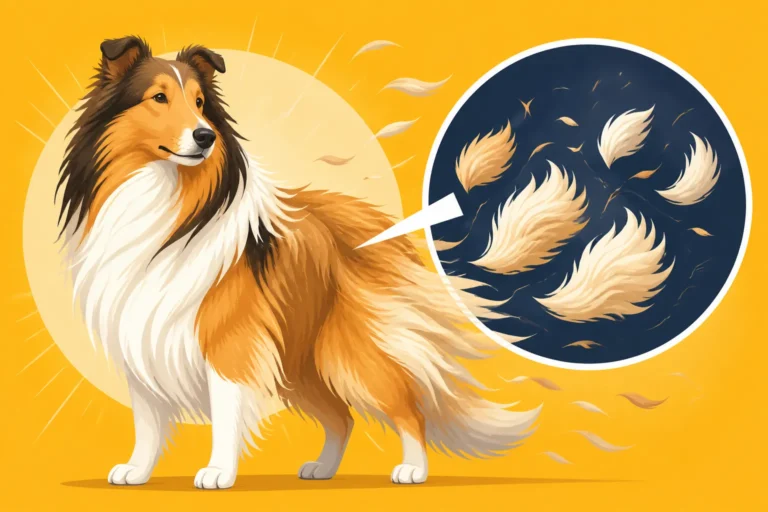
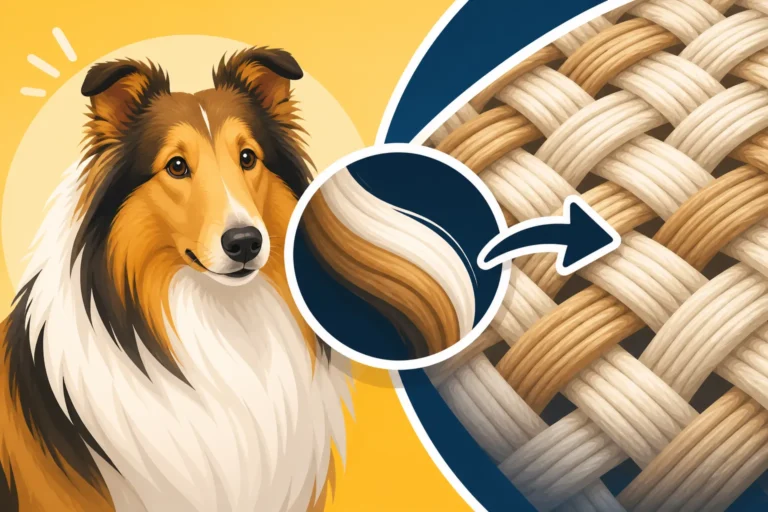
A Collie's coat isn't just one layer; it's a sophisticated system designed by nature. They have a soft, dense undercoat that acts as insulation, and a coarser, longer outer coat (or "guard hairs") that protects against the elements. In winter, this undercoat traps warm air, keeping them toasty. In summer, if properly maintained and not matted, it can actually help to insulate them from the heat, keeping the hotter air away from their skin, much like insulation in a house. It also protects their skin from sunburn.
However, there's a limit to this natural protection. When the ambient temperature rises significantly, and especially when humidity is high, the air trapped in that dense undercoat can start to become a liability. Collies, like all dogs, primarily cool themselves by panting, which is essentially evaporative cooling from their mouth and respiratory tract. They don't sweat significantly through their skin like humans do. If the air around them is too hot or humid, their panting becomes less effective, and their core body temperature starts to climb rapidly. This is where their coat, while normally beneficial, can become a barrier to efficient cooling.
Why Shaving is Not the Answer
It's a common misconception that shaving a Collie will make them cooler in summer. While the idea seems logical – less hair, less heat – it's actually detrimental to their natural cooling system and overall health. When you shave a double-coated breed like a Collie, you remove the protective outer guard hairs and often expose the soft undercoat, or even their bare skin.
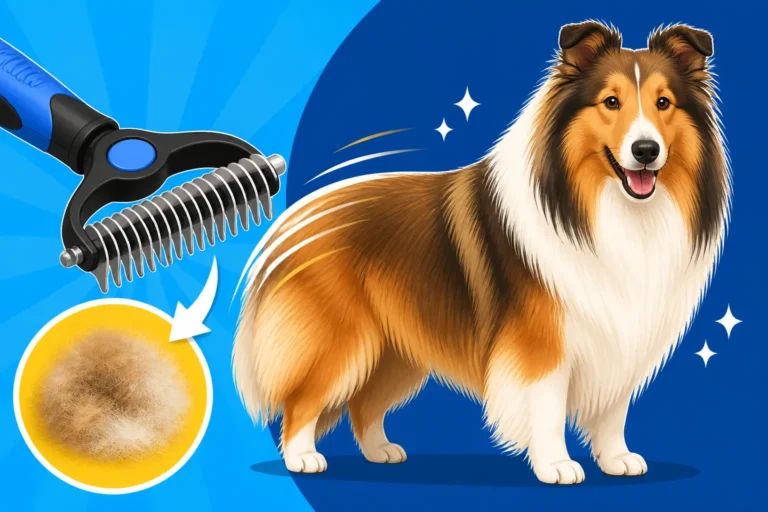
Firstly, you strip away their natural sun protection. A Collie's skin is not meant to be exposed to direct sunlight for prolonged periods, and shaving them can lead to severe sunburn, which is painful and can increase the risk of skin cancers. Secondly, the undercoat, when exposed, can grow back unevenly and more densely, potentially leading to a condition called "coat blow" or "clipping alopecia" where the coat may never grow back properly, or becomes coarse, woolly, and even more prone to matting and heat retention than before. The natural air circulation through their distinct layers is disrupted, and they lose their built-in temperature regulation. Instead of shaving, consistent, thorough grooming to remove dead undercoat is key. This allows air to circulate properly and maximizes their natural cooling abilities. Whether a Collie Should Be Clipped for Surgery
Recognizing the Dangers of Overheating in Collies
Because Collies have that dense coat and are naturally active, they can be particularly susceptible to overheating if not managed properly in warm weather. Knowing the signs of heat stress and heatstroke is absolutely critical for any Collie owner.
Early Signs of Heat Stress
Heat stress is your Collie's body struggling to cool itself down, and it's a warning sign that needs immediate attention. Don't wait for dramatic symptoms. Look for these early indicators:
- Excessive Panting: While normal after exercise, if it's unusually heavy, rapid, or persistent, even after a short walk in mild conditions, pay attention. Their tongue might also appear wider and longer than usual as they try to increase the surface area for evaporation.
- Bright Red Gums or Tongue: A healthy Collie's gums are usually pink. If they become bright red, almost cherry-colored, it indicates increased blood flow as their body tries to dissipate heat.
- Drooling/Thick Saliva: As a Collie pants more, they produce more saliva. If it becomes thick, stringy, or excessive, it's a sign they're struggling to keep up with hydration and cooling.
- Seeking Shade or Water: Your normally eager-to-play Collie might start dragging their feet, actively seek out shade, or try to lie down in any puddle or damp spot they can find. They might also show unusual interest in drinking water.
- Reduced Energy/Lethargy: They may become less responsive to commands, seem unusually tired, or just generally "off." This isn't just normal fatigue; it's a sign their body is working overtime.
- Wobbly or Uncoordinated Gait: In more advanced heat stress, they might start to stumble slightly, or their hind legs might seem weak.
If you notice any of these signs, stop the activity immediately, get your Collie into the coolest possible environment (shade, air conditioning), offer water, and begin cooling measures like wetting their paws and belly with cool (not ice cold) water.
The Escalation to Heatstroke
Heat stress can quickly escalate to heatstroke, which is a life-threatening emergency. This occurs when a Collie's core body temperature rises to a dangerously high level, typically above 104°F (40°C), overwhelming their ability to cool themselves. The symptoms of heatstroke are severe and require immediate veterinary intervention.
- Collapse or Loss of Consciousness: This is a dire sign.
- Vomiting and Diarrhea: This can exacerbate dehydration and is a serious symptom. The vomit or diarrhea might even contain blood.
- Seizures: Uncontrolled muscle spasms indicate severe neurological distress.
- Dark Red or Purple Gums/Tongue: This is a progression from the bright red gums and indicates oxygen deprivation.
- Glassy Eyes: Their eyes may appear unfocused or glazed over.
- Rapid, Shallow Breathing: Their panting might become labored and ineffective.
- Rectal Bleeding: Another sign of severe internal distress.
If you suspect your Collie has heatstroke, every minute counts. Start active cooling immediately while transporting them to the nearest emergency vet. Wet their entire body with cool water, especially their chest, belly, and armpits. Use a fan if available. Do not use ice water, as it can cause their blood vessels to constrict, trapping heat inside, and can lead to shock. Call the vet on the way so they can be prepared for your arrival. Whether a Collie Overheats in Its Coat
The Strategic Advantage of Early Morning Walks
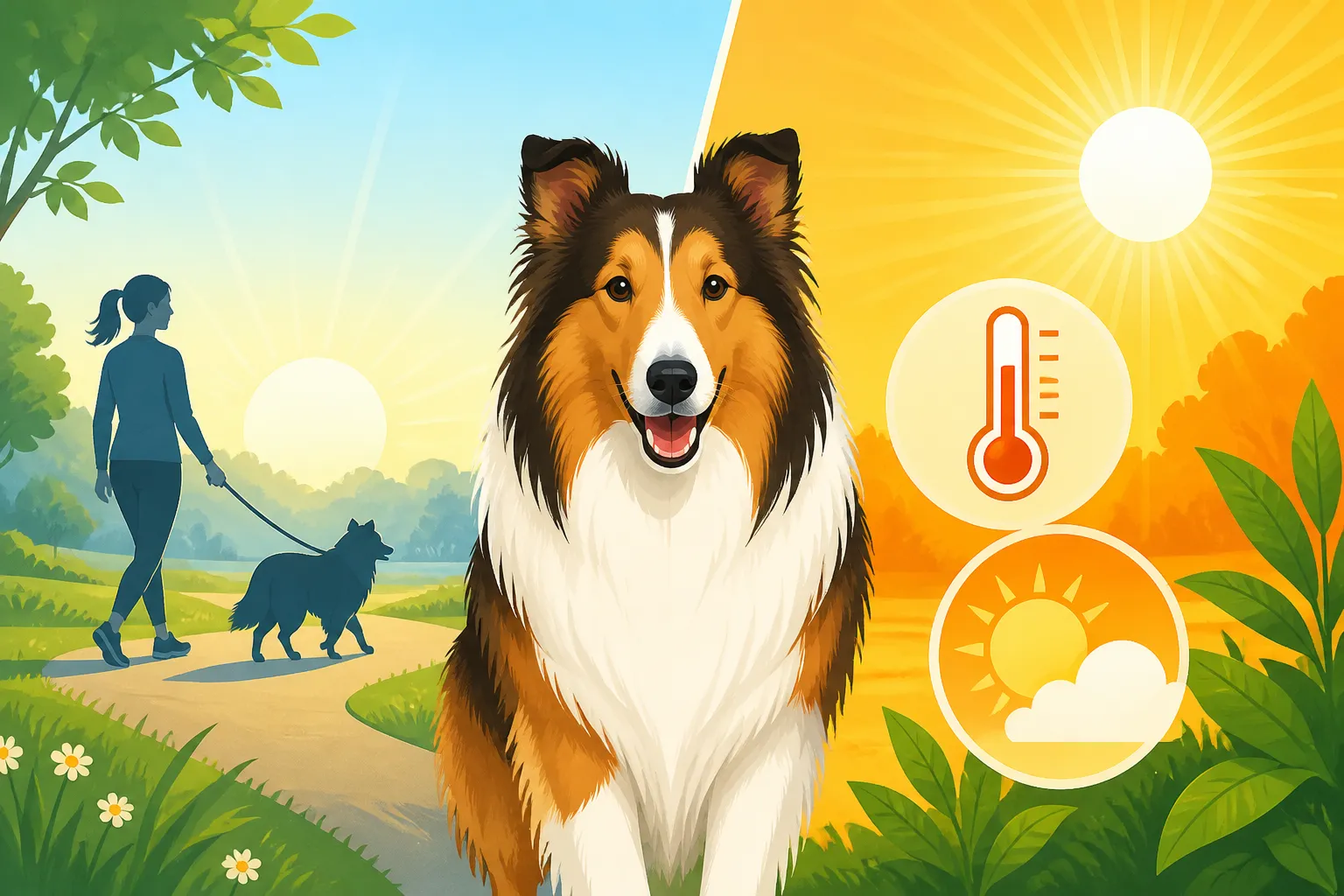
Given the risks of overheating, especially for a well-coated dog like a Collie, adjusting your walking schedule is non-negotiable in the warmer months. Early morning walks are truly your best friend.
Capitalizing on Cooler Temperatures
The ambient air temperature often follows a fairly predictable daily cycle: it's usually at its lowest point in the very early morning, just before or around sunrise, and steadily climbs throughout the day, peaking in the late afternoon. By heading out with your Collie as early as possible, you're tapping into this window of optimal coolness.
Think about it: the pavement, sidewalks, and even grass that absorb and radiate heat all day have had hours to cool down overnight. That means the air directly above these surfaces, where your Collie's body is closest, will be significantly cooler. Even a difference of 5-10 degrees Fahrenheit can make a huge impact on your Collie's comfort and safety. For instance, if the forecast says it will be 85°F (29°C) by midday, it might still be a pleasant 65-70°F (18-21°C) at 6 AM. This cooler air allows their panting to be far more effective in dissipating heat, making their exercise less strenuous on their internal cooling systems.
Avoiding Peak Sun and Humidity
Beyond just temperature, the sun's intensity and humidity levels play a critical role in how quickly your Collie can overheat. The sun's UV rays are strongest between 10 AM and 4 PM. Direct sun exposure adds a significant radiant heat load to your Collie's body, making it much harder for them to stay cool, even if the air temperature isn't at its absolute peak. Think of standing in direct sunlight on a hot day versus standing in the shade – the difference is palpable for us, and even more so for a fur-covered dog.
High humidity also severely hampers a Collie's ability to cool down. Since dogs primarily cool themselves through evaporative cooling (panting), if the air is already saturated with moisture, that evaporation simply can't happen as efficiently. It's like trying to dry clothes on a muggy day – they just don't dry. This means their internal temperature can rise faster, with less effective cooling mechanisms available.
By walking early, you dodge both these bullets. The sun is lower in the sky, its rays are less intense, and the air often holds less humidity than later in the day. This combination creates a much safer and more enjoyable environment for your Collie to stretch their legs and get their mental stimulation. Whether a Collie Needs a Cooling Mat in Summer
Establishing a Summer Routine
Consistency is key when it comes to dog ownership, and a summer walking routine is no exception. Start shifting your schedule before the truly sweltering heat hits. Wake up a bit earlier each day or two to gradually adjust both your and your Collie's internal clocks.
- Consistency is Crucial: Dogs thrive on routine. Once you establish an early morning walk, your Collie will quickly learn to expect it. This can even help reduce any nighttime anxiety or restlessness they might have if they're used to a later walk.
- Make it Enjoyable: Bring along favorite toys, switch up your routes to keep things interesting, and use this quiet time for some focused training. This helps reinforce the positive association with their early morning outings.
- Prepare the Night Before: Lay out your walking gear, have your water bottle ready, and make sure their leash and harness are easily accessible. Anything you can do to streamline the process will make that early alarm feel less daunting.
- Don't Forget Evening "Cool Downs": If your Collie needs another potty break or a bit of mental engagement later in the day, consider a very short, slow stroll after sunset, once the ground has cooled down significantly. Keep it brief and focused on potty needs, not vigorous exercise.
Beyond Timing: Other Essential Summer Walking Tips
While early morning walks are paramount, there are other crucial strategies to ensure your Collie's comfort and safety throughout the summer months.
Hydration is Non-Negotiable
Just like humans, Collies need ample water, especially when exercising in warm weather. Dehydration can quickly compound the effects of heat stress.
- Before the Walk: Offer a fresh bowl of water about 15-20 minutes before you head out. Don't let them gulp too much too fast, which can sometimes lead to an upset stomach, but ensure they're well-hydrated.
- During the Walk: Always carry water with you! A portable dog water bottle with an attached bowl is an absolute lifesaver. Brands like Amazon and Chewy offer a wide variety of excellent options. Stop for frequent water breaks, even if your Collie doesn't seem to be asking for it. If it's a longer walk, aim for a water stop every 15-20 minutes.
- After the Walk: As soon as you return, have a fresh, cool bowl of water waiting. Again, don't let them drink excessively fast. Supervise to ensure they rehydrate properly. You can even add a few ice cubes to their bowl to make it more appealing and help them cool internally.
Paw Protection
It's easy to forget that while our Collies are covered in fur, their paw pads are bare and highly susceptible to burns from hot surfaces. If it's too hot for your bare hand to comfortably stay on the pavement for 5-7 seconds, it's too hot for your dog's paws.
- The "Five-Second Rule": This simple test is your best guide. Place the back of your hand on the pavement. If you can't hold it there for five seconds without discomfort, find a cooler surface.
- Morning Is Best: This is another reason why early morning walks are vital. Pavement, asphalt, and concrete can retain heat for hours after the sun goes down, becoming scorching hot during the day. Grass is generally cooler, but even grass can get warm.
- Booties or Paw Wax: If you absolutely must walk during warmer times (which should be avoided if possible), consider dog booties. Brands often carried by Chewy or found on Amazon can provide a protective barrier. Alternatively, paw wax can offer some protection, though it's not as effective against extreme heat.
- Check Paw Pads Regularly: After any walk in warm weather, check your Collie's paw pads for redness, blistering, or tenderness. If you notice any damage, consult your vet.
Knowing When to Stay Home
Sometimes, even an early morning walk simply isn't safe. There will be days, particularly during heatwaves or periods of extreme humidity, when the temperatures just don't drop enough overnight to make walking safe.
- Check the Forecast: Make it a habit to check the predicted "feels like" temperature and humidity for your area the night before. If it's already going to be too hot and humid by dawn, plan for indoor alternatives.
- Trust Your Gut: If you step outside and it feels oppressively warm or humid to you, it's exponentially worse for your Collie. Err on the side of caution.
- Indoor Enrichment: On days when outdoor exercise is too risky, focus on indoor activities. Puzzle toys (like those you can find on Amazon or from brands like Ollie that focus on mental stimulation), training sessions, scent work, or even just some quality cuddle time can help meet your Collie's mental and physical needs without risking their health. Remember, a Collie doesn't always need a job, but they do need mental engagement. A Collie Is the Rare Herding Dog That Does Not Need a Job
- Short Potty Breaks Only: If outdoor exercise is out of the question, ensure your Collie still gets quick, purely functional potty breaks in the coolest, shadiest spot available, then bring them right back inside.
Summer Walking Safety for Your Collie: At a Glance
Here's a quick summary to help keep your beautiful Collie safe and happy during those warmer months.
| Aspect of Walk | Summer Risk | Best Practice for Collies | Why It Matters |
|---|---|---|---|
| Timing | Peak sun and heat (10 AM – 4 PM) | Early morning (sunrise or shortly after) | Avoids highest ambient temps, ground temps, and UV exposure. |
| Hydration | Dehydration, exacerbated heat stress | Carry water, offer before/during/after | Panting increases fluid loss; essential for cooling. |
| Ground Temp | Paw pad burns, discomfort | Use 5-second hand test, walk on grass | Pavement can reach dangerous temperatures, damaging paws. |
| Coat Care | Matted coat traps heat, shaved coat loses protection | Regular brushing, never shave | Proper coat allows air circulation; shaving removes natural insulation and sun screen. |
| Activity Level | Overexertion, rapid overheating | Shorter walks, slower pace, focus on shade | Collies can push themselves, but heat reduces stamina safely. |
| Monitoring | Missing early signs of distress | Watch for heavy panting, red gums, lethargy | Early detection of heat stress prevents progression to heatstroke. |
| Alternatives | Boredom, under-stimulation | Indoor training, puzzle toys, scent games | Provides mental and physical enrichment when outdoors is unsafe. |
This strategic approach to summer walks ensures your Collie stays healthy and enjoys their outdoor time, no matter what the weather throws at you.
Disclaimer
This article is for general informational purposes only and does not constitute professional advice. Laws, prices and regulations vary by location and change over time. Consult a qualified professional for guidance on your specific situation.