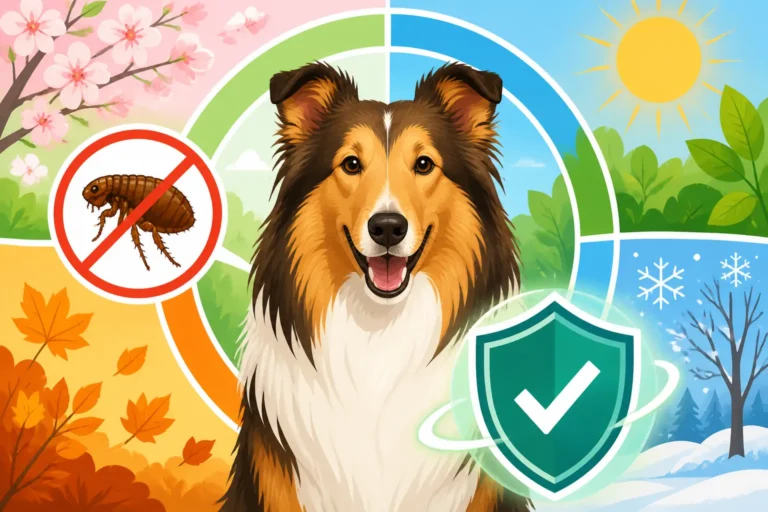
Whether a Collie’s Coat Keeps It Warm Enough Outdoors
It's completely natural to wonder if that glorious, flowing coat on your Collie is truly enough to keep them warm when the temperatures drop. You see them out there, bounding through snow or simply enjoying a crisp autumn morning, and you might think, "Wow, they look cozy!" But then a shiver goes through you, and a little worry creeps in. After all, they're part of our family, and their comfort is paramount. This guide is here to unravel the mysteries of your Collie's remarkable coat, explain just how much protection it offers, and help you understand when they might need a little extra help to stay toasty.
The Marvel of the Collie's Double Coat
The Collie, particularly the Rough Collie, is famous for its breathtaking coat, a veritable cloud of fur that turns heads wherever they go. But this isn't just for show; it's a highly functional piece of natural engineering, honed over centuries as a working dog in the often-harsh climates of Scotland. This coat is designed with two distinct layers, each playing a crucial role in insulating your dog against the elements, acting like their very own built-in winter parka.
The Undercoat: The True Insulator
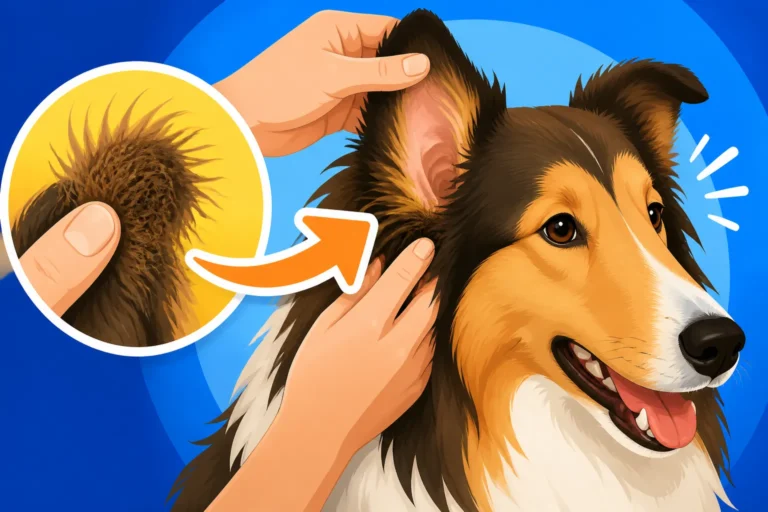
Beneath those long, flowing outer hairs lies the true secret weapon of the Collie's cold weather defense: the undercoat. This layer is incredibly dense, soft, and woolly, much like a thick fleece sweater. Imagine thousands upon thousands of fine, crimped hairs packed tightly together, creating a fluffy barrier right against their skin. What this dense undercoat does is trap a layer of warm air close to the dog's body. This trapped air acts as an insulator, much like the insulation in your house walls or the down in a winter jacket, preventing body heat from escaping and keeping the cold air from penetrating.
This undercoat isn't static; it thickens and thins with the seasons. As winter approaches, you'll notice your Collie's undercoat growing even denser, preparing for colder temperatures. Conversely, when the warmer months arrive, they'll "blow" this undercoat, shedding massive amounts to make way for a lighter, less insulating layer. This seasonal adaptation is a testament to nature's efficiency, ensuring they're equipped for both extremes, though we often feel the brunt of that seasonal change with vacuum cleaners running overtime! Understanding the mechanics of this undercoat helps you appreciate why A Collie Is Never Trimmed and Never Shaved in a way that compromises its natural function.
The Outer Coat: Weather Protection
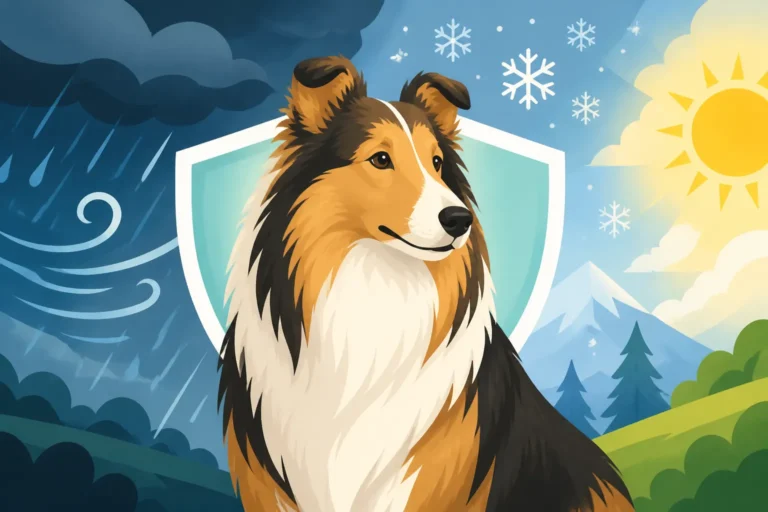
Layered over that insulating undercoat is the longer, coarser outer coat, often referred to as guard hairs. These hairs are straight, somewhat harsh to the touch, and designed to lie flat over the undercoat. Think of them as the water-resistant, wind-breaking shell of your Collie's natural outerwear. These guard hairs shed water, snow, and ice, preventing moisture from reaching the critical insulating undercoat beneath. If the undercoat were to get wet, it would lose much of its insulating power, making the dog feel much colder.
Beyond repelling moisture, the outer coat also offers protection from wind chill. A strong gust of wind can quickly strip away body heat, but the long, flowing guard hairs create a barrier, deflecting the wind and keeping the trapped warm air in the undercoat undisturbed. This combination of a dense, insulating undercoat and a protective, weather-resistant outer coat is what makes the Rough Collie so remarkably well-suited to chilly, damp, and even snowy conditions. Even for a Smooth Collie, while their outer coat is much shorter, it still consists of coarse, dense hairs that lie close to the body, offering significant protection against the elements, just in a different configuration.
Factors Influencing a Collie's Cold Tolerance
While their coat is a marvel, it's not a magic shield against all conditions. Just like us, individual Collies, and even the same Collie at different stages of life, will have varying tolerances to cold. There are several factors that play into how well your particular Collie will handle time spent outdoors in less-than-balmy weather.
Age, Health, and Body Condition
A young, robust adult Collie in prime health is generally going to tolerate cold much better than a tiny puppy, a senior dog, or one with underlying health issues. Puppies, especially those under five or six months old, haven't developed their full adult coat, and their body's ability to regulate temperature isn't as efficient. They have less body mass and a less developed fat layer to help with insulation. A good rule of thumb is that if you are feeling chilly, your young puppy likely is too, even with their burgeoning fluff.
On the other end of the spectrum, older Collies, typically those Caring for a Collie Past Nine, might find the cold much more challenging. As dogs age, their metabolism can slow, their circulation might not be as robust, and conditions like Hip Dysplasia in a Collie or arthritis can make moving around in the cold painful. They might be less active, generating less body heat. Moreover, older dogs may experience some thinning of their coat, reducing its insulating power. Similarly, a Collie recovering from an illness, particularly one that affects their metabolism or coat health, or one that is underweight, will struggle more in cold temperatures. Keeping a close eye on your senior Collie for signs of discomfort is crucial.
Activity Level and Acclimation
An active Collie is a warm Collie! When your dog is moving, running, or playing, their muscles generate heat, helping them stay warm. A Collie engaged in a vigorous game of fetch or a brisk walk on a cold day will likely be comfortable for longer than one simply standing around or sitting still in the same conditions. This is why working Collies in colder climates can spend extended periods outdoors — they are constantly moving.
Acclimation also plays a significant role. A Collie that lives in a mild climate year-round and is suddenly exposed to a deep freeze will feel the cold more acutely than a Collie that has gradually experienced the changing seasons. Their body has a chance to adapt, thickening its undercoat in preparation for winter. This is not to say you should leave your dog out in extreme cold to "toughen them up," but rather that a gradual shift in temperatures allows their natural defenses to kick in effectively. If you're planning a trip to a much colder region, understand that your Collie might need a bit more protection than local dogs who are used to it.
Individual Variation and Genetics
Just like people, there can be individual differences in how well Collies tolerate cold. Some Collies might simply have a naturally denser undercoat than others, or perhaps a more robust metabolism. While the breed standard generally dictates a dense coat, there can be variations from dog to dog, even within the same litter. These subtle genetic predispositions can mean one Collie seems perfectly content romping in the snow for ages, while another from a similar background starts seeking shelter sooner.
It's important to remember that these are general observations. Even a Collie with an exceptionally thick coat still has limits. The quality of their nutrition, for instance, directly impacts coat health. A diet rich in essential fatty acids can contribute to a healthier, more lustrous coat that offers better protection. Brands like Ollie, known for fresh, human-grade dog food, emphasize ingredients that support overall health, including skin and coat condition. Regularly brushing, especially with the right tools you can find on Amazon or Chewy, ensures their coat remains free of mats that can compromise insulation.
When Even a Collie Needs Help Staying Warm
While Collies are built for chillier weather, there are definitely times and situations where their natural coat isn't quite enough. Ignoring these signals can lead to discomfort, or worse, hypothermia. As their caretaker, it's your job to recognize the signs and provide the extra warmth they need.
Signs Your Collie Is Too Cold
Your Collie can't tell you in words that they're cold, but they will certainly tell you with their body language and behavior. Learning to read these subtle cues is essential. One of the most obvious signs is shivering. Just like us, dogs shiver to generate body heat. If you see your Collie shivering, especially if they haven't just had a burst of intense exercise, it's a clear indicator they're feeling the chill. Another common sign is hunching their body, tucking their tail, or lifting their paws off the cold ground, trying to minimize their surface area exposed to the cold.
They might also become reluctant to move, slow down on walks, or try to turn back towards the house sooner than usual. You might notice them seeking shelter, perhaps trying to huddle against your legs, under a bush, or in any sunspot they can find. If their ears feel unusually cold to the touch, or their pads seem icy, those are further hints that their core temperature might be dropping. Pay close attention to these signals; they are your Collie's way of asking for help.
Extreme Weather and Prolonged Exposure
Even the thickest Collie coat has its limits, particularly in extreme weather conditions. Sub-zero temperatures, especially when combined with wind chill, can rapidly overcome their natural defenses. A strong, biting wind can penetrate their outer coat and push through the insulating air layer, making them feel much colder than the thermometer indicates. Similarly, wet snow or freezing rain can saturate the outer coat, and if it penetrates the undercoat, its insulating power is severely diminished. A wet dog gets cold much faster than a dry one, even a thickly coated one.
Prolonged exposure, regardless of how extreme the temperature is, also poses a risk. Even on a moderately cold day, several hours outdoors without a break can lead to a Collie getting too cold. Think about the difference between a quick dash to the mailbox in a light jacket and spending an hour shoveling snow in that same jacket. For this reason, leaving a Collie outdoors unattended for extended periods in cold weather is never a good idea, even if they seem to "love the snow." Their body will eventually give in to the cold.
Practical Steps to Keep Your Collie Cozy
When the weather turns nasty, or you know your Collie will be out longer than usual, there are simple steps you can take to ensure they stay warm and comfortable. For those really frigid, windy, or wet days, a dog coat or sweater can provide an essential extra layer of insulation. While some people feel a Collie's coat means they never need one, this isn't always true for older, very young, or unwell dogs, or during severe weather. You can find a good range of durable, insulated dog coats on Chewy or Amazon, often designed with their specific needs in mind.
Booties are another fantastic option, especially if your Collie will be walking on icy sidewalks treated with salt or chemicals. These protect their delicate paw pads from extreme cold and irritants. If your Collie spends any significant time outdoors in a colder climate, ensuring they have access to a well-insulated, draft-free dog house with warm bedding is crucial. Inside, a cozy blanket, a plush dog bed, or even a heated pet bed can be a real luxury. Always offer fresh, unfrozen water, as hydration is important for overall health and circulation. Bringing them inside for frequent breaks on very cold days is perhaps the simplest and most effective measure. Don't let them become a frosty outdoor decoration; your living room is far cozier. Remember, Whether a Collie's Coat Keeps It Warm Enough Outdoors also depends heavily on its current condition and how you maintain it.
Caring for the Coat to Maximize Warmth
The incredible insulating properties of a Collie's coat aren't entirely maintenance-free. To ensure it performs its job effectively, especially in colder months, proper coat care is paramount. Neglecting their coat can actually reduce its ability to keep your Collie warm.
Regular Brushing and Deshedding
The dense undercoat is your Collie's primary insulator, and for it to work its magic, it needs to be healthy and free-flowing. Regular brushing, especially line brushing right down to the skin, prevents mats and tangles from forming. Mats don't just look unsightly; they flatten the coat, preventing air from being trapped effectively. Think of trying to insulate a house with compacted, squashed insulation – it just doesn't work as well. Mats also pull on the skin, causing discomfort and potential skin issues.
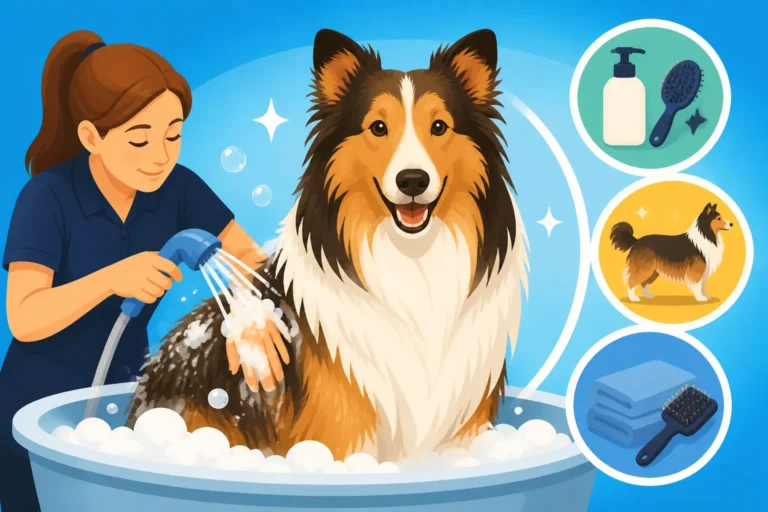
During the twice-yearly "coat blow," which you'll know well as The Three Weeks Twice a Year When a Collie Buries Your House, deshedding is critical. Removing the dead undercoat allows new, healthy coat to grow in and ensures that the remaining undercoat can function optimally. If the old, dead hair is left packed in, it can prevent air circulation and even make your Collie hotter in warmer weather, and conversely, less insulated in colder weather because the insulating layer isn't clean and fluffy. Investing in the Four Tools and Twenty Minutes: Brushing a Rough Collie will make this task much more manageable, and many owners find that a good slicker brush and an undercoat rake are indispensable. Regular grooming sessions also allow you to inspect their skin for any issues that might affect coat health.
Avoiding Shaving
It might seem counterintuitive to some, especially in hot weather, but shaving a Collie's coat is almost always a bad idea, and it certainly compromises their ability to stay warm in cold weather. Their double coat is designed as a complete system. The outer guard hairs protect the undercoat. When you shave off these guard hairs, you remove their natural barrier against moisture and wind. This leaves the soft undercoat exposed, which can then get wet and matted much more easily, completely negating its insulating purpose. The belief that Whether Shaving a Collie Helps It in Summer is often a misconception, as their coat also provides sun protection and helps regulate temperature.
Furthermore, shaving can permanently damage the coat, sometimes leading to "coat funk" where the guard hairs may not grow back correctly, or the undercoat grows in coarse and unruly. This can create a patchy coat that is neither attractive nor functional. For optimal warmth and protection, always let your Collie's natural coat do its job. If you find yourself wondering how to manage the sheer volume of fur, focus on techniques like line brushing and deshedding rather than resorting to clippers. After all, the very question of Whether a Collie's Coat Protects It From Heat is tied to this natural design.
Nutrition and Coat Health
A healthy coat begins from the inside out. A balanced, high-quality diet is fundamental for maintaining a lustrous, dense, and fully functional coat. Deficiencies in essential nutrients, particularly fatty acids like Omega-3 and Omega-6, can lead to a dull, dry, and sparse coat, which will not provide adequate insulation. Protein is also crucial for hair growth. If a Collie's diet isn't providing the building blocks it needs, their coat's quality will suffer, impacting its ability to protect them from the cold.
Consider your Collie's age and activity level when selecting their food. Growing puppies need different nutrients than active adults or senior dogs. For instance, brands like Ollie often formulate their fresh food to support skin and coat health with beneficial fats. Consulting with your veterinarian about the best diet for your individual Collie, especially if you notice their coat isn't as thick or healthy as it should be, is always a good idea. A healthy, well-nourished Collie with a properly cared-for coat is naturally better equipped to handle a wider range of temperatures, making them truly comfortable in their own beautiful skin.
| Factor Increasing Cold Tolerance | Factor Decreasing Cold Tolerance | Notes/Considerations |
|---|---|---|
| Dense, well-maintained double coat | Matted, wet, or shaved coat | Mats reduce insulation; wetness wicks heat away. |
| Active movement | Standing or sitting still | Movement generates body heat. |
| Good body condition | Underweight or obese | Healthy fat provides insulation; too thin lacks it. |
| Young to middle-aged adult | Puppy or senior | Puppies lack full coat; seniors have slower metabolism. |
| Gradual acclimation to cold | Sudden exposure to cold | Body adapts by thickening undercoat over time. |
| Excellent overall health | Illness or chronic conditions | Sickness diverts energy from temperature regulation. |
| Dry conditions | Wet snow, freezing rain, high humidity | Moisture compromises coat's insulating properties. |
| Low wind | High wind chill | Wind penetrates coat, stripping away warm air. |
Disclaimer
This article is for general informational purposes only and does not constitute professional advice. Laws, prices and regulations vary by location and change over time. Consult a qualified professional for guidance on your specific situation.