Whether a Collie Gets Bladder Stones More Than Other Breeds
It's incredibly worrying when you start noticing changes in your beloved Collie's bathroom habits, or perhaps you've heard whispers about certain breeds being prone to specific health issues and now you're wondering if bladder stones are something else you need to add to your list of potential concerns. This guide aims to thoroughly explore whether Collies are particularly susceptible to bladder stones, what causes them, and most importantly, how we can help prevent and manage this often painful condition.
Understanding Bladder Stones in Our Canine Companions
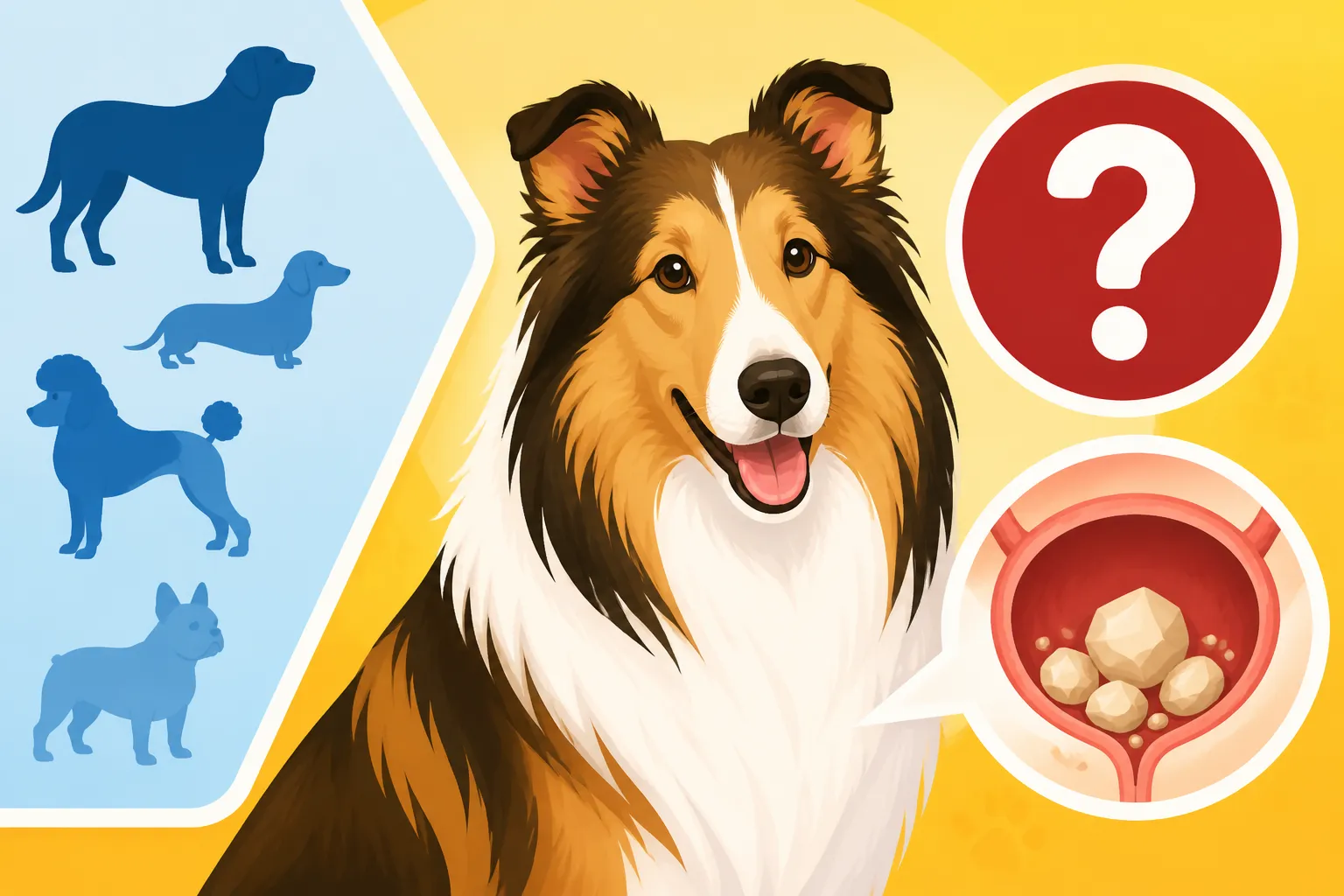
Before we dive into whether Collies have a higher risk, let's first get a clear picture of what bladder stones actually are and why they can be such a problem for our dogs. Imagine tiny pebbles forming inside your dog's bladder – that's essentially what bladder stones, or uroliths, are. They're collections of mineral crystals that harden over time, and they can range in size from grains of sand to actual golf balls. It's not just a minor inconvenience; these stones can cause significant discomfort and lead to serious health issues if left untreated.
What Are Bladder Stones and How Do They Form?
Bladder stones are, at their core, concentrated mineral deposits. Think about how rock candy forms from sugar water; it's a similar principle. When a dog's urine contains an excess of certain minerals, or if the urine pH is consistently imbalanced, these minerals can start to crystallize. Over time, these tiny crystals clump together, growing larger and larger, eventually forming palpable stones. It's a gradual process, often starting subtly before becoming a noticeable problem.
Several factors can contribute to their formation. For instance, if your Collie isn't drinking enough water, their urine becomes more concentrated, making it easier for crystals to form. A diet high in certain minerals can also throw off the balance. Sometimes, it's an underlying issue like a urinary tract infection (UTI) that changes the urine's composition, creating a hospitable environment for stone development. It’s a complex interplay of diet, hydration, genetics, and even the frequency of urination that can set the stage for these pesky stones.
Recognizing the Symptoms of Blicking Bladder Stones
One of the hardest parts about canine health is that our dogs can't tell us what's wrong. They often try to hide their pain, which is something we as Collie owners know all too well, as they are a stoic breed. This makes it crucial for us to be observant and vigilant about any changes in their behavior. When it comes to bladder stones, the symptoms usually revolve around urination.
You might notice your Collie straining to urinate, passing only small amounts, or even urinating more frequently than usual. There might be blood in their urine, which can look reddish or brownish, or you might spot crystals on their fur around the urinary opening. Sometimes, they might have accidents in the house, even if they're perfectly house-trained. They could also seem generally uncomfortable, licking at their genital area excessively, or appearing lethargic and less enthusiastic about their usual activities. If you see any of these signs, it’s a strong indication that something isn't right, and a vet visit is in order. Early detection is key to managing this condition effectively.
Are Collies More Prone to Bladder Stones Than Other Breeds?
This is the million-dollar question for Collie owners. When we bring a Collie into our lives, we're already keenly aware of certain breed-specific health concerns, like the MDR1 mutation or Collie Eye Anomaly. So, it's natural to wonder if bladder stones are another genetic lottery ticket we need to worry about. The good news, generally speaking, is that Collies aren't typically highlighted as a breed with an unusually high genetic predisposition to bladder stones compared to some other breeds.
While any dog can develop bladder stones, certain breeds do have a higher statistical likelihood of developing specific types of stones. For instance, breeds like Miniature Schnauzers and Bichon Frises are known for calcium oxalate stones, while Dalmatians and English Bulldogs might be more prone to urate stones due to specific metabolic differences. For our Collies, there isn't extensive data suggesting they fall into one of these "high-risk" categories for bladder stones overall. However, that doesn't mean they're immune.
They are still susceptible to the more common types of stones, particularly struvite stones, which are often associated with urinary tract infections. So, while you might not have to add "bladder stone screening" to your regular Collie health panel in the same way you might test for CEA or MDR1, maintaining good general health and being attentive to urinary symptoms remains incredibly important. When considering pet insurance for your Collie, looking into comprehensive plans from providers like Healthy Paws can give you peace of mind, knowing that if any unexpected health issues like bladder stones do arise, a significant portion of the treatment costs can be covered.
Factors Increasing Bladder Stone Risk in Collies (and All Dogs)
Even without a specific genetic predisposition for Collies, there are many common factors that can contribute to bladder stone formation in any dog. Understanding these can help you proactively safeguard your furry friend's urinary health. It's all about creating an environment in the bladder that doesn't encourage crystal formation.
Dietary Considerations and Urine pH
What goes into your Collie's bowl plays a huge role in their urinary health. Diets high in certain minerals, like magnesium, phosphorus, and calcium, can contribute to specific types of stones. For example, excessive magnesium and phosphorus are often implicated in struvite stone formation, especially when combined with a high urine pH. Conversely, high calcium can lead to calcium oxalate stones, often in urine with a lower (more acidic) pH.
The pH of your dog's urine is critical. Some diets can make the urine too alkaline, favoring struvite stones, while others can make it too acidic, promoting calcium oxalate stones. A well-balanced, high-quality dog food designed for their life stage is usually sufficient, but sometimes, a vet might recommend a prescription diet formulated to manage urine pH or reduce specific mineral concentrations if your Collie has a history of stones. This is not a situation for DIY solutions; dietary changes for stone prevention should always be guided by your veterinarian.
Hydration and Water Intake
This might seem obvious, but proper hydration is paramount. The more dilute your Collie's urine is, the harder it is for crystals to form and clump together. Think of it like a river: if it's flowing strong, it carries away sediment. If it's stagnant, sediment builds up. Encourage your Collie to drink plenty of water.
This could mean having multiple water bowls around the house, ensuring fresh water is always available, or even adding a little water to their food. Some Collies prefer running water, so a pet fountain might be a worthwhile investment. If your dog isn't a big drinker, even small changes can make a difference. The goal is to keep their urinary system flushed and their urine as dilute as possible.
Urinary Tract Infections as a Precursor
Urinary tract infections (UTIs) are a significant risk factor, especially for struvite stones. Bacteria in the bladder produce an enzyme called urease, which breaks down urea in the urine. This process creates ammonia, which then increases the urine pH, making it more alkaline. This alkaline environment is perfect for struvite crystals to form and grow into stones.
It's a vicious cycle: a UTI can cause stones, and stones can then irritate the bladder lining, making it more susceptible to further infections. If your Collie develops a UTI, prompt and complete treatment with appropriate antibiotics is crucial, as lingering infection can lay the groundwork for stone formation. Regular check-ups, especially for older Collies, can help catch these issues early.
Age, Gender, and Lifestyle Factors
While not specific to Collies, other general factors can increase risk. Middle-aged and older dogs tend to be more susceptible to bladder stones, as their bodies may be less efficient at processing minerals or they might be more prone to UTIs. Female dogs are generally more prone to UTIs than males due to their shorter, wider urethra, which makes it easier for bacteria to ascend into the bladder. However, male dogs, especially if they have bladder stones, can be at higher risk for a life-threatening urethral obstruction if a stone gets lodged.
A sedentary lifestyle or infrequent urination can also be a factor. If your Collie isn't getting enough opportunities to empty their bladder fully, urine sits in the bladder for longer periods, giving crystals more time to settle and grow. Ensuring regular potty breaks, especially after meals and first thing in the morning, is simple yet effective.
Prevention and Management Strategies for Collies
The good news is that for most bladder stones, there are effective strategies for both prevention and management. It often involves a combination of dietary adjustments, proper hydration, and diligent veterinary care. The approach will largely depend on the type of stone found.
Tailoring Diet to Stone Type
Once a bladder stone is identified, your vet will work to determine its composition. This is typically done through urinalysis, X-rays, or even surgical removal and analysis of the stone itself. Knowing the stone type is paramount because different stones require different dietary approaches.
For example, struvite stones can often be dissolved with a special prescription diet that makes the urine more acidic and has restricted levels of magnesium and phosphorus. Brands like Royal Canin, Hill's Prescription Diet, and Purina Pro Plan Veterinary Diets offer specific formulas designed for this purpose. These diets are highly effective, but strict adherence is necessary, and they aren't meant for long-term feeding once the stones are dissolved, unless recommended by your vet.
Calcium oxalate stones, on the other hand, cannot be dissolved by diet. Management focuses on preventing new stones from forming. This typically involves diets that produce less calcium in the urine, maintain a neutral pH, and encourage high water intake. These diets are lower in protein, sodium, and oxalate, while being adequately supplemented with vitamins B6 and magnesium. Always remember that any change to your Collie's diet, especially for medical reasons, should be supervised by your veterinarian. They can help you understand Whether a Collie's Diet Prevents Stones.
Encouraging Optimal Water Intake
Regardless of the stone type, increasing your Collie's water intake is almost universally beneficial. Dilute urine helps flush out crystals before they can aggregate and reduces the concentration of stone-forming minerals.
Here are some practical tips:
- Multiple Water Stations: Place several fresh water bowls around your home.
- Water Fountains: Many dogs prefer the continuously flowing, oxygenated water a pet fountain provides.
- Wet Food or Added Water: Incorporate wet food into their diet or add a bit of warm water to their kibble. This is a fantastic way to sneak in extra hydration.
- Ice Cubes: Some Collies love to crunch on ice cubes as a treat, which also adds to their water intake.
- Flavorings: Occasionally, a tiny bit of low-sodium chicken broth can be added to water to encourage drinking, but check with your vet first to ensure it won't interfere with their specific dietary needs, especially if they are on a prescription diet.
Regular Veterinary Check-ups and Urinalysis
Routine veterinary care is crucial for prevention and early detection. Annual or bi-annual check-ups, especially as your Collie ages, should include a urinalysis. This simple test can reveal the presence of crystals, bacteria, blood, or an abnormal pH, all of which are early warning signs of potential problems. Catching these issues before stones fully form can save your Collie a lot of pain and potentially costly treatments.
If your Collie has a history of bladder stones, your vet might recommend more frequent urinalyses and even imaging (like X-rays or ultrasound) to monitor for new stone formation. Remember to let your vet know about any changes you notice, no matter how subtle, as Signs a Collie Has a Bladder Stone can be easy to miss. Having pet insurance from a reliable provider like Healthy Paws can also make these regular preventative tests and necessary treatments much more manageable financially, allowing you to prioritize your Collie's health without added stress. They understand the importance of comprehensive care, even for common ailments.
Treating Urinary Tract Infections Promptly
As we discussed, UTIs are a major player in struvite stone formation. Therefore, prompt and appropriate treatment of any UTI is non-negotiable. If your vet diagnoses a UTI, ensure your Collie completes the entire course of antibiotics, even if symptoms improve quickly. Prematurely stopping antibiotics can lead to a resistant infection, making future treatment much harder and increasing the risk of stone development.
Sometimes, after a UTI has been treated, your vet might recommend a follow-up urinalysis to ensure the infection has completely cleared. This thoroughness is vital to prevent recurrence and, by extension, reduce the risk of bladder stones.
Surgical Versus Non-Surgical Options
The treatment for existing bladder stones varies depending on their size, type, and location.
- Dietary Dissolution: For struvite stones, prescription diets are often the first line of defense. This non-surgical approach can take several weeks to months, requiring strict dietary compliance and regular monitoring by your vet.
- Urohydropropulsion: Smaller stones might sometimes be flushed out of the bladder under sedation or anesthesia.
- Cystoscopy: This minimally invasive procedure involves inserting a scope into the bladder to retrieve or break up smaller stones using laser lithotripsy. This is often an option for female dogs due to their anatomy.
- Surgery (Cystotomy): For larger stones, those that don't respond to dietary dissolution, or calcium oxalate stones (which don't dissolve), surgical removal (cystotomy) is often necessary. This involves opening the bladder to remove the stones. While surgery sounds daunting, it's a routine procedure, and recovery is usually swift with proper post-operative care.
Deciding on the best course of action will always be a discussion between you and your veterinarian, considering your Collie's specific situation and overall health. Knowing What a Collie's Bloodwork Costs or whether Pet Insurance Is Worth It on a Collie can also help inform decisions on diagnostic and treatment pathways.
Here's a quick reference for common bladder stone types:
| Stone Type | Common Composition | Urine pH Preference | Dissolvable by Diet? | Associated Factors |
|---|---|---|---|---|
| Struvite | Magnesium ammonium phosphate | Alkaline | Yes | Urinary tract infections (especially with Staphylococcus) |
| Calcium Oxalate | Calcium oxalate monohydrate/dihydrate | Acidic | No | Breed predisposition (e.g., Miniature Schnauzer), hypercalcemia, high calcium diet |
| Urate | Ammonium urate | Acidic | Sometimes (partial) | Genetic defect (e.g., Dalmatians), liver shunts |
| Cystine | Cystine | Acidic | Sometimes (partial) | Genetic defect in amino acid metabolism |
| Silicate | Silica | Variable | No | Diet high in corn gluten, soy hulls |
While Collies aren't uniquely predisposed to bladder stones more than other breeds, their health, like all dogs, benefits from a vigilant owner. By understanding the causes, recognizing the signs, and working closely with your veterinarian on preventative strategies, you can significantly reduce the risk and ensure your beloved Collie lives a long, comfortable life. Early intervention and proactive care are always your best friends when it comes to any health challenge.
Disclaimer
The information provided in this article is for general informational purposes only and is not intended as a substitute for professional veterinary advice. Always consult with a qualified veterinarian for any health concerns or before making any decisions related to your Collie's care.