Whether Merle to Merle Breeding Makes a Collie Deaf
One of the most heart-wrenching concerns for any prospective Collie owner, or even a seasoned breeder, is the fear of inadvertently creating or acquiring a puppy with severe health issues. The question of whether merle to merle breeding leads to deafness in Collies is a common and critical one, often shrouded in misinformation and understandable anxiety. This guide will delve deep into the genetics behind merle coats, explain why merle to merle pairings are so risky, and outline the profound impact these choices can have on a Collie's health, particularly its hearing and vision.
Understanding Merle Genetics in Collies
Before we can truly grasp the dangers of certain breeding practices, it's essential to understand the unique genetic makeup that gives the Collie its stunning merle patterns. This isn't just about coat color; it's about a complex gene that affects multiple aspects of a dog's development, including its sensory organs.
The M Locus and Its Influence
The merle gene, often referred to as the M locus, is an incompletely dominant gene that dilutes eumelanin (black pigment) in random patches across the dog's coat. This creates the distinctive mottled appearance we see in blue merles and sable merles. A dog only needs one copy of the merle gene (Mm) to display the merle pattern. These single merle Collies are typically healthy, vibrant dogs with beautiful coats. Their eyes might be blue, amber, or marbled, which is perfectly normal. However, the merle gene's influence isn't limited to just the coat. It can also affect eye and ear development, though usually to a minor degree in single merles.
The complexity deepens when we consider the range of expressions for the merle gene. It's not a simple on-off switch. There are different alleles or variations of the merle gene (like M, Mh, M, Ma+, etc.) that can lead to varying degrees of dilution, from cryptic merle (which might show very little or no visible merle pattern) to harlequin merle. For the purposes of understanding the risks, the core concept is that any merle allele, when doubled up, carries risk. The presence of even one merle allele means the dog carries the potential to pass on a gene that, when combined with another merle allele, can lead to severe health consequences.
What Exactly is a "Double Merle"?
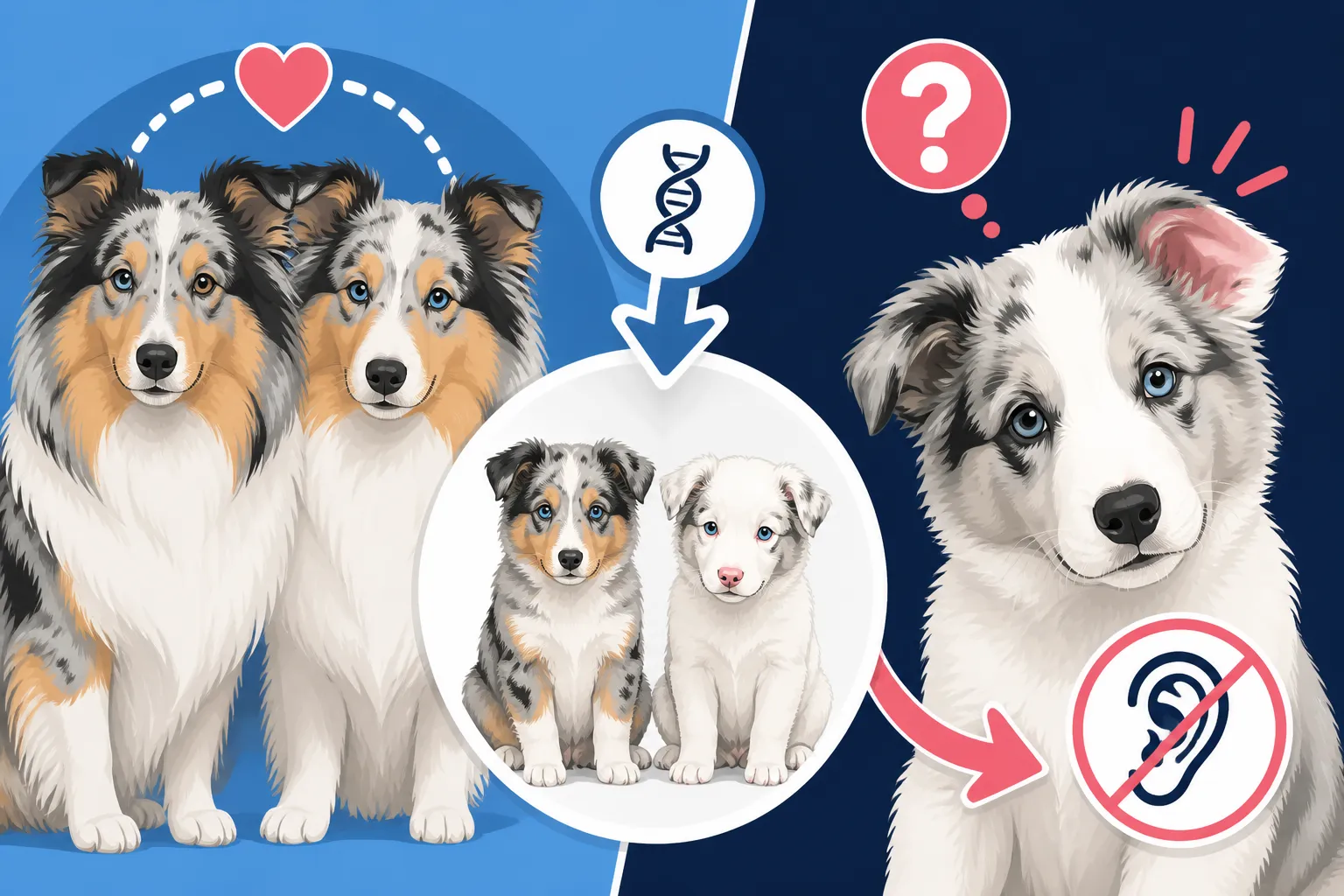
A "double merle" Collie, sometimes called a "homozygous merle," is a dog that has inherited two copies of the merle gene (MM), one from each parent. This happens when two merle dogs are bred together. While a single merle dog (Mm) expresses the merle pattern beautifully without typically suffering severe health consequences, a double merle often faces a cascade of devastating health problems.
The presence of two copies of the merle gene leads to an extreme dilution of pigment, not just in the coat, but often in the eyes and inner ears. These dogs frequently have large areas of white on their bodies, especially on their heads, and may have blue eyes that appear very pale or even mismatched in color. The problem isn't the white coat itself, but what that extreme lack of pigment signifies about the underlying genetic disruption. The gene affects melanocytes, the cells responsible for pigment, and these cells play a crucial role in the development and function of the eyes and ears. This is why double merles are so often born with significant sensory impairments.
The term "lethal white" or "double dilute" is sometimes used, particularly in other breeds, to describe similarly affected animals, highlighting the severe and often life-limiting nature of these conditions. It's a stark reminder that while the merle coat is visually appealing, its genetic underpinnings demand extreme caution in breeding. This is why responsible breeders universally agree that Whether Two Merle Collies Should Be Bred Together is a practice to be avoided at all costs.
The Risks of Merle to Merle Breeding: Beyond Just Deafness
The consequences of breeding two merle Collies together are far-reaching and can result in puppies with profound and often irreversible health issues. It's not just about aesthetics; it's about the fundamental well-being and quality of life for these animals.
Hearing Impairment in Double Merles
One of the most common and heartbreaking consequences of a double merle pairing is congenital deafness. The gene responsible for the merle pattern also affects the melanocytes in the inner ear. When two copies of the merle gene are present, these pigment cells often fail to develop correctly in the cochlea, which is vital for hearing. Without proper melanocyte function, the nerve endings in the inner ear can degenerate, leading to complete or partial deafness.
This deafness can manifest in various ways. Some double merle Collies are completely deaf in both ears (bilateral deafness), while others may have hearing in only one ear (unilateral deafness). Detecting deafness in puppies can be challenging, but a specialized test called the BAER (Brainstem Auditory Evoked Response) test can accurately assess a puppy's hearing. It's a non-invasive test that measures electrical activity in the brain in response to auditory stimuli. Many concerned owners inquire Whether a Collie Litter Should Be Screened for Deafness precisely because of these risks.
Living with a deaf dog requires immense patience, understanding, and a commitment to adapting communication methods. While deaf Collies can lead full and happy lives with dedicated owners, the condition is entirely preventable through responsible breeding practices. The frustration for owners comes from knowing that this suffering could have been avoided if breeders prioritized health over creating a certain look.
Vision Problems and Ocular Defects
Beyond deafness, double merle Collies are highly susceptible to a range of severe ocular defects, often leading to partial or complete blindness. The merle gene disrupts the normal development of the eyes, just as it does the ears.
Common eye abnormalities seen in double merles include:
- Microphthalmia: Abnormally small eyes, which may or may not be functional.
- Colobomas: Gaps or holes in structures of the eye, such as the iris, retina, or optic disc. These can range from minor to severe, affecting vision significantly.
- Choroidal hypoplasia (CEA): While Collie Eye Anomaly is common in the breed and typically doesn't cause blindness, a double merle can have a much more severe form due to the extreme pigment dilution.
- Retinal detachment: The retina can detach from the back of the eye, leading to blindness.
- Lack of tapetum lucidum: The reflective layer behind the retina that aids night vision may be absent, leading to poor vision in low light.
These vision problems are often permanent and can greatly impact a Collie's ability to navigate its world. A dog with severe microphthalmia might appear to have tiny, sunken eyes, while colobomas can be visible as irregular pupils or holes in the iris. The combination of deafness and blindness, or even just one of these severe impairments, places a huge burden on the dog and its owner. It’s a tragic outcome that emphasizes the importance of avoiding risky genetic pairings. Understanding Whether a Blind Collie Copes Well becomes a critical question for those who inevitably find themselves with one of these special needs dogs. Pet insurance providers like Healthy Paws are often a lifeline for owners facing such extensive veterinary care, though it's crucial to check policy specifics regarding congenital conditions.
Other Potential Health Concerns
While deafness and ocular defects are the most well-documented and severe consequences, double merle Collies can sometimes face other health challenges. The widespread disruption of pigment cells can have broader, though less common, impacts.
These can include:
- Reproductive Issues: Some double merles may experience reproductive difficulties or even be sterile.
- Immune System Compromises: While not directly proven, some anecdotal reports suggest a potential link between extreme dilution and weakened immune responses, making these dogs more susceptible to infections. However, this is less definitively established than the sensory impairments.
- Skin Sensitivity: Areas of unpigmented skin can be more sensitive to sun exposure, increasing the risk of sunburn and certain skin cancers. This is a general concern for any dog with large white patches, but it's particularly prevalent in double merles.
It's vital for anyone considering a Collie, especially a merle, to be aware that Whether a Double Merle Collie Is Deaf or Blind is not just a possibility, but a high probability. These are not minor cosmetic flaws, but profound health conditions that severely impact a dog's quality of life and place significant emotional and financial demands on their human companions. When you're budgeting for a new family member, considering pet insurance from providers like Healthy Paws could offer peace of mind, knowing some of these potential issues might be covered, though pre-existing conditions typically are not.
Recognizing and Living with a Deaf Collie
Discovering your beloved Collie puppy is deaf can be devastating, but it's a diagnosis that many owners learn to navigate with incredible love and dedication. The key is early recognition and proactive adaptation.
Identifying Deafness in Puppies
Early detection of deafness is crucial for beginning appropriate training and socialization. In very young puppies, it can be hard to tell if they can't hear. They might startle at vibrations rather than sound, or respond to the visual cues of their littermates rather than verbal calls.
Here are some signs that a Collie puppy might be deaf:
- Lack of reaction to loud noises: A truly deaf puppy won't startle, wake up, or orient towards sudden claps, dropped objects, or squeaky toys.
- Unusual vocalizations: Some deaf puppies may bark or whine excessively because they cannot hear themselves, while others might be unusually quiet.
- Difficulty learning: While Collies are intelligent, a deaf puppy won't respond to verbal commands and might appear "stubborn" if you're not using visual cues.
- Ignoring littermates' cues: They may not respond to their siblings' barks, growls, or whines during play.
- Sleeping soundly through disturbances: A deaf puppy might sleep very deeply and not be roused by typical household noises.
The definitive diagnosis of deafness is best made with a BAER test, ideally performed by a veterinary audiologist between 6-8 weeks of age. This test will confirm if the hearing loss is unilateral or bilateral. This is a significant aspect of responsible breeding, and good breeders often proactively test litters from risky pairings, though ethical breeders would avoid such pairings altogether. The financial burden of these tests, and potential long-term care, can be considerable, which is why organizations like Healthy Paws are often explored by conscientious owners.
Adapting Your Home and Training Methods
Living with a deaf Collie is entirely manageable and rewarding, but it requires a different approach to communication and safety. Your bond will be built on trust, visual cues, and consistency.
First, safety in the home and outdoors is paramount. A deaf dog cannot hear approaching cars, shouts, or other warning sounds. Therefore, a securely fenced yard is non-negotiable. Walks should always be on a leash, or in very safe, contained areas. Consider a brightly colored vest or collar that says "DEAF DOG" to alert others, especially in public spaces.
When it comes to training, verbal commands are out, but hand signals are incredibly effective. Collies are intelligent and eager to please, making them excellent candidates for positive reinforcement training using visual cues. Start with simple gestures for "sit," "stay," "come," and "down." Consistency is key. Using a vibrating collar (not a shock collar!) can also be a gentle way to get your dog's attention for a recall, paired with a visual command. It's a way to let them know you need their focus without any discomfort. Think of it as a tap on the shoulder. Some owners find that building confidence in a nervous Collie, especially one with sensory deficits, is vital for successful training.
Environmental enrichment is also crucial. Since they can't rely on hearing, their other senses become heightened. Engage them with scent work, puzzle toys, and plenty of visual stimulation. Regular, structured play sessions will help keep them mentally and physically stimulated. It’s amazing how well they learn to read body language and facial expressions, becoming incredibly attuned to their human companions.
The Joys and Challenges of a Special Needs Collie
Owning a deaf Collie brings unique joys and challenges. The bond you form with a special needs dog is often profound, as they rely so heavily on you for their understanding of the world. They are often incredibly affectionate, loyal, and attentive to visual cues. Many owners report that their deaf Collies are exceptionally calm and focused, precisely because they aren't distracted by ambient noise.
However, challenges definitely exist. Startling a sleeping deaf dog can be a common occurrence, and you'll quickly learn techniques like gently touching their back or stomping lightly to create a vibration to wake them. Socializing a deaf puppy is also vital, as they need to learn appropriate dog-dog communication without the benefit of auditory cues. Positive experiences with well-adjusted, tolerant dogs can help them learn body language.
The emotional toll of knowing your dog's condition was preventable can be heavy for responsible owners. The initial veterinary bills for diagnosis and potential interventions can also add up, making the discussion of What Insuring a Collie Costs Monthly a pertinent one. However, the unconditional love and resilience of a deaf Collie are truly inspiring. With commitment, education, and a whole lot of love, these dogs can thrive and become cherished family members, proving that "special needs" doesn't mean "less of a dog."
Ethical Breeding Practices and Responsible Ownership
The existence of double merle Collies is a direct result of human breeding choices. Ethical breeding is about prioritizing the health, temperament, and welfare of the dogs above all else.
Why Responsible Breeders Avoid Merle to Merle Crosses
Responsible breeders, those dedicated to the long-term health and preservation of the Collie breed, vehemently condemn merle to merle breeding. They understand the grave genetic risks involved and actively work to prevent the birth of double merle puppies. Their goal is not just to produce beautiful dogs, but healthy ones with sound minds and bodies.
An ethical breeder will never intentionally breed two merle Collies together. This includes breeding a blue merle to a blue merle, a sable merle to a sable merle, or any combination where both parents carry a merle gene. They understand that even if a merle dog appears healthy, it still carries the gene that, when doubled, causes serious problems. Instead, responsible breeders will breed a merle Collie only to a non-merle (tricolor or sable, also known as "self-colored" or "clear" Collies). This ensures that no puppy in the litter will inherit two copies of the merle gene, thereby eliminating the risk of deafness and severe eye defects associated with double merles.
These breeders also invest in comprehensive health testing for their breeding stock, going far beyond just visible traits. They are familiar with The Three Genetic Tests a Collie Breeder Owes You and will openly share results for their dogs. This transparency is a hallmark of an ethical breeder.
Genetic Testing and Health Clearances
For any Collie owner or aspiring owner, understanding genetic testing is paramount. Reputable Collie breeders perform an array of genetic health screenings on their breeding dogs to ensure they are not inadvertently passing on debilitating conditions.
Key genetic tests relevant to merle breeding and overall Collie health include:
- M Locus Testing: This DNA test identifies whether a dog carries one or two copies of the merle gene. This is crucial for all merle Collies, and even seemingly non-merle Collies (cryptic merles) that might carry a hidden merle gene. A breeder would never pair two dogs both identified as carrying a merle allele.
- Collie Eye Anomaly (CEA) DNA Test: While separate from the merle gene, CEA is prevalent in Collies. Although merle to merle breeding can exacerbate CEA symptoms, all Collies should be tested for this. Understanding What the Collie DNA Health Panel Covers provides a good overview of the various tests responsible breeders perform.
- MDR1 Mutation Test: This test identifies sensitivity to certain drugs, a critical concern for Collies. While not directly related to merle, it's another essential test for the breed.
A responsible breeder will provide proof of these clearances for both parent dogs. This is not just a formality; it's a demonstration of their commitment to producing healthy puppies. If a breeder is vague about health testing or dismisses concerns about merle-to-merle pairings, it's a significant red flag.
Supporting Rescues and Advocating for Health
For those who feel a special calling to care for dogs with unique needs, adopting a double merle Collie from a rescue organization is a wonderful option. Many double merles end up in rescues precisely because breeders or initial owners were unprepared for their special needs. These organizations often have extensive experience with deaf or blind dogs and can provide invaluable support and resources. Rescues dedicate themselves to finding loving, permanent homes for these deserving dogs, and they can offer guidance on everything from training techniques to connecting with local support groups.
As dog owners and enthusiasts, we also have a responsibility to advocate for ethical breeding practices. This means educating ourselves and others, supporting breeders who prioritize health, and choosing not to purchase puppies from sources that engage in risky breeding practices. By asking questions, demanding health clearances, and supporting reputable breeders and rescues, we can collectively work towards a future where preventable suffering due to genetic conditions like those caused by double merle breeding becomes a thing of the past for Collies. Organizations like Healthy Paws, and others, often partner with rescues to help cover costs for pets in need, demonstrating a commitment to animal welfare beyond just pet insurance.
| Trait / Condition | Single Merle Collie (Mm) | Double Merle Collie (MM) |
|---|---|---|
| Coat Pattern | Distinctive merle patches, usually well-pigmented. | Excessive white patterning, often covering much of the body/face. |
| Eye Color | Blue, amber, or marbled; often striking but functional. | Frequently pale blue, mismatched, or severely malformed. |
| Hearing | Typically normal hearing. | High risk of partial or complete deafness (unilateral or bilateral). |
| Vision | Generally normal vision, aside from common CEA risks. | High risk of microphthalmia, colobomas, retinal detachment, leading to partial/complete blindness. |
| Overall Health Risk | Generally healthy, with typical breed-specific concerns. | Significantly increased risk of severe, congenital health defects. |
| Breeding Ethics | Can be responsibly bred with a non-merle dog. | Should never be intentionally bred due to severe health risks to offspring. |
Disclaimer
This article is for general informational purposes only and does not constitute professional advice. Laws, prices and regulations vary by location and change over time. Consult a qualified professional for guidance on your specific situation.