What Grooming Tools a Collie Owner Buys Once
Managing a Collie's magnificent double coat can feel like an unending battle against mats, shedding, and the general fluff invasion that accompanies these beautiful dogs. It’s easy to get overwhelmed by the sheer variety of grooming products out there, wondering which ones are truly essential and which are just collecting dust in the cupboard. This guide is here to cut through the noise, focusing on the fundamental grooming tools you'll buy once and rely on for years to keep your Collie looking its best.
The Foundation: Brushes and Combs for the Double Coat
The Collie’s coat is its crowning glory, but it's also a complex system of soft undercoat and longer, harsher guard hairs. Maintaining it requires a systematic approach and the right tools that can penetrate that thick fur without damaging it or scratching the delicate skin underneath. Don't underestimate the power of a few key pieces of equipment; they are the bedrock of effective Collie grooming.
Understanding the Double Coat and Why Specific Tools Matter
Collies possess a dense double coat, a marvelous natural insulation system that serves them well in various climates. The outer coat, comprised of longer, coarser guard hairs, repels water and dirt, protecting the softer, woollier undercoat beneath. This undercoat is what provides warmth and bulk, and it's also the culprit behind those massive seasonal "coat blows." Without the right tools, you'll only be skimming the surface, leaving mats to form deeper within the coat, particularly in areas like the mane, frill, and petticoat. Many new owners, especially those used to single-coated breeds, find themselves in a bind because their regular brushes simply don't get the job done. It's not about brushing more; it's about brushing effectively with the right equipment.
The Essential Pin Brush: Your Daily Driver
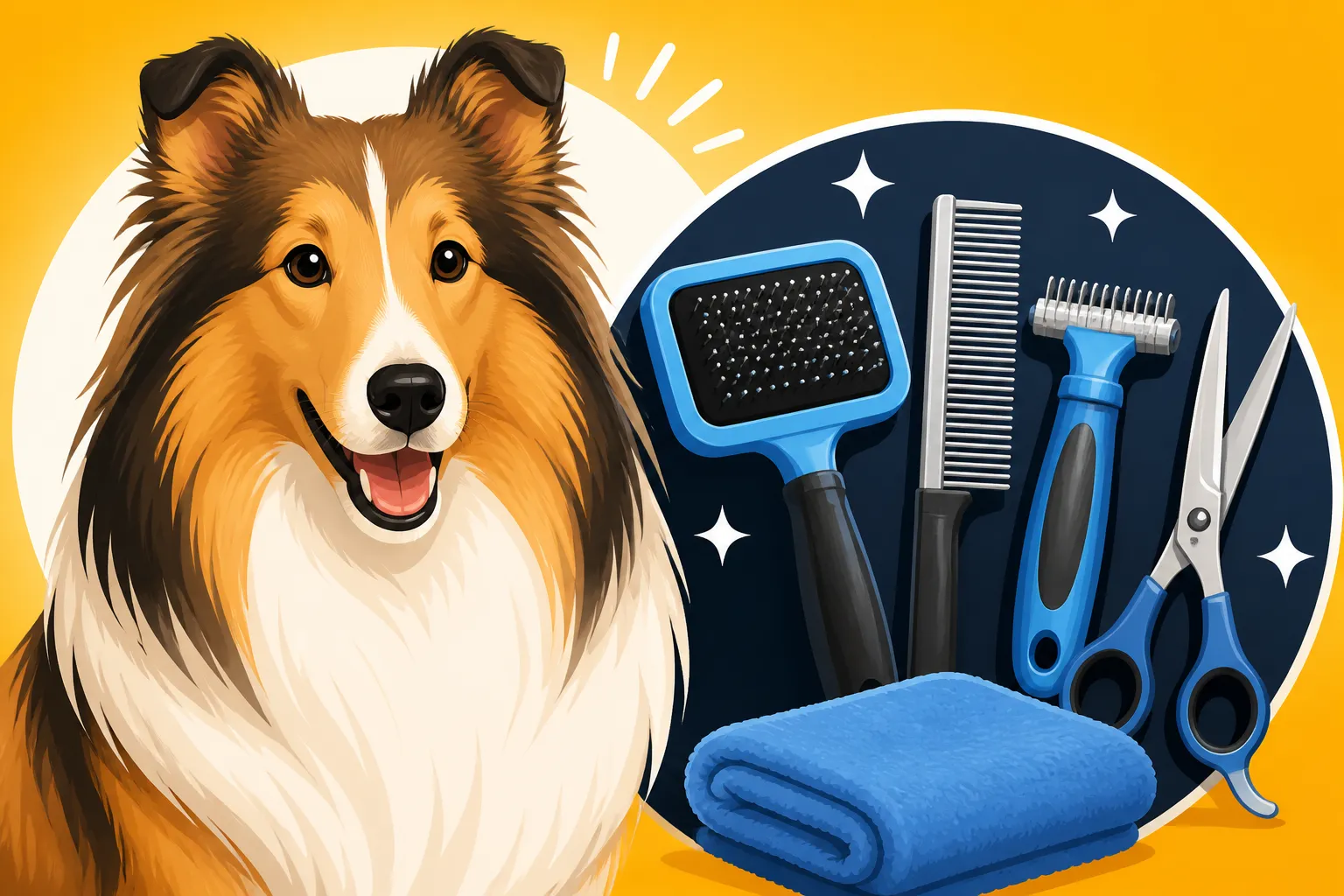
A high-quality pin brush is often the first tool a Collie owner reaches for, and for good reason. It's designed to penetrate the outer coat, reaching down to the undercoat without pulling or causing discomfort. Look for one with smooth, rounded pins that won't scratch your dog's skin. A good pin brush gently separates hairs, removes loose topcoat, and helps to detangle minor snarls, making it an excellent all-around brush for daily or every-other-day use. This tool is particularly useful for maintaining the overall appearance of the coat and for regular maintenance brushing that helps distribute natural oils, keeping the coat healthy and shiny. Think of it as your primary tool for a general sweep through the coat, making sure you reach all the way down.
The Mighty Slicker Brush: Tackling Undercoat and Minor Mats
When it comes to removing dead undercoat and preventing mats, the slicker brush is an indispensable ally. These brushes feature fine, short wires packed closely together, usually angled on a flat or curved surface. The slicker brush is highly effective at grabbing loose undercoat, especially during those heavy shedding periods when your Collie "blows its coat." It can also carefully work through smaller tangles and mats that a pin brush might miss. However, caution is key: the fine wires can be sharp, so always use a light touch, working in layers, and never press hard against your Collie's skin. A good technique involves line brushing, where you part the hair and brush small sections from the skin outwards. This ensures you're reaching deep into the coat, not just skimming the surface. For more on this, you might find our guide on How to Line Brush a Collie very helpful.
The Undercoat Rake: The Ultimate Shedding Weapon
If there's one tool that truly earns its keep during shedding season, it's the undercoat rake, sometimes called a deshedding rake or a V-rake. This tool is specifically designed with long, blunt teeth that can deeply penetrate your Collie's thick outer coat to grab and pull out vast amounts of loose, dead undercoat that would otherwise end up all over your house. Many Collie owners report filling bags with undercoat during these times.
Using an undercoat rake correctly can dramatically reduce shedding indoors, making your life and your vacuum cleaner's job much easier. When selecting an undercoat rake, look for one with rotating pins or teeth that are spaced appropriately to glide through your Collie's coat without snagging. This is not a daily grooming tool; it's reserved for when the undercoat starts to loosen and needs to be extracted. Knowing Which Months a Collie Blows Its Coat can help you anticipate when to bring out this powerful tool.
Tackling the Tough Spots: Specialized Tools for Mats and Knots
Even with diligent regular brushing, mats can sneak up on you. These stubborn clumps of hair, often found behind the ears, in the armpits, or on the feathering of the legs, require specific tools and a patient approach. Attempting to pull or cut out mats with the wrong instruments can be painful for your Collie and potentially damage their coat or skin.
The Wide-Toothed Comb: Detangling and Finishing
After brushing with a pin or slicker brush, a wide-toothed comb is essential for checking your work and thoroughly detangling any remaining snarls. This comb should have teeth that are wide enough not to pull healthy hair but close enough to catch small knots. It's particularly useful for the "finishing" stage of grooming, ensuring that the coat is completely free of tangles from the skin out. A sturdy metal comb with both wide and medium-spaced teeth sections can be incredibly versatile. It allows you to gently work through smaller mats, testing the coat to ensure no hidden tangles remain. It's also fantastic for fluffing up the mane and ruff, giving that classic Collie silhouette. When working on difficult areas like the mane, frill, and petticoat, which are notorious for matting, this comb is invaluable. Our post on Mane, Frill and Petticoat: the Parts of a Collie That Mat offers deeper insights into these problematic areas.
Dematting Rakes and Combs: When Prevention Fails
For those truly stubborn mats that have formed despite your best efforts, a dematting rake or dematting comb becomes necessary. These tools feature sharp, inwardly curved blades designed to safely cut through mats without pulling excessively on the surrounding hair. They are not for everyday use but are lifesavers for occasional, difficult mats. It's critical to use these tools with extreme care, always pulling away from the skin, and only working on dry hair. Never use them on wet hair, as wet hair can tighten mats further and cause more pulling and pain. Remember, patience is a virtue here; trying to rip through a mat quickly will only cause distress to your dog. Learning How to Work Out a Mat Behind a Collie's Ear requires a gentle touch and often one of these specialized tools.
Shears and Scissors: For the Most Delicate Areas
While we generally avoid trimming a Collie's body coat, a small, blunt-nosed pair of grooming shears or scissors can be incredibly useful for specific, delicate tasks. These are perfect for carefully trimming out very small, tight mats that are too close to the skin for a dematting tool, or for tidying up unruly hair between the paw pads. When trimming mats, always place a comb between the mat and the skin to prevent accidental nicks. For general tidying, the hair around the paw pads can become long and slippery, affecting traction. A quick, careful trim with blunt-nosed scissors can prevent this, as well as prevent debris from getting caught. Always err on the side of caution and if you're unsure, consult a professional groomer.
The Finishing Touches: Keeping Your Collie Tidy and Comfortable
Grooming isn't just about removing loose hair; it’s also about ensuring your Collie's overall comfort and hygiene. This includes paying attention to their nails, ears, and keeping their coat clean without over-bathing. These are often areas that are overlooked but contribute significantly to a Collie's well-being.
Nail Trimmers or Dremel: Pedicures for Paws
Long nails can be incredibly uncomfortable, even painful, for a dog, affecting their gait and potentially leading to foot problems down the line. Regular nail care is a must. You have two primary options for keeping your Collie's nails at a healthy length: traditional nail clippers or a Dremel tool (a rotary grinder).
- Nail Clippers: Choose a sturdy, sharp guillotine or scissor-style clipper appropriate for a large breed. Dull clippers can crush the nail, causing pain. It’s vital to only trim the tip, avoiding the quick (the sensitive part of the nail that contains blood vessels and nerves). If your Collie has dark nails, locating the quick can be challenging, so take off very small increments at a time.
- Dremel Tool: Many owners prefer a Dremel for a smoother finish and to gradually wear down the nail, reducing the risk of hitting the quick. It also helps to "round" the nail, which some find preferable. Introduce the Dremel slowly, allowing your Collie to get accustomed to the sound and vibration before touching their nails. Rewarding them with treats and praise during this process can make it a positive experience. Our guide Whether a Dremel Suits a Collie's Nails provides more detailed advice.
Regular nail care not only keeps your dog comfortable but also protects your floors and furniture from scratches.
Ear Cleaners and Cotton Balls: Maintaining Ear Health
Collies have those beautiful semi-prick ears, and while they are generally less prone to ear infections than drop-eared breeds, they still require occasional attention. A good quality ear cleaning solution (vet-approved, of course!) and soft cotton balls are all you usually need. Gently wipe the visible parts of the ear, ensuring no dirt or wax buildup. Never insert anything deep into the ear canal, as this can cause damage. If you notice any redness, discharge, foul odor, or excessive scratching, it's time for a vet visit, as these could be signs of an infection. Maintaining ear hygiene is a simple yet crucial part of your Collie's overall health routine.
High-Velocity Dryer: Speeding Up Bath Time and Deshedding
While not strictly a "brush or comb," a high-velocity force dryer is a game-changer for any Collie owner who bathes their dog at home. Trying to air-dry a Collie, even after toweling, can take hours, leading to potential skin issues like hot spots if the undercoat remains damp. A high-velocity dryer rapidly forces water out of the coat, significantly cutting down drying time. But beyond just drying, these powerful machines are also fantastic deshedding tools. The concentrated blast of air helps to loosen and blow out a surprising amount of dead undercoat, especially after a bath when the hair is softer and easier to release. This can be done both wet and dry. If you're serious about home grooming and want to keep shedding under control, a good quality force dryer is an investment that pays dividends in time saved and a healthier, fluffier coat. For more considerations on this, see Whether a Collie Needs a High Velocity Dryer.
Beyond the Basics: Equipment for the Serious Home Groomer
For those who truly embrace the art of grooming their Collie at home, there are a few additional tools that can elevate your routine from maintenance to professional-level care. These aren't necessarily bought "once" as some may need refills or replacements, but the core equipment is a one-time purchase.
Grooming Table and Arm: Ergonomics for You and Your Dog
Trying to groom a large dog like a Collie on the floor can be a literal back-breaker. A dedicated grooming table with a sturdy, adjustable grooming arm and noose can transform your experience. It raises your dog to a comfortable working height, allowing you to move around them easily and maintain better control. The grooming arm helps keep your Collie safely in place, preventing them from jumping off or constantly turning away. This makes the entire process more efficient and less stressful for both of you. While it's a significant initial investment, the long-term comfort and ease it provides are invaluable, especially if you plan on grooming your Collie regularly yourself. It certainly makes line brushing and detailed work much more manageable.
Quality Shampoos and Conditioners: For a Healthy Coat
While not "tools" in the traditional sense, high-quality shampoos and conditioners are essential for maintaining your Collie's coat health, making the grooming tools work even better. Look for products specifically formulated for dogs with long, double coats, or those designed to address specific concerns like shedding, dry skin, or sensitive skin. Avoid human shampoos, as they have a different pH balance and can irritate your dog's skin. A good conditioner helps to moisturize the coat, reduce static, and make brushing and detangling easier. Brands found on platforms like Chewy offer a wide selection, often with helpful reviews from other dog owners. Always rinse thoroughly to prevent residue buildup, which can lead to skin irritation. Our detailed article Bathing a Collie Without Wrecking the Coat provides excellent tips for bath time.
Deshedding Sprays and Detanglers: Everyday Allies
Beyond the bath, deshedding sprays and detangling conditioners can be incredibly helpful for daily or weekly brushing sessions. A good deshedding spray can help loosen dead undercoat, making it easier for your brushes and rakes to remove. Detangling sprays, when lightly misted over the coat, can help prevent mats from forming and make it easier to work through existing tangles without causing pain. These products often contain ingredients that condition the coat, reduce static electricity, and leave a pleasant scent. They are especially useful for working through the longer feathering on the legs and tail, areas prone to tangles.
Investing Smart: What to Look for in Durable Grooming Tools
You want these tools to last, right? Buying quality grooming equipment initially can save you money and frustration in the long run. Cheap tools can break easily, be ineffective, or even cause discomfort or injury to your Collie. Think of these as an investment in your dog's well-being and your own peace of mind.
Material Quality and Construction
When you're buying grooming tools that you expect to keep for a long time, the materials and construction are paramount. For brushes and combs, look for sturdy handles that feel comfortable in your hand and won't break with regular use. Metal combs should be solid and seamless, with no rough edges that could snag hair or scratch skin. Pin brushes should have pins that are securely set and don't bend or fall out easily. Slicker brushes should have flexible but durable pins. A good set of grooming tools, well-cared for, can easily last the lifetime of your Collie, and perhaps even longer. Consider brands known for their professional-grade equipment; while they might have a higher upfront cost, their durability and effectiveness make them worthwhile.
Ergonomics and Comfort for the Handler
Grooming a Collie is a significant undertaking, often requiring extended periods of brushing. The comfort of the handler is just as important as the effectiveness of the tool. Look for brushes and combs with ergonomic handles that fit well in your hand, reducing strain and fatigue. Non-slip grips are a huge plus, especially if you're working on a squirmy dog or if your hands get a little damp during the process. When you're spending potentially How Many Hours a Year a Collie Owner Spends Brushing – and it's a lot! – having tools that feel good in your hand makes the task less of a chore and more of a bonding experience. It’s also important for building a positive routine, as a comfortable handler is a more patient handler, which helps teach your Collie puppy to lie still for grooming.
Safety Features and Canine Comfort
The most important aspect of any grooming tool is that it's safe and comfortable for your Collie. Rounded pins on brushes, blunt tips on shears, and well-designed dematting tools that minimize pulling are crucial. Always examine new tools for sharp edges or defects before using them. Introduce new tools slowly and positively, associating them with treats and praise. Remember, grooming should be a positive experience for your dog. Investing in tools that prioritize their comfort can prevent a nervous or resistant dog, making future grooming sessions much easier. Just as you invest in a quality diet like that offered by Ollie for their internal health, and consider coverage from providers like Healthy Paws for their medical needs, investing in comfortable grooming tools is a fundamental part of their external well-being and overall quality of life.
| Tool Type | Primary Function | Best For | Key Feature to Look For |
|---|---|---|---|
| Pin Brush | General detangling, surface hair removal, fluffing | Daily brushing, distributing oils, gentle detangling | Rounded pins, comfortable handle |
| Slicker Brush | Undercoat removal, minor mat prevention | Removing dead undercoat, tackling small tangles | Fine, angled wires; use with light touch |
| Undercoat Rake | Deep undercoat removal during shedding | Heavy shedding periods, pulling out large amounts of loose undercoat | Long, blunt teeth, often rotating |
| Wide-Toothed Comb | Detangling, checking for mats, fluffing | Finishing touches, working through tangles, styling mane and ruff | Sturdy metal, varying tooth spacing |
| Dematting Rake/Comb | Cutting through stubborn mats | Serious mats and tangles too tight for brushes or combs | Sharp, inwardly curved blades (use with care) |
| Nail Clippers | Trimming nails | Keeping nails short, preventing discomfort | Sharp, appropriately sized for large breed |
| Dremel Tool | Grinding nails smooth | Gradual nail shortening, rounding nails, minimizing quicking risk | Quiet operation, multiple grit attachments |
| High-Velocity Dryer | Rapid drying, deshedding | Post-bath drying, blowing out loose undercoat (wet or dry) | Powerful motor, adjustable heat/speed |
Longevity and Care of Your Grooming Arsenal
Buying these tools is only the first step; maintaining them properly will ensure they last as long as possible and remain effective. Just like any other investment, a little care goes a long way.
Cleaning and Storage Best Practices
After each grooming session, take a moment to clean your tools. Remove all hair from brushes and combs. For slicker brushes, a brush cleaner or another comb can help pull out trapped hair. You can wash most metal and plastic tools with warm, soapy water, making sure to rinse them thoroughly and dry them completely to prevent rust or mildew. Store your tools in a clean, dry place, ideally in a dedicated grooming kit or drawer, to protect them from damage and keep them hygienic. Keeping your tools clean not only extends their life but also prevents the transfer of dirt, oils, or potential skin irritants back to your Collie's coat.
When to Replace or Sharpen Tools
Even the highest quality tools won't last forever without some attention.
- Brushes: Replace pin brushes if the pins become bent, rusty, or start falling out. A worn-out slicker brush with dulled or bent wires won't be effective and could scratch your Collie's skin.
- Combs: Metal combs are generally very durable, but if teeth become bent or broken, it's time for a replacement.
- Clippers/Shears: Nail clippers will eventually dull and should be replaced or professionally sharpened. If you use grooming shears, they too will need sharpening over time to remain effective and safe.
Regularly inspecting your tools for wear and tear is part of responsible pet ownership. A well-maintained grooming kit ensures that every session is efficient, comfortable, and beneficial for your beloved Collie. Investing in good tools upfront, caring for them, and knowing when it's time for a refresh means you'll always be ready to tackle that glorious Collie coat. For more insights on tool longevity, consider reading How Long a Set of Collie Grooming Tools Lasts.
Disclaimer
This article is for general informational purposes only and does not constitute professional advice. Laws, prices and regulations vary by location and change over time. Consult a qualified professional for guidance on your specific situation.