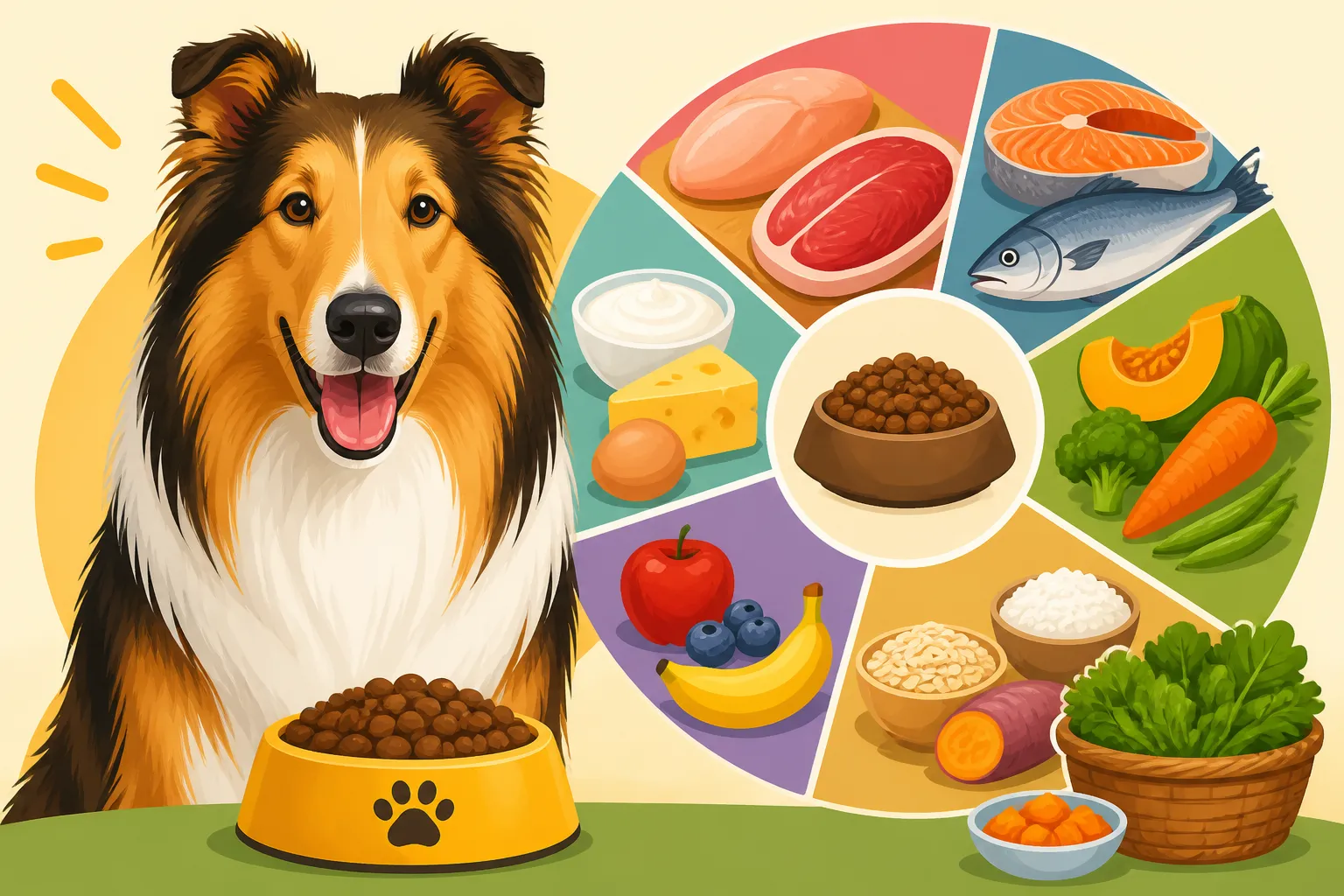
What a Collie Eats in a Month
You've brought your beautiful Collie home, and you’re probably thinking about all the fun walks, the cuddles, and maybe even a little bit of grooming. But let's be real, one of the biggest, ongoing considerations for any Collie parent is their food bowl. It’s not just about picking any dog food; it’s about understanding the nuances of their nutritional needs, the various options available, and how all of that translates into your monthly budget. It can feel overwhelming to navigate the aisles of a pet store or endless online options, trying to figure out what's best without breaking the bank. This guide will take a deep dive into what a Collie eats in a month, exploring the factors that influence their diet, the different types of food, and practical ways to manage these essential expenses.
Factors Influencing a Collie's Food Needs
When you think about feeding your Collie, it’s easy to just grab a bag that says "large breed," but there's a lot more to it than that. A Collie isn't just a dog; they are a specific breed with distinct characteristics that greatly influence their dietary requirements. Understanding these factors is key to providing optimal nutrition and also to estimating your monthly food costs accurately.
Size, Activity Level, and Metabolism
Collies are generally medium to large-sized dogs, with adult males often weighing in the 60-75 pound range and females slightly less. This isn't a tiny lap dog, so naturally, they require a substantial amount of food to fuel their bodies. The sheer volume of food needed means that even small differences in price per pound can add up significantly over a month. A Collie's daily caloric intake will directly correspond to their size and build.
Beyond their physical size, their activity level plays a huge role. A Collie that spends its days actively herding, participating in dog sports like agility or obedience, or accompanying you on long hikes will burn far more calories than a Collie whose primary activity is gentle walks and napping on the couch. Think about it: a working Collie on a farm needs more fuel than a cherished family companion. The higher their energy output, the more food they'll need to maintain a healthy weight and energy level, directly impacting how quickly you go through that bag of kibble. You might even find yourself going through a large bag weeks faster than you anticipated. It’s a common frustration to realize that your initial budget for food might need adjusting upwards once you see how much your active Collie truly needs. For more specific numbers, consider reading How Much Food a Seventy Pound Collie Eats Monthly.
Age and Health Considerations
Just like humans, a Collie's nutritional needs change drastically throughout their life. A growing puppy requires a diet specifically formulated for development, rich in protein, calcium, and other nutrients to support rapid bone and muscle growth. These specialized puppy formulas can sometimes be priced differently than adult maintenance foods, and you'll likely be feeding multiple smaller meals throughout the day as a puppy, leading to a consistent draw on your food supply.
As your Collie matures into adulthood, their growth slows, and their diet transitions to maintenance. Then, as they enter their senior years, their metabolism often slows down, and they might become less active. At this stage, they may need fewer calories to prevent weight gain, and often benefit from foods with joint support ingredients or formulas tailored for aging digestive systems. Some senior foods also contain lower protein levels or different nutrient balances to support kidney health. Special dietary needs due to health conditions, such as allergies, sensitivities, or diseases like diabetes or kidney issues, can also significantly alter food choices and costs. A vet-prescribed therapeutic diet, while vital for health, typically comes at a higher price point than conventional dog foods. It's a prime example of how health can directly dictate your monthly expenditure. For instance, if your Collie needs special food for sensitive skin or digestion, those options usually carry a premium.
Types of Dog Food and Their Impact on Monthly Costs
The pet food market is vast, offering an array of choices that can make your head spin. Each type of food comes with its own set of benefits, drawbacks, and, of course, price tags that will directly affect your monthly spending on your Collie. Understanding the differences is crucial for making informed decisions.
Dry Kibble Versus Wet Food
Dry kibble is often the most economical choice for many Collie owners. It's convenient, has a long shelf life, and the larger bags tend to offer better value per serving. Kibble formulations vary widely, from budget-friendly options to premium, limited-ingredient, or grain-free varieties. The ingredients list often dictates the price: kibble with higher quality protein sources, novel proteins, or added supplements will naturally cost more. Even within kibble, there's a significant range. For example, a basic chicken and rice formula from a widely available brand will be on the lower end, while a single-source protein, ancient grain, or specialized formula designed for sensitive stomachs will be considerably more expensive per bag.
Wet food, on the other hand, is generally much more expensive per calorie. While some Collies adore its palatability and higher moisture content, feeding a large breed like a Collie solely on wet food can quickly become a significant financial commitment. Imagine how many cans or pouches it would take to provide sufficient calories for a 70-pound dog for a month! Many owners opt to use wet food as a topper or a special treat mixed with kibble to add variety and appeal, rather than as a complete diet. This way, you get some of the benefits without the exorbitant monthly cost. It’s about finding that balance between what your Collie loves and what your wallet can handle.
Fresh, Raw, and Home-Cooked Diets
The trend towards fresh, raw, or home-cooked diets for dogs has grown, driven by owners seeking to provide what they perceive as more natural or species-appropriate nutrition. These options, however, typically represent the highest tier of monthly food expenses. Fresh food diets, often delivered frozen or refrigerated, are made with human-grade ingredients and cooked minimally. Services like Ollie deliver pre-portioned meals, taking the guesswork out of feeding, but the convenience and quality come at a premium.
Raw diets, often referred to as BARF (Biologically Appropriate Raw Food) or prey model, involve feeding uncooked meat, bones, and organs. This requires meticulous sourcing of high-quality, safe ingredients, strict handling to prevent contamination, and a deep understanding of canine nutrition to ensure a balanced diet. The cost of human-grade meats, especially specialty cuts, can add up quickly. Similarly, preparing home-cooked meals for your Collie, while allowing for full control over ingredients, involves the cost of groceries – often organic or specific cuts of meat and vegetables – plus the time and effort of preparation. Ensuring these diets are nutritionally complete and balanced, especially for a large breed Collie, can be challenging without veterinary nutritional guidance, and nutrient imbalances can lead to long-term health issues. When considering these options, it's not just the raw ingredient cost, but the potential for added supplements to ensure nutritional completeness that can inflate your monthly spending.
Beyond the Bowl: Treats, Supplements, and Other Edibles
While the main meal takes up the largest portion of your Collie's food budget, it's far from the only thing they'll be consuming. Treats, chews, and nutritional supplements are often essential parts of a Collie's diet and daily life, and their costs can significantly add to your monthly expenses if not managed carefully.
Training Treats and Chews
Training treats are indispensable, especially for a young Collie puppy or an adult dog learning new commands. Collies are intelligent and generally eager to please, but positive reinforcement with high-value treats can make training sessions much more effective. However, those small, delectable morsels can disappear surprisingly fast, especially if you're working on complex behaviors or attending multiple training classes. Imagine going through a bag or two of premium training treats a week – that adds up!
Beyond training, many Collies enjoy recreational chews, which can range from dental sticks and rawhides to bully sticks and antlers. These chews serve various purposes: promoting dental health, providing mental stimulation, or simply satisfying a natural urge to chew. While a good chew can keep your Collie occupied and happy, they are an additional line item in your monthly budget. Some chews are consumable and need frequent replacement, while others, like antlers, are more durable but come with a higher initial price. It’s important to select appropriate chews for your Collie's size and chewing style to prevent choking hazards or dental damage. This can sometimes feel like a hidden cost that sneaks up on you, as you replenish supplies more often than you might expect.
Nutritional Supplements
Despite feeding a high-quality diet, some Collies might benefit from nutritional supplements. This is especially true as they age or if they have specific health concerns. Common supplements for Collies might include joint support (glucosamine, chondroitin, MSM) to help maintain healthy joints, especially given their active nature and predisposition to conditions like hip dysplasia. Hip Dysplasia in a Collie is a topic many owners research as their dogs age. Fish oil, rich in Omega-3 fatty acids, is often given for coat health, skin condition, and its anti-inflammatory properties. Other supplements might target digestive health, anxiety, or cognitive function in older dogs.
While these supplements can be invaluable for your Collie's well-being, they represent an ongoing monthly cost. The price can vary significantly depending on the brand, the active ingredients, and the dosage required for your Collie's weight. It’s always best to discuss any potential supplements with your veterinarian to ensure they are appropriate and won't interact negatively with any other medications your Collie might be taking. Just like human vitamins, quality supplements aren't cheap, and budgeting for them is a realistic part of Collie ownership. For a broader look at yearly costs, refer to What a Collie's Supplements Cost Yearly.
Dental Chews and Toppers
Maintaining good dental hygiene is paramount for your Collie's overall health, and dental chews can play a role alongside regular brushing. These chews are designed to help reduce plaque and tartar buildup through abrasive action or specialized ingredients. While they contribute to oral health, they are consumable and need to be purchased regularly, adding to your monthly outlay.
Similarly, many owners use food toppers – whether it's a sprinkle of freeze-dried meat, a spoonful of pure pumpkin, or a drizzle of bone broth – to entice picky eaters, add extra nutrients, or simply make mealtime more exciting. While often used in smaller quantities, these additions still contribute to the overall monthly food budget. For example, a high-quality bone broth for dogs can be a bit pricey, and if you use it daily, it will add up. It’s a common scenario where you start with good intentions of just a "little bit" extra, and then suddenly realize these small additions have become a regular, substantial expense.
Strategies for Managing a Collie's Monthly Food Budget
Feeding a Collie well doesn't have to bankrupt you. With a bit of planning and smart shopping, you can provide your beloved companion with nutritious meals without constantly feeling the pinch. It's all about making informed choices and leveraging available resources.
Buying in Bulk and Utilizing Sales
One of the most effective ways to save money on your Collie's food is to buy in larger quantities. Large bags of kibble or cases of wet food often come with a lower unit price compared to smaller packages. If you have the storage space and can ensure the food stays fresh, purchasing the biggest bag available can lead to significant savings over time. However, be mindful of expiration dates and how quickly your Collie consumes the food to avoid waste. Storing food in airtight containers is crucial to maintain freshness and prevent pests.
Keeping an eye out for sales and promotions is another smart move. Many pet supply stores, both brick-and-mortar and online, frequently offer discounts, buy-one-get-one deals, or loyalty programs. Signing up for newsletters or following your favorite brands on social media can alert you to these opportunities. Online retailers like Chewy are well-known for their competitive pricing, auto-ship discounts, and wide selection, making it easier to compare prices and stock up when deals arise. Sometimes, it's worth buying an extra bag or two when it's on sale, if you know you'll use it within a reasonable timeframe. This proactive approach can make a noticeable difference in your overall monthly expenditure.
Exploring Subscription Services and Home Delivery
Subscription services have become increasingly popular for pet food, offering both convenience and potential cost savings. Many brands, particularly those specializing in fresh or specialized diets, operate on a subscription model. These services often provide a discount for regular deliveries and ensure you never run out of food. For busy Collie owners, the convenience of having food delivered directly to your doorstep, on a schedule tailored to your dog's consumption rate, can be a lifesaver.
While the initial per-meal cost for fresh food services like Ollie might seem higher than traditional kibble, some owners find the benefits of quality ingredients and customized portions worth the investment. It’s important to calculate the total monthly cost of a subscription versus buying traditional food from a store. Sometimes, the added value of specific formulations, portion control, and convenience can justify the price point. These services often have flexible plans, allowing you to adjust delivery frequency or portion sizes as your Collie's needs change. It's a modern solution to a classic problem, offering predictability in both nutrition and budgeting.
DIY Options and Smart Substitutions
For those with the time and inclination, preparing some of your Collie's food or treats at home can be a cost-effective alternative. Baking your own dog biscuits using simple, wholesome ingredients like oats, pumpkin, or peanut butter can be much cheaper than buying gourmet store-bought treats. You control the ingredients, avoiding unwanted additives, and can often make a large batch that lasts for weeks.
When it comes to meals, supplementing commercial food with cooked vegetables or lean meats can stretch your budget and add variety. Adding things like plain cooked sweet potato, green beans, or boiled chicken (without bones or seasoning) can increase meal volume without significantly increasing calorie density, which can be helpful if your Collie needs to lose a few pounds under all that coat. Signs a Collie Is Overweight Under All That Coat can be tricky to spot. However, if you're considering making a substantial portion of your Collie's diet at home, it is absolutely vital to consult with a veterinarian or a veterinary nutritionist to ensure the diet is complete and balanced. Unbalanced home-cooked diets can lead to serious nutrient deficiencies or excesses, which can result in costly health problems down the line. A little bit of homemade goodness can be wonderful, but full DIY meal prep requires expertise.
Feeding a Collie Through Different Life Stages
A Collie's life journey is marked by distinct phases, each with its own set of dietary requirements. Understanding and adapting to these changes is crucial for their health and well-being, and it invariably influences your monthly food budget.
Puppyhood's Demands
Bringing home a Collie puppy is an exciting time, but it also means stepping into a period of rapid growth and high energy. Collie puppies need a diet specifically formulated for large breed puppies, which supports controlled growth to prevent bone and joint issues. These diets are typically higher in calories, protein, and specific minerals like calcium and phosphorus, but in carefully balanced ratios. You'll likely be feeding your puppy multiple small meals throughout the day – perhaps three or four times – which means you'll go through food faster than you might expect.
The cost of puppy food can sometimes be a bit higher per bag than adult formulas, reflecting the specialized ingredients and nutritional density. It’s not just about quantity, but quality. Investing in a good quality large breed puppy food during this critical developmental stage is paramount for laying the foundation for a healthy adult life. Skimping on quality during puppyhood can have long-term consequences that far outweigh any short-term savings. For more details on what to expect during this stage, check out What a Collie Puppy Eats at Four Months and Whether a Collie Needs a Large Breed Formula. This intensive feeding period gradually tapers as they approach adulthood, usually around 12-18 months, which is when you'll typically transition them to an adult formula.
Adult Maintenance
Once your Collie reaches maturity, typically between one and two years of age, their dietary needs shift to maintenance. The goal now is to provide a balanced diet that supports their energy levels, maintains a healthy weight, and keeps their coat and skin in top condition. Adult Collies usually eat one or two meals a day, depending on your routine and their preference. The specific amount will depend on their size, metabolism, and activity level. As discussed, a highly active Collie will require more food than a more sedentary one.
This is the longest phase of a Collie's life, and consistency in diet is often beneficial. Many owners find a high-quality adult kibble that works well for their dog and stick with it. During this phase, you might experiment with different brands or protein sources to see what your Collie thrives on best, but significant changes should always be introduced gradually to avoid digestive upset. The monthly cost during this stage is generally predictable, assuming no major health changes, and is primarily dictated by the quality and type of adult dog food you choose. This is often where online subscriptions or bulk buying really shine in terms of cost management.
Senior Dog Adjustments
As your Collie ages, typically around 7-9 years old, they enter their senior years. This transition often brings changes in metabolism, activity levels, and potential health concerns. The Age a Collie Is Considered Senior might surprise some owners. Senior Collies may become less active, leading to a reduced caloric need to prevent weight gain. Their digestive systems might become more sensitive, and their teeth might not be as strong, making softer foods or smaller kibble a consideration. Joint health becomes an even bigger priority, so foods fortified with glucosamine and chondroitin, or specific joint supplements, are often recommended.
Many senior dog formulas are designed to be lower in calories but higher in fiber, and often include ingredients to support cognitive function, joint health, and a healthy immune system. While these specialized senior diets can sometimes be a little more expensive, the benefits to your aging Collie's quality of life are immeasurable. Regular veterinary check-ups become even more important during this stage, as your vet can help you tailor your Collie's diet to address any emerging health issues. Adjusting their food intake and potentially adding supplements means that while their overall volume of food might decrease, the cost of their diet could remain stable or even increase due to specialized ingredients.
Planning for Unexpected Food-Related Costs
Even with the best intentions and a meticulously planned budget, unexpected costs related to your Collie's food can arise. These can range from sudden dietary changes due to illness to finding yourself needing specialty products you hadn't anticipated. Being prepared for these contingencies is a smart part of responsible Collie ownership.
Veterinary Prescribed Diets and Allergy Management
One of the most common unexpected food-related costs comes from veterinary-prescribed therapeutic diets. If your Collie develops a specific health condition such as kidney disease, pancreatitis, severe allergies, or certain gastrointestinal disorders, your vet might recommend a prescription diet. These diets are scientifically formulated to manage or alleviate symptoms of specific medical conditions and are only available through veterinary clinics or with a vet's authorization.
The reality is that prescription diets are almost always significantly more expensive than over-the-counter foods. They are specialized products with specific nutrient profiles and often unique ingredients. For instance, if your Collie develops severe food allergies and requires a hydrolyzed protein diet, the monthly cost for that food will be substantially higher than a standard kibble. Managing food allergies can be a complex and frustrating journey, often involving elimination diets and trial-and-error, which can also incur additional costs in specialized single-ingredient foods or limited-ingredient treats. While pet insurance providers like Healthy Paws are excellent for covering unexpected illnesses and accidents, food costs, even prescription ones, are usually an out-of-pocket expense, making it crucial to factor this potential into your long-term budget.
Specialized Feeding Equipment and Storage
Beyond the food itself, there are other items that contribute to your monthly or periodic spending. Specialized feeding equipment can include slow feeder bowls, which are excellent for Collies who tend to "hoover" their food too quickly, potentially reducing the risk of bloat – a serious concern for deep-chested breeds. Why a Collie's Chest Shape Raises Bloat Risk is a topic every Collie owner should understand. Elevated feeding bowls might be considered by some, though current veterinary opinion on their benefits for bloat prevention is mixed.
Airtight food storage containers are an absolute must for keeping large quantities of kibble fresh and free from pests. Investing in high-quality containers upfront means a one-time cost, but if they need replacing, that's another expense. For owners of raw or fresh-fed Collies, adequate freezer space and storage containers for pre-portioned meals are essential, adding to household utility costs or requiring additional appliance purchases. Even something as simple as a snood to keep those beautiful long ears out of the food bowl can be an ongoing purchase if they wear out or get lost. These might seem like minor items, but when added to the primary food cost, they contribute to the overall expenditure of feeding your Collie.
Emergency Food Supplies and Travel Considerations
It's always a good idea to have a small emergency supply of your Collie's regular food on hand, perhaps a smaller bag or a few cans of wet food, in case of unexpected events like severe weather that prevents you from getting to the store, or a last-minute trip. While not a monthly cost, replenishing this emergency stash periodically will factor into your budget.
When traveling with your Collie, you'll also need to consider how to transport their food, especially if they're on a specialized diet. This might mean purchasing smaller travel containers, portable water bowls, or even pre-packaged travel meals. If you board your Collie, some kennels may require you to provide their regular food to avoid dietary upset, which means you need to pack enough for their stay. All these small considerations contribute to the real, holistic cost of feeding a Collie throughout their life, extending beyond just the price of a bag of kibble.
Here is a comparison of different dog food types, offering a general overview of factors that impact your monthly budget for your Collie:
| Food Type | Typical Monthly Cost (Relative) | Convenience | Perceived Health Benefits | Common Scenarios |
|---|---|---|---|---|
| Dry Kibble | Lowest to Moderate | High | Dental health, balanced nutrition | Everyday feeding for most Collies, bulk purchasing |
| Wet Food | Moderate to High | Moderate | Hydration, palatability | Toppers for kibble, picky eaters, dental issues |
| Fresh/Gently Cooked | High | Moderate to High | Digestibility, higher quality ingredients | Sensitive stomachs, improved coat, specific health needs |
| Raw Diet (DIY) | Highest | Low | Bioavailability, natural enzymes | Highly knowledgeable owners, specific health goals |
| Prescription Diet | Highest | Moderate | Targeted medical support | Managing specific medical conditions (allergies, kidney issues) |
This article is for general informational purposes only and does not constitute professional advice. Laws, prices and regulations vary by location and change over time. Consult a qualified professional for guidance on your specific situation.