What a Second Opinion Costs a Collie Owner
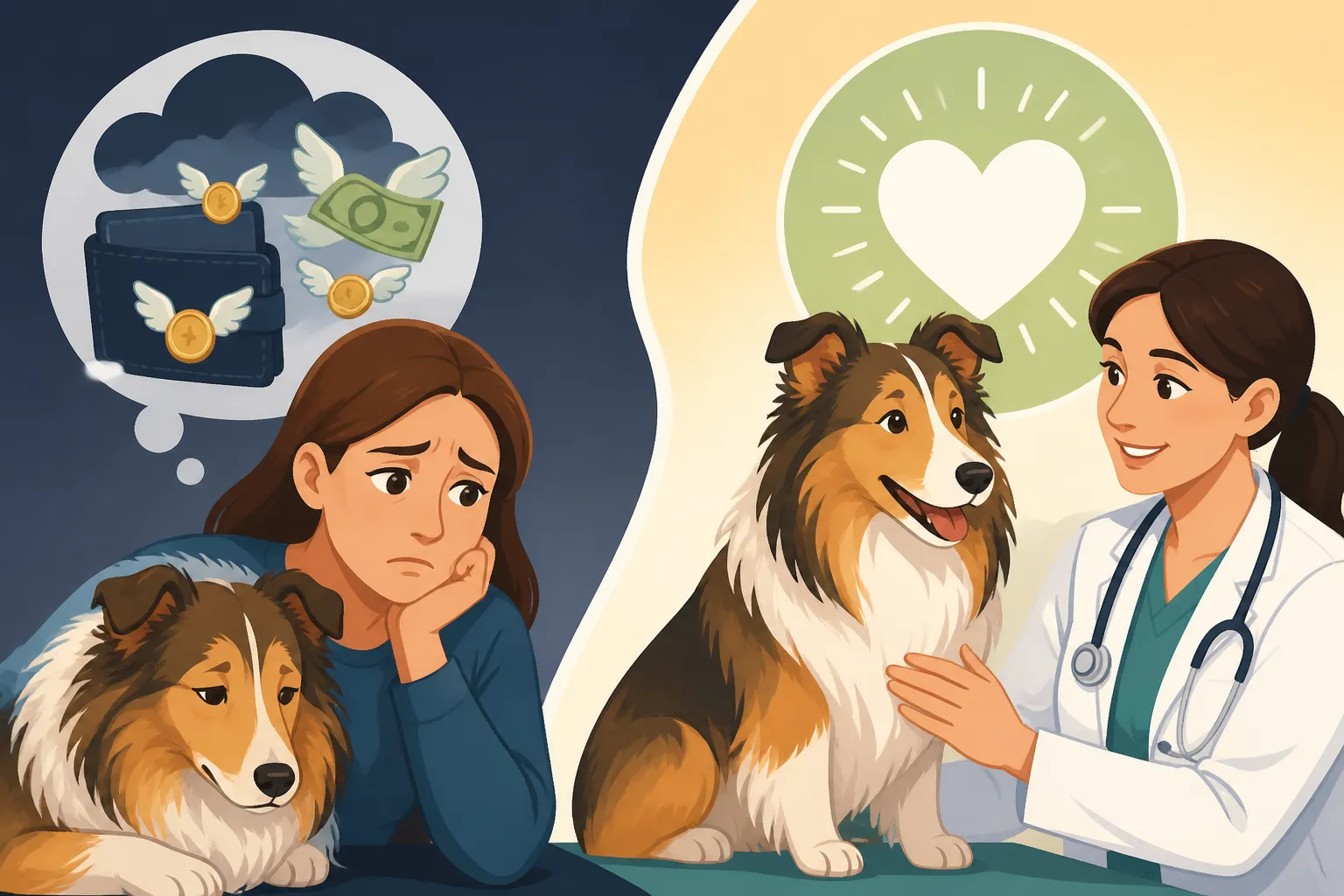
It’s a truly awful feeling when your beloved Collie receives a serious diagnosis, or perhaps you’ve been following a treatment plan that just isn't yielding the results you hoped for. You might be left feeling confused, worried, and wondering if there's another path or a different explanation. This guide is here to walk you through what to expect when seeking a second opinion for your Collie, focusing on the potential costs involved and how to navigate this often-stressful process to ensure the best care for your furry family member.
Why You Might Seek a Second Opinion for Your Collie
The decision to get a second opinion isn't a slight against your primary veterinarian; it's a responsible step many dedicated pet owners take when facing complex health issues. It's about due diligence, exploring all avenues, and gaining peace of mind that you're making the most informed choices for your Collie's health and well-being.
Serious or Complex Diagnoses
When your Collie is diagnosed with something profound like cancer, a neurological disorder, a severe orthopedic condition, or an unusual autoimmune disease, the initial shock can be overwhelming. These diagnoses often come with difficult treatment decisions, potentially invasive procedures, and significant financial commitments. You might find yourself questioning if there are other, less aggressive, or perhaps more effective treatment options available. For example, a diagnosis of Epilepsy in the Collie might lead you to seek out a veterinary neurologist to ensure the seizure protocol is truly optimized, especially if initial medications aren't fully controlling the episodes. Similarly, if your Collie has symptoms pointing to something like Dermatomyositis and the Collie Risk Panel, a specialist dermatologist might offer insights your general vet cannot.
Lack of Progress or Persistent Symptoms
Sometimes, despite your best efforts and adherence to veterinary advice, your Collie's condition simply isn't improving, or new, puzzling symptoms emerge. Perhaps they’ve been on medication for a chronic issue, but the discomfort or underlying problem persists. This lack of resolution can be incredibly frustrating and disheartening. It's in these moments that a fresh set of eyes, or a specialist with deeper expertise in a particular area, can be invaluable. They might identify a subtle nuance missed before, suggest alternative diagnostic tests, or propose a different therapeutic approach.
Conflicting Advice or Owner Discomfort
It’s not uncommon to encounter slightly different opinions, even among highly competent veterinarians. Maybe you’ve seen more than one general practitioner, and their approaches vary. Or perhaps you just have a gut feeling that something isn't quite right. That intuition, as a devoted Collie owner, is incredibly powerful. You know your dog better than anyone. If you feel uneasy about a diagnosis, a recommended treatment, or simply aren't connecting with your current vet's communication style, seeking another perspective is perfectly valid. It's about finding a vet team you trust completely and who can clearly explain the options available. This is particularly true when dealing with conditions that impact quality of life and lifespan, such as understanding How Long a Collie Lives and What Ends It.
Understanding the Financial Side of a Second Opinion
The cost of a second opinion for your Collie can vary widely, much like healthcare for humans. It's not just about the consultation itself, but also what new diagnostics might be needed, and whether you're seeing a general practitioner or a board-certified specialist.
General Practitioner Second Opinion
Sometimes, all you need is a different general practice veterinarian to review your Collie's case. This might happen if you've moved, or if you simply want another set of eyes on a less complex, but still concerning, issue. The cost for this type of second opinion will typically involve a standard examination fee, similar to what you'd pay for an initial visit at a new clinic. They will spend time reviewing your Collie's medical records, performing a thorough physical exam, and discussing your concerns. If no new diagnostics are ordered, this can be the most budget-friendly option. However, if they feel additional bloodwork, X-rays, or other tests are warranted, those costs would be added on.
Specialist Consultations
This is where the costs can become more substantial, but often, the specialized knowledge is exactly what your Collie needs. When dealing with complex conditions, your primary vet might recommend a referral to a veterinary specialist. These are veterinarians who have completed extensive additional training, residencies, and passed rigorous board certification exams in a specific field, such as internal medicine, oncology, cardiology, ophthalmology, or neurology.
- Internal Medicine Specialists: If your Collie has unexplained chronic vomiting, kidney disease, or a complex endocrine disorder, an internist will delve deep.
- Oncologists: For cancer diagnoses, an oncologist will discuss treatment protocols like chemotherapy, radiation, or surgery.
- Ophthalmologists: For eye conditions beyond the common Collie Eye Anomaly Affects Most Collies, So Ask How Badly, or if vision is deteriorating, an ophthalmologist is crucial.
- Dermatologists: If your Collie is suffering from severe skin allergies, recurring infections, or conditions like Dermatomyositis and the Collie Risk Panel, a dermatologist can offer advanced diagnostics and tailored treatment plans.
A specialist consultation fee alone will generally be significantly higher than a general practice visit. This fee covers their time reviewing extensive medical records (which you must provide), performing a specialized examination, and formulating a comprehensive diagnostic and treatment plan. They might also suggest advanced tests that weren't available or considered at a general practice, such as specialized imaging (MRI, CT scans), biopsies, or advanced blood panels, all of which come with their own costs.
Remote or Telehealth Second Opinions
The world of veterinary medicine is always evolving, and remote consultations are becoming more accessible. For certain conditions, or for an initial review of records, a telehealth second opinion might be an option. This usually involves sending your Collie's medical records, diagnostic images, and videos to a specialist who reviews them and provides a written opinion or a video consultation. While potentially more convenient and sometimes less costly than an in-person specialist visit, it does have limitations as the vet cannot perform a physical examination. This option is often best for reviewing a diagnosis or treatment plan that's already in place, rather than starting from scratch with a mystery illness.
Key Factors Influencing the Cost
Many variables come into play when determining the final price tag for a second opinion. Understanding these can help you budget and prepare.
The Specialist's Expertise and Location
As mentioned, seeing a board-certified specialist will inherently be more expensive than seeing another general practitioner. Their years of advanced training and specific diagnostic equipment come at a premium. Furthermore, the geographic location of the veterinary clinic plays a huge role. Veterinary services in major metropolitan areas or affluent suburbs tend to have higher overheads, leading to higher consultation and procedure fees compared to rural areas.
Necessary Diagnostics and Procedures
The biggest variable in the total cost of a second opinion often isn't the consultation fee itself, but the new diagnostics or procedures the second vet recommends. If the new vet determines that previous tests were insufficient, or if they need to rule out other conditions, they might recommend:
- Repeated or New Bloodwork: Sometimes, a specialist needs specific markers or more comprehensive panels.
- Advanced Imaging: X-rays, ultrasound, CT scans, or MRI might be recommended for clearer insights into internal issues, especially for conditions like Bloat in a Deep Chested Collie or suspected tumors.
- Biopsies: For suspicious growths or persistent skin issues, a biopsy might be necessary.
- Specialized Tests: For neurological issues, an EMG (electromyography) might be suggested, or for eye problems, an ERG (electroretinography).
Each of these adds to the overall bill. It’s important to understand why these tests are being recommended and whether they are truly essential for refining the diagnosis or treatment plan.
Complexity of the Case
A case involving multiple underlying conditions, a long history of symptoms, or one that has defied previous diagnosis will naturally take more time for a new veterinarian to review. Specialists often block out a significant amount of time for initial consultations to thoroughly go through your Collie's entire medical history, ask detailed questions, perform a comprehensive exam, and then clearly explain their findings and recommendations. This extensive time commitment is reflected in the consultation fee.
Pre-Consultation Work and Record Gathering
While not a direct cost from the new vet, the time and effort you put into gathering all your Collie’s previous medical records are crucial. Organized, complete records can save the new vet time and potentially reduce the need for repeat diagnostics. This includes all lab results, imaging reports, surgical notes, and medication history. If your previous vet charges a fee for copying or transferring records, that would be a small, but necessary, part of the overall cost.
What to Expect During a Second Opinion Consultation
Knowing what the process entails can help reduce your anxiety and make the most of the appointment.
Gathering and Submitting Records
Before your appointment, the new veterinary clinic, especially if it's a specialist, will typically ask you to send all of your Collie's relevant medical records from your primary veterinarian. This includes any history, lab results, imaging reports, and previous treatment plans. This allows the new vet to review the full scope of your Collie's health journey before you even walk through the door. Make sure everything is organized; it will save you time and money in the long run.
The Thorough Examination
When you arrive, the new veterinarian will conduct a comprehensive physical examination of your Collie. Even if your primary vet did one recently, they will want to perform their own assessment. This isn't just a quick check-over; it's a detailed evaluation to identify any subtle cues or symptoms that might have been overlooked, or to get their own baseline understanding of your Collie's current condition.
Discussion and Recommendations
This is the core of the second opinion. The vet will discuss their findings with you, compare them to the previous records, and offer their insights. They will explain if they agree with the original diagnosis, suggest alternative diagnoses, or propose a different treatment strategy. They will outline any recommended additional diagnostics, explaining the rationale behind each one and what information they hope to gain. This is your opportunity to ask every question you have, no matter how small. They should provide a clear, detailed plan moving forward, whether that involves new medications, a change in diet (perhaps with something like Ollie's fresh food plans, or specialized prescription diets available through retailers like Chewy), or a referral to yet another specialist.
Is a Second Opinion Worth the Investment?
When your Collie's health is on the line, the financial aspect of a second opinion can be daunting. However, the benefits often far outweigh the costs, offering both tangible and intangible returns.
Peace of Mind
For many owners, the greatest value of a second opinion is the peace of mind it provides. When you're facing an uncertain diagnosis or a treatment that isn't working, the emotional toll can be immense. Getting a thorough review from another qualified professional, especially a specialist, can either confirm you're on the right track or reveal a new, more effective path. Knowing you've explored all reasonable options can help you feel confident in the decisions you're making for your beloved Collie.
Potentially Better Outcomes and Long-Term Savings
A second opinion can literally be life-saving. It might lead to a more accurate diagnosis, a more appropriate treatment plan, or catch a developing issue before it becomes critical. Imagine if a second opinion on your Collie's lameness uncovers an early stage Hip Dysplasia in a Collie that can be managed proactively, preventing much more expensive surgery down the line. Or perhaps a specialist refines a medication protocol for a chronic condition, improving your Collie's quality of life and reducing the frequency of emergency visits. While the initial cost can seem high, it could prevent even greater expenses, pain, and suffering in the long run.
Preventing Unnecessary Treatments
Conversely, a second opinion might save you from pursuing an expensive, invasive, or potentially ineffective treatment. If a specialist provides an alternative diagnosis or suggests a less aggressive approach, you could avoid unnecessary procedures, medications, and the associated stress and costs. This is particularly relevant with complex conditions where multiple treatment pathways exist.
A New Relationship with Your Vet
Sometimes, getting a second opinion simply confirms that your current vet is doing an excellent job and that their recommendations are sound. This can strengthen your trust and confidence in your primary care team, making future health decisions easier. It’s not about finding fault, but about ensuring the absolute best for your Collie.
Navigating Costs and Options
While second opinions often involve an investment, there are ways to manage the financial aspect and explore your options.
Pet Insurance Coverage
If you have pet insurance, like a plan from Healthy Paws, your policy might cover a portion of the costs associated with a second opinion, especially if it leads to a diagnosis of a covered condition. It's crucial to check your specific policy details, including deductibles, reimbursement percentages, and any exclusions for pre-existing conditions. Many policies will cover specialist consultations and associated diagnostics, which can significantly reduce your out-of-pocket expenses. Just make sure the condition isn't considered "pre-existing" by your insurer. Whether Pet Insurance Is Worth It on a Collie is a question many owners consider for these very reasons.
Thorough Record Keeping
The more complete and organized your Collie's medical records are, the less likely the new vet will need to repeat expensive diagnostic tests. Ensure you have copies of all previous bloodwork, imaging reports, and specialist notes. Don't assume clinics will seamlessly transfer everything; it's always best to be proactive and provide comprehensive documentation yourself. This helps the new vet get up to speed quickly and efficiently.
Discussing Fees Upfront
Never hesitate to ask for an estimate of costs before any consultation or procedure. When you book a second opinion, ask the clinic about their consultation fee and what it includes. If new diagnostics are recommended, ask for a detailed breakdown of those costs. Good veterinary practices are transparent about their fees and should be able to provide clear estimates, allowing you to make informed decisions.
Considering Veterinary Teaching Hospitals
University veterinary teaching hospitals, often affiliated with veterinary schools, can be excellent resources for second opinions, particularly for highly complex or rare conditions. They usually have a wide array of specialists and cutting-edge equipment. While their fees can still be substantial, they sometimes offer slightly different pricing structures due to their teaching mission. They also provide a collaborative environment where multiple specialists might weigh in on a case, offering a truly comprehensive review.
| Type of Second Opinion | Typical Cost Components | Potential Benefits | Considerations |
|---|---|---|---|
| General Practice Vet (new clinic) | Standard exam fee, possible new basic diagnostics (blood panel, X-rays) | Fresh perspective, potentially lower initial cost, local convenience | May lack specialist depth for complex issues, still an "informed guess" |
| Board-Certified Specialist | Higher consultation fee, potential advanced diagnostics (MRI, biopsy, specialized tests) | Deep expertise, advanced equipment, definitive diagnosis/treatment plan | Highest cost, may require travel, longer wait times for appointments |
| Remote/Telehealth Consultation | Fee for record review/video call, no physical exam | Convenience, potentially lower consultation fee, initial expert advice | No physical exam limits assessment, not suitable for all cases |
| Veterinary Teaching Hospital | Specialist fees, comprehensive diagnostics, often multi-disciplinary input | Cutting-edge care, multiple experts, access to trials | Can be very expensive, may involve travel, potential student involvement |
Ultimately, a second opinion for your Collie is an investment in their health and your peace of mind. While the costs can be a concern, the potential for improved outcomes, a more accurate diagnosis, or simply the reassurance that you're doing everything possible, makes it a valuable step for many Collie owners. Whether you're considering a new diet from Ollie, ordering specialized medication from Chewy, or evaluating if your Healthy Paws insurance plan covers the next steps, always prioritize your Collie's well-being.
Disclaimer
This article is for general informational purposes only and does not constitute professional advice. Laws, prices and regulations vary by location and change over time. Consult a qualified professional for guidance on your specific situation.