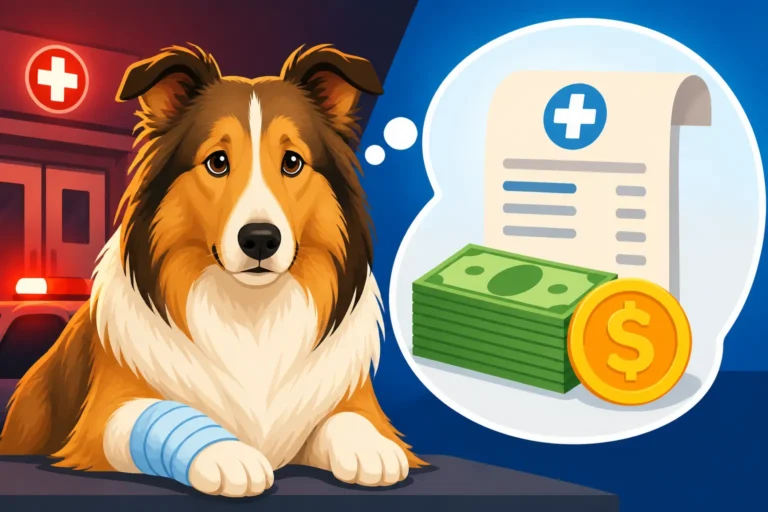
What Compounded Medication Costs for a Collie
It's incredibly frustrating when your beloved Collie needs medication, but the standard pill just isn't working – maybe it's too big, tastes awful, or worse, contains an ingredient that could be dangerous for their unique genetics. This guide is here to unravel the complexities and costs associated with compounded medications, helping you understand why your Collie might need them and how to manage the financial side of ensuring your furry family member gets the precise care they deserve.
Why Your Collie Might Need Compounded Medications
When you first bring home a Collie, whether it's a fluffy rough coat or a sleek smooth one, you're often thinking about training, playtime, and all the joy they'll bring. What many new owners don't anticipate is the specialized care some Collies require, particularly concerning medication. It's not always a simple case of "one pill fits all," and for Collies, standard pharmaceutical options can sometimes fall short, or even pose a risk.
Tailored Dosing for Unique Needs
Collies are beautiful, intelligent dogs, but like all breeds, they come in a range of sizes, from a petite female to a larger, more substantial male. A standard tablet might be perfectly dosed for a Labrador, but completely inappropriate for a small Collie puppy or a senior dog with a delicate constitution. This is where compounded medication truly shines. Imagine trying to split a tiny pill into three or four perfectly equal parts; it's nearly impossible to ensure your dog is getting the correct, consistent dosage. With compounding, a specialized pharmacy can create a liquid suspension or even miniature capsules with the exact milligrams your veterinarian prescribes. This precision is not just convenient; it's crucial for avoiding underdosing, which means the medication won't be effective, or overdosing, which can lead to serious side effects. For a growing puppy or an older Collie battling a chronic condition, that perfect dose can make all the difference in their quality of life.
Addressing Palatability and Administration Challenges
Let's be honest, getting a pill down a reluctant dog can feel like a wrestling match, especially with a clever Collie who can spit out a hidden tablet faster than you can blink. Many standard medications come in unflavored, often bitter, tablets that no dog would willingly consume. If your Collie is particularly finicky, or if they're experiencing nausea, trying to force a pill can become a daily battle that damages your bond and causes immense stress for both of you. Compounded pharmacies can transform these medications into delicious, flavored chewables – think chicken, beef, or even peanut butter. They can also formulate liquids that can be mixed with food or given via syringe, or even transdermal gels that are absorbed through the skin, often applied to the ear flap. This greatly improves compliance, meaning your Collie actually gets the medicine they need without the drama. Imagine the relief of simply adding a tasty liquid to their breakfast instead of wrestling with a bitter pill twice a day. Even if you feed high-quality food, perhaps from a brand like Ollie, it can still be a challenge to hide a foul-tasting medication effectively, making a flavored compounded version invaluable.
The Critical Role of Avoiding Harmful Ingredients
Perhaps the most significant reason many Collie owners turn to compounded medications is due to the breed's unique genetic sensitivities, particularly the MDR1 (Multi-Drug Resistance 1) mutation. Many Collies carry this genetic variant, which makes them highly sensitive to a specific list of common medications, including some anti-parasitics, sedatives, and even certain chemotherapy drugs. Assume Your Collie Has the MDR1 Mutation is a good read if this is new to you.
The problem isn't just the active ingredient; sometimes, it's the inactive fillers or binders in standard pills that can cause a reaction in an MDR1-affected Collie. Compounding pharmacies understand these sensitivities. They can formulate medications using only safe, inert fillers, or even find alternative active ingredients that are safer for your dog. For a Collie, receiving the wrong medication or even a properly dosed medication with an unsafe inactive ingredient can lead to severe neurological symptoms, seizures, coma, or even death. This isn't a minor concern; it's life-threatening. This is why knowing The Drug List That Can Kill a Collie is so important, and why discussing your Collie's MDR1 status with your vet, and potentially opting for compounded medication, is a responsible and loving choice. This is also why many owners ask Whether an MDR1 Collie Needs a Specialist Pharmacy.
Understanding the Cost Factors of Compounded Medications
It's natural to pause when your vet suggests compounded medication, especially when you hear the word "custom-made." You might wonder, "Why does this cost more than a standard prescription I pick up at the local pharmacy?" The truth is, there are several key factors that contribute to the price of compounded medications, reflecting the specialized nature of the service.
Ingredients and Complexity of the Formulation
One of the primary drivers of cost is the ingredients themselves. If your Collie needs a medication that isn't commonly produced in canine-specific doses, the raw pharmaceutical-grade chemicals might be more expensive to source. Furthermore, the complexity of the formulation plays a huge role. Is it a simple liquid suspension of one active ingredient? Or does it require multiple active ingredients, perhaps a specific flavor, and a transdermal base that allows for skin absorption? Each additional component and each step in the formulation process adds to the cost. For instance, creating a long-acting oral suspension that needs to be perfectly stable for weeks is more intricate than simply crushing a pill and mixing it with water. The pharmacist is essentially becoming a chemist, carefully combining precise amounts of raw materials to create a stable, effective, and safe product tailored for your dog. This isn't like grabbing an off-the-shelf product; it's a bespoke creation.
The Expertise and Equipment of Compounding Pharmacies
Compounding isn't just mixing things in a bowl; it requires highly specialized training, equipment, and a sterile environment. Compounding pharmacists undergo additional education and certification to master the art and science of creating these custom medications. Their labs are equipped with precision balances, specialized mixers, and quality control mechanisms that standard pharmacies don't typically possess. They also have to adhere to strict regulatory guidelines to ensure the safety, potency, and purity of every medication they create. This level of expertise and the investment in state-of-the-art equipment and facilities contribute significantly to the overall cost. You're not just paying for the ingredients; you're paying for the specialized knowledge and meticulous process that ensures your Collie receives a safe and effective drug. This is why when you ask How a Collie Owner Tells the Vet About MDR1, your vet will likely refer you to a reputable compounding pharmacy if they don't have those resources in-house.
Dosage Form and Volume: How Presentation Affects Price
The way the medication is presented – its dosage form – also impacts the price. Is it a liquid, a chewable treat, a capsule, or a transdermal cream? Each form has different manufacturing requirements and material costs. Flavored chewables, for example, often cost more than a simple liquid because of the added flavoring agents and the process of creating a palatable, stable chew. Transdermal gels require specialized bases that allow the medication to penetrate the skin effectively. The volume of medication also matters; a larger bottle of liquid or more chewables will naturally cost more than a smaller amount, even if the concentration remains the same. Sometimes, if a medication is needed long-term, ordering a larger volume might be more cost-effective per dose, but the upfront cost will be higher. It's always a good idea to discuss these options with your vet and the compounding pharmacy to find the most practical and affordable solution for your Collie's specific needs.
| Compounding Factor | Impact on Cost | Example for a Collie |
|---|---|---|
| Raw Ingredients | Cost varies widely based on availability, purity, and market demand for the drug. | A rare anti-seizure medication needed in a specific strength for an epileptic Collie might be more expensive. |
| Complexity of Formula | More components, specific stability requirements, or novel delivery methods increase cost. | A multi-drug transdermal gel requires more specialized formulation than a single-drug flavored liquid. |
| Dosage Form | Liquids, chewables, capsules, gels each have different production steps and materials. | Chicken-flavored chewables for a picky Collie generally cost more than a standard liquid suspension. |
| Volume/Quantity | Larger quantities typically have a higher upfront cost, but a lower cost per dose. | Ordering a three-month supply of a daily compounded heart medication might be more expensive initially but saves on shipping. |
| Pharmacy Expertise | Labor, specialized equipment, quality control, and professional time are factored in. | The meticulous process to ensure no MDR1-harmful excipients are used adds to the overall value and cost. |
Comparing Compounded Versus Standard Prescription Costs
When you're faced with a vet bill that includes compounded medication, the first reaction might be sticker shock. After all, standard prescriptions can sometimes be picked up for a fraction of the cost, or even from large online retailers like Chewy. But it's important to look beyond the immediate price tag and consider the true value and necessity of compounded medications for your Collie.
Initial Sticker Shock Versus Long-Term Value
Yes, a compounded medication will almost always have a higher upfront cost than its commercially available counterpart, if one even exists. You might find a generic drug at a human pharmacy for a low price, but that doesn't account for the custom work involved in compounding. However, focusing solely on the immediate price can be shortsighted. Consider the long-term value. If a compounded medication means your Collie actually takes their medicine consistently, then the medication is effective. If a standard pill is constantly spit out or causes a severe reaction due to MDR1 sensitivity, you're not just wasting money on the unused drug, but you could be facing much larger costs down the line. An untreated condition will worsen, leading to more extensive and expensive veterinary care, or even emergency visits. What an MDR1 Reaction Costs to Treat in a Collie can be incredibly high. The long-term value of a compounded medication lies in its efficacy, safety, and your Collie's improved health and comfort, which ultimately saves you emotional distress and potentially significant future vet bills.
When Standard Alternatives Just Aren't an Option
For many Collies, a standard commercial prescription simply isn't an option. This isn't about preference; it's about necessity. If your Collie is MDR1 affected, for example, the specific formulation of a standard drug might contain an ingredient that could be toxic. In these cases, there is no "cheaper alternative" that is safe and effective. Your vet isn't recommending compounding to be fancy; they're doing it to ensure your dog's well-being and, in some cases, to save their life. Similarly, if a medication only comes in a dose far too high for your small Collie, or only in a pill form that causes choking or refusal, and no other suitable drug exists, then compounding isn't a luxury; it's the only way to administer the necessary treatment. Ignoring these limitations can lead to severe health consequences. In these situations, the comparison isn't really about cost but about access to vital care.
The Peace of Mind Factor in Medication Adherence
Beyond the tangible costs, there's the invaluable peace of mind that comes with knowing your Collie is receiving their medication effectively and safely. When you're constantly battling to give a pill, worried about side effects, or unsure if the full dose was actually ingested, it adds an enormous layer of stress to your daily life. Compounded medications, designed specifically for your dog's needs – whether that's a palatable flavor, a manageable dosage form, or the exclusion of harmful ingredients for an MDR1 Collie – alleviate this burden. You can relax knowing you've done everything to ensure their health without the daily struggle. That feeling of confidence that your furry friend is getting what they need, without unnecessary stress or risk, is a huge factor that many Collie owners find worth the investment. It means you can focus on enjoying your time with your dog, rather than dreading medication time. And if you’ve had to make an emergency visit because of a drug reaction, you know how important that peace of mind can be. You might also want to ensure Whether a Collie's Chart Should Be Flagged at the Clinic so all vets are aware of their specific needs.
Strategies for Managing Your Collie's Compounded Medication Costs
While compounded medications can be pricier, there are definitely ways to manage these expenses so that your Collie always gets the care they need without completely breaking the bank. It's all about being proactive, doing your research, and maintaining open communication with your veterinary team.
The Role of Pet Insurance in Covering Specialized Medications
One of the most effective strategies for mitigating the cost of compounded medications is investing in pet insurance. Many pet insurance providers, like Healthy Paws, offer plans that can cover a significant portion of prescription medication costs, including those that are compounded, especially if they are prescribed to treat a covered illness or accident. However, it's absolutely crucial to read the fine print of any policy before you enroll. You'll want to understand their stance on pre-existing conditions and specific genetic conditions common in Collies, like MDR1 sensitivity. Ask direct questions: Whether a Collie Policy Covers Genetic Disease? Whether an Insurer Pays for a Collie's MDR1 Reaction? Some policies might have a waiting period or specific exclusions. Enrolling your Collie when they are young and healthy can help ensure that any future conditions requiring compounded medications will be covered. While it's an upfront monthly cost, pet insurance can be a lifesaver when unexpected or ongoing specialized medication expenses arise. Whether Pet Insurance Is Worth It on a Collie is a question many owners grapple with, and for those needing compounded meds, it often is.
Shopping Smart and Communicating with Your Veterinarian
Don't be afraid to have an open conversation with your veterinarian about the costs involved. They are your best resource and often have experience with different compounding pharmacies. Sometimes, a vet may work with several compounding pharmacies and can help you compare prices. The cost of the exact same compounded medication can vary between different pharmacies, so a little shopping around can pay off. Your vet might also be able to suggest if a slightly different, more affordable medication could achieve similar results, or if there's a generic version of the active ingredient that a compounder can work with. While some very specialized medications require unique ingredients, for others, exploring alternatives is a valid approach. It's also worth asking if purchasing a larger quantity will result in a lower per-dose price, which can save you money in the long run if it's a chronic medication. Remember, your vet wants what's best for your Collie and can help you navigate these financial decisions.
Proactive Health Management to Minimize Medication Needs
While some health issues are unavoidable or genetic, maintaining your Collie's overall health can sometimes reduce the need for certain medications, including compounded ones. This involves a holistic approach to their care. A high-quality diet, perhaps incorporating fresh food options from brands like Ollie, can support overall well-being and a strong immune system. Regular exercise, appropriate for a Collie's energy levels, helps maintain a healthy weight and joint health, potentially staving off conditions that require pain medication or anti-inflammatories. Consistent grooming helps you monitor their skin for issues that might need topical compounded treatments. And, of course, regular veterinary check-ups allow for early detection and intervention, often preventing minor issues from escalating into more serious conditions that require complex or expensive treatments. While you can't prevent every illness, being proactive about your Collie's health is always a smart investment that can potentially minimize future medication needs and costs.
Disclaimer
This article is for general informational purposes only and does not constitute professional advice. Laws, prices and regulations vary by location and change over time. Consult a qualified professional for guidance on your specific situation.