Whether a Collie’s Wormer Must Be a Specific Brand
As a Collie owner, the world of dog medications can feel like a minefield, especially when you're just trying to do something as routine as worming your beloved companion. The worry is real, and it’s completely understandable to feel overwhelmed by all the conflicting advice and the sheer number of products out there. You might find yourself wondering if there's some secret, breed-specific brand of wormer you're supposed to use, or if any standard dewormer will do. This guide is here to cut through the noise, helping you understand why the brand name on the box isn't the most critical factor, and what truly matters when choosing a wormer for your Collie.
The Critical Role of Active Ingredients, Not Just Brand Names
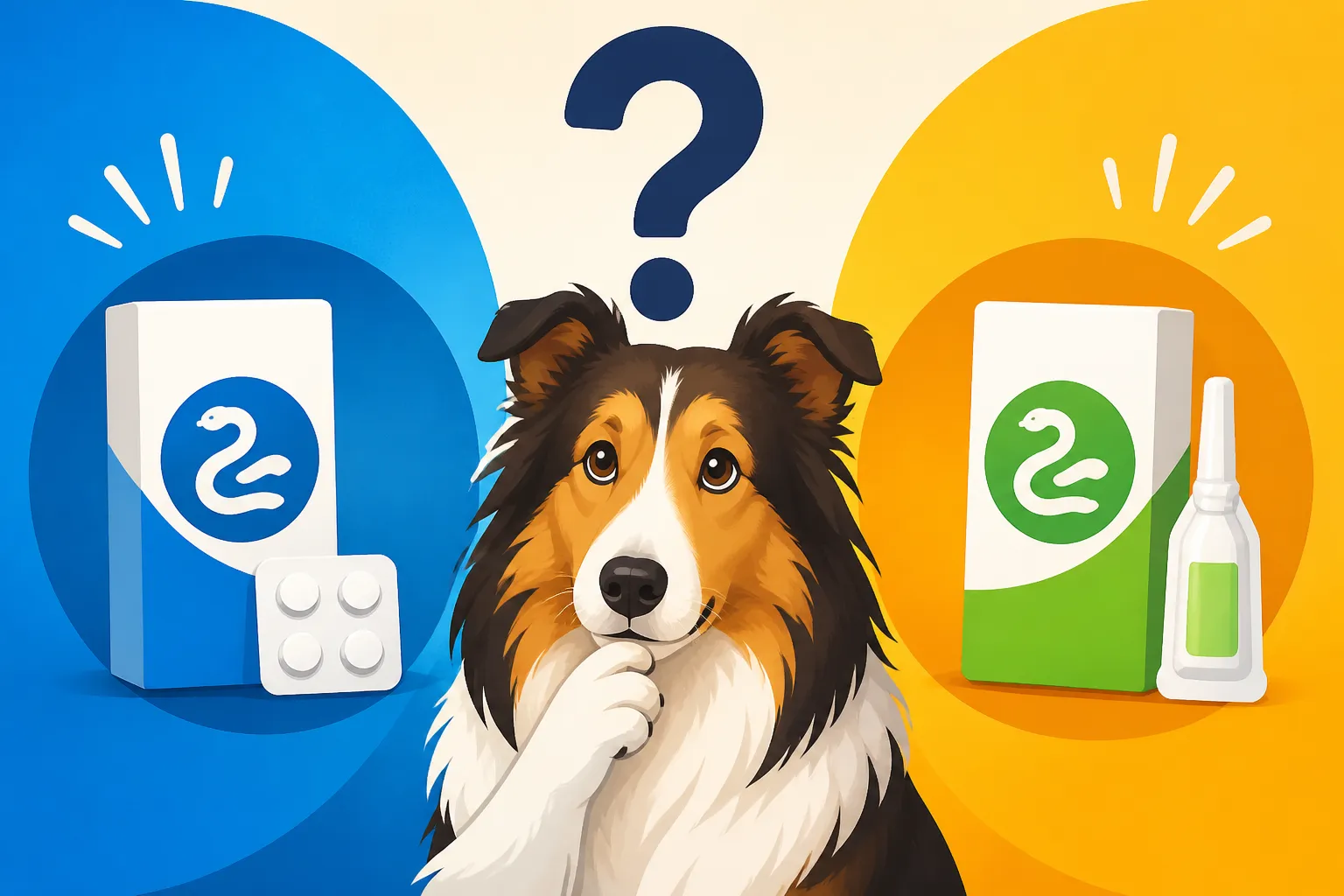
When it comes to deworming your Collie, it's easy to get fixated on a particular brand name that a friend recommended, or one you saw advertised. However, this approach can be quite misleading and, frankly, risky for our sensitive Collies. The truth is, the brand name itself tells you very little about the medication's safety or efficacy for your specific dog. What truly matters are the active ingredients contained within that wormer. These are the chemical compounds that actually do the work of killing parasites, and they are also the compounds that can interact with your Collie's unique physiology, particularly if they carry the MDR1 gene mutation.
Think of it like human medications; whether you buy a generic pain reliever or a name-brand one, the active ingredient (like ibuprofen or acetaminophen) is what dictates how it works and what potential side effects it might have. The same principle applies here. Different wormers might target different types of parasites, and crucially, some contain ingredients that are perfectly safe for most dogs but can be life-threatening for Collies with the MDR1 mutation. This isn't just a minor concern; it's a serious one that every Collie owner needs to be aware of.
Understanding the MDR1 Mutation and Wormers
For many Collie owners, the term "MDR1 mutation" strikes a chord of caution and concern. And rightly so. This genetic mutation, also known as the multi-drug resistance 1 mutation, means that your Collie's body has difficulty processing certain medications, allowing them to build up to toxic levels in the brain and other vital organs. It's a fundamental difference that makes a huge impact on how we approach their healthcare, especially when it comes to parasite control.
Many common anthelmintics (dewormers) contain ingredients that are substrates for the P-glycoprotein pump, which is defective in dogs with the MDR1 mutation. Without a properly functioning pump, these drugs can cross the blood-brain barrier, leading to severe neurological symptoms like tremors, seizures, coma, or even death. This is why a one-size-fits-all approach to worming is completely inappropriate for our breed. Before you consider any wormer, it's absolutely vital to know your Collie's MDR1 status. If you haven't already, please explore The Three Genetic Tests a Collie Breeder Owes You and Assume Your Collie Has the MDR1 Mutation to understand this better. Knowing if your Collie carries one or two copies of this gene is the first, non-negotiable step in ensuring their safety when it comes to medication.
Types of Wormers and Their Active Ingredients
Wormers come in various forms and contain a range of active ingredients, each designed to tackle specific types of internal parasites. It's not just about "worms" in general; there are roundworms, hookworms, whipworms, tapeworms, and of course, heartworms, which require a different class of preventive.
- Macrocyclic Lactones (MLs): This class includes drugs like ivermectin, milbemycin, selamectin, and moxidectin. These are highly effective against a broad spectrum of internal and external parasites, including heartworms, roundworms, and hookworms. However, many of these, especially ivermectin at higher doses, are absolute no-gos for Collies with the MDR1 mutation. Even at lower, heartworm preventive doses, careful consideration and veterinary guidance are essential. What the MDR1 Mutation Actually Does to a Collie delves deeper into these mechanisms.
- Benzimidazoles: Drugs like fenbendazole and albendazole fall into this category. They are generally effective against gastrointestinal nematodes (roundworms, hookworms, whipworms) and some tapeworms. Fenbendazole, for example, is often considered a safer option for MDR1-affected Collies, as it's not a P-glycoprotein substrate.
- Praziquantel: This drug is specifically effective against tapeworms. It's usually combined with other active ingredients in broader-spectrum wormers. Praziquantel is generally considered safe for MDR1-affected Collies, but again, it's often paired with other ingredients.
- Pyrantel Pamoate: Effective against roundworms and hookworms, this is another ingredient generally deemed safe for Collies with the MDR1 mutation.
The key takeaway here is that you need to be scrutinizing the ingredient list, not the marketing claims on the front of the box. Many reputable brands offer different formulations, some of which might be fine for your Collie, and others that could be dangerous. This is why discussing these active ingredients with your vet is paramount. They can advise you on Which Drugs an MDR1 Collie Must Never Have and help you navigate the choices.
Navigating the Choices: What to Look For and What to Avoid
Given the potential risks, choosing a wormer for your Collie is not a decision to be taken lightly or based on convenience. It requires a thoughtful, informed approach. Here's how to think about it and what steps you need to take.
Prioritizing Safety Over Convenience
I know it's tempting to grab the cheapest or most readily available wormer from the pet store shelf, or to simply follow the advice of a friend whose dog is a different breed entirely. But for a Collie, this can be a gamble you simply can't afford to take. Our Collies are special, and their unique genetic makeup demands a level of caution that might seem excessive to owners of other breeds. This isn't about being overly protective; it's about being responsible and ensuring their well-being.
Your priority must always be safety. This means ruling out any product with known problematic ingredients for MDR1-affected dogs right from the start. Even if your Collie has tested "clear" for MDR1, it's a good practice to still be aware of the ingredients, as sensitivities can sometimes be complex, and some "borderline" drugs might still cause issues for certain individuals. Always assume your Collie has the MDR1 mutation until proven otherwise, and even then, err on the side of caution. If you are unsure about your dog's status, consider What an MDR1 Test Costs for a Collie and get them tested.
The Role of Your Veterinarian: An Indispensable Partner
I cannot stress this enough: your veterinarian is your most important ally in this process. They have access to the latest information on drug interactions, dosage guidelines, and alternative treatments, tailored specifically to your Collie's health profile. Don't be shy about having a detailed conversation with them about your Collie's MDR1 status and any concerns you have about deworming.
When you go to the vet, make sure your Collie’s MDR1 status is clearly noted in their medical records. It might even be worth having Whether a Collie's Chart Should Be Flagged at the Clinic so every staff member is aware. Be prepared to ask specific questions about the active ingredients in any recommended wormer and to discuss alternative options. Your vet can guide you towards products that are known to be safe for Collies, or suggest specific dosages if an MDR1-sensitive drug must be used at a lower, safer concentration (such as in heartworm preventives). Brands like Healthy Paws, which focuses on comprehensive pet health, remind us that proactive veterinary care is always the best defense.
Table: Common Wormer Types and Collie Considerations
| Wormer Type (by Target) | Primary Parasites Targeted | Common Active Ingredients (Examples) | Collie (MDR1) Consideration |
|---|---|---|---|
| Broad-Spectrum | Roundworms, Hookworms, Whipworms, Tapeworms | Fenbendazole, Pyrantel, Praziquantel, Moxidectin, Milbemycin | HIGH CAUTION for MLs (Moxidectin, Milbemycin) in MDR1-affected dogs. Fenbendazole, Pyrantel, Praziquantel generally safer. Always check ingredients. |
| Heartworm Prevention | Heartworms | Ivermectin, Milbemycin, Selamectin, Moxidectin | EXTREME CAUTION for all MLs. Heartworm prevention doses are typically lower, but require vet approval. Some Collies may still react. Discuss alternatives or specific low-dose protocols with your vet. |
| Tapeworm Specific | Tapeworms | Praziquantel | Generally considered safe for MDR1 Collies, but always verify if combined with other ingredients. |
| Roundworm/Hookworm Specific | Roundworms, Hookworms | Pyrantel Pamoate | Generally considered safe for MDR1 Collies. |
This table provides general guidance. Always consult your veterinarian for specific recommendations for your individual Collie.
Sourcing Your Collie's Wormer
Once your veterinarian has given you a clear recommendation for the appropriate active ingredients and dosage, you can then consider where to purchase the wormer. Many vets will dispense the medication directly, which can be the most convenient and reassuring option. If you prefer to buy elsewhere, ensure you are getting it from a reputable source. Online retailers like Chewy often carry a wide range of veterinary-prescribed medications, but you'll usually need a prescription from your vet to purchase them. This system is in place for a very good reason: to ensure that pet owners are getting the correct and safe medication for their animals.
Be wary of generic, over-the-counter products that don't list specific active ingredients or claim to be "natural" alternatives without clear scientific backing. These can be ineffective at best and harmful at worst. Your vet might even suggest specific preventative measures beyond medication, reinforcing a holistic approach to your Collie's health. While Ollie is known for fresh, customized dog food, their emphasis on tailored nutrition highlights the broader importance of individualized care, which extends to medication.
Beyond the Brand: Practical Worming and Prevention Strategies
Choosing the right wormer is just one piece of the puzzle. Effective parasite control for your Collie also involves smart prevention strategies, proper administration of medication, and ongoing vigilance. It's a continuous commitment to their health and well-being.
Administering Wormers Safely
When it comes to giving your Collie their wormer, follow your veterinarian's instructions to the letter. This includes dosage, frequency, and whether it should be given with or without food. Never assume a larger dog needs a larger dose of any medication without direct veterinary advice, especially for Collies. Overdosing can be just as dangerous, if not more so, than using the wrong type of drug.
If your Collie is particularly finicky about taking pills, discuss strategies with your vet. Some wormers come in palatable chewable forms, while others might need to be hidden in a treat. Just make sure the treat itself isn't interfering with the medication or causing other dietary issues. Always observe your Collie closely after administering any new medication for signs of an adverse reaction, especially if you're introducing a new type of wormer. Symptoms can range from mild lethargy to more severe neurological signs. Understanding Signs an MDR1 Collie Is Having a Drug Reaction can help you respond quickly if something seems amiss.
Comprehensive Parasite Prevention
Worming isn't a one-and-done event; it's an ongoing part of responsible pet ownership. Different parasites have different life cycles, and your Collie's exposure risk can change based on their environment, lifestyle, and even the season.
- Regular Fecal Exams: Your vet might recommend regular fecal examinations to check for intestinal parasites. This can help tailor the deworming protocol to the specific types of worms your Collie is exposed to, rather than just using a broad-spectrum product indiscriminately.
- Heartworm Prevention: Heartworm prevention is typically a year-round commitment in many regions. As mentioned, many heartworm preventives contain macrocyclic lactones, so this is a crucial discussion point with your vet regarding your MDR1 Collie. Whether Heartworm Preventive Is Safe for a Collie is a topic that merits thorough investigation.
- Flea and Tick Control: While not directly related to internal worms, external parasites can sometimes transmit internal parasites (like tapeworms from fleas). A comprehensive parasite control plan should address both. Just remember that some flea and tick treatments can also contain ingredients that are problematic for MDR1 Collies, so extend your caution to these products as well. Whether Flea Treatment Is Safe for an MDR1 Collie is another important consideration.
- Environmental Management: Simple practices like picking up poop regularly in your yard, preventing your Collie from eating feces or scavenging dead animals, and controlling rodent populations can significantly reduce their risk of parasite exposure.
Ultimately, your Collie's health depends on a vigilant and informed approach to parasite control. The brand of wormer is far less important than the active ingredients it contains, your Collie's individual genetic profile, and the expert guidance of your veterinarian. Don't hesitate to ask questions, advocate for your dog, and ensure every medication decision is made with their unique needs in mind. For more on ensuring a long and healthy life for your companion, you might want to read How Long a Collie Lives and What Ends It.
Disclaimer
This article is for general informational purposes only and does not constitute professional advice. Laws, prices and regulations vary by location and change over time. Consult a qualified professional for guidance on your specific situation.