Whether an MDR1 Collie’s Preventives Cost More
It's a common, gut-wrenching worry for any Collie owner: you've heard about the MDR1 gene mutation, and now you're wondering if keeping your beloved companion safe from everyday parasites means breaking the bank. The truth is, while the MDR1 mutation does mean extra vigilance and careful selection of medications, it doesn't automatically translate into significantly higher costs for your Collie's routine preventives. This guide will walk you through understanding MDR1, making informed choices about your Collie's medications, and ensuring their health doesn't become a financial burden.
Understanding MDR1 in Collies and Its Impact on Medication
The multi-drug resistance 1 (MDR1) gene mutation, now often referred to as ABCB1, is a significant concern for Collie owners. It's not just a fancy genetic term; it directly impacts how your dog processes certain medications, and a misunderstanding can have life-threatening consequences. It's completely normal to feel overwhelmed when you first learn about it, especially when you're trying to figure out if you need to budget more for special meds.
What is the MDR1 Mutation and Why Does it Matter?
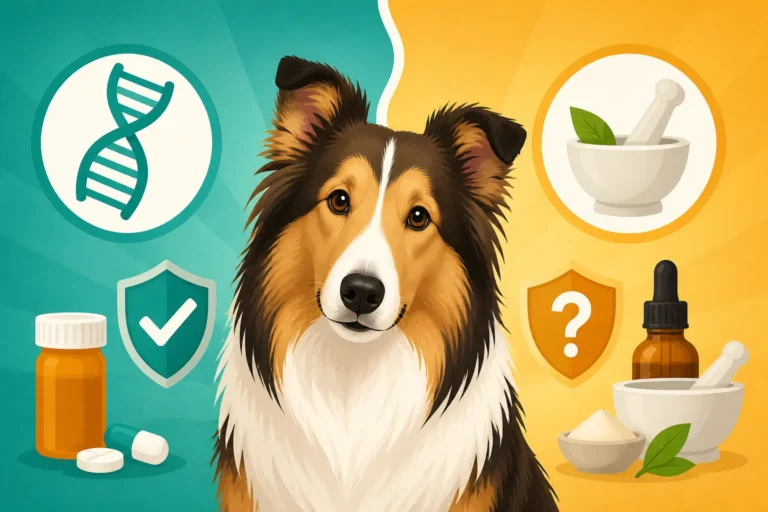
At its core, the MDR1 gene is responsible for producing a protein called P-glycoprotein. Think of P-glycoprotein as a diligent bouncer at the blood-brain barrier, or a strict gatekeeper in other organs. Its job is to pump certain drugs and toxins out of sensitive areas like the brain and into elimination pathways. For Collies with the MDR1 mutation, this P-glycoprotein doesn't work correctly, or sometimes isn't even produced effectively. This means that certain drugs, which would normally be harmlessly pushed out of the brain, can accumulate to toxic levels.
The consequences of this accumulation can be severe. We're talking about neurological symptoms like tremors, disorientation, seizures, blindness, coma, and even death. It's a scary thought, which is why understanding this mutation is absolutely crucial for any Collie owner. You can learn more about What the MDR1 Mutation Actually Does to a Collie to grasp the full scientific picture.
The mutation isn't limited to a small percentage either; it's quite prevalent within the breed. This widespread nature means that every Collie owner should consider their dog to be potentially affected unless proven otherwise through testing. Assume Your Collie Has the MDR1 Mutation until you have a clear result in hand, because that assumption could literally save their life.
Which Common Preventives Are Affected by MDR1?
This is where the direct financial concern often arises, but let's break it down. Many of the most common preventive medications, particularly those for heartworm, fleas, and ticks, contain active ingredients that are substrates for the MDR1 gene. This means Collies with the mutation can have adverse reactions to them.
For heartworm prevention, ingredients like ivermectin (at higher doses, though typically safe in low preventive doses) and selamectin can be problematic. While many monthly heartworm preventives contain doses generally considered safe for MDR1-affected dogs, it's never a guarantee and the risk can increase if a dog has two copies of the gene, or if they are sensitive even to low doses.
When it comes to flea and tick preventives, things like spinosad and milbemycin oxime are known to be issues. Many oral and topical preventives contain these or similar compounds. The good news is that there are many, many other options available, and not all preventives rely on these specific problematic compounds. The key is knowing which ones to avoid entirely. Knowing The Drug List That Can Kill a Collie is essential for all Collie owners.
The Importance of Knowing Your Collie's MDR1 Status
The absolute best way to navigate preventive medications and any other drug regimen is to know your Collie's MDR1 status. This means getting a simple DNA test. Most reputable Collie breeders will have already tested their breeding stock and often their puppies, providing you with a certificate. If you've adopted a rescue Collie or your dog's history isn't fully known, getting them tested is one of the most responsible things you can do.
The test is usually a buccal swab (a cheek swab) that you can do at home and send to a lab. It's a one-time cost that provides lifelong peace of mind and critical information for your veterinarian. Knowing whether your Collie is "clear," "carrier," or "affected" guides every medication decision. What an MDR1 Test Costs for a Collie is a small price to pay for the safety it provides.
This information empowers both you and your vet to select safe medications from the outset, rather than playing a dangerous guessing game or reacting to an emergency. It takes the guesswork out of purchases, which can ultimately save you money by preventing costly adverse reactions and allowing you to choose safe, standard-cost options.
Navigating Preventive Medication Choices for Your MDR1 Collie
Once you know your Collie's MDR1 status, you can work with your veterinarian to make informed choices. The landscape of preventive medications is constantly evolving, with new formulations and active ingredients becoming available, so there are usually plenty of safe and effective choices, often without a significant price premium.
Safe Alternatives and Dosage Adjustments
If your Collie is MDR1 affected or a carrier, your vet will recommend specific preventives known to be safe. For heartworm, there are many excellent options that do not contain problematic doses of ivermectin. For instance, products containing moxidectin or milbemycin (at very low doses found in heartworm preventives) are generally considered safe by many veterinarians, but even here, some practitioners prefer to avoid them if possible, especially if your dog is homozygous affected (has two copies of the mutation). There are also alternatives like doxycycline for heartworm treatment (not prevention) that are not affected by MDR1.
For flea and tick prevention, the options are even more diverse. Many newer generation products, both oral and topical, use active ingredients like afoxolaner, fluralaner, sarolaner, or lotilaner, which are not known to be affected by the MDR1 gene. Your veterinarian will be up-to-date on the latest safe choices. It’s a matter of choosing the right type of medication, not necessarily one that's inherently more expensive. Some vets might even suggest a lower-dose ivermectin heartworm preventive for carriers, but this is a conversation you absolutely must have with your trusted DVM.
You might find that some medications on Whether Heartworm Preventive Is Safe for a Collie or Whether Flea Treatment Is Safe for an MDR1 Collie are not specifically for MDR1 dogs, but that they have a proven safety profile. Your vet will have the most current information.
Comparing Costs: Are MDR1-Safe Options More Expensive?
This is the million-dollar question, and for the most part, the answer is "not necessarily." In many cases, the cost of an MDR1-safe preventive is comparable to one that might be problematic. The market for flea, tick, and heartworm preventives is highly competitive, and manufacturers offer a wide range of products at various price points. You won't typically find an "MDR1-safe tax" on medications.
For example, many popular chewable flea and tick preventives are MDR1-safe and cost about the same as older generation products. Generic versions of some MDR1-safe medications are also becoming more available, further driving down costs. Sometimes, a vet might recommend a product that is a little newer or less common, which could be slightly pricier, but often the difference is minimal. For instance, if you usually picked up a generic brand containing ivermectin, and your vet recommends a different brand with a different active ingredient that's not off-patent yet, you might see a slight increase. But this isn't universally true.
The main cost factor comes from avoiding certain extremely cheap, over-the-counter products that might contain ingredients like high-dose ivermectin, which are known dangers. Sticking to vet-prescribed or recommended preventives, regardless of MDR1 status, is always the safest bet and generally yields comparable pricing across safe options. When looking for alternatives, you can often find good prices through online pet supply retailers, and services like Chewy frequently offer discounts or subscription options that can help manage these routine expenses.
The Value of Peace of Mind vs. Upfront Cost
While the upfront cost of MDR1-safe preventives might not be drastically different, the value of choosing correctly is immeasurable. Consider the alternative: unknowingly giving your MDR1-affected Collie a dangerous drug. The cost of an emergency veterinary visit, intensive care, and potential lifelong neurological damage far outweighs any perceived savings from a cheaper, unsafe medication.
A severe drug reaction can quickly rack up thousands of dollars in vet bills. This includes diagnostics, hospitalization, intravenous fluids, seizure control medications, and round-the-clock monitoring. It's not just the financial strain; it's the emotional toll of seeing your beloved dog suffer through such an ordeal. Knowing that you've chosen a preventive that is safe for your Collie's genetic makeup provides invaluable peace of mind.
This is why the initial investment in MDR1 testing is so crucial. It prevents these potentially catastrophic scenarios. So, while you might find a slight variation in pricing between different safe options, always prioritize the safety and well-being of your Collie. The true "cost" of an MDR1 Collie's preventives is measured in careful selection, not necessarily in higher price tags for the safe choices themselves.
Practical Strategies for Managing Preventive Costs for Your MDR1 Collie
Being a responsible Collie owner with an MDR1-affected dog involves a bit more planning, but it doesn't have to be a financial strain. There are many strategies you can employ to manage these costs effectively and ensure your dog receives the best care.
Working Closely with Your Veterinarian
Your veterinarian is your most important ally in managing your MDR1 Collie's health. They should be aware of your Collie's genetic status and keep it prominently noted in their medical file. How a Collie Owner Tells the Vet About MDR1 isn't just about sharing information; it's about establishing a protocol. Ensure your vet's office flags your Collie's chart, so every staff member who interacts with your dog knows about the mutation before administering any medication. Whether a Vet Charges to Flag a Collie's File is usually a non-issue; most responsible clinics are happy to do this for free.
A vet who is knowledgeable about the Collie breed and its unique genetic predispositions will be able to recommend the most suitable and cost-effective preventive medications. They can often access bulk pricing or rebates that individual owners cannot. They'll also be your best resource for understanding new products on the market and their safety for MDR1 dogs. It really pays to Whether a Collie Owner Should Choose a Vet Who Knows the Breed because their expertise can translate into both better care and smarter financial decisions.
Don't hesitate to ask your vet about generic options or alternatives that might be less expensive but equally effective and safe. They are there to help you find the best balance between care and cost.
Exploring Pharmacy and Online Options
Once your veterinarian has given you a specific prescription for a safe preventive, you have options for where to fill it. Local pharmacies sometimes carry common pet medications, and if they do, their pricing can occasionally surprise you compared to vet clinic markups. It’s always worth checking, especially for oral medications.
Online pet pharmacies, like Chewy, are excellent resources for purchasing routine preventives. They often offer competitive pricing, subscription services that can provide discounts, and the convenience of home delivery. Always ensure that you are using a reputable online pharmacy that requires a prescription from your vet, as this helps prevent counterfeit medications and ensures you're getting the correct product.
Some compounding pharmacies can also create medications in specific dosages or formulations if a standard, MDR1-safe product isn't available or if your dog has other unique needs. However, compounded medications can sometimes be more expensive than off-the-shelf options, so this is usually reserved for very specific circumstances.
Considering Pet Insurance for Long-Term Savings
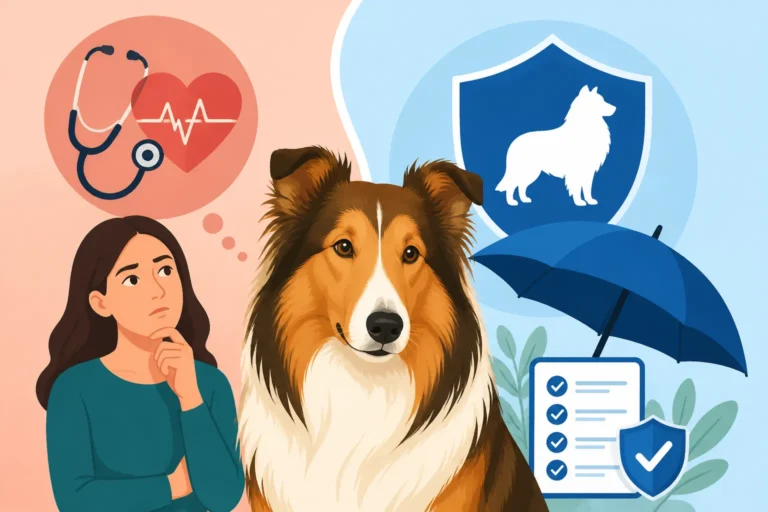
While pet insurance typically doesn't cover routine preventive care like monthly heartworm or flea medication, it can be an absolute lifesaver if your MDR1 Collie does have an adverse reaction to an unknown drug or any other unexpected illness or accident. This is where companies like Healthy Paws can truly make a difference. Even with the best precautions, accidents happen, or a vet might inadvertently use a problematic medication in an emergency.
If your Collie were to experience a drug reaction requiring extensive veterinary care, having pet insurance could significantly offset the financial burden. Policies vary, but many cover emergency visits, diagnostics, hospitalization, and treatments for unexpected conditions. While your premium won't directly pay for your monthly preventive chew, it acts as a critical safety net against the much larger, unforeseen costs that could arise if a mistake were made, or if your Collie developed another health issue.
It’s about planning for the unknown. Even if preventives don't cost more, the potential for an emergency if the wrong drug is administered is real, and insurance helps mitigate that risk. You might wonder if Whether an Insurer Pays for a Collie's MDR1 Reaction; most comprehensive policies would cover the treatment of a reaction, as it's an unexpected medical event, even if they don't cover the preventive itself.
Beyond the Pill: Holistic Costs of Caring for an MDR1 Collie
Thinking about the cost of preventives for an MDR1 Collie isn't just about the dollar amount on the prescription label. It's about the broader commitment to their health and well-being, which has its own forms of investment – in time, research, and careful choices for their entire lifestyle.
The Time and Effort Investment
Caring for an MDR1 Collie means you're investing more than just money; you're investing your time and effort. This includes:
- Researching medications: You'll likely spend time familiarizing yourself with safe drug lists and avoiding those on The Drug List That Can Kill a Collie.
- Communicating with your vet: Each vet visit, each new prescription, requires you to reiterate your Collie's MDR1 status and confirm the safety of any administered medications. You might need to carry What a Collie Owner Should Carry to an Emergency Visit – a specific list of safe and unsafe drugs – even for routine appointments.
- Being a vigilant advocate: If you travel or need emergency care, you become your Collie's primary advocate, ensuring that their unique needs are communicated clearly and understood. This means always ensuring they Whether a Collie Should Wear a Medical Tag clearly stating their MDR1 status.
This "time cost" is often overlooked but is a crucial part of responsible MDR1 Collie ownership. It means being proactive rather than reactive, and that's a commitment all Collie owners embrace.
Dietary Considerations and Overall Health
While diet doesn't directly influence the MDR1 mutation, a healthy, well-nourished Collie is better equipped to handle any health challenge, including potential drug sensitivities or reactions. Choosing high-quality dog food contributes to their overall vitality, immune system strength, and organ function. This, in turn, can help them process and eliminate drugs more effectively, even those that are safe for MDR1 dogs.
Brands like Ollie focus on fresh, human-grade ingredients that can provide optimal nutrition. While fresh food might have a higher upfront cost than conventional kibble, many owners feel the investment in superior nutrition pays off in fewer health issues down the line, potentially reducing vet visits for other conditions. A robust immune system and good organ health support a dog's general resilience, which is invaluable for any dog, especially one with a known genetic sensitivity.
So, while not directly related to preventive medication costs, thinking holistically about your Collie's diet is another layer of proactive care that ultimately supports their well-being and might prevent other health issues that could lead to unexpected costs.
The Priceless Aspect of a Healthy Collie
Ultimately, the goal of understanding MDR1 and carefully selecting preventives isn't just about managing costs; it's about ensuring your Collie lives a full, healthy, and happy life. The peace of mind that comes from knowing you've taken every precaution for your beloved companion is truly priceless.
Collies are known for their intelligence, loyalty, and gentle nature. They deserve our utmost care and attention, especially when it comes to their health. Investing the time to understand their unique genetic needs, working closely with your vet, and making informed choices about their care isn't a burden; it's a privilege. The love and companionship they bring into our lives are immeasurable, and ensuring their safety and comfort is part of our commitment to them.
While the phrase "MDR1 Collie" might initially conjure images of endless expenses, the reality is that careful planning, good communication, and responsible choices mean that your Collie's preventives, and their overall care, can be managed effectively without breaking the bank. The real cost is in neglecting to educate yourself and take the necessary precautions.
| Aspect of Cost | MDR1 Collie Impact | General Impact on Preventives | Potential Cost Difference (MDR1 vs. Non-MDR1) |
|---|---|---|---|
| MDR1 Testing | One-time mandatory expense for peace of mind. | Not applicable | Direct cost for MDR1 owner. |
| Medication Choice | Limits specific drug ingredients; requires vet guidance. | Wide range of options | Often minimal, depends on brand/generic availability. |
| Prescription Source | Online pharmacies (like Chewy) or local vets. | Same | No direct difference. |
| Emergency Treatment | High cost if wrong drug is administered. | High cost for any emergency | Higher risk of this specific high cost. |
| Pet Insurance | Covers reactions (not routine preventives). | Covers unexpected illness/injury | No direct difference in premium, but higher value for MDR1 risk. |
| Time/Effort | Significant time for research and communication. | Less specific focus required | Higher investment of owner's time. |
Disclaimer
This article is for general informational purposes only and does not constitute professional advice. Laws, prices and regulations vary by location and change over time. Consult a qualified professional for guidance on your specific situation.