Why a Collie Barks
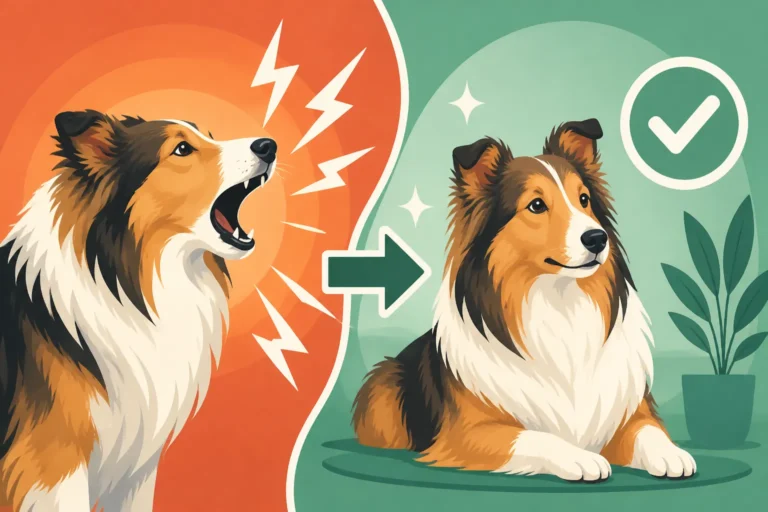
It’s a sound that’s synonymous with the breed, often heard in movies and on television when a heroic dog alerts its family to danger. But in real life, when that distinctive Collie bark becomes incessant, seemingly triggered by ghosts only your dog can see, it can quickly shift from endearing to downright maddening. If you’re finding yourself at your wit’s end trying to understand and manage your Collie's vocalizations, you're in the right place. This guide is here to shed light on why your Collie barks and, more importantly, what you can realistically do about it.
Understanding the Collie Bark: It's More Than Just Noise
Your Collie isn’t just barking to annoy you, even if it feels that way at 3 AM. Their vocalizations are deeply rooted in their history and instincts. To truly get a handle on the barking, we first need to appreciate its origins and the different messages your dog might be trying to send.
The Herding Dog's Voice and Its Purpose
Collies, at their core, are herding dogs. For centuries, their ancestors worked alongside shepherds, using their intelligence, agility, and yes, their voices, to control livestock. A bark wasn't just a random noise; it was a tool, a warning, a command. They needed to alert their human companions to potential threats – a predator, a lost lamb, or an approaching stranger. This ingrained instinct to be watchful and vocal is still very much alive in your modern-day Collie, even if their "flock" is now your family and their "pasture" is your suburban backyard.
Think about it: when your Collie barks at the mail carrier, they aren't being rude; they're fulfilling their ancient duty. They've spotted an intruder (in their mind, anyway) entering their territory and are dutifully alerting you. It's a hardwired response, and understanding this fundamental aspect can help you approach the problem with more empathy and less frustration. It’s not a flaw in their character; it’s a feature of their breed. This deep-seated urge to communicate and protect is why The Bark Is the Trait Collie Owners Underestimate.
Distinguishing Between Different Types of Barks
One bark is not like another, and your Collie has an impressive repertoire. Learning to interpret these different vocalizations is crucial for effective management. Is it a high-pitched, excited "play with me!" bark? A low, rumbling "stranger danger!" bark? Or a repetitive, drawn-out "I'm bored, give me attention!" bark? Each type of bark often signals a different underlying motivation and, therefore, requires a different response from you.
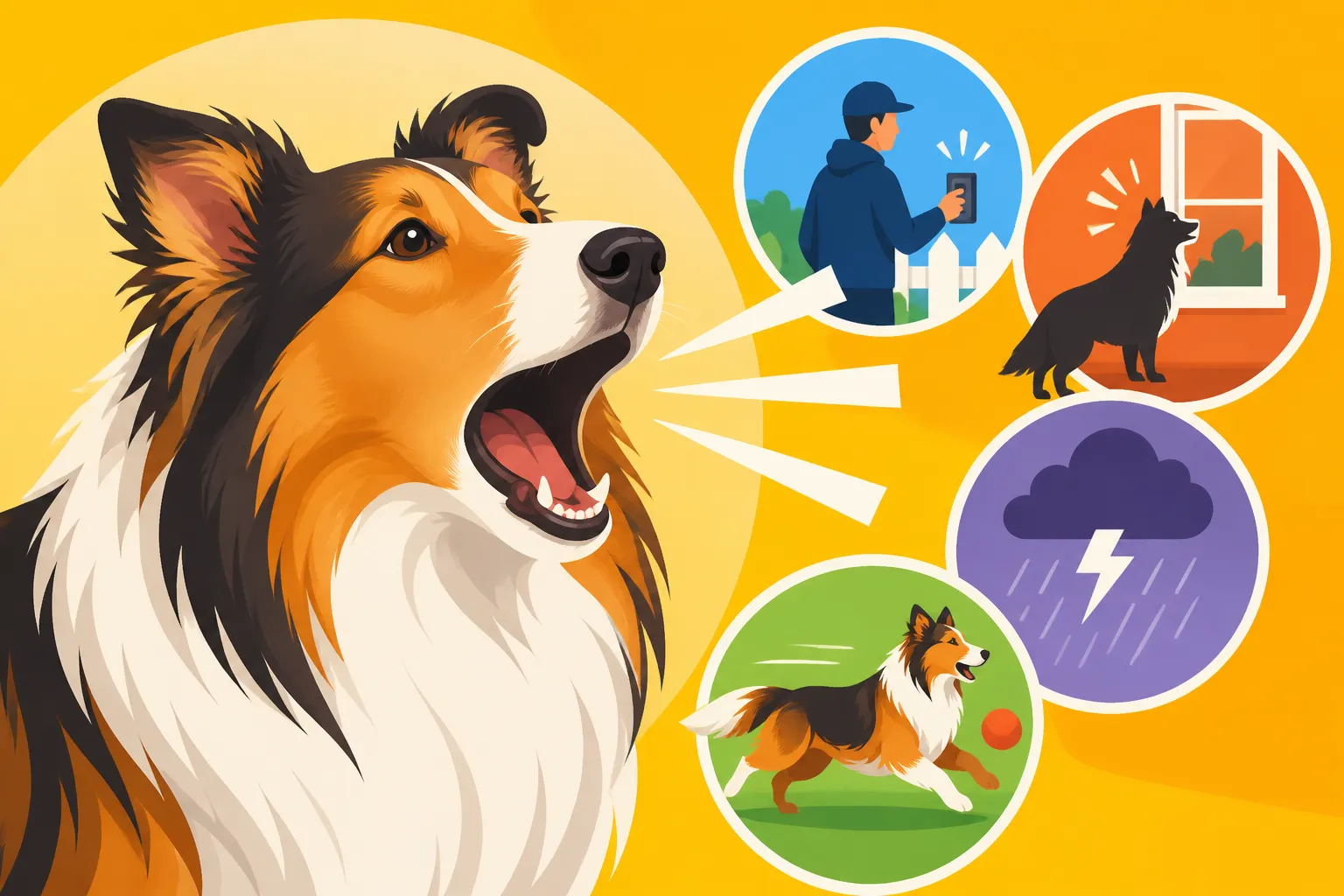
For instance, a sharp, sudden bark followed by a quick sprint to the window usually indicates an alert. They’ve seen or heard something new or out of place. A continuous, monotonous bark, especially if it happens when they're alone or not actively engaged, is often a sign of boredom or loneliness. Then there are the demand barks: those insistent, almost whiny barks directed squarely at you, usually when they want food, a toy, or to go outside. Learning to differentiate these allows you to respond appropriately, addressing the actual need or emotion behind the sound rather than just reacting to the noise itself.
Common Triggers for Collie Barking
While your Collie's innate desire to vocalize is a breed characteristic, specific situations and environments amplify this tendency. Identifying these common triggers is the first step in creating a quieter, more peaceful home.
Environmental Stimuli: The Great Outdoors (and Indoors)
Collies are incredibly observant and possess excellent hearing and sight. This means they often pick up on things long before you do. A leaf blowing down the street, a squirrel chattering in a distant tree, the faintest sound of a neighbor's dog barking two houses down – these are all potential "alerts" for your vigilant Collie. They see it as their job to inform you of every perceived anomaly in their environment. It’s not that they're barking at "nothing"; they're barking at something you simply haven't registered yet.
Outdoor stimuli are perhaps the most common culprits. Passersby, other dogs on walks, the delivery person, or even changes in weather can all set off a chorus. Indoors, reflections on the wall, shadows, or even the sound of another TV in a different room can be enough to trigger their alert system. Many Collie owners find that simply blocking visual access to windows with blinds or curtains can significantly reduce this type of reactivity. The world outside is a symphony of triggers for a Collie, and they feel a strong responsibility to keep you informed of every note. This can often lead to How Often a Collie Barks at Nothing.
Boredom and Understimulation: The Unoccupied Mind
A tired dog is a good dog, and a mentally stimulated dog is an even better one. Collies are intelligent, active dogs, and if their minds and bodies aren't adequately exercised, they will find ways to entertain themselves. Unfortunately, for many Collies, that chosen entertainment often involves barking. Repetitive, drawn-out barking, especially when you're busy or when they're left alone for extended periods, is a classic sign of boredom and frustration.
Imagine a highly intelligent person given nothing to do all day. They'd probably start talking to themselves, right? Your Collie is no different. They need a job, even if it's just a mental one, to feel fulfilled. Lack of physical exercise (even if it's "only" Forty Five Minutes a Day, and Half of It in Its Head) combined with a lack of mental enrichment can lead to a dog who barks incessantly out of sheer frustration. They might bark at you for attention, bark at objects, or simply bark at the walls because they have all this energy and intelligence with nowhere to direct it. Providing ample physical activity and engaging puzzle toys can make a world of difference. You might also consider whether A Collie Needs a Job to Be Content.
Anxiety and Fear: When Barking is a Cry for Help
Sometimes, barking isn't about alerting or attention-seeking; it's a genuine expression of distress. Anxious or fearful Collies often use barking as a coping mechanism. This could manifest as barking at strangers, barking at unfamiliar objects, or intense, almost frantic barking when left alone due to separation anxiety. Their sensitive nature means they can be particularly susceptible to stress.
A Collie who is afraid of thunderstorms or fireworks might bark frantically, not to warn you, but because they are genuinely terrified and trying to express their fear. Similarly, a dog with separation anxiety might bark constantly once you leave, not out of malice, but because they are in genuine emotional pain. These barks are often accompanied by other signs of distress, such as pacing, panting, destructive behavior, or inappropriate urination. It’s important to remember that for these dogs, barking is not a defiance; it’s a cry for help. Understanding that Whether a Collie Is Sensitive to Household Tension can also play a role in their overall emotional state, impacting barking.
The Collie's Unique Sensitivity and How It Impacts Barking
Collies are renowned for their gentle disposition and keen intellect, but these very traits also contribute to their unique vocal patterns. Their sensitivity is a double-edged sword, making them wonderful companions but also influencing their reactivity.
The Collie's Keen Senses and Observational Nature
As mentioned earlier, Collies are naturally alert dogs with highly developed senses. They have an impressive ability to detect subtle changes in their environment that often go unnoticed by their human family. This includes distant sounds, faint smells, and even slight shifts in light or shadow. Their history as herding dogs required them to be constantly aware of their surroundings, scanning for potential threats to the flock or changes in the landscape. This vigilance is hardwired.
In a modern home, this translates to a dog who's essentially a highly effective, albeit sometimes overzealous, security system. Every rustle in the bush, every distant siren, every car door closing down the street is logged and often announced with a bark. They are not just observing; they are processing and deciding if it warrants your attention. This intense observational nature, coupled with their desire to communicate, can lead to seemingly endless rounds of alert barking, even when the "threat" is merely a gust of wind. It’s their way of saying, "Hey, I noticed something! Did you?"
Emotional Sensitivity and the Impact of Harsh Correction
One of the most endearing qualities of a Collie is their emotional sensitivity. They are deeply bonded to their families and are highly attuned to human emotions and intentions. This means they respond incredibly well to positive reinforcement and gentle guidance. However, this also means they are particularly vulnerable to harsh corrections or punitive training methods. Shouting at a Collie, using physical punishment, or employing aversive tools like prong or electric collars can have profoundly negative effects. How a Collie Responds to a Raised Voice is often with withdrawal or increased anxiety, rather than compliance.
When a sensitive Collie is met with harshness for barking, they don't necessarily learn to stop barking. Instead, they might become more anxious, which, ironically, can increase their barking as a stress response. They might become fearful of your reactions, leading to a breakdown in trust. Imagine being yelled at for pointing out something you thought was important. You'd likely become confused, scared, and perhaps even more prone to being jumpy or reactive. This is why positive, patient, and consistent training is not just effective for Collies; it's essential for their well-being and maintaining their trusting nature. Using force or fear with such a sensitive breed is often counterproductive and can damage the bond you share.
Strategies to Manage and Reduce Excessive Barking
Now that we understand why your Collie barks, let's talk about how to manage it. The good news is that with consistency, patience, and the right approach, you can significantly reduce excessive barking and foster a calmer companion.
Addressing the Root Cause: Exercise, Enrichment, and Training
Effective barking management always starts with addressing the underlying reasons for the vocalizations. For many Collies, this means a serious look at their daily routine. Are they getting enough physical exercise? Not just a quick trip around the block, but sustained activity that truly tires them out. This could be a long hike, a brisk run, or extended playtime in a secure yard. Remember, a Collie’s energy needs are substantial.
Beyond physical exertion, mental stimulation is paramount. Puzzle feeders, scent work, trick training, or even just regular, short training sessions throughout the day can engage their intelligent minds. A mentally stimulated Collie is less likely to resort to barking out of boredom. Incorporate specific training for a "quiet" cue. Teach your Collie to bark on command, then immediately follow it with a "quiet" cue and reward them for stopping. This teaches them control over their voice. Consistency is key here; everyone in the household needs to be on the same page. Whether a Collie Can Be Taught a Quiet Cue is a skill that can be incredibly useful.
Environmental Management and Desensitization
Managing your Collie's environment can be incredibly effective in reducing barking triggered by external stimuli. If your Collie barks at everything outside the window, simply closing the blinds or using window film can work wonders. White noise machines or a radio playing calmly can help mask outdoor sounds, preventing them from triggering an alert bark. Creating a designated "safe space" where your Collie can retreat from external stimuli can also be beneficial.
For triggers that can't be avoided, like the mail carrier or other passing dogs, desensitization and counter-conditioning are powerful tools. This involves gradually exposing your Collie to the trigger at a low intensity, pairing it with something positive like high-value treats. For example, have someone walk by your house at a distance your Collie notices but doesn't react to, and immediately reward them. Over time, slowly decrease the distance, always rewarding calm behavior. This changes their emotional response from "danger!" to "treat opportunity!"
Seeking Professional Guidance
There are times when despite your best efforts, excessive barking persists or is linked to more complex behavioral issues like severe anxiety or reactivity. This is when seeking help from a qualified professional is absolutely essential. A certified professional dog trainer can assess your specific situation, identify nuanced triggers, and develop a tailored training plan that works for you and your Collie. They can teach you advanced techniques and provide hands-on guidance.
For cases involving severe anxiety, fear, or aggression, a veterinary behaviorist might be the most appropriate choice. These professionals have both veterinary and behavioral expertise and can rule out any underlying medical conditions, prescribe medication if necessary, and implement comprehensive behavior modification protocols. Investing in professional help isn't a sign of failure; it's a commitment to your Collie's well-being and your household's peace of mind. They can offer insights that you might miss, and their experience with breeds like Collies can be invaluable.
Tools and Resources for Barking Management
Managing a Collie's barking can feel like an uphill battle, but you don't have to go it alone. There are numerous tools and resources available that can support your efforts and make the journey a bit smoother.
Training Aids and Smart Home Solutions
A range of tools can assist you in managing your Collie's barking. For basic training, a comfortable, well-fitting harness can give you better control on walks without causing discomfort, which can sometimes reduce alert barking triggered by leash tension. High-quality puzzle toys are invaluable for mental stimulation, keeping boredom at bay. Many helpful products are available online through retailers like Amazon, from white noise machines to durable puzzle toys that can keep your Collie's mind engaged. Consider durable, interactive toys that dispense treats slowly, encouraging quiet engagement.
Smart home solutions can also play a role. Wi-Fi enabled cameras allow you to monitor your Collie's behavior when you're not home, helping you understand when and why they bark. Some smart devices can even dispense treats remotely or activate calming music, offering immediate positive reinforcement or distraction. While bark collars exist, it’s crucial to use only humane, vibration-based or citronella-spray models, and only under the guidance of a professional trainer, as Whether a Bark Collar Works on a Collie is highly debated and often depends on the individual dog and the underlying cause of barking. Aversive collars can worsen anxiety in sensitive dogs like Collies.
Online Courses and Community Support
The digital age offers a wealth of educational opportunities for dog owners. Online training courses can provide structured guidance, step-by-step instructions, and video demonstrations on how to manage barking and other behavioral issues. These platforms often allow you to learn at your own pace and revisit lessons as needed. For those looking for structured guidance, online training platforms like BAXTER & Bella offer comprehensive resources and live support that can be invaluable for new puppy owners and those tackling specific behavioral challenges. They can offer a foundation in positive reinforcement that is perfectly suited for a sensitive breed like the Collie.
Beyond formal courses, don't underestimate the power of community. Joining online forums, breed-specific social media groups, or local Collie clubs can connect you with other owners who understand your struggles. Sharing experiences, asking questions, and getting tips from those who have navigated similar challenges can be incredibly validating and provide practical solutions. Remember, you're not the only one dealing with a vocal Collie, and a strong support network can make all the difference.
Barking Behavior Overview
To help visualize common barking scenarios and their potential solutions, here's a quick summary:
| Bark Type | Common Triggers | Collie Interpretation | Management Strategies |
|---|---|---|---|
| Alert/Warning | Mail carrier, visitors, other dogs, unusual sounds | "Intruder!", "Something's changed!" | Block visual access, white noise, "quiet" cue training |
| Boredom/Attention | Lack of exercise/mental stimulation, loneliness | "I'm bored!", "Pay attention to me!" | Increase exercise, puzzle toys, structured playtime, ignore demand barking |
| Fear/Anxiety | Loud noises, separation, new environments | "I'm scared!", "Where are you?" | Desensitization, counter-conditioning, safe space, professional help |
| Excitement | Playtime, greeting, anticipating food | "Yay!", "This is fun!" | Manage arousal levels, redirect energy, "quiet" cue |
| Demand | Wanting food, attention, going outside | "Give me that!", "Let's go!" | Ignore until quiet, reward calm request, teach polite behaviors |
Managing your Collie's barking is a journey, not a destination. It requires understanding, patience, and a consistent approach rooted in positive reinforcement. But with dedication, you can foster a calmer, happier Collie and enjoy the quiet moments just as much as their occasional, well-placed "woof."
Disclaimer
This article is for general informational purposes only and does not constitute professional advice. Laws, prices and regulations vary by location and change over time. Consult a qualified professional for guidance on your specific situation.