Whether a Collie Nips at Heels
Oh, the classic herding nip! It's one of those behaviors that can catch new Collie owners off guard, especially when they envision a calm, gentle family companion like Lassie. You bring home this beautiful, intelligent dog, and suddenly, your ankles or your kids' heels become irresistible targets. It’s certainly not ideal, and it can be a real source of frustration and even concern, but it’s deeply rooted in their history. This guide is here to shed light on why your Collie might be nipping at heels and, more importantly, to give you actionable strategies to understand, manage, and redirect this very natural, yet often inconvenient, instinct.
Understanding the Collie's Herding Instinct
Let's be real, it's easy to forget that beneath that magnificent coat and sweet expression, our Collies are working dogs. They were bred for a purpose, and many of their behaviors, even the ones we find perplexing in a modern home, stem directly from that heritage.
The Ancient Roots of the Nipping Behavior
For centuries, Collies, particularly the ancestors of our Rough and Smooth varieties, were indispensable partners to shepherds in the rugged Scottish Highlands. Their job was to gather and move livestock, often large flocks of sheep or cattle, across vast distances and challenging terrain. Think about it: how do you get a stubborn sheep to move? A gentle nudge might work, but sometimes, a quick, precise nip at the heel or hock was the most effective way to encourage movement. It wasn't about hurting the animal; it was about asserting control, guiding, and maintaining the flow of the flock.
This wasn't a random act; it was a highly refined, instinctual sequence passed down through generations. Breeders selected for dogs that excelled at this task, meaning the nipping instinct became deeply ingrained in the Collie's genetic makeup. Even if your Collie has never seen a sheep, that ancient programming is still very much alive, waiting for an opportunity to express itself. It's truly fascinating how thousands of years of working alongside humans shaped their every fiber.
Herding Instinct Versus Aggression
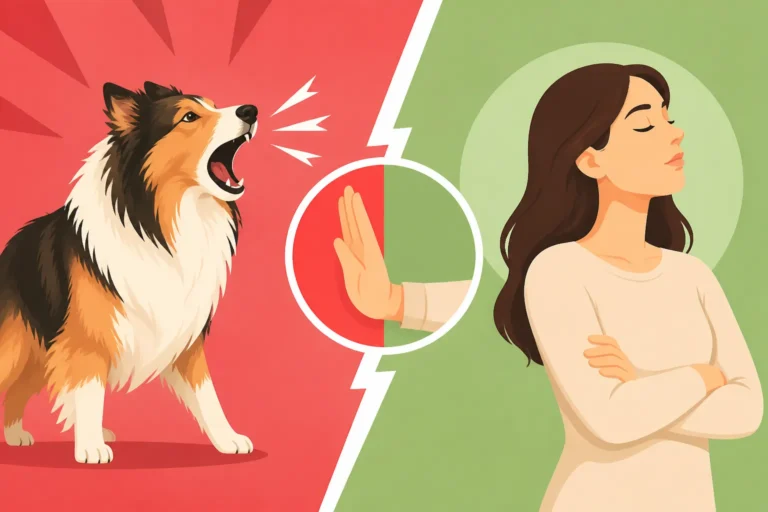
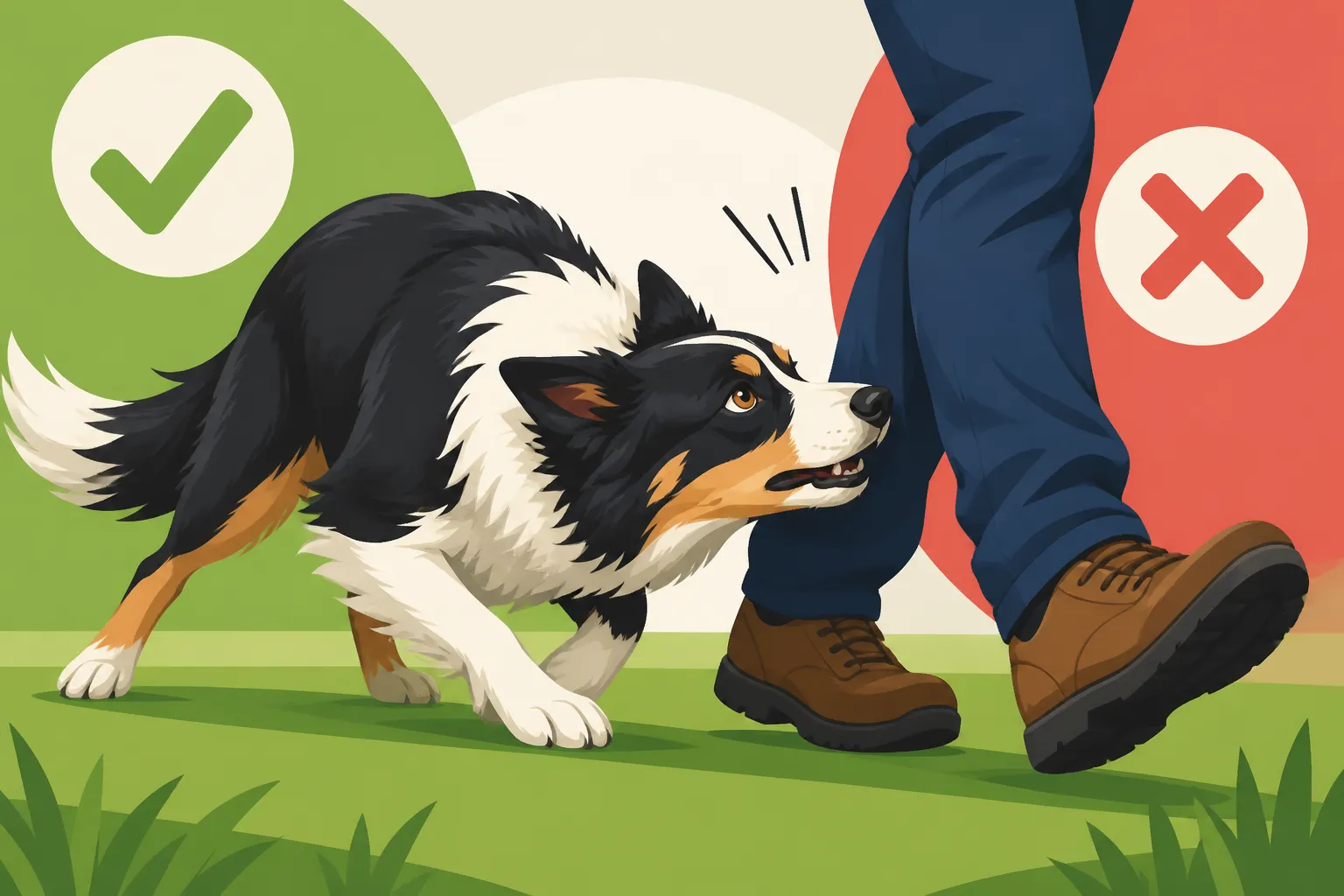
It’s completely understandable to feel a pang of worry when your dog nips, especially if it’s a child they’re targeting. The crucial distinction here is between a herding nip and an aggressive bite. A true herding nip is usually quick, light, and focused on the lower limbs. It’s a "flank and chase" behavior, designed to get movement, not to cause injury. The dog’s body language will typically be open, focused, and intent on the "prey" (the person or object moving away), often accompanied by a low crouch, an intense stare, or a circling motion. You might even see them doing a full-body "bump" as they try to gather.
Aggression, on the other hand, is generally accompanied by different body language: stiff body, raised hackles, a snarl, growling, or a more sustained bite that causes pain or breaks the skin. Most Collies are incredibly gentle by nature, and their nipping is almost always an expression of their instinct, not a malicious act. However, any nipping can escalate if not addressed, and even a playful nip can be frightening or painful, particularly for a small child. Understanding the difference helps us respond appropriately – it's usually about redirecting instinct, not punishing aggression.
Why a Modern Collie Might Nip at Heels
So, if your Collie lives in a cozy home, far from sheep, why does this instinct suddenly kick in? It boils down to unfulfilled needs and environmental triggers.
Lack of Appropriate Outlets for Instinct
Imagine being born with an innate drive to do something, something you're incredibly good at, but never getting the chance. That's often the case for our modern Collies. In a suburban home, there are no sheep to gather, no cattle to drive. This can lead to a build-up of mental and physical energy that seeks an outlet. When that instinct isn't channeled into appropriate activities, it often gets redirected onto whatever does move: your children, houseguests, other pets, or even the vacuum cleaner.
When a Collie isn't getting enough mental stimulation or physical exercise, they can become restless, anxious, and more prone to seeking out their own "jobs." These jobs often manifest as behaviors like excessive barking, digging, or, you guessed it, herding anything that moves. It's not about being a "bad" dog; it's about being an unfulfilled dog. Providing structured activities that tap into their natural intelligence and drive is key to preventing these redirecting behaviors. For a comprehensive look at how much energy your Collie needs to burn, check out How Much Exercise a Collie Needs Daily.
The "Moving Object" Trigger
This is where the ancient programming truly shines through. Our Collies are hardwired to react to movement. Think about it from their perspective: a child running across the yard, a jogger passing by on the sidewalk, someone scooting across the kitchen on a rolling chair – these are all signals that mimic a stray lamb or a scattering flock. The sudden, erratic, or fast movement triggers that deep-seated herding sequence: eye, stalk, chase, gather, nip.
The environment plays a huge role here. A bustling park with kids on bikes and skateboards is a goldmine of triggers. Even within your own home, a child squealing and running can instantly activate that drive. Your Collie isn't trying to be naughty; they're simply responding to stimuli in the way their ancestors would have on a Scottish hillside. Understanding this helps us empathize and strategize. We need to help them learn that human heels are not livestock, and there are better, more appropriate ways to engage their instincts. They might not even be aware of what they're doing when the instinct takes over.
Strategies to Manage and Redirect Nipping Behavior
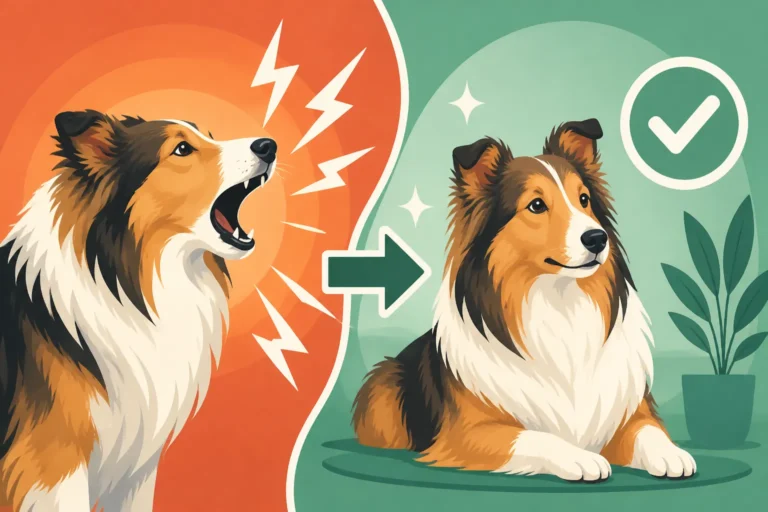
Dealing with nipping isn't about punishment; it's about clear communication, consistent training, and providing suitable alternatives. Your Collie wants to please you, but those instincts are powerful!
Consistent Training and Redirection
Positive reinforcement is your best friend here. Collies are incredibly sensitive and intelligent. Harsh Handling Breaks a Collie and It Does Not Come Back, so gentle, consistent methods are paramount. When your Collie starts to exhibit herding behavior towards a person or object, immediately interrupt the action with a clear, calm "no" or "leave it." Then, redirect their attention to an appropriate toy or activity. A flirt pole, for example, can be an excellent way to fulfill their chase and 'prey' drive in a controlled manner. It mimics the movement of a small animal, allowing them to chase, catch, and "kill" (metaphorically, of course) something without targeting a person.
Teaching alternative behaviors is crucial. Can you teach them to fetch a toy instead of chasing heels? Can they learn a "settle" command when things get chaotic? Engage them in structured play that allows them to use their brains and bodies. Think about what motivates your Collie – is it toys, treats, praise, or a combination? Use those motivators to reward desired behaviors heavily. Online training platforms, like BAXTER & Bella, offer structured programs that can guide you through these steps, providing consistent methodologies to integrate into your daily routine. This kind of consistent, clear guidance helps your Collie understand what you do want them to do, rather than just punishing what you don't.
Managing the Environment
Prevention is often the easiest solution, especially in the early stages of addressing nipping. If you know your Collie nips at running children, don't put them in a situation where children are running unsupervised. This might mean leashing your Collie when kids are playing vigorously, or even creating a temporary barrier in the home. If a certain visitor or activity triggers the nipping, manage that situation. For instance, if the mail carrier sets off a herding frenzy, ensure your Collie is in another room or on a leash when the mail arrives.
Creating clear boundaries and routines helps your Collie understand what's expected. For example, a designated "place" command for when people are moving around the house or during mealtimes can be very effective. Ensure your yard is securely fenced, not just for safety, but to prevent them from attempting to "herd" passing cyclists or pedestrians from the street. When you consciously control their environment, you reduce the opportunities for them to practice the unwanted behavior, making it easier for them to learn new habits.
| Nipping Trigger | Why it Happens | Management Strategy | Redirection/Training Tip |
|---|---|---|---|
| Running Children | Mimics fleeing livestock, activates chase instinct | Supervise interactions closely; use baby gates | Teach "sit" or "place" and reward calm behavior |
| Joggers/Cyclists passing | Fast, linear movement is irresistible | Leash walks, practice "heel"; avoid busy areas | Use a long line and a flirt pole in a safe area |
| People moving quickly indoors | Similar to running children, seeking activity | Implement "off-limits" zones, consistent "no" | Immediately offer a favorite toy for a game of fetch |
| Other small, fast-moving pets | Herding instinct can extend to cats or small dogs | Supervised introductions, separate spaces if needed | Train "leave it" and reward for ignoring other pets |
| Vacuum Cleaners / Mops | Erratic movement and noise | Confine Collie during chores, desensitize with treats | Give a high-value chew toy during cleaning time |
Exercising a Collie's Mind and Body to Prevent Nipping
A well-exercised Collie, both mentally and physically, is less likely to resort to unwanted behaviors like nipping. They’re intelligent dogs, and they thrive on purpose.
Physical Exercise Needs Beyond a Walk
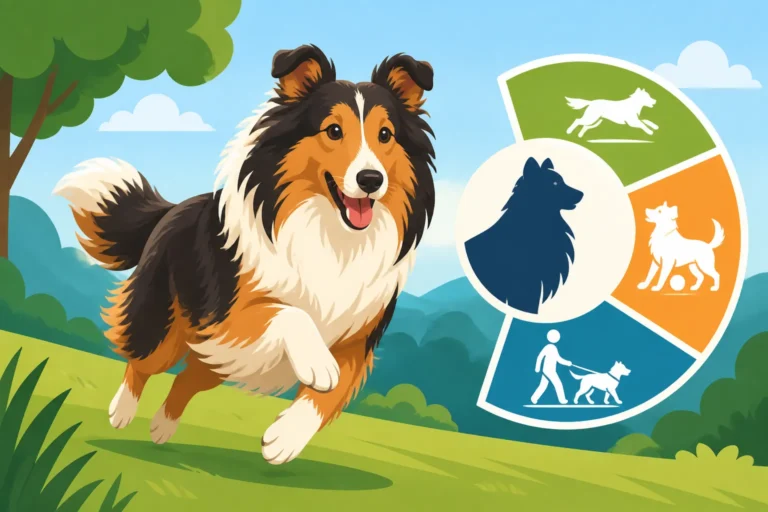
While Collies are adaptable and can certainly enjoy lounging on the couch, they are not sedentary dogs. A simple stroll around the block usually isn't enough to satisfy their physical needs, especially if they have a strong herding drive. Think about their original job: covering miles of rugged terrain. Your Collie needs opportunities to run, stretch their legs, and burn off that boundless energy. Long hikes in varied environments, secure off-leash play in a fenced area, or even joining you for a run (once they are fully grown and conditioned) can make a huge difference.
Varying their exercise routine is also important. Just doing the same walk every day can become boring. Introduce new smells, different terrains, or play active games of fetch. This isn't just about physical exertion; it's about providing novel experiences that engage their senses and prevent boredom, which often leads to redirected behaviors. Remember, a truly tired Collie isn't just physically worn out; they're also mentally content.
Mental Stimulation and Enrichment
This is perhaps even more critical for a Collie than pure physical exercise. Their minds are sharp, and if they're not given appropriate "work," they'll invent their own, which might include herding you. Engage their brains with puzzle toys – many are available on Amazon – that require them to figure out how to get a treat. These can keep them occupied for significant periods. Scent work is another fantastic outlet; hiding treats around the house or yard and letting them sniff them out taps into their natural canine abilities and is incredibly tiring for their brains.
Obedience training, even beyond the basics, offers excellent mental stimulation. Learning new tricks, practicing advanced cues, or even trying a dog sport like Rally or Agility (if your Collie enjoys it and is physically sound) can provide a profound sense of purpose. Think of training sessions as mental exercise – they certainly count! Training Sessions Count as a Collie's Exercise, and even short, frequent sessions can help fulfill that need to think and problem-solve. When a Collie's mind is engaged, they have less mental energy left to obsess over moving heels.
Living with Children and a Herding Collie
The combination of children and a herding dog can be a joyful one, but it does require extra diligence and education. Collies are generally wonderful with kids, but their instincts don't discriminate between sheep and toddlers.
Educating Children About Dog Behavior
It's vital that children understand how to interact with their Collie. Teach them not to run, scream, or make sudden, erratic movements around the dog, especially if the dog has a history of nipping. Explain that these actions can trigger the dog's herding instinct. Instead, encourage calm movements, soft voices, and teaching them how to safely engage in play that doesn't involve running from the dog.
Supervision is non-negotiable, particularly with very young children or toddlers. A Collie’s gentle nature doesn’t erase its instinct. Even if your Collie is generally good-natured, a quick, surprising nip can cause fear and distrust in a child. It's not fair to the child or the dog to expect perfect behavior without guidance. Whether a Collie Should Be Supervised With Toddlers is a critical question, and the answer is always yes. Setting clear rules for both dog and child creates a safer, happier home for everyone.
Professional Help and When to Seek It
While many nipping behaviors can be managed with consistent home training and environmental adjustments, there are times when professional help is invaluable. If the nipping is persistent, causing injury, escalating, or if you feel overwhelmed and unsure how to proceed, don't hesitate to reach out to a certified professional dog trainer or a veterinary behaviorist.
These experts can assess your specific situation, observe your Collie’s behavior firsthand, and develop a tailored training plan. They can help you identify triggers you might have missed and teach you more advanced techniques for redirection and behavioral modification. Early intervention is always best. Addressing the behavior proactively can prevent it from becoming a deeply ingrained habit that is much harder to change later on. Sometimes, just having an objective eye and expert guidance can make all the difference in building a harmonious home for your Collie and your family. If you're concerned about specific instances where Whether a Collie Nips a Child Who Runs or Whether a Collie Herds Running Children becomes a real problem, a professional can offer targeted advice.
Disclaimer
This article is for general informational purposes only and does not constitute professional advice. Laws, prices and regulations vary by location and change over time. Consult a qualified professional for guidance on your specific situation.