Whether a Collie Suits a Family With Teenagers
The dynamic of a family with teenagers can be a whirlwind of activity, hormones, and ever-changing schedules, and it’s completely understandable to wonder if a gentle, sensitive breed like a Collie will truly fit into such a household. Many families grapple with the question of whether a Collie's unique temperament and needs will clash or complement the often-unpredictable environment that teenagers bring. This guide aims to thoroughly explore how a Collie typically interacts with adolescents, outlining both the joys and potential challenges, and offering practical advice to foster a harmonious home for everyone.
Understanding the Collie Temperament and Teenage Energy
Collies are renowned for their gentle nature, intelligence, and deep loyalty, but these very traits can present interesting dynamics when integrated into a home with teenagers. It’s not about whether a Collie can live with teens, but rather how well their inherent characteristics align with the often-boisterous and independent spirit of adolescence.
The Collie's Sensitive Nature and How Teenagers Impact It
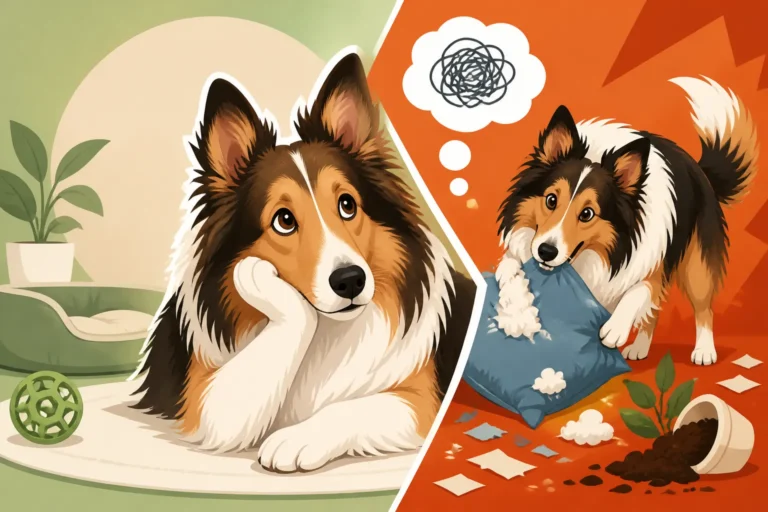
Collies are exquisitely sensitive dogs. They tend to be highly attuned to the moods and emotional states of their human family members, often forming strong, empathetic bonds. This sensitivity means they thrive in predictable, calm environments with consistent routines and gentle handling. They don't typically do well with harsh corrections, loud voices, or sudden, unexpected movements. Imagine a typical teenage household: there are often sudden bursts of laughter, loud music, friends coming and going, animated discussions, and the occasional slammed door (usually unintentional, of course). For a highly sensitive Collie, this can sometimes be overwhelming.
A Collie might startle easily if a teenager suddenly rushes past them, or if a group of friends erupts in loud conversation. They might retreat to a quieter space, or in some cases, become anxious. It’s not that teenagers are intentionally unkind, but their energy levels and social interactions are naturally more dynamic than, say, a quiet adult reading a book. This means families need to be mindful of providing a safe, calm retreat for their Collie, and teens should be encouraged to approach the dog gently and respectfully. A quiet space, perhaps a crate covered with a blanket in a less trafficked part of the house, can be invaluable for a Collie to decompress. Whether a Collie Is Sensitive to Household Tension speaks to just how much these dogs pick up on.
Matching Energy Levels: Collie Needs Versus Teenage Lifestyles
While Collies are certainly not couch potatoes, they generally have moderate exercise needs compared to some other high-energy herding breeds. They typically benefit from two good walks a day, plus some mental stimulation. However, their true satisfaction often comes from being with their people, participating in family activities, rather than endless hours of solitary exercise. Teenagers, on the other hand, often have extremely varied schedules. Between school, sports, social events, part-time jobs, and homework, their availability for dog walking or structured play can fluctuate wildly.
This can lead to inconsistency in a Collie's routine, which sensitive dogs often find unsettling. A Collie might thrive on a predictable morning walk with one teenager, only for that teen's schedule to change, leaving the dog feeling a bit adrift. The key here isn't that teens can't provide exercise, but that the entire family needs to be committed to ensuring the Collie's physical and mental needs are consistently met, regardless of individual schedules. Puzzle toys and interactive games can help fulfill mental stimulation needs even when a teen is busy with schoolwork. Think about how much activity your particular household has, and whether a dedicated family member can truly provide consistent daily engagement. Forty Five Minutes a Day, and Half of It in Its Head really drives home the blend of physical and mental exercise a Collie needs.
Socialization and Training with Teenagers in Mind
Integrating a Collie into a family with teenagers requires thoughtful planning around socialization and training. It's an opportunity for teens to learn responsibility and build deep connections, but it also necessitates consistent guidance from adults to ensure the dog’s development is positive.
Enlisting Teenagers in the Training Process
Having teenagers actively involved in a Collie's training can be incredibly beneficial for both the dog and the teen. It fosters a sense of ownership and responsibility for the teenager and helps the Collie see them as respected leaders and providers of positive experiences. Collies are intelligent and eager to please, making them generally responsive to positive reinforcement training methods.
Teenagers can take on tasks like teaching basic obedience cues, practicing recall in a safe, fenced area, or even participating in dog sports like Rally or Obedience. This engagement isn't just about teaching the dog commands; it's about building a language and a bond. When a teenager is actively involved in rewarding good behavior, the Collie learns to associate them with positive outcomes. However, consistency is paramount. If one family member uses a different cue or reward system, it can confuse the Collie. Online training platforms, like those offered by BAXTER & Bella, can be a fantastic way to engage teenagers in a structured training program, allowing them to learn alongside the dog at their own pace and review lessons as needed. These programs often break down training into manageable steps, which can be less intimidating for a busy teen.
Managing Potential Nipping or Herding Instincts with Teenagers
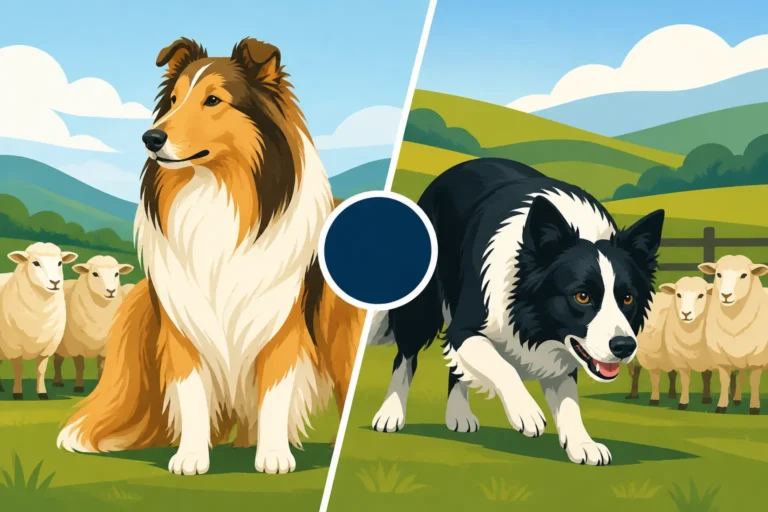
Collies, being herding dogs, possess natural instincts to gather and control movement. While they are not known for intense, high-drive herding like some other breeds, this instinct can still manifest in a domestic setting, particularly with children or teenagers who run, jog, or play boisterously. A Collie might try to "herd" a running teenager by circling them, nudging them, or even giving a gentle nip at the heels. This is rarely aggressive, but rather an innate behavior that can be startling or even mildly painful if the dog gets carried away.
It's crucial to address these behaviors early and consistently. Teenagers need to understand that the Collie isn't being mean, but acting on instinct. They should be taught to avoid running away from the dog in a way that triggers the herding drive and to redirect the dog's attention to appropriate toys or activities. Supervised play is essential, especially initially. Teaching the Collie a strong "leave it" or "settle" cue can be very helpful. Providing appropriate outlets for the herding instinct, such as fetch games or puzzle toys, can also mitigate these behaviors. Tools like long lines (available on Amazon) can be useful for practicing recall and control in a safe way without giving the dog the freedom to chase. Whether a Collie Herds Running Children delves deeper into managing this specific behavior.
The Collie's Loyalty and Companionship for Teens
Beyond the practicalities of management and training, a Collie can offer profound emotional support and companionship, which can be especially meaningful for teenagers navigating a complex period of their lives. The bond between a Collie and a teen can be incredibly deep and enduring.
Building Strong Bonds Between Collies and Teenagers
Collies are inherently devoted dogs, forming strong attachments to their families. For a teenager, a Collie can become a true confidant and a steady presence amidst the emotional ups and downs of adolescence. They are often incredibly perceptive, offering quiet comfort when a teen is upset or enthusiastically joining in on moments of joy. Many Collies will follow their favorite person from room to room, offering a silent, comforting presence. This constant, non-judgmental companionship can be invaluable.
Teenagers can forge these strong bonds through consistent positive interactions: gentle petting, quiet cuddle time, playing appropriate games, and taking responsibility for aspects of the Collie's care. Reading aloud to the dog, even while doing homework, can create a calm, shared experience. In turn, a Collie’s unwavering loyalty and affection can boost a teenager’s self-esteem and provide a sense of unconditional acceptance. This can be a particularly important aspect for teens as they develop their independence and sense of self. Whether a Collie Bonds to One Person explores the nuances of their selective affections, but they often extend this loyalty to all family members who show them kindness.
Collaborative Care: Sharing Responsibilities
One of the most enriching aspects of a Collie in a family with teenagers is the opportunity for shared responsibility. While the ultimate oversight of the dog's care falls to the adults, delegating age-appropriate tasks to teenagers can teach them invaluable life skills, time management, and empathy. This isn't about making the dog their burden, but about them contributing meaningfully.
Teenagers can be responsible for feeding the Collie at specific times (using measuring cups to ensure correct portions), refilling water bowls, brushing the dog's coat, or supervising play sessions. They can also take on the role of grooming tasks like checking for burrs after walks, or even helping with nail trims if properly taught and supervised. A shared calendar or chore chart can help ensure consistency and accountability. For example, one teen might be responsible for the morning walk, another for evening feeding and a quick brush. This collaborative approach ensures the Collie's needs are met consistently, and it helps the teenagers understand the full scope of pet ownership. Regular communication among family members about the dog's needs and schedule is vital to prevent gaps in care.
Common Challenges and Solutions for Collie-Teenage Households
While Collies can be wonderful companions for families with teenagers, it’s important to acknowledge and prepare for some common challenges that might arise. Proactive strategies can turn potential issues into manageable situations.
Overcoming Distractions and Inconsistency
One of the biggest hurdles in any family with teenagers is the sheer level of distraction and potential for inconsistency. Between school, extracurricular activities, social lives, and the ever-present allure of screens, teenagers can sometimes be sporadic in their attention to the family dog. A Collie thrives on routine and clear expectations, so an inconsistent approach to feeding, exercise, or training can lead to confusion or anxiety in the dog.
The solution lies in clear communication and shared responsibility, with adults acting as the primary anchors of the Collie's routine. Instead of relying on a single teenager to walk the dog every day, perhaps divide the tasks among multiple family members, or have a backup adult always ready. Utilize technology: calendar reminders on phones for feeding times or walk schedules can be helpful for busy teens. Educational resources about dog behavior, perhaps found on Amazon, can also help teens understand why consistency is so important for their furry friend's well-being. Ultimately, the commitment must come from the entire family to ensure the Collie's needs are met, even when teenage life gets hectic. Whether a Collie Needs a Predictable Routine underscores this vital point.
Navigating the Collie's Barking Tendencies
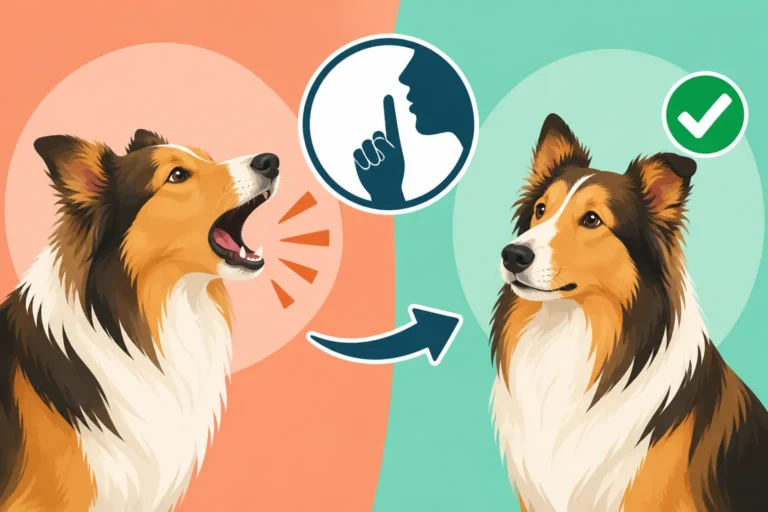
Collies are vocal dogs, and their heritage as herding and watchdog breeds means they are often quick to alert their families to anything perceived as unusual, or simply to express themselves. This barking tendency can become a point of contention in a busy household, especially if teens are trying to study, talk on the phone, or just enjoy some quiet time. They might bark at passersby, the mail carrier, other dogs outside, or even just general household commotion.
Managing barking requires patience and consistency, again, from the entire family. Teaching a "quiet" cue early on is invaluable. When the Collie barks, acknowledge the alert (e.g., "Thank you for telling me, Fido"), then redirect their attention and reward them for being quiet. Teenagers need to be taught not to inadvertently encourage barking by yelling at the dog or giving it attention every time it barks. Environmental management can also help, such as blocking the view from windows with privacy film or curtains to reduce triggers. Providing plenty of mental stimulation, like chew toys or KONGs filled with treats, can also reduce boredom barking. Why a Collie Barks offers more in-depth insight into this breed trait and how to manage it.
Here's a quick overview of how a Collie typically fits into a home with teenagers:
| Aspect | Potential Benefits | Potential Challenges | Strategies for Success |
|---|---|---|---|
| Temperament | Loyal, empathetic, calm companion | Sensitive to noise/sudden movements, can be startled | Provide quiet retreat, teach teens gentle interaction |
| Energy Levels | Moderate exercise needs, enjoys family activity | Inconsistent teen schedules, dog's needs overlooked | Shared family responsibility for exercise, consistent routine |
| Training & Bonding | Eager to learn, strong bonds with involved teens | Inconsistent training from multiple family members | Unified training approach (e.g., BAXTER & Bella), adult supervision |
| Herding Instinct | Playful chasing, can be redirected | Nipping at heels, circling running teens | Teach "leave it," redirect to toys, supervised play |
| Vocalization | Excellent watchdog, alerts family | Excessive barking at triggers | Teach "quiet" command, manage environmental triggers, mental stimulation |
| Responsibility | Teens learn empathy, time management, commitment | Tasks forgotten, dog's care becomes a low priority | Clear chore chart, adult oversight, emphasize dog's dependence |
Disclaimer
This article is for general informational purposes only and does not constitute professional advice. Laws, prices and regulations vary by location and change over time. Consult a qualified professional for guidance on your specific situation.