Whether a Collie Still Has Working Instinct
Many Collie owners, especially those new to the breed, often find themselves wondering if their seemingly calm, affectionate dog truly retains any of the powerful working instincts of their ancestors. It's a valid question, given how often Collies are portrayed as gentle, almost docile family companions, far removed from the bustling sheep pastures of Scotland. This guide will delve into the enduring working instinct of the modern Collie, exploring how these deep-seated traits manifest today and how you can best understand and channel them for a happy, well-adjusted companion.
The Historical Role of the Collie in Herding
To truly appreciate the Collie's inherent drives, we have to journey back in time, long before film stars and beauty pageants entered the picture. Their history is steeped in the rugged landscapes of Scotland and northern England, where their very survival and the livelihoods of their human companions depended on their intelligence, courage, and keen herding abilities.
From Ancient Drovers to Scottish Shepherds
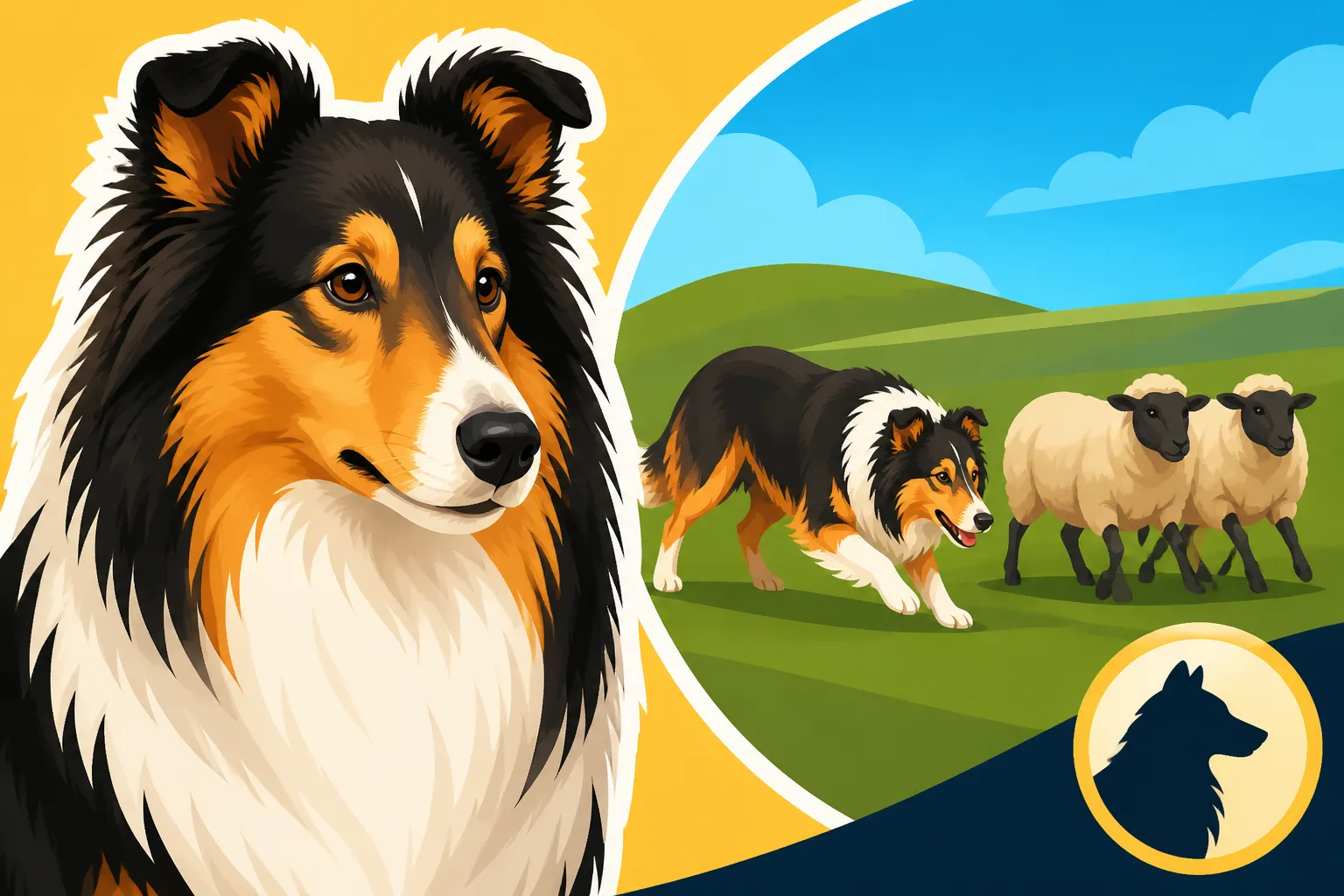
For centuries, the ancestors of the modern Collie were indispensable working dogs, primarily used for herding sheep and cattle. They weren't just fluffy companions; they were vital members of the farming family, responsible for moving livestock across vast distances, often in harsh weather conditions. Imagine a shepherd needing to move a large flock of sheep across miles of open moorland, through narrow passes, and past potential dangers. They relied entirely on their Collies to gather the flock, keep them together, and guide them with precision.
This wasn't a job for just any dog. It required a unique blend of traits: incredible intelligence to understand complex commands, a strong desire to please and cooperate, immense stamina for long days on the move, and a keen observational sense to detect straying lambs or potential threats. They also needed a certain sensitivity—not just to the shepherd's whistle, but to the subtle movements of the flock, knowing when to apply pressure and when to back off. This deep connection to their human handler and their "flock" (be it sheep or family members) is etched into their genetic code. The barking, the circling, the watchful eye – these weren't just random behaviors; they were survival mechanisms.
The Impact of "Lassie" and the Show Ring
Then came the mid-19th century, and with it, Queen Victoria's fascination with the breed. This royal endorsement rocketed the Collie from the fields to the drawing rooms, changing their destiny forever. Fast forward to the 20th century, and the iconic "Lassie" films cemented the Collie's image as the ultimate loyal, intelligent, and heroic family dog. While this brought immense popularity, it also shifted the breed's focus dramatically.
The emphasis moved from working utility to aesthetic appeal. Breeders began selecting for specific physical traits like a longer muzzle, a profuse coat, and a refined head, which became hallmarks of the show ring. The dogs were still intelligent and beautiful, but the direct need for intense herding capability diminished for many lines. This doesn't mean the instinct vanished entirely, but it certainly became less critical for survival and breeding success in many modern lines. It created a bit of a disconnect for new owners who might see a beautiful, regal dog and not immediately connect it to a hard-working farmhand. The expectation became less about their ability to gather sheep and more about their gentle nature and stunning looks.
Manifestations of Working Instinct in Modern Collies
Even though many Collies today live far from the farm, those ancient instincts are still bubbling beneath the surface. They might not be herding sheep, but they're definitely "working" in their own way, often to the amusement or occasional bewilderment of their human families.
Herding Behaviors in the Home Environment
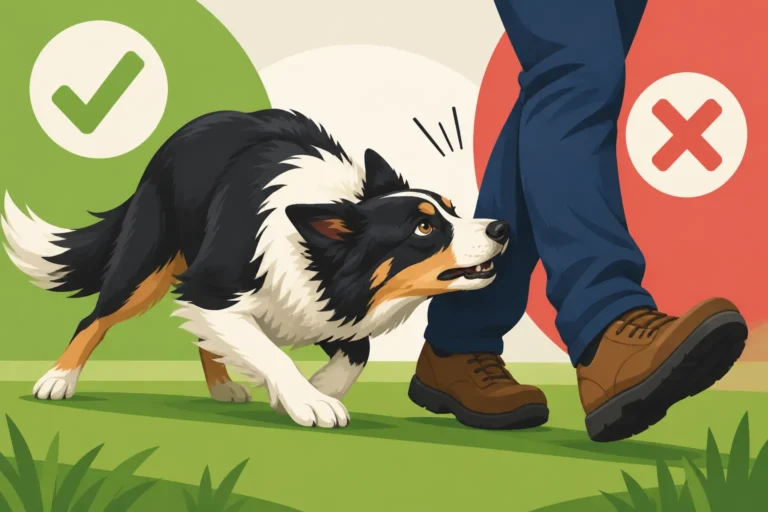
If you live with a Collie, you've probably witnessed some classic herding behaviors without even realizing it. They might not be nipping at heels (though some will, particularly as puppies!), but they're certainly trying to keep their "flock" together.
Have you ever noticed your Collie gently nudging a wandering child back towards the family group? Or perhaps they position themselves strategically in a doorway, subtly blocking passage, as if to say, "The flock stays here!" They often employ a "stare" or a "gaze" – a fixed, intense look designed to influence movement, much like a working dog uses eye contact to control livestock. My own Collie, Buster, would always lie down right in the middle of any path I needed to take in the house. It wasn't laziness; it was his way of managing the flow, making sure I stayed within his perceived boundaries. He was, in his own mind, directing me. If you have multiple pets, you might see them trying to gather them into a single room, circling them gently. This isn't aggression; it's an innate drive to coalesce the group. It's truly fascinating to observe once you know what you're looking for, and understanding it helps you to appreciate their unique way of interacting with the world. For a deeper dive, check out Why a Collie Herds Your Children.
Intelligence, Problem-Solving, and Sensitivity
The Collie's intelligence isn't just about learning tricks; it's a deep-seated problem-solving ability that was crucial on the farm. They needed to anticipate the movements of the flock, read the shepherd's intentions, and adapt to changing conditions. This translates into a modern Collie who is incredibly perceptive and keenly aware of their environment.
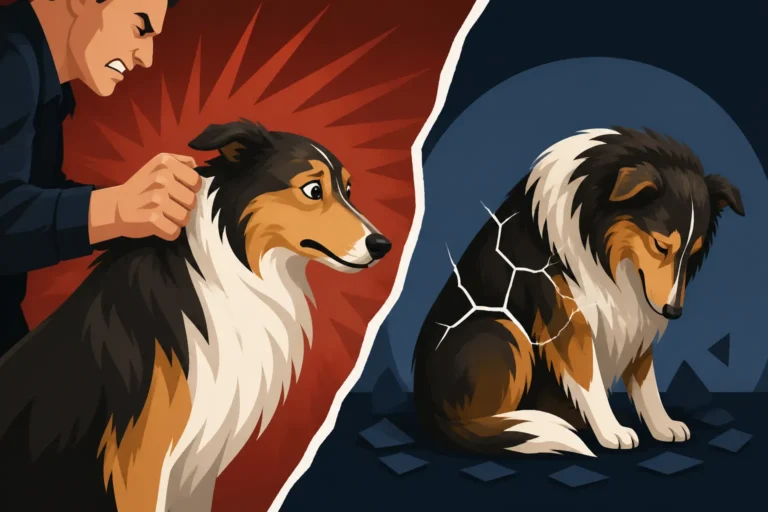
They read human emotions with uncanny accuracy. A raised voice, a tense posture, or even a subtle shift in your mood won't go unnoticed. They often anticipate your next move before you even make it. For example, if you typically grab your keys and then head for the door, your Collie might start getting excited as soon as they hear the jingle of your keys, already piecing together the routine. This makes them incredibly trainable with positive reinforcement, as they thrive on understanding patterns and pleasing their people. This sensitivity, while wonderful, can also mean they are easily disheartened by harsh corrections or inconsistency. They need clear, gentle guidance, not force. They are always trying to figure things out, even if it's just how to get that treat off the counter. It's a constant mental "job" for them. They truly read the room, often better than we do! Want to know more about this unique trait? Have a look at A Collie Reads a Room Better Than It Reads a Command.
The Bark as an Alert System
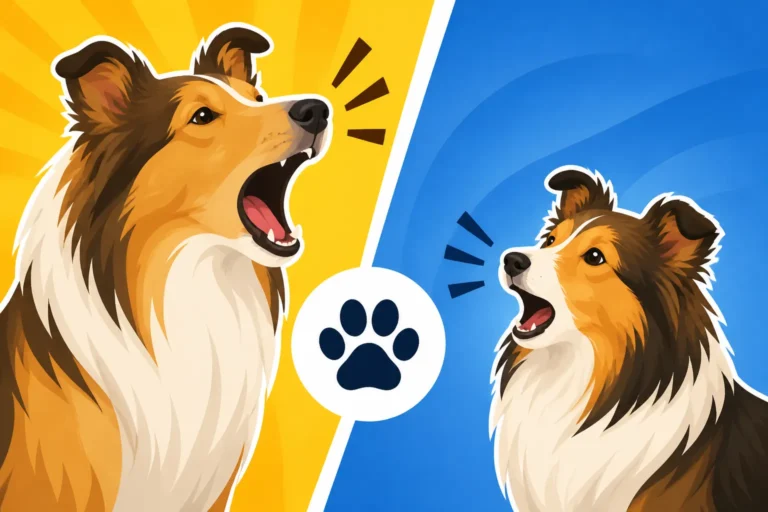
Collies are known for being vocal, and while this can sometimes be a challenge, it's a direct reflection of their history as guardians of the flock. On the farm, a bark wasn't just noise; it was a critical alert. It warned the shepherd of predators, strangers, or any perceived threat to the sheep.
In a modern home, this translates into a dog who feels a strong responsibility to alert you to anything out of the ordinary. A squirrel on the fence, the mail carrier, a neighbor walking by, or even a leaf blowing across the yard can trigger their alert system. They are telling you, their beloved family, that something needs your attention. It's their way of doing their "job" – protecting their flock. Understanding this inherent drive can help you manage their barking more effectively, rather than just becoming frustrated. They're not doing it to annoy you; they're doing it because they believe it's what they're supposed to do. Sometimes, it feels like they bark at everything. We've all been there! To learn more about this, check out Why a Collie Barks.
Channeling and Nurturing a Collie's Natural Drives
Recognizing these inherent working instincts is the first step toward building a fulfilling life for your Collie. Rather than trying to suppress them, the key is to channel them into appropriate and enjoyable outlets that satisfy their need for purpose and mental engagement.
Structured Training and Mental Stimulation
A Collie's sharp mind needs exercise just as much as their body, if not more so. A bored Collie is often a mischievous Collie. Structured training sessions, even short ones throughout the day, can be incredibly enriching. These aren't just about obedience commands; they're about engagement, problem-solving, and building that crucial bond with you. Think about teaching them new tricks, practicing advanced obedience, or even working on canine freestyle routines.
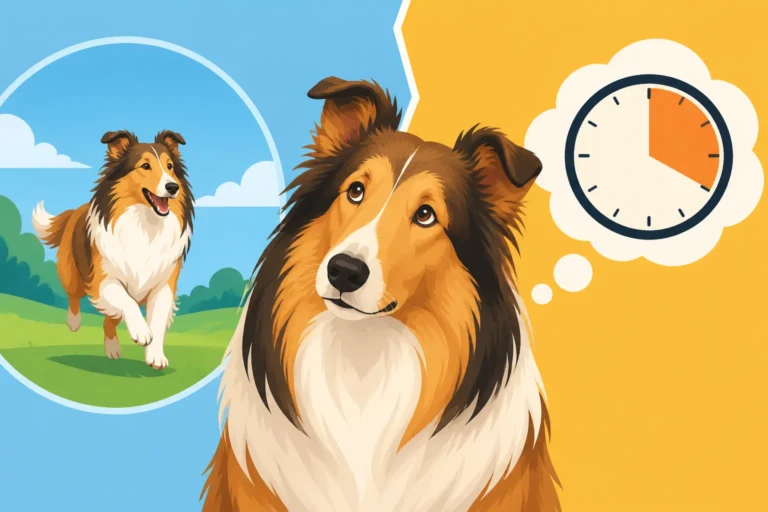
Puzzle toys are an absolute lifesaver for Collies, especially on days when physical exercise might be limited. Filling a KONG or a snuffle mat with their meal can turn mealtime into a mental workout. Products available through retailers like Amazon offer a wide variety of these toys, from treat-dispensing balls to intricate multi-step puzzles, giving your Collie a "job" to do to earn their dinner. Consistent mental stimulation, even if it's just 15-20 minutes of dedicated training daily, can make a huge difference in their overall behavior and happiness. Remember, for a Collie, Forty Five Minutes a Day, and Half of It in Its Head is a good rule of thumb.
Exploring Canine Sports and Activities
Beyond basic obedience, many canine sports are perfectly suited to a Collie's working instincts and intelligence. These activities provide a fantastic outlet for their natural drives and can be incredibly rewarding for both dog and owner.
- Rally Obedience: This sport combines obedience with a scavenger hunt feel, as handler and dog navigate a course with various stations, performing different exercises. It taps into their intelligence and desire to work collaboratively.
- Traditional Obedience: For those who love precision and teamwork, competitive obedience can be a wonderful fit, refining their responsiveness and focus.
- Scent Work: This engages their powerful noses, allowing them to use their natural hunting and tracking instincts in a controlled environment, searching for specific odors. It's mentally exhausting in the best way!
- Herding Instinct Tests: If you're curious about their latent herding abilities, finding a local facility that offers herding instinct tests can be incredibly insightful. These aren't full-blown herding trials, but a chance to see how your Collie reacts to livestock in a safe, controlled setting. Many Collies surprise their owners with how naturally they take to it.
- Therapy Work: Given their gentle nature and sensitivity, many Collies excel as therapy dogs, providing comfort and companionship. This role allows them to "work" by making a positive impact on others.
Exploring activities like Herding, Rally and the Sports a Collie Was Made For can really bring out the best in your Collie. And if you're wondering about their potential in specific roles, consider articles like Whether a Collie Works as a Service Dog. For those considering herding, a What a Herding Instinct Test Involves for a Collie can be an eye-opening experience.
Understanding Your Collie's Unique Personality
It's crucial to remember that while the breed as a whole shares certain instincts, every Collie is an individual. Just like people, some will have stronger drives than others. You might have a Collie who lives to herd every moving object, while another is content to be a couch potato, only occasionally offering a subtle "herd" of the family cat.
Observe your Collie's natural inclinations. Do they show a strong desire to chase and gather? Are they highly focused on puzzles? Do they seem to crave interaction and direction from you? Tailoring their activities to their individual strengths and preferences will be far more successful than trying to force them into a mold. A good training program, like those offered by online platforms such as BAXTER & Bella, can provide a flexible framework that allows you to explore and develop your individual Collie's talents, whether they lean more towards competitive sports or just being a wonderfully engaged family member. They help you understand your dog, not just Collies in general.
Addressing Misconceptions and Managing Expectations
Understanding a Collie's working instinct also means managing our own expectations and clarifying what "working dog" truly means for this breed in the modern era. It's not always about a job in the traditional sense, but about fulfilling an inherent need for purpose.
The Difference Between "Working" and "Bred for Work"
It's important to distinguish between a dog who retains working instincts and one who is actively bred for intensive, daily herding work. Many modern Collies, especially those from show lines, haven't had generations of selective breeding for the intense drive and specific techniques required for high-level herding trials. While the instinct is there, it might not be as sharp or as easily directed as in a Border Collie from dedicated working lines, for example.
This doesn't make their instinct any less valid, but it means their "job" in your home is likely to be different. They are still driven to engage, to solve problems, and to be a contributing member of their family unit. Their "work" often involves being a vigilant companion, an active participant in training games, or a sensitive therapy dog. They might still show glimpses of what they could do on a farm, but it's okay if their purpose is instead fulfilled within the context of family life. If you're wondering about their actual herding capabilities today, reading Whether a Modern Collie Could Still Work Sheep might provide further insight.
Avoiding Frustration and Destructive Behaviors
When a Collie's mental and physical needs aren't met, their unchanneled working instinct can unfortunately lead to unwanted behaviors. A highly intelligent dog who is bored can become incredibly creative in finding ways to entertain themselves, which might not always align with your household rules.
This could manifest as excessive barking (their alert system going into overdrive because they have nothing else to "report" on), destructive chewing (finding "work" for their jaws), or even obsessive behaviors like shadow chasing or frantic self-grooming. It's a clear signal that they need more mental engagement. If you've ever had a Collie redecorate your living room with pillow stuffing, you know the frustration. They're not doing it to be naughty; they're doing it because their brain needs a job. Providing appropriate chew toys, puzzle feeders, and consistent training sessions can redirect these drives positively. Don't let your Collie get to the point of Whether a Collie Chews When Bored.
The Joy of a "Working" Family Companion
Ultimately, embracing your Collie's working instinct means appreciating them for the incredibly intelligent, sensitive, and dedicated companions they are. Their desire to be engaged, to be part of your activities, and to connect with you on a deeper level is a gift. When you provide them with appropriate outlets, you'll find a dog who is not only well-behaved but also deeply content.
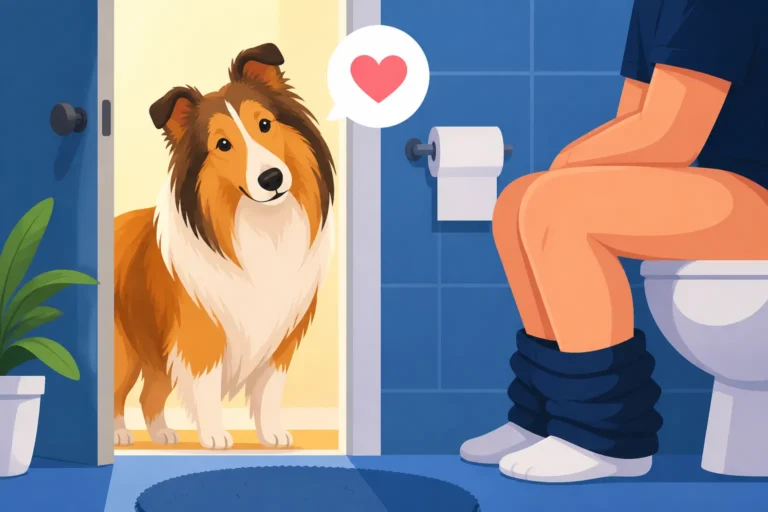
A Collie who feels understood and has a "job" – whether that's learning new tricks, excelling in Rally, or simply being the family's resident shadow and alert system – is a happy Collie. They thrive on being involved and feeling useful. It's this deep connection and desire to participate in your life that makes them such extraordinary family members. They don't just live in your house; they truly live with you, often following you from room to room as if to ensure their flock is always safe and accounted for. This is often why they follow you everywhere, like in Why a Collie Follows You From Room to Room. It's not clinginess; it's caring.
Disclaimer
This article is for general informational purposes only and does not constitute professional advice. Laws, prices and regulations vary by location and change over time. Consult a qualified professional for guidance on your specific situation.