Whether a Collie Passes the Canine Good Citizen Test
It's completely natural to wonder if your beloved Collie has what it takes to pass the Canine Good Citizen (CGC) test. Many Collie owners aspire to this benchmark, not just for the certificate, but for the well-mannered companion it signifies. This guide will walk you through what the CGC entails, how your Collie's unique traits can be assets and challenges, and practical steps to set you both up for success.
Understanding the Canine Good Citizen Test and Your Collie's Strengths
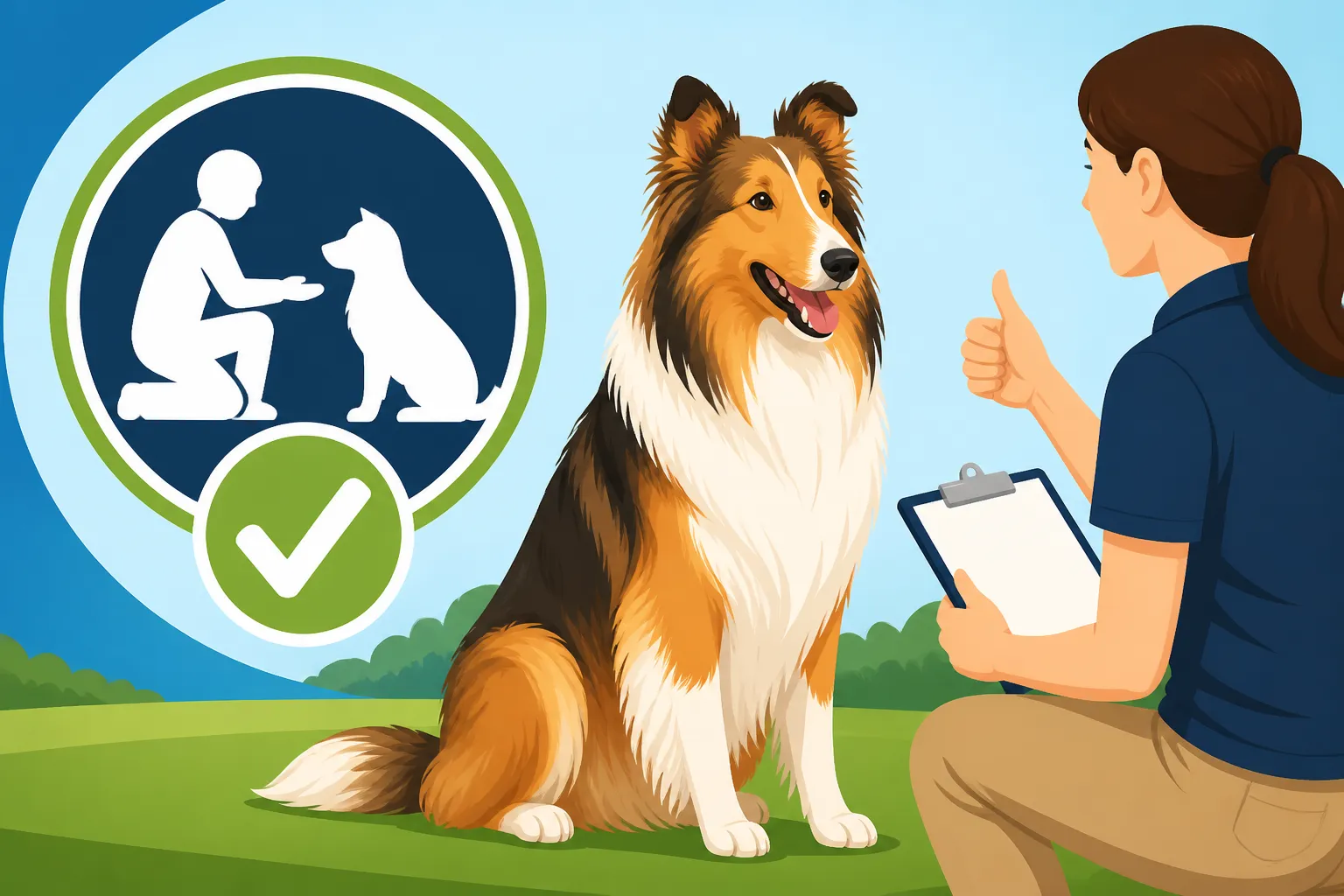
The Canine Good Citizen test isn't just a fancy certificate; it's a real-world assessment of your dog's manners and your responsible ownership. It’s designed to prove that your dog is a reliable, well-behaved member of the community, able to handle everyday situations calmly and politely. For many Collie owners, this is the gold standard for public manners, and with good reason. It builds a foundation of trust and understanding between you and your dog, making life together so much more enjoyable.
What the CGC Test Actually Covers
The CGC test consists of ten specific skills, each designed to simulate common scenarios you and your dog might encounter in public. These aren't advanced tricks, but rather foundational behaviors that demonstrate your dog’s reliability and your control. Think about taking your Collie to a park, a pet-friendly store, or even just having guests over at your home. The CGC test evaluates whether your dog can manage these interactions gracefully.
First off, your dog needs to accept a friendly stranger, allowing them to approach and pet them politely. Then, there's the polite appearance and grooming, where the dog permits a brief comb-through or examination from the evaluator. This is a big one for Collies, given their magnificent coats, so getting them comfortable with handling is crucial. Next, your dog needs to walk on a loose leash through a small crowd, demonstrating their ability to navigate distractions without pulling or reacting. They also need to be able to walk by other dogs politely, which can be a common sticking point for many breeds. Your Collie will be asked to sit and lie down on command, stay in place, and come when called from a distance. Finally, they'll need to react calmly to distractions like sudden noises or passing joggers, and show supervised separation, proving they can remain calm for a short period while you step out of sight. It's a comprehensive look at a dog's general decorum, and it really emphasizes practical, everyday good manners.
How a Collie's Natural Temperament Aligns with CGC Goals
Collies, with their inherent intelligence and strong desire to please, often come equipped with a fantastic foundation for the CGC test. They are incredibly smart dogs, often ranking high in canine intelligence, which means they pick up on new commands and concepts relatively quickly. This is a huge advantage when you're trying to teach them a specific set of behaviors. Many Collies thrive on mental stimulation, and training for the CGC can be a wonderful way to engage their minds. They are thinkers, not just doers, and they enjoy the problem-solving aspect of learning new skills.
Furthermore, Collies are generally quite sensitive and eager to form a strong bond with their owners. This sensitivity, when channeled correctly, makes them highly responsive to positive reinforcement. They genuinely want to make you happy, which translates into an excellent work ethic during training sessions. You'll find that many Collies respond beautifully to praise, gentle encouragement, and tasty treats. Their natural watchful nature also lends itself well to the "reaction to distractions" portion of the test; they are observant, but with proper training, they can learn to process and ignore novel stimuli rather than overreacting. Their innate gentle disposition also makes them naturally inclined towards polite greetings with strangers, provided they've been well-socialized. This combination of intelligence, biddability, and a gentle nature makes them prime candidates for excelling in tests like the CGC.
Common Challenges and How to Navigate Them with Your Collie
While Collies have many wonderful traits that make them suitable for the Canine Good Citizen test, it's also important to be realistic about some of the breed's characteristics that might present a bit more of a challenge. Ignoring these can lead to frustration for both you and your dog. Knowing what to expect allows you to proactively work on these areas, turning potential hurdles into well-practiced successes.
Addressing the Collie's Sensitivity to Noise and Strangers
Collies are known for their sensitive nature, and this can manifest in a couple of ways that might impact their CGC performance. First, their sensitivity often means they can be quite attuned to their environment, which includes sounds. A sudden loud noise – a dropped object, a car backfiring, a child yelling – might cause a more sensitive Collie to startle or become anxious. The CGC test takes place in various environments, and unexpected sounds are a given. Building a strong foundation of confidence and positive associations with different noises from a young age is paramount. Gradual exposure to a variety of sounds, paired with high-value treats and praise, can help desensitize your Collie.
Second, while Collies are generally friendly once they know you, some can be a bit reserved or even shy around strangers. This isn't aggression; it's often a cautious approach that might not meet the "friendly stranger" component of the CGC test, which requires a polite greeting and acceptance of petting. For these Collies, early and ongoing positive socialization is key. This means controlled, positive introductions to many different types of people – men, women, children, people wearing hats or glasses – always ensuring the experience is pleasant. Never force an interaction, but rather reward your Collie for simply observing new people calmly, then gradually encourage polite greetings. Using resources like online puppy courses, such as those offered by BAXTER & Bella, can provide structured guidance on exposing your puppy to new sights and sounds in a positive way, helping to build that crucial early confidence. If you have a sensitive Collie, remember that How to Build Confidence in a Nervous Collie is a journey, not a sprint, and patience will be your best friend.
Managing the Collie's Tendency to Bark and Herd
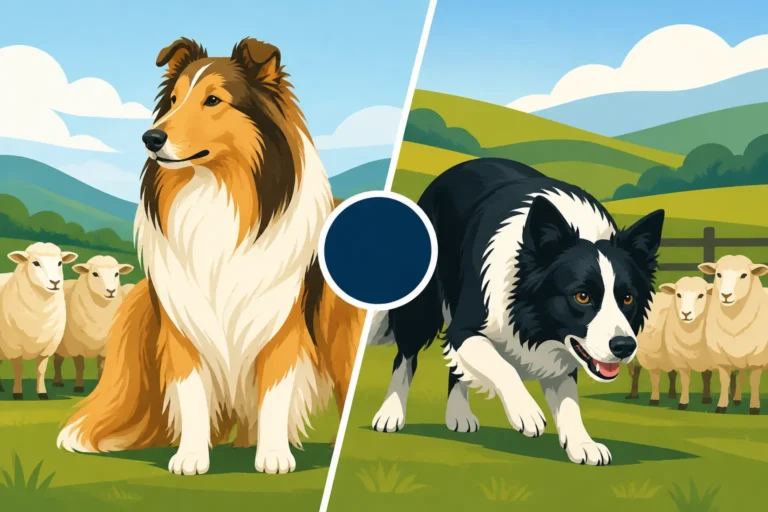
Another aspect of the Collie's herding heritage that can be a factor in CGC readiness is their propensity for barking and, of course, their inherent herding instinct. Collies are excellent watchdogs; they are vocal and will alert you to anything they perceive as unusual or approaching their territory. While this is a desirable trait in some contexts, excessive barking can be problematic during the CGC test, especially in the "reaction to distractions" or "polite greeting" sections. The test requires a calm, quiet demeanor. It’s important to teach your Collie a "quiet" command, and practice it diligently in various scenarios. Whether a Collie Can Be Taught a Quiet Cue is definitely possible, but it takes consistent work and understanding of why your Collie is barking. Sometimes it's excitement, sometimes it's territorial, and sometimes it's just communication.
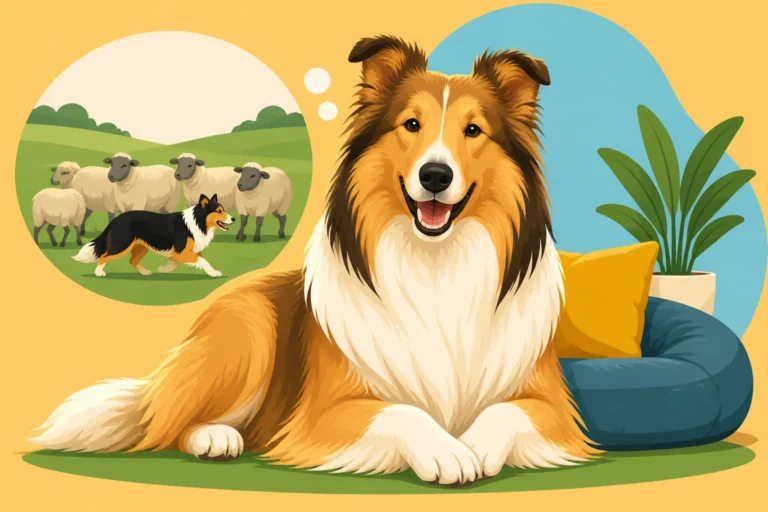
Then there's the herding instinct. While a domestic Collie might not be rounding up sheep, that instinct can translate into circling behaviors, heel-nipping (especially with running children, though less common in Collies than some other herding breeds), or intense staring at moving objects or people. For the CGC, your Collie needs to walk politely on a leash without circling or "gathering" other people or dogs. For the "walking through a crowd" or "reaction to distractions" items, this can be a challenge if not addressed. Redirecting this energy through appropriate outlets, like playing fetch, enrolling in herding lessons (if you're inclined!), or engaging in mentally stimulating games, can be very helpful. Remember, a bored Collie is more likely to engage in undesirable behaviors stemming from their natural instincts. Always have high-value treats and toys ready to redirect their focus when that herding urge kicks in during training sessions.
Practical Steps for Preparing Your Collie for the CGC Test
Getting your Collie ready for the Canine Good Citizen test is a rewarding journey, but it does require commitment and a structured approach. It's not about cramming for a test; it's about building consistent habits and strengthening your bond through positive training. Think of it as laying down the building blocks for a well-behaved companion for life.
The Importance of Consistent, Positive Reinforcement Training
The foundation of success for any dog in the CGC test, especially a sensitive and intelligent Collie, lies in consistent, positive reinforcement training. This means rewarding the behaviors you want to see, rather than punishing the ones you don't. Collies respond incredibly well to kindness and clear communication. Harsh corrections or a raised voice can easily shut down a sensitive Collie, making them reluctant to try new things or even causing them to How a Collie Responds to a Raised Voice by becoming withdrawn. Instead, focus on making training fun and rewarding. Use small, high-value treats, enthusiastic praise, and playful interactions as rewards.
Break down each CGC component into small, achievable steps. For example, instead of expecting a perfect "stay" from the get-go, start with short durations in a quiet environment, gradually increasing time and introducing mild distractions. Consistency is absolutely crucial. Aim for short, frequent training sessions (5-10 minutes, several times a day) rather than one long, overwhelming session. This keeps your Collie engaged and prevents burnout. Websites like BAXTER & Bella offer comprehensive online training programs that are built on positive reinforcement principles and can guide you through each step of basic obedience and beyond, making it easier to stay on track. You can also find great training accessories like clickers, treat pouches, and various leashes on platforms like Amazon to make your sessions more effective and organized.
Simulating Test Conditions at Home and Beyond
Once your Collie understands the individual commands in a low-distraction environment, the next critical step is to simulate the actual test conditions. The CGC isn't just about knowing "sit"; it's about performing "sit" when a stranger is nearby, or "stay" when another dog walks past. Start by practicing in your home with mild distractions, like family members walking by, then gradually move to more challenging environments. Take your Collie to a local park during off-peak hours, a quiet shopping center parking lot, or a friend's backyard. Practice each of the ten CGC components in these varied settings.
For the "friendly stranger" portion, enlist friends and family to play the role of the evaluator. Have them approach, talk to your Collie calmly, and offer a gentle pat (if your Collie is comfortable). For the "reaction to distractions," gently drop a set of keys, roll a ball nearby, or have someone jog past at a distance. Gradually decrease the distance as your Collie shows more confidence. For the "supervised separation" component, practice having your Collie stay out of sight for short periods while you remain nearby but hidden. Remember, the goal isn't to trick your dog, but to prepare them for the realities of public life. Make every exposure a positive one, and always end on a good note, celebrating your Collie's successes, no matter how small. A good medical tag or a prominently flagged chart at the vet can also prepare you for real-world interactions where your Collie might need specific care due to their sensitivity or Whether an MDR1 Collie Can Take Any Sedative.
Beyond the Test: Embracing the Lifelong Journey of a Well-Mannered Collie
Passing the Canine Good Citizen test is a fantastic accomplishment and a testament to your hard work and your Collie's capabilities. However, it's really just a milestone on a much longer journey. The skills learned during CGC preparation are foundational, and maintaining them requires ongoing effort and engagement. A well-mannered Collie isn't just one who passed a test; it's one who consistently demonstrates good behavior throughout their life.
The Benefits of Continuous Training and Socialization
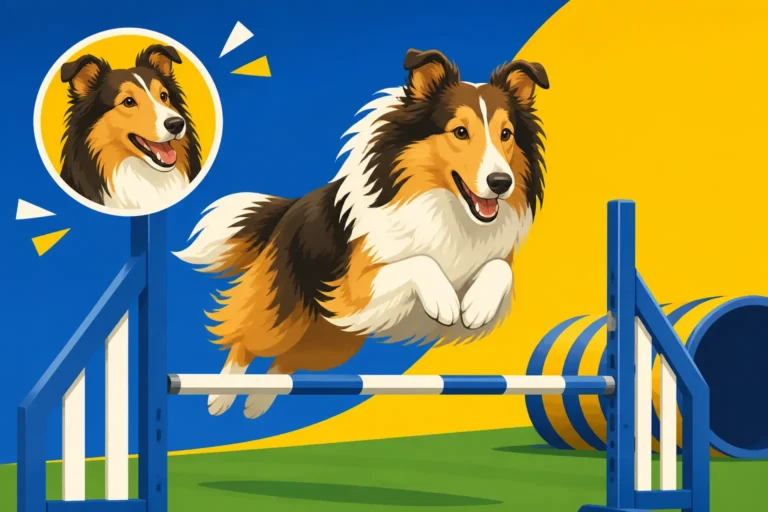
Just like people, dogs don't retain skills perfectly without practice. Continuous training and socialization are vital for keeping your Collie sharp and well-adjusted. Think of it as a muscle – if you don't use it, you lose it. Regular short refreshers of CGC behaviors will ensure your Collie remains reliable. This could be as simple as practicing a "stay" during your daily walk or asking for a "down" while waiting at the vet. Engaging in advanced obedience classes, rally, or even trick training can build upon the CGC foundation, keeping your Collie mentally stimulated and strengthening your bond. Whether a Collie Enjoys Trick Training is a resounding yes for many of them! These activities provide a fun way to reinforce good behavior and introduce new challenges.
Ongoing socialization isn't just for puppies; adult Collies also benefit from controlled, positive interactions with new people, places, and other dogs. This helps prevent regression into shyness or reactivity. Consider joining a local dog walking group, visiting pet-friendly establishments, or enrolling in advanced dog sports. Each new experience, when managed positively, contributes to a confident, well-adjusted Collie. If you found the structured approach of BAXTER & Bella helpful for CGC, they often have resources for ongoing training or tackling more advanced behaviors. Remember, a Collie who is regularly exposed to the world in a positive way is more likely to remain calm and confident, truly embodying the spirit of a good citizen.
Finding the Right Support and Resources
You don't have to navigate the world of Collie ownership and training alone. There's a wealth of support and resources available, both online and in your local community. Connecting with other Collie owners can be incredibly valuable, as they often share similar experiences and can offer breed-specific advice that resonates. Local dog clubs, especially those focused on herding breeds or general obedience, can provide structured classes, experienced instructors, and opportunities to practice in a group setting. Many clubs offer specific CGC preparation classes, which can be invaluable for understanding the test nuances and getting feedback.
Don't hesitate to seek advice from professional dog trainers or behaviorists if you encounter persistent challenges. Sometimes an objective eye can spot subtle issues that you, as an owner, might miss. They can offer tailored strategies for managing barking, shyness, or herding instincts. Online forums and social media groups dedicated to Collies are also great places to ask questions and share experiences. And, of course, a good relationship with your veterinarian is crucial for overall health, which directly impacts your Collie's ability to focus and train. Equip yourself with the right knowledge and tools, whether that's a recommended training book from Amazon or attending a local workshop. The more informed and supported you are, the more successful your journey with your wonderful Collie will be.
| CGC Test Item | Collie Strength Alignment | Potential Collie Challenge | Training Focus |
|---|---|---|---|
| Accepting a Friendly Stranger | Generally gentle, bonds well | Can be reserved or shy; sensitivity to new people | Positive, gradual introductions; high-value rewards |
| Sitting Politely for Petting | Eager to please, intelligent | Can be overly sensitive to touch from strangers | Desensitization to handling; reward calm acceptance |
| Appearance & Grooming | Tolerates handling (if taught early) | Full coat requires comfort with extensive grooming | Practice brushing, ear checks; make it a positive ritual |
| Walking on a Loose Leash | Biddable, responsive to gentle cues | Herding instinct may lead to circling/pulling on leash | Consistent leash training; redirect herding energy |
| Walking Through a Crowd | Observant, usually careful | May be distracted by movement, sensitive to proximity | Practice in varied, mildly busy environments |
| Sit & Down on Command | High intelligence, quick learners | Can be slow to respond if distracted or unsure | Proofing commands in various settings; high rewards |
| Coming When Called | Strong bond, desire to be with owner | Can be distracted by smells, sights, other dogs | Practice reliable recall in increasing distractions |
| Reaction to Distractions | Observant, can be taught calm responses | Sensitivity to sudden noises, unexpected movements | Gradual exposure to varied sounds/sights; desensitization |
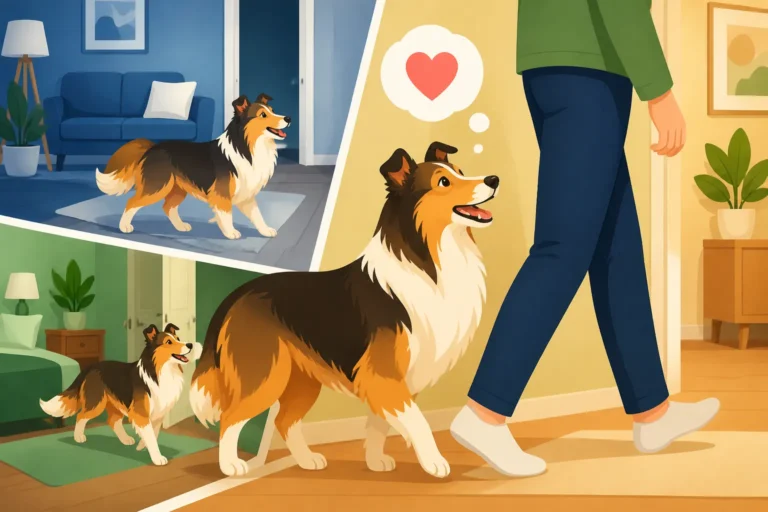
| Supervised Separation | Bonds closely to owner, can be calm indoors | May show mild anxiety if not practiced; vocalization | Practice short, positive absences; comfort items |
| Walking Past Other Dogs | Often dog-friendly (if socialized) | Can be vocal or reactive if undersocialized | Controlled introductions; parallel walks; focus exercises |
Disclaimer
This article is for general informational purposes only and does not constitute professional advice. Laws, prices and regulations vary by location and change over time. Consult a qualified professional for guidance on your specific situation.