What Neutering Changes in a Collie
Bringing a Collie into your life is such a joyous experience, but like any responsible dog parent, you're always thinking about their long-term health and well-being. One of the biggest discussions that comes up for male Collie owners is whether or not to neuter, and the often-anxious question of how it might change that beloved personality you've come to adore. This guide is here to walk you through the real behavioral and physical shifts you might see in your Collie after neutering, separating fact from common misconception, so you can make an informed decision for your furry family member.
Understanding the Hormonal Shift: What Happens Post-Neutering
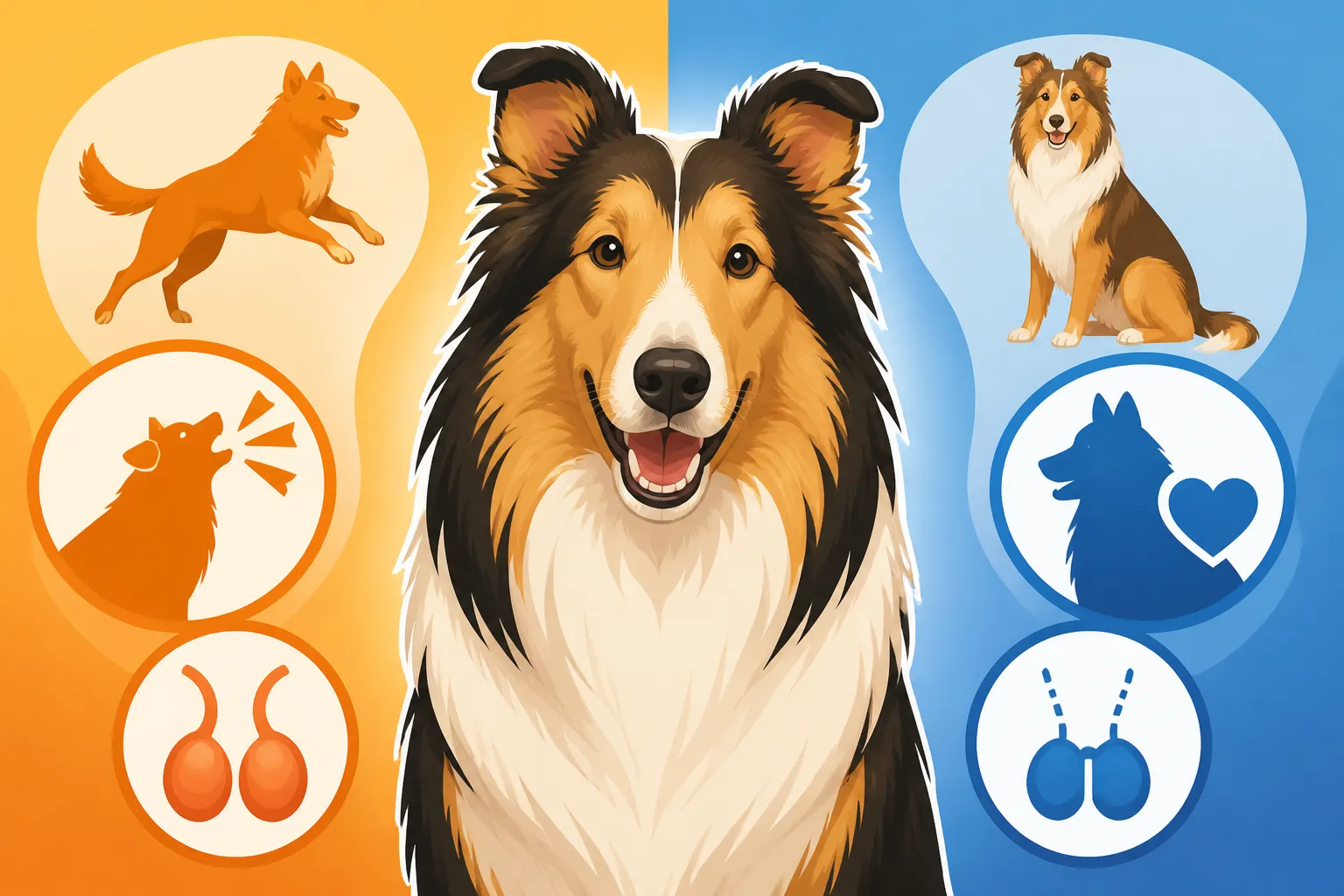
When your male Collie is neutered, it's more than just a surgical procedure; it's a significant hormonal change. The removal of the testicles means the cessation of testosterone production, which is a powerful hormone influencing a wide array of behaviors and physical traits. It's not an overnight transformation, but rather a gradual shift as the remaining hormones dissipate and your dog's system adjusts.
The Cessation of Reproductive Instincts
The most immediate and direct impact of neutering is the removal of the biological drive to reproduce. This isn't just about preventing puppies; it's about eliminating the strong instinctual urges that come with being an intact male. For many Collies, this can mean a noticeable reduction in behaviors driven by sexual desire, such as intense interest in female dogs in heat, or attempts to mark territory excessively when encountering new smells.
Think about it from your Collie's perspective: before neutering, their system is constantly priming them for breeding. This internal programming can be a source of frustration or distraction for them, especially if they are continually exposed to the scent of intact females. Once neutered, that underlying biological directive is lifted, allowing them to potentially focus more on their human family and less on these powerful, instinctual signals.
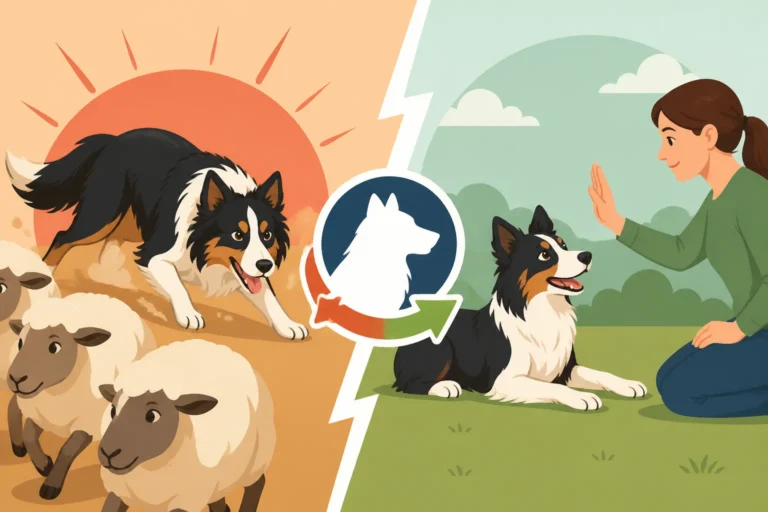
However, it’s important to remember that learned behaviors often persist. If your Collie has spent years spraying to mark his territory or humping other dogs out of habit, those behaviors might not vanish entirely just because the hormones are gone. It can take time, consistent training, and patience to reshape these established patterns, even with the hormonal shift supporting the change.
Changes in Testosterone Levels and Their Direct Effects
Testosterone is a significant player in the male dog's world, influencing everything from muscle mass to certain assertive behaviors. After neutering, these levels will drop significantly. For some Collies, this might mean a subtle change in their overall physical build, perhaps a slight decrease in muscle definition if they aren't actively exercised, but it's often not dramatic enough to alter their classic elegant silhouette.
Behaviorally, the drop in testosterone is often linked to a decrease in certain "male" characteristics. This can include less humping behavior, a reduced drive to roam in search of mates, and potentially less aggression towards other intact males. While Collies are generally known for their gentle disposition, some intact males might still exhibit protective or territorial behaviors that are lessened with neutering.
It’s crucial to understand that testosterone isn't the sole cause of all "bad" behaviors. Many behavioral issues stem from poor socialization, lack of training, anxiety, or simply individual personality traits. While neutering can remove a hormonal contributor to some problems, it's not a magical cure for all misbehavior. A well-bred Collie, properly socialized from puppyhood, will likely have a more stable temperament regardless of their intact status, though neutering can certainly contribute to a calmer home environment by reducing certain instinct-driven actions.
Potential for Weight Gain and Associated Behavioral Changes
One of the most common concerns after neutering, and a very real one, is the potential for weight gain. With the hormonal shift, your Collie's metabolism can slow down slightly, and their caloric needs might decrease. If their diet and exercise routine aren't adjusted accordingly, those extra pounds can creep on quickly. A heavier Collie isn't just a cosmetic issue; it can lead to a host of health problems and even behavioral changes.
An overweight Collie might become less active, more lethargic, and less enthusiastic about walks or playtime. This can create a vicious cycle: weight gain leads to less activity, which leads to more weight gain. This lack of physical and mental stimulation can sometimes manifest as boredom, which, for a clever breed like the Collie, might turn into undesirable behaviors like excessive barking or destructive chewing. We've talked before about What a Collie's Weight Shortens Its Life, and this risk is amplified if weight isn't managed post-neutering.
To combat this, you'll need to be proactive. Discuss dietary adjustments with your vet, considering specific formulas designed for neutered dogs that are often lower in calories. Maintaining or even slightly increasing their exercise routine is paramount. Engaging them with puzzle feeders from brands like Amazon can also help slow down eating and provide mental stimulation. A healthy weight is key to keeping your Collie happy, active, and mentally sharp, preventing many secondary behavioral issues that can arise from a sedentary lifestyle.
Behavioral Changes You Might (or Might Not) See in Your Neutered Collie
The effects of neutering on behavior are often anticipated with a mixture of hope and trepidation. Owners often hope for a calmer, less rambunctious dog, but worry about losing some of their dog's unique spirit. The reality is often nuanced, with some behaviors consistently diminishing, while others remain largely unchanged because they aren't primarily hormone-driven.
A Decline in Male-Specific Behaviors
Many of the behaviors that are most directly tied to testosterone production tend to diminish or disappear after neutering. This includes a reduced urge to roam. Intact male Collies, driven by the scent of a female in heat, can become escape artists, determined to follow their nose to find a mate. Neutering significantly reduces this wanderlust, making them generally more reliable within their home and yard boundaries.
Similarly, mounting behavior, whether directed at other dogs, objects, or even people's legs, often decreases. While some dogs might continue to mount out of habit, stress, or excitement, the strong hormonal drive behind it is gone. Aggression towards other intact males, a common issue in dog parks or multi-dog households, can also lessen. This is because a significant portion of male-on-male aggression is rooted in competition for mates or dominance, which is less relevant to a neutered dog.
It's important to set realistic expectations. While these behaviors are likely to decrease, they might not vanish entirely if they've been deeply ingrained or are also linked to other factors like anxiety or poor social skills. For instance, an intact male Collie who has a history of fighting might still need careful management and continued training, even after neutering, because the underlying fear or reactivity may still be present.
Impact on Marking, Roaming, and Mounting
Let's dive a little deeper into these specific behaviors, as they are often primary motivators for owners considering neutering. Urine marking, especially indoors or in inappropriate outdoor locations, is a common frustration. While neutering can reduce the frequency and intensity of marking, particularly the "look what I did here" type of marking, it's not a guarantee to stop it completely. If your Collie has a long-standing habit of marking, you'll still need consistent training and environmental management. Think about using enzymatic cleaners to remove all traces of scent, so the urge to re-mark is lessened.
Roaming, as mentioned, usually sees a significant drop. This is a huge relief for owners who constantly worry about their Collie escaping and getting into trouble, or worse, danger. The powerful siren call of an intact female often overrides even the best training, so removing that hormonal pull can make a huge difference in your dog's willingness to stay close. Many owners find their newly neutered Collies are much more content to stay in their own backyard.
Mounting, whether directed at other dogs or inanimate objects, also typically reduces. If your Collie was prone to humping for dominance, excitement, or sexual frustration, neutering can help. However, some dogs continue the behavior as a learned response or as an outlet for anxiety. If this persists, consider working with a certified professional dog trainer, perhaps through online courses like those offered by BAXTER & Bella, to address the underlying cause and provide alternative outlets for your Collie's energy.
The Myth of Neutering as a Magic Wand for All Issues
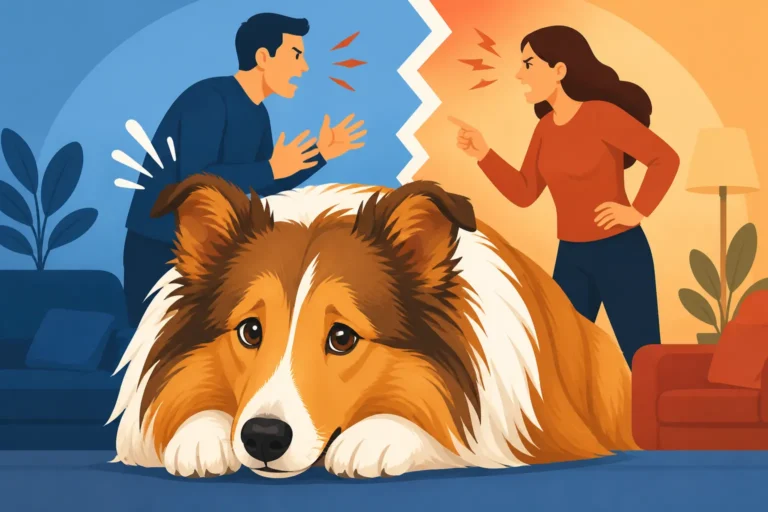
This is a crucial point that cannot be overstated: neutering is not a magic wand. Many owners, understandably, hope that the procedure will solve all their Collie's behavioral problems. While it can certainly help with hormone-driven issues, it won't fix problems that stem from fear, anxiety, lack of training, or undersocialization. If your Collie is barking excessively at strangers due to fear, or is destructive when left alone because of separation anxiety, neutering won't change those underlying emotional states.
For example, if your Collie gets [Separation Anxiety], removing his testicles isn't going to make him suddenly comfortable being left alone. That requires a dedicated training plan, counter-conditioning, and potentially even medication. Similarly, if your Collie is still a young adolescent and hasn't fully settled, neutering might coincide with their natural maturation, leading owners to attribute the calming to the surgery when it's just part of The Age a Collie Finally Settles.
It's essential to consult with your veterinarian and potentially a professional dog behaviorist before making the decision, especially if you're hoping neutering will solve a specific behavioral issue. They can help you determine if the problem is likely hormone-related or if it requires a different approach. Remember, training and consistent guidance are lifelong commitments, regardless of your dog's reproductive status.
Managing the Post-Neutering Transition and Beyond
The period immediately following neutering, and the years that follow, require attentive care and management to ensure your Collie thrives. It’s not just about the surgery itself, but about adjusting to their new physiological state and reinforcing positive behaviors.
Nutritional Adjustments and Exercise Needs
As mentioned earlier, a slower metabolism post-neutering means a change in caloric requirements. This isn't just a suggestion; it's a necessity to prevent unhealthy weight gain. Your vet can give you specific recommendations based on your Collie's age, activity level, and current body condition. You might need to switch to a "light" formula dog food, or simply reduce the portion sizes of their current food.
Remember that How Much Exercise a Collie Needs Daily is still substantial. Even if their metabolism slows, their need for physical and mental stimulation doesn't disappear. Regular walks, playtime, and engaging activities are crucial. If they're gaining weight, look for ways to increase their activity without overworking them, especially during hot weather with their dense coat. Think about incorporating more active games, longer walks, or even dog sports if appropriate.
Consider how you feed your Collie. Slow feeder bowls, available widely on Amazon, can make mealtime last longer and feel more satisfying with smaller portions. Cutting back on high-calorie treats and replacing them with healthier alternatives like carrots or green beans can also make a big difference. Maintaining an ideal body weight is one of the kindest things you can do for your Collie's long-term health and mobility.
Continued Training and Socialization Remain Crucial
Neutering does not mean you can put training on the back burner. In fact, consistent training and ongoing socialization are just as important, if not more so, after the procedure. Any behavioral issues not directly linked to hormones will still need to be addressed through positive reinforcement and clear boundaries. If your Collie struggles with manners, neutering won't magically make him polite.
For puppies neutered at a younger age, continued socialization is absolutely vital. They still need exposure to a variety of people, places, sounds, and other well-behaved dogs to develop into well-adjusted adults. For adult Collies, ongoing training keeps their minds active and strengthens your bond. Consider advanced obedience classes, scent work, or even rally obedience to keep them engaged.
If you adopted a rescue Collie who was neutered later in life, their past experiences will heavily influence their current behavior. While the hormonal drive might be gone, their learned responses to situations will persist. A dog who learned to be dog-reactive might still be reactive, requiring dedicated training to change that behavior. Support from resources like BAXTER & Bella can be invaluable in establishing consistent training routines.
Observing for Any Unexpected Behavioral Shifts
While most behavioral changes post-neutering are either positive (reduced roaming, marking) or non-existent (no change in personality), it's important to remain observant. Occasionally, some dogs might experience subtle shifts that are less common. For instance, a very fearful or anxious dog might, in rare cases, become slightly more fearful if testosterone was somehow providing a confidence boost.
This is why having open communication with your veterinarian is so important. If you notice any significant or concerning changes in your Collie's temperament – sudden onset of aggression, increased anxiety, or marked lethargy beyond typical recovery – bring it to their attention immediately. While rare, these instances warrant professional evaluation to rule out other medical causes or to discuss potential behavioral management strategies.
Keeping a journal of your Collie's behavior, especially in the weeks and months following the surgery, can be incredibly helpful. Note down any changes in appetite, activity level, interactions with other dogs or people, and any new habits. This detailed information will be invaluable for your vet or a behaviorist if you need to seek further guidance.
The Broader Health and Social Implications of Neutering
Beyond the immediate behavioral shifts, neutering has a wider impact on your Collie's overall health and their interactions within society. It’s a decision with long-term consequences, both positive and potentially negative, that are worth understanding fully.
Health Benefits Beyond Behavior
Neutering offers several significant health benefits for your male Collie. The most obvious is the complete elimination of the risk of testicular cancer, a common cancer in intact older male dogs. It also greatly reduces the risk of certain non-cancerous prostate conditions, such as benign prostatic hyperplasia (BPH), which can cause discomfort and difficulty urinating as dogs age.
Furthermore, neutering can reduce the risk of perianal fistulas and some perineal hernias, conditions that are often influenced by male hormones. While Collies are generally a healthy breed, any reduction in cancer risk is a welcome one. These preventative health aspects are often a strong factor for owners when weighing the decision to neuter.
It's also worth noting the societal health benefit of preventing unwanted litters. While you might be a responsible owner, accidental breedings can happen, and responsible pet ownership includes doing our part to control the pet population. What a Collie Puppy Costs in 2026 is significant, and puppies that come from accidental litters often end up in shelters, placing a burden on rescue organizations.
How Neutering Affects Interaction with Other Dogs
For many Collies, neutering can lead to more harmonious interactions with other dogs, particularly other males. As mentioned, the reduction in testosterone often lessens the drive for dominance or territorial aggression that can flare up between intact males. This can make dog park visits, walks, and multi-dog households much calmer and safer.
However, it's not a universal solution for all inter-dog conflicts. Some dogs simply don't get along, regardless of their reproductive status. A Collie who has a history of poor socialization or who is inherently fearful or reactive might still exhibit problematic behaviors around other dogs. Neutering can remove one layer of complexity, but it won't erase ingrained personality traits or past experiences.
Consider this scenario: you have an intact male Collie who is generally well-behaved, but you frequently visit a dog park where he gets into scuffles with other intact males. Neutering might significantly reduce those incidents. But if he's reactive because he had a bad experience as a puppy, he might still react negatively out of fear, even without the hormonal component. Understanding the root cause of your Collie's interactions is key.
Considering the "Right" Age for Neutering Your Collie
The question of when to neuter is as important as whether to neuter, and it's a topic with ongoing discussion among veterinarians and breeders. Historically, many dogs were neutered quite young, often around six months of age. However, newer research suggests potential benefits to waiting until a dog is more mature, particularly for larger breeds.
| Aspect | Earlier Neutering (e.g., 6-12 months) | Later Neutering (e.g., 12-24+ months) |
|---|---|---|
| Pros | Prevents early marking/roaming, simpler surgery, no accidental litters | Full skeletal maturity, potential reduced risk of some cancers, full hormonal development |
| Cons | Potential impact on growth plate closure, increased risk of some orthopedic issues, higher risk of certain cancers (e.g., osteosarcoma) in some breeds | Increased risk of testicular cancer (if not neutered), prostate issues (if not neutered), potential for longer-lasting male behaviors |
| Behavioral Impact (general) | Can prevent development of some male-specific behaviors | Some male behaviors may be more ingrained, but can still reduce |
For Collies, there's no single "perfect" age that applies to every dog. Factors like your Collie's growth rate, temperament, and lifestyle all play a role. Some studies suggest that allowing larger breeds to fully mature and close their growth plates (which can be influenced by hormones) before neutering might reduce the risk of certain orthopedic issues like hip dysplasia or cranial cruciate ligament tears. Hip Dysplasia in a Collie is a known concern, so this is worth discussing with your vet.
Ultimately, this is a conversation you should have in-depth with your trusted veterinarian, who can assess your individual Collie's health, development, and your lifestyle. They can help you weigh the pros and cons of early versus later neutering, taking into account the latest research and your personal circumstances, to decide what's best for your beloved companion.
Disclaimer
This article is for general informational purposes only and does not constitute professional advice. Laws, prices and regulations vary by location and change over time. Consult a qualified professional for guidance on your specific situation.