Why a Collie Should Never Be Shaved
It's a sight that tugs at the heartstrings of many a Collie owner: a beautiful dog, seemingly sweltering in the summer heat, or perhaps leaving a trail of fluffy undercoat through the house like a blizzard. The thought inevitably crosses your mind, "Wouldn't a good shave fix all this?" It's a natural, compassionate impulse, but one that actually does more harm than good for our beloved long-nosed companions. This guide will meticulously explain why shaving a Collie is detrimental to their health and coat, and what truly effective alternatives exist.
The Unique Anatomy of a Collie's Double Coat
To understand why shaving is such a misstep, we first need to appreciate the marvel that is a Collie's double coat. It's not just a collection of long hairs; it's a sophisticated, multi-layered insulation system designed by nature to protect them from extreme temperatures, both hot and cold, and to shield their delicate skin from the elements.
The Guard Hairs: Protection and Insulation
The outer layer of a Collie's coat consists of what we call "guard hairs." These are the longer, coarser hairs that you see and admire, giving the Collie its distinctive silhouette. These aren't just for looks; they are remarkably functional. They are naturally somewhat water-repellent, helping moisture bead off rather than soaking into the skin. Crucially, they act as a primary barrier against the sun's harsh UV rays, preventing sunburn and heat absorption. Think of them like the roof of a house, providing shade and deflecting the worst of the weather. These guard hairs also help create an air pocket, which is essential for proper insulation, whether it's freezing outside or scorching hot. Without this protective layer, a Collie's skin is completely exposed to the elements, making them vulnerable.
The Undercoat: The Engine of Warmth and Coolness
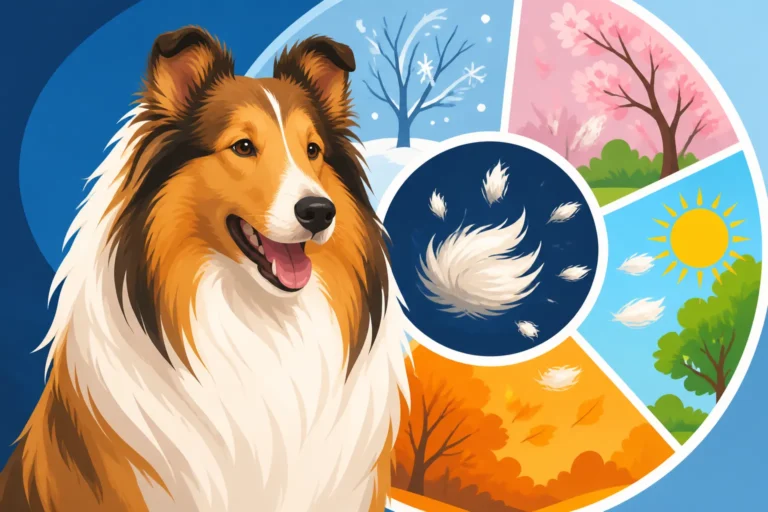
Beneath those magnificent guard hairs lies the true unsung hero of the Collie's coat: the soft, dense undercoat. This downy layer is the true insulation engine. In winter, it traps warm air close to the body, keeping your Collie toasty. But here's the magic trick, and the part most misunderstood by well-meaning owners: in summer, this same undercoat acts as a barrier against heat. It traps a layer of cooler air next to the skin, preventing external heat from penetrating. It's like the insulation in your home – it keeps the warmth in during winter and the cool air in during summer. When a Collie "blows coat," which happens typically twice a year, they shed this dense undercoat to make way for a lighter layer, preparing their body for the changing seasons. This natural shedding process is how their body self-regulates its temperature.
Why Shaving Harms More Than It Helps
The instinct to shave a heavy-coated dog in summer comes from a place of love, but it's based on a fundamental misunderstanding of how their coat works. Far from bringing relief, shaving actually strips away their natural defenses, leaving them more uncomfortable and at higher risk for various health problems.
Disrupting Natural Temperature Regulation
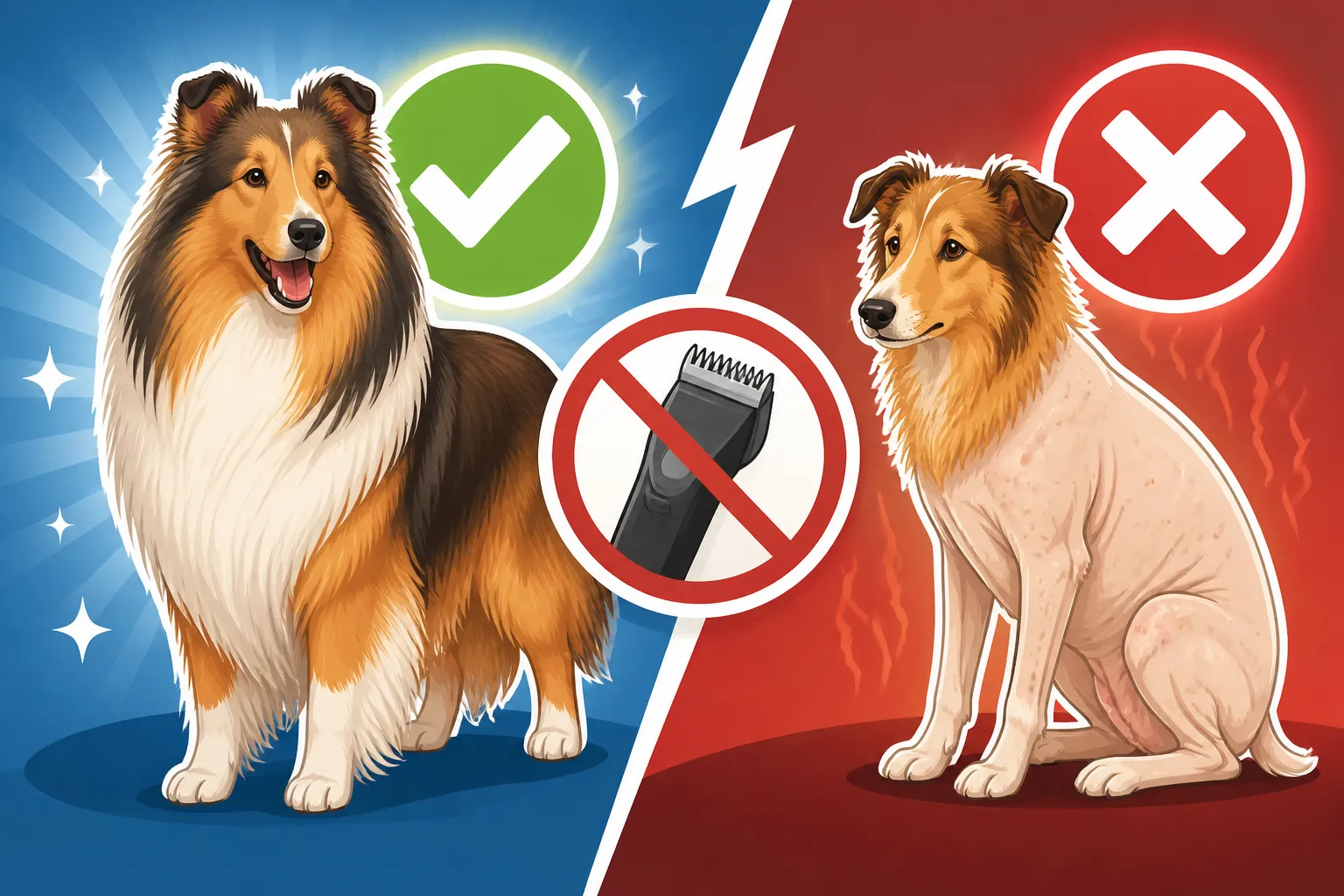
When you shave a Collie, you remove both the protective guard hairs and the insulating undercoat. This immediately compromises their ability to regulate their body temperature. Without the guard hairs to provide shade and reflect sunlight, their skin is directly exposed to the sun, absorbing heat at an accelerated rate. Imagine standing out in the sun without a hat or clothing. That's what you're doing to your Collie. Similarly, without the undercoat to trap a layer of cool air, their body loses its built-in air conditioning system. This doesn't make them cooler; it makes them less efficient at cooling themselves. They can overheat much faster, leading to heatstroke, which is a serious, life-threatening condition. Many owners find their shaved Collies actually seek shade more intensely and pant more often than before, precisely because they've lost their natural protection.
Increased Risk of Sunburn and Skin Damage
One of the most immediate and visible consequences of shaving a Collie is the heightened risk of sunburn. Their skin, particularly on areas like the back and sides, is not accustomed to direct sunlight exposure. Just like humans, dogs can get painful sunburns, which can lead to blistering, peeling, and discomfort. Beyond immediate sunburn, chronic exposure to UV radiation due to a shaved coat significantly increases the risk of skin cancer. Melanomas and squamous cell carcinomas, which can be aggressive, become much more prevalent. This is especially true for Collies with lighter pigmentation, such as sables or blue merles, whose skin might be naturally more sensitive. Instead of providing comfort, shaving can invite long-term health complications that are entirely avoidable. It's a stark reminder that A Collie's Coat Is the Bill That Arrives Every Eight Weeks for proper care, not a once-off shave.
The Impact on Coat Health and Appearance
Beyond the immediate health risks, shaving has a profound and often irreversible impact on the Collie's magnificent coat itself. It's not just about aesthetics; a damaged coat no longer performs its vital functions effectively.
Permanent Damage to Texture and Growth
Perhaps the most common frustration for owners who shave their Collies is the phenomenon known as "clipper alopecia" or "post-clipping alopecia." After being shaved, the guard hairs often struggle to grow back correctly, if at all. What typically grows back is mostly the soft, cottony undercoat, which can be dull in color, feel rough or spongy, and grow in uneven patches. This new growth is not only unsightly but also lacks the protective qualities of the original guard hairs. This softer, weaker coat is more prone to matting and doesn't shed effectively. In some cases, the coat never fully recovers its original texture, density, or length, even years later. The beautiful, flowing mane and dense ruff that define the breed can be permanently altered. This is a crucial point to understand when considering What Happens to a Shaved Collie's Coat.
Matting and Undercoat Impaction After Shaving
Ironically, shaving can actually exacerbate matting problems in the long run. When the coarse guard hairs are removed, the soft undercoat that grows back is much more prone to tangling and matting. This finer, cottony hair packs down easily, especially in high-friction areas like behind the ears, armpits, and under the tail. Once matted, this new growth creates a dense, felt-like layer that prevents air circulation, leading to skin irritation, hot spots, and potential infections. This packed undercoat can also trap moisture, creating a breeding ground for bacteria and fungi. What started as an attempt to reduce shedding or keep the dog cool can result in a cycle of coat problems that are far more difficult and painful to manage than regular shedding. Learning How Often a Rough Collie Should Be Brushed from puppyhood can prevent these drastic measures.
Alternative Ways to Keep Your Collie Cool and Manage Shedding
So, if shaving isn't the answer, what can you do to help your Collie beat the heat and manage that glorious coat? The good news is there are plenty of effective, coat-safe strategies that prioritize their health and comfort.
Regular Grooming and Deshedding Techniques
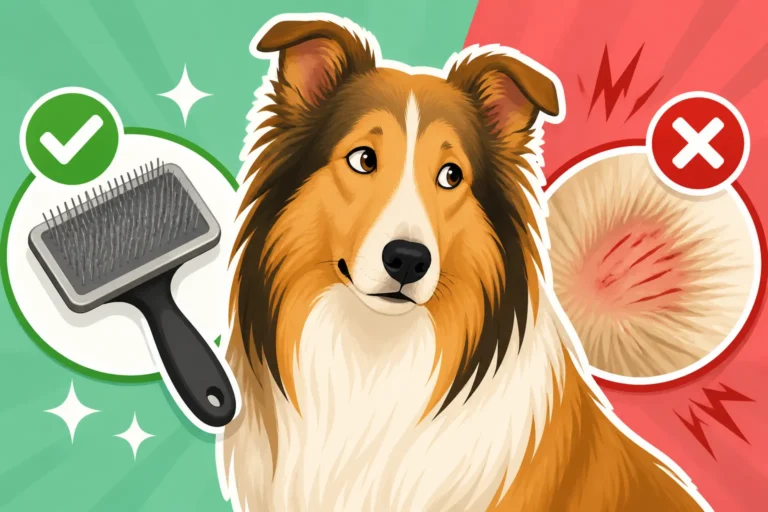
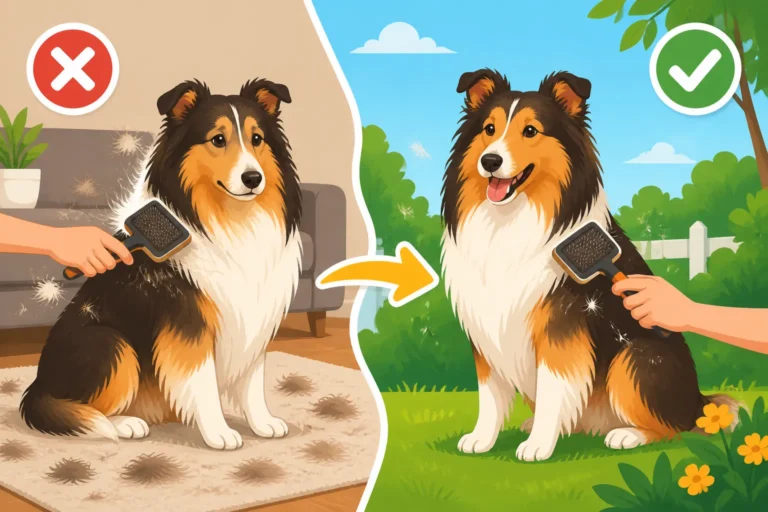
The absolute best way to manage a Collie's coat, both for shedding and temperature regulation, is consistent, thorough grooming. This means regular line brushing with the right tools. A good pin brush, a slicker brush, and a metal comb are your best friends. The goal isn't just to brush the top layer, but to systematically work through the coat down to the skin, removing all loose undercoat and preventing mats. This process allows for air circulation right down to the skin, which is crucial for cooling. During shedding seasons, which for Collies typically happen twice a year (and can feel like The Three Weeks Twice a Year When a Collie Buries Your House), daily brushing might be necessary. Professional groomers specializing in double-coated breeds can also offer deshedding treatments, which involve special shampoos, conditioners, and high-velocity dryers to loosen and remove dead undercoat without clipping. Tools for effective at-home grooming, such as robust pin brushes and undercoat rakes, are readily available from retailers like Chewy or Amazon, making it easier than ever to equip yourself properly.
Environmental Management and Hydration
While grooming tackles the coat directly, managing your Collie's environment is equally important for keeping them comfortable.
- Shade and Shelter: Ensure your Collie always has access to ample shade when outdoors. A shaded patio, a large tree, or even a pop-up canopy can make a huge difference. Avoid prolonged exposure to direct sun during the hottest parts of the day.
- Cooling Mats and Elevated Beds: Invest in cooling mats, which use gel or water to absorb body heat, providing a cool spot for your dog to lie on. Elevated dog beds, often made with mesh, allow air to circulate underneath, preventing heat buildup. You can find excellent options for these on Amazon.
- Water Access: Always provide fresh, cool water. Consider adding ice cubes to their water bowl or having multiple bowls around the house and yard. Some Collies enjoy playing with a slow stream from a hose or a kiddy pool, but always supervise and ensure they don't ingest too much water.
- Indoor Comfort: Keep your home as cool as possible. Air conditioning, fans, and closed blinds during the day can help maintain a comfortable indoor temperature.
- Timing Walks: Adjust your walking schedule to early mornings and late evenings when temperatures are cooler. Avoid strenuous exercise during midday heat. Even with their protective coat, Collies can overheat. For further insights, you might find Whether a Collie's Coat Protects It From Heat helpful.
- Dietary Support: A high-quality diet, perhaps like options found from retailers such as Ollie, contributes to overall skin and coat health, ensuring the natural coat functions optimally. Look for foods rich in Omega fatty acids, which can promote a healthy coat and skin barrier.
| Strategy | Benefit for Collie | Effort Level | Cost (Initial) |
|---|---|---|---|
| Regular Brushing | Air circulation, removes dead undercoat, prevents mats, keeps natural insulation effective | Medium-High | Low |
| Professional Deshedding | Deep removal of undercoat, less mess at home, expert handling | Low (for owner) | Medium |
| Shade Access | Prevents direct sun exposure, reduces heat absorption | Low | None/Low |
| Cooling Mats/Beds | Provides cool resting spots, aids heat dissipation | Low | Medium |
| Fresh Water | Hydration, body temperature regulation | Low | None |
| Adjusted Exercise | Prevents overheating during peak heat | Low | None |
Common Misconceptions and When Clipping Might Be Necessary
Despite all the evidence against it, the idea of shaving a Collie persists. Let's address some common thoughts and clarify the very rare circumstances when a professional might recommend clipping.
"It's Too Hot, My Collie Needs to Be Shaved!"
This is the most frequent refrain, born of genuine concern. As we've thoroughly explored, a Collie's double coat is their natural air conditioning system. Shaving disrupts this system, leaving them more susceptible to overheating and sunburn. It's a bit like removing the insulation from your house in summer, thinking it will make it cooler. It won't; it will make it hotter because the external heat can penetrate more easily. The relief you think you're providing is often superficial and short-lived, replaced by greater vulnerability. Instead of shaving, focus on the proactive steps like thorough brushing, providing shade, and ensuring constant access to cool water. Remember, your Collie isn't just a pet; they're a finely tuned natural design.
Medical Necessity: The Only Valid Exception
There are indeed extremely rare circumstances where a veterinarian or a professional groomer might recommend clipping a portion of, or even the entire, coat. These are almost exclusively medical necessities, not aesthetic choices or solutions for shedding.
- Severe Matting: If a Collie's coat becomes so severely matted that it forms a solid pelt against the skin, brushing is no longer an option. Such matting can restrict movement, pull on the skin painfully, and create an environment ripe for skin infections, parasites, or even maggot infestations. In these extreme cases, the only humane course of action is to carefully clip the mats out. This is a very delicate procedure that should only be done by a professional using specialized clippers, as the skin under severe mats can be thin, inflamed, and easily cut. It's not a "shave for summer," but a necessary intervention to alleviate pain and prevent further health complications. Learning How to Work Out a Mat Behind a Collie's Ear can help you avoid this drastic situation.
- Surgical Preparation: Prior to surgery, areas of a Collie's coat will be shaved to ensure a sterile field for incisions. This is a targeted clipping, not a full body shave, and is medically necessary.
- Serious Skin Conditions: In rare cases of severe, widespread skin infections, deep wounds, or chronic skin conditions that require topical treatments or extensive wound care, a veterinarian might recommend clipping the coat to allow for proper treatment application and air circulation. Even then, the decision is made based on specific medical needs, not general comfort.
Even in these medical situations, the goal is never to "shave" the coat for a simple trim, but to clip it as minimally as necessary to address the health issue. The understanding is that the coat will likely grow back differently, and future diligent grooming will be essential to restore it as much as possible. A Collie's coat is a vital part of its health and identity, and it deserves respect and proper care, not a clipper blade for convenience.
Disclaimer
This article is for general informational purposes only and does not constitute professional advice. Laws, prices and regulations vary by location and change over time. Consult a qualified professional for guidance on your specific situation.