How Long a Collie Takes to Learn a New Cue
Collie learning speed for new cues depends on their high intelligence, sensitivity, and early socialization experiences.

Collie learning speed for new cues depends on their high intelligence, sensitivity, and early socialization experiences.

Collie motivation relies on understanding their herding heritage, desire for human approval, and need for mental stimulation.

Electric collars deliver painful shocks to sensitive Collies, causing psychological damage instead of fixing unwanted behaviors.
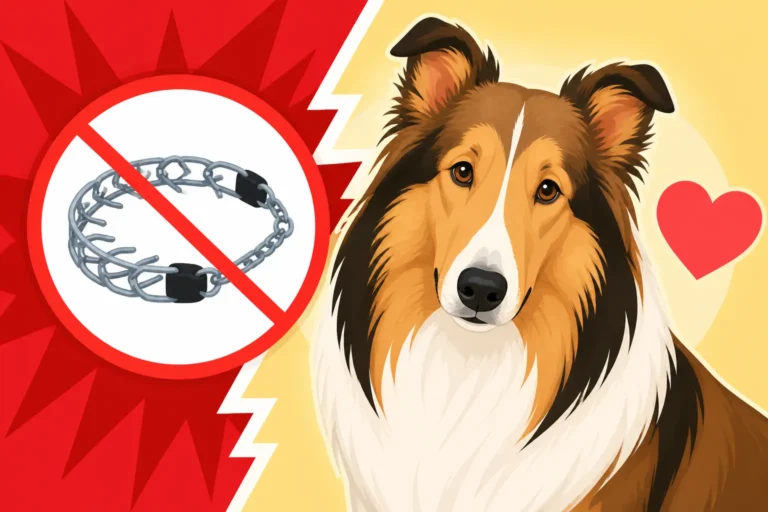
Metal prong collars pinch the sensitive neck skin of Collies, causing fear, anxiety, and distress during leash training walks.

Collie sulking behavior after corrections stems from emotional sensitivity and a history as intelligent herding partners.
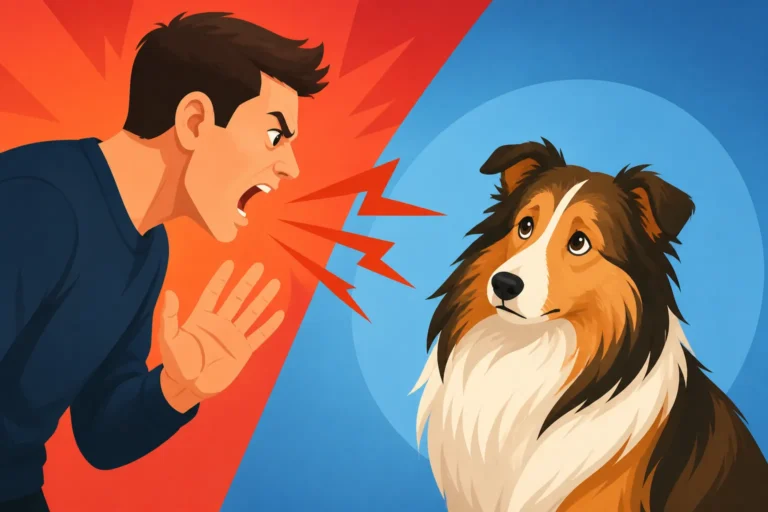
Collie sensitivity to a raised voice includes behavioral retreat and physiological stress due to their cooperative breeding history.
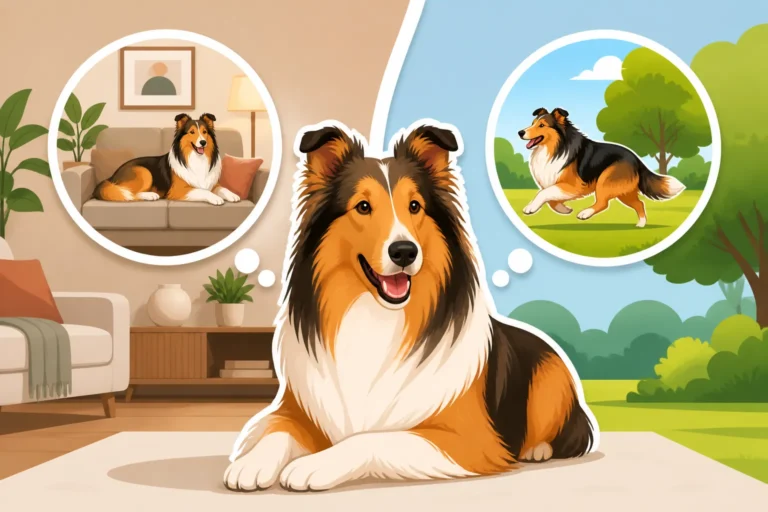
Collie indoor behavior depends on herding instincts, environmental sensitivity, and daily management strategies for calmness.
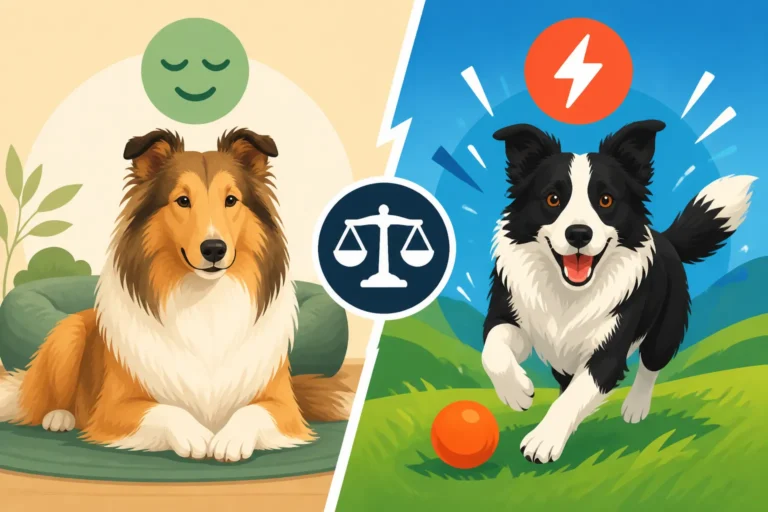
Collie temperaments compared to Border Collies clarify distinct herding drives, Scottish highland history, and lower exercise needs.

Collie contentment relies on mental stimulation, puzzle toys, and family partnership rather than traditional livestock herding work in fields.

Collie exercise requirements involve a blend of physical and mental activity to keep this herding dog healthy and calm indoors.