Whether a CERF or OFA Eye Exam Suits a Collie
Collie eye anomaly screening details the differences between CERF and OFA exams and explains genetic eye testing limits.
Know what to watch for.
Breed-specific conditions, screening and DNA tests, what surgery actually costs, and the daily habits that stretch a healthy lifespan.
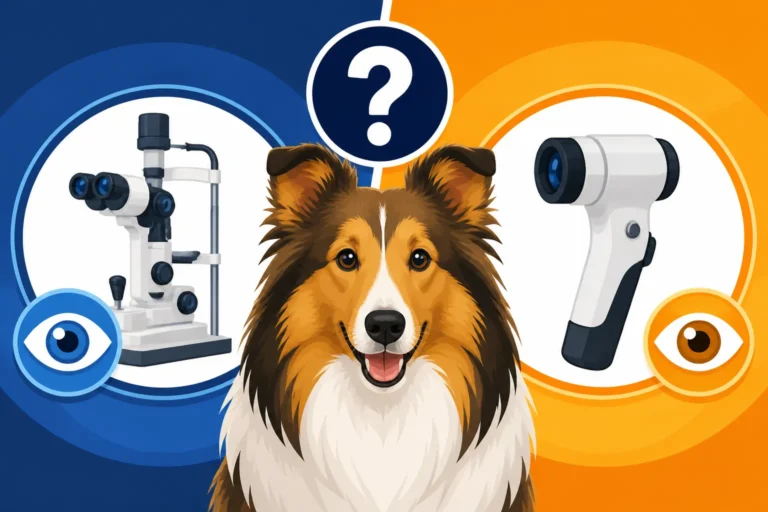
Collie eye anomaly screening details the differences between CERF and OFA exams and explains genetic eye testing limits.

Collie eye certificates issued by veterinary ophthalmologists screen puppies for inherited conditions like Collie Eye Anomaly.
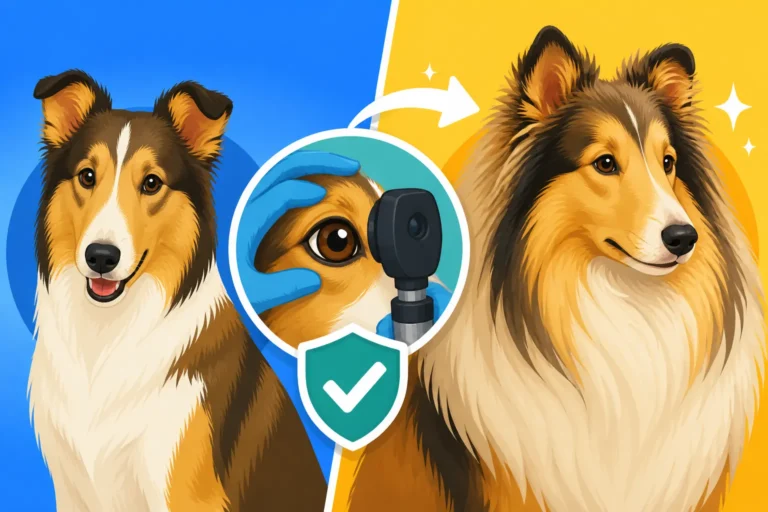
Collie Eye Anomaly screening before eight weeks prevents pigment from masking inherited choroidal hypoplasia and retinal detachment.

Collie Eye Anomaly is a genetic condition affecting eye development, explaining why puppies need early veterinary examinations.
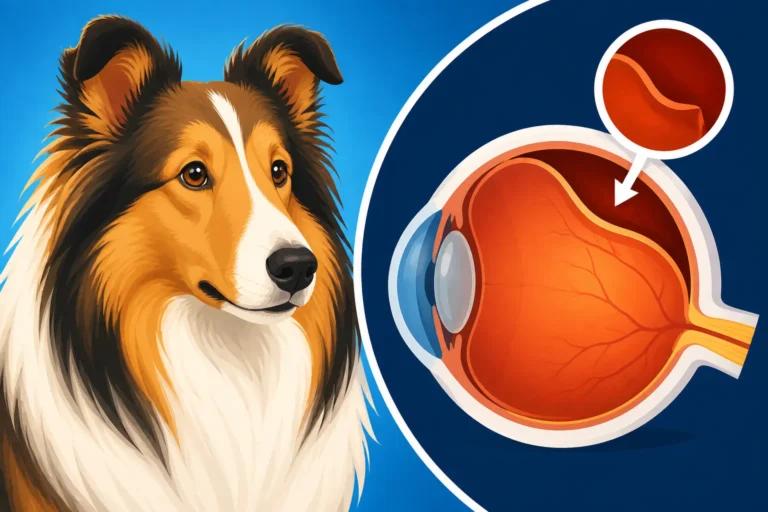
Collie Eye Anomaly and congenital colobomas create structural weaknesses that can lead to fluid accumulation and retinal detachment.
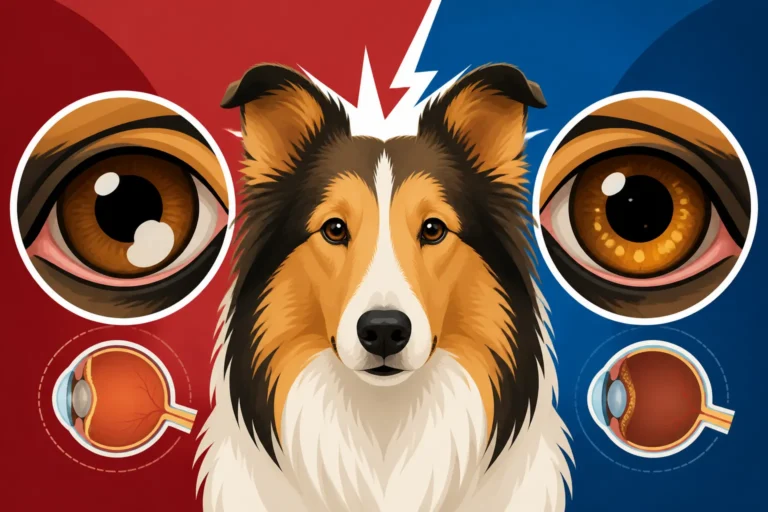
Collie Eye Anomaly colobomas and choroidal hypoplasia compared for severity, vision impacts, optic nerve risks, and veterinary exam facts.

Breeding a Collie with Choroidal Hypoplasia involves genetic implications, vision impairment levels, and responsible evaluation.
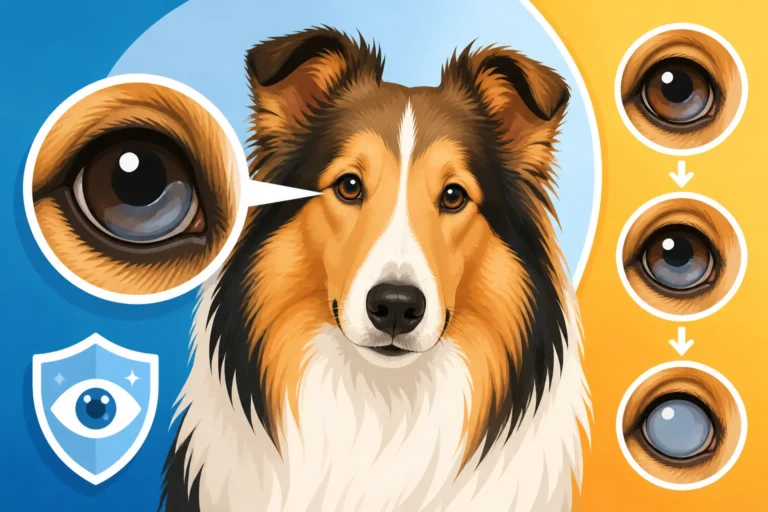
Collie Eye Anomaly is a congenital eye disease that affects vision differently based on severity and secondary complications.
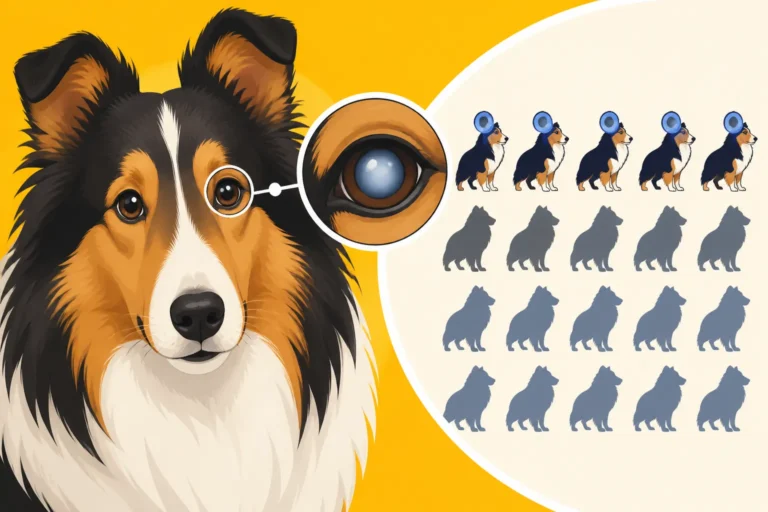
Collie Eye Anomaly affects 20 to 50 percent of Collies today, causing inherited vision impairment up to severe blindness.

MDR1 gene testing protects rescue Collies from life-threatening reactions to routine medications and emergency treatments.