Caring for a Collie Past Nine
Senior Collie care adjustments cover physical changes like stiff joints, cognitive shifts, and nutritional needs for dogs past nine.
Know what to watch for.
Breed-specific conditions, screening and DNA tests, what surgery actually costs, and the daily habits that stretch a healthy lifespan.

Senior Collie care adjustments cover physical changes like stiff joints, cognitive shifts, and nutritional needs for dogs past nine.

Collie lifespan spans ten to fourteen years, with health challenges and genetics influencing longevity across senior stages.
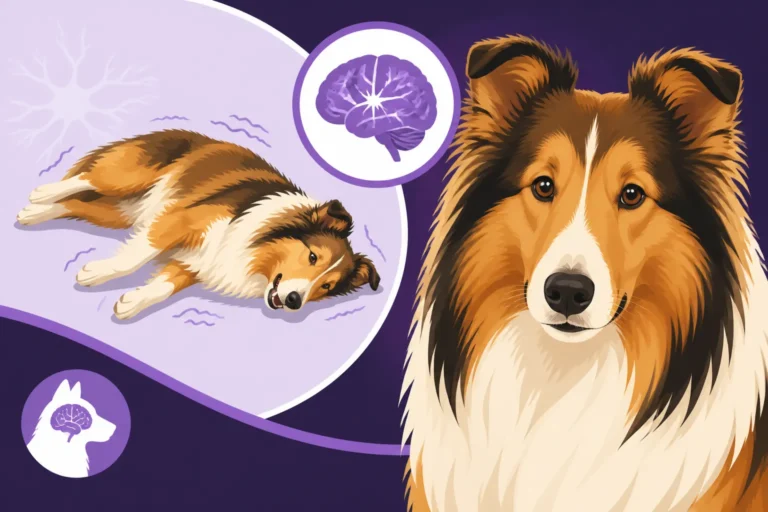
Epilepsy in Collies is a neurological disorder causing recurrent seizures, classified into primary genetic and secondary structural types.
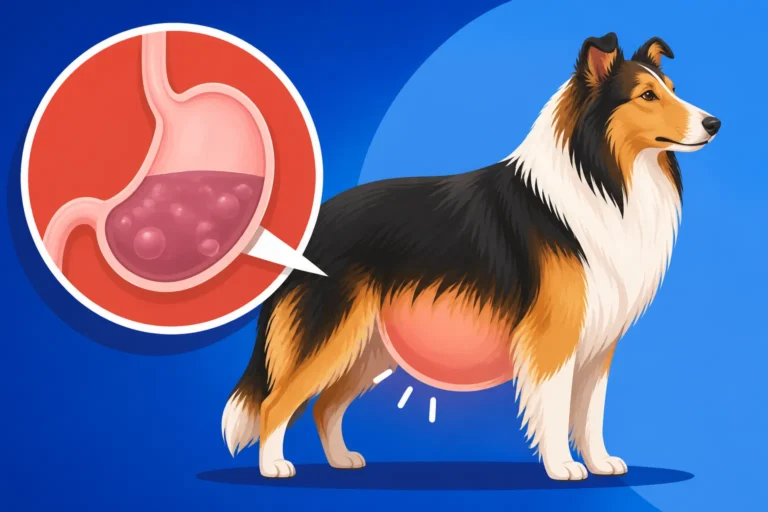
Gastric Dilatation-Volvulus in deep-chested Collies is an acute medical emergency involving stomach expansion and twisting.
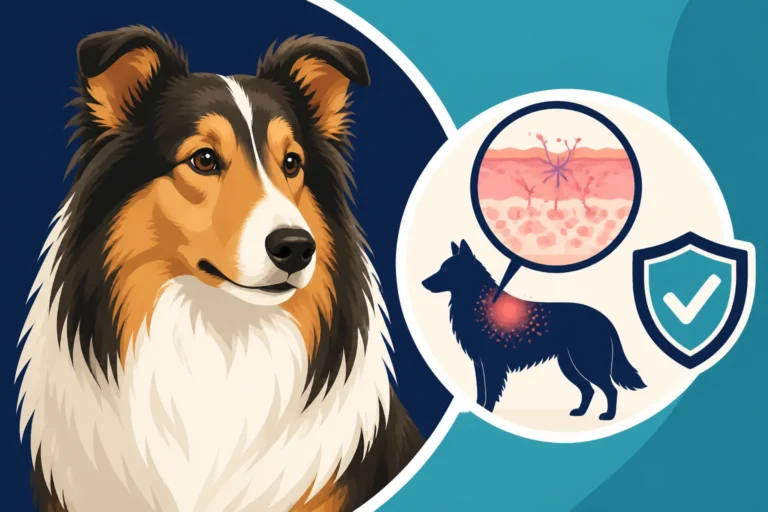
Dermatomyositis is an immune-mediated inflammatory disease affecting Collie skin and muscles. The genetic risk panel helps manage symptoms.
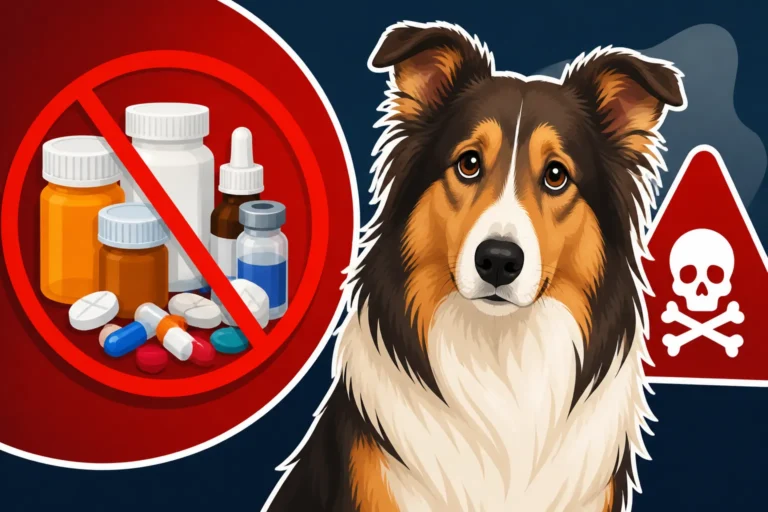
The MDR1 genetic mutation causes severe drug sensitivities in Collies, risking neurological damage and fatal reactions from toxins.
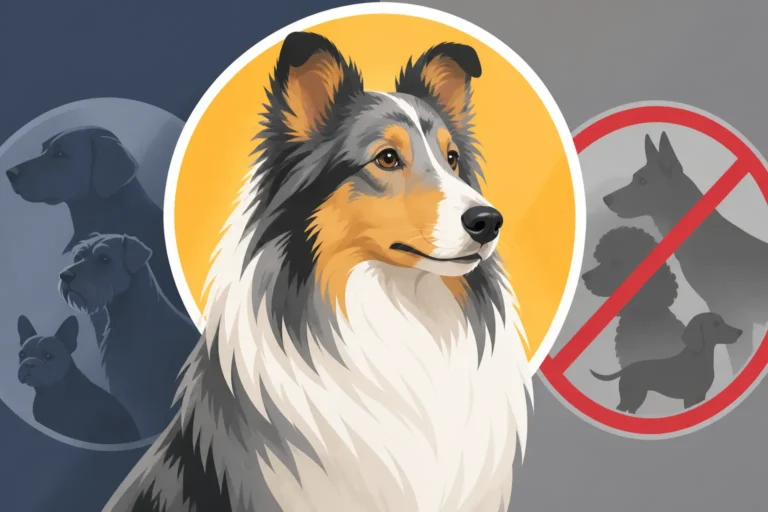
Gray Collie Syndrome is a genetic disorder unique to Collies that reduces neutrophil production and causes severe infections.
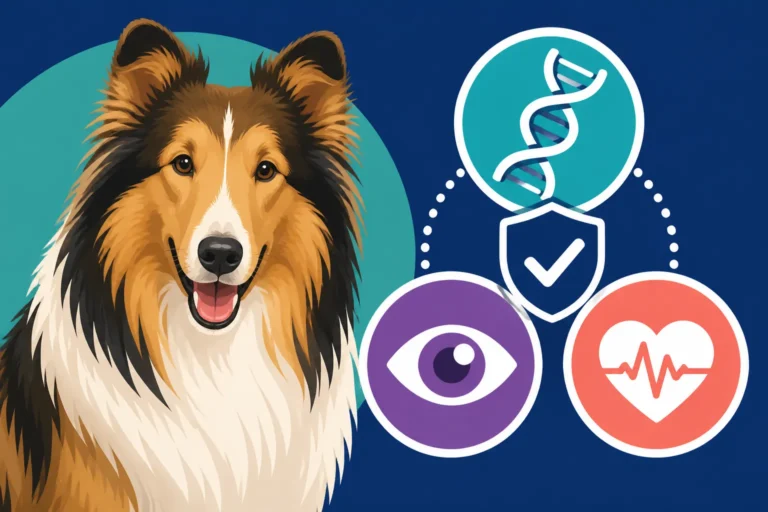
Collie genetic testing details three baseline health checks breeders should complete to prevent severe inherited diseases.
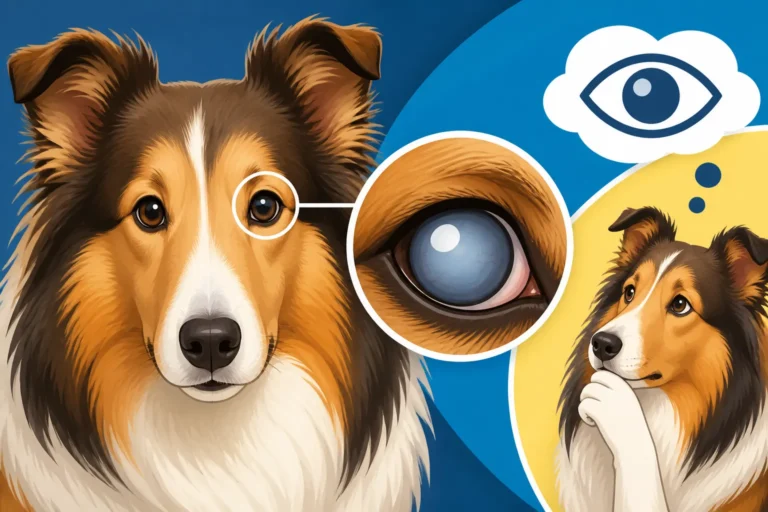
Collie Eye Anomaly is a congenital genetic condition affecting vision, caused by inherited faulty genes passed through generations.
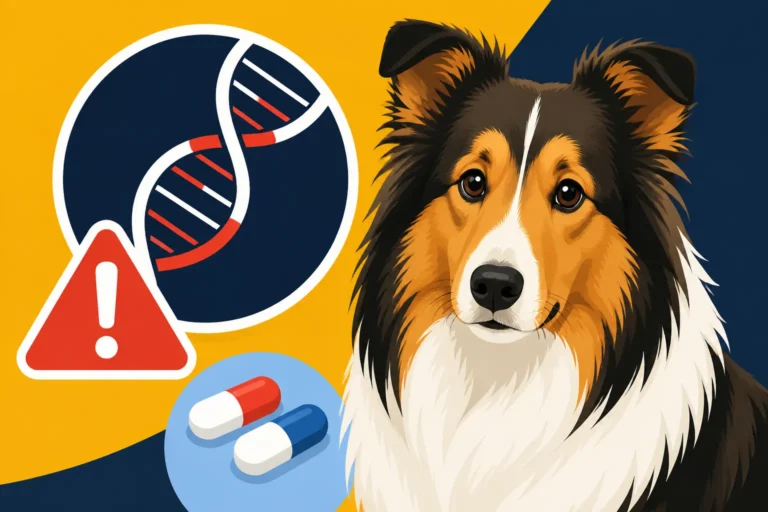
The MDR1 genetic mutation causes life-threatening drug sensitivities in Collies by compromising their natural protective cellular barriers.