What a Collie Puppy Should Weigh by Month
Bringing home a new Collie puppy is an incredibly exciting time, full of joy and a fair bit of worry! One common concern I hear from new owners, and frankly, experienced ones too, is whether their fluffy little bundle is growing "correctly." It's easy to get caught up in comparing your pup to others or to vague online charts, leaving you wondering if they're too small, too big, or just right. This guide will walk you through the typical monthly weight milestones for Collie puppies, help you understand the various factors that influence their growth, and give you the confidence to know when your pup is on a healthy track and when it might be time to check in with your vet.
Understanding Normal Collie Growth Patterns
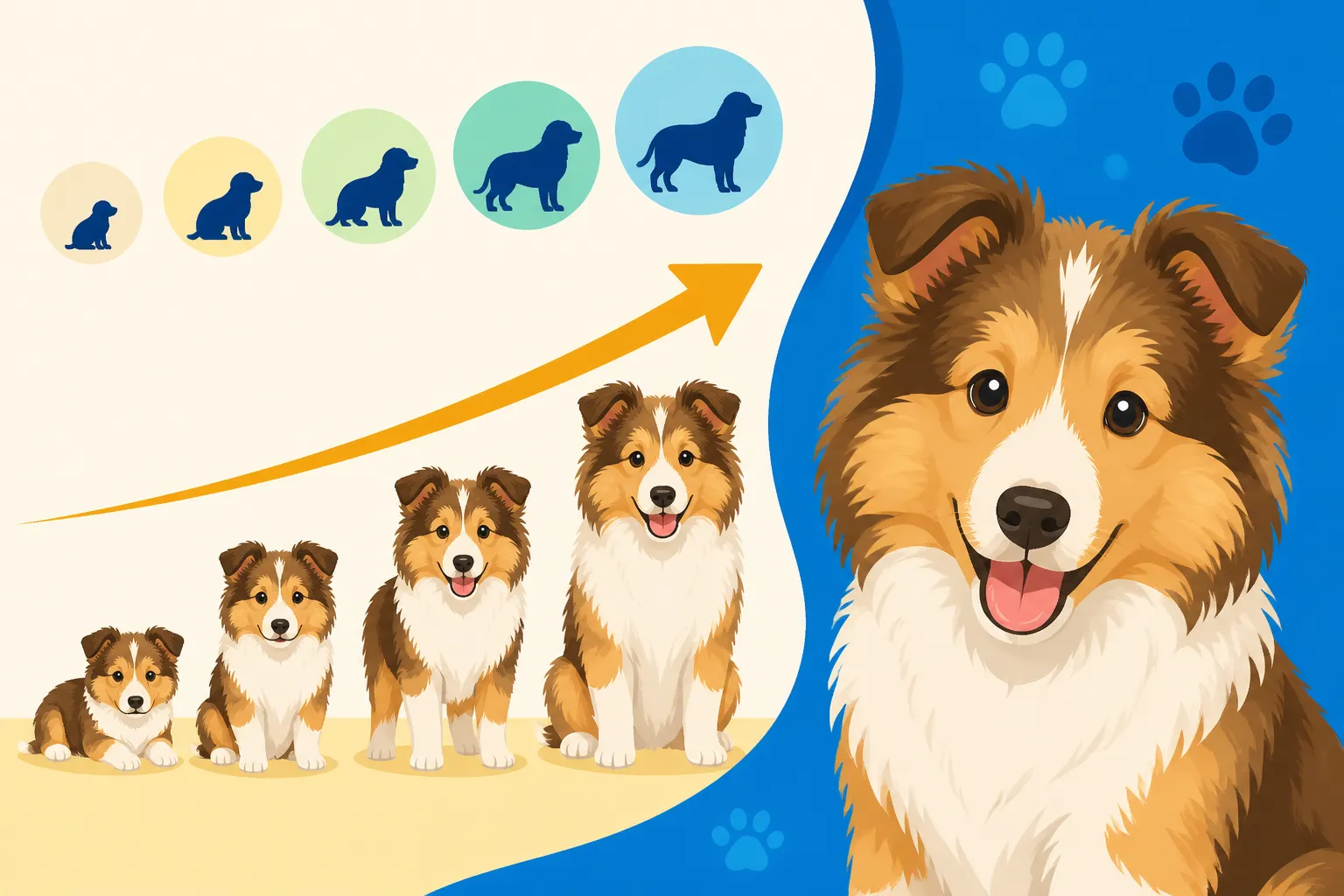
Collies, both Rough and Smooth varieties, are magnificent medium-to-large breed dogs. They don't spring up overnight, nor do they stay tiny for long. Their growth journey is a marathon, not a sprint, and understanding this fundamental pattern is key to managing expectations and ensuring their health. During their first year, especially the first six to eight months, Collie puppies experience rapid growth spurts, followed by periods where they fill out and mature.
This early, swift development is crucial, laying the foundation for their adult bone structure, muscle mass, and overall well-being. It's a time when their nutritional needs are exceptionally high, and their bodies are undergoing immense changes. Picture a spindly-legged youngster slowly transforming into the elegant, sturdy Collie you've always admired. This is why paying attention to their weight, alongside their general condition and energy levels, is so important.
It's also worth remembering that Collies, being a "longer" maturing breed than some, will often continue to fill out and gain muscle mass well into their second year, even after they've reached their full height. So, while the rapid upward trajectory of weight gain might slow down after eight to ten months, don't be surprised if your young adult Collie still beefs up a bit between one and two years of age. They truly blossom over time, and patience is a virtue when observing their development.
The Stages of Puppy Development and Weight Gain
From tiny, helpless newborns to rambunctious adolescents, Collie puppies go through distinct developmental stages, each with its own growth characteristics. Initially, for the first few weeks, their weight gain is primarily about fat and basic structural development, fueled by their mother's milk. They are essentially little eating and sleeping machines, rapidly doubling and tripling their birth weight.
As they transition to solid food around 3-4 weeks and are fully weaned by 6-8 weeks, their growth becomes more focused on bone development and lean muscle. This is when you'll start to see their legs lengthening, their chests broadening, and their characteristic Collie shape beginning to emerge. This period of rapid bone growth continues intensely through about 6-8 months, often making puppies look a bit gangly and awkward – affectionately known as the "velociraptor stage" by many dog owners!
By the time they hit adolescence, typically around 7-12 months, the vertical growth slows down significantly. The focus shifts to muscle development and filling out, giving them a more mature and substantial appearance. This is when the puppy fluff starts to give way to the more adult coat, and their body proportions begin to stabilize. They might not be gaining huge amounts of weight each month, but the weight they do gain is adding definition and strength.
Monthly Weight Expectations for Collie Puppies
It's important to remember that these are general guidelines, and individual puppies can vary based on genetics, activity level, and diet. Think of these ranges as a helpful benchmark, not a strict rule that every pup must follow to the ounce. Typically, male Collies tend to be a bit larger and heavier than females, so the ranges reflect this difference.
When tracking your puppy's weight, try to use the same scale and measure at roughly the same time of day for consistency. Puppy-specific scales can be a great investment, or you can use your own bathroom scale by weighing yourself, then weighing yourself holding the puppy, and subtracting the difference. Keeping a little journal can also be really helpful to track trends over time.
Don't panic if your pup falls slightly outside these ranges, especially if they are otherwise healthy, active, and have a good appetite. Growth isn't always linear; some weeks they might seem to shoot up, others they might just be filling out. It’s the overall trend of steady, healthy growth that matters most.
Here's a general guide for what you might expect regarding your Collie puppy's weight:
| Age (Months) | Male Collie Puppy (lbs) | Female Collie Puppy (lbs) | Notes |
|---|---|---|---|
| 1 | 4 – 8 | 3 – 7 | Rapid initial growth, still largely on mother's milk. |
| 2 | 10 – 18 | 8 – 16 | Weaning complete, transitioning to puppy food. |
| 3 | 20 – 30 | 18 – 28 | Significant growth spurt, starting to lengthen. |
| 4 | 30 – 45 | 28 – 40 | Continued rapid growth, often a bit gangly. |
| 5 | 40 – 55 | 35 – 50 | Still growing quickly in height, filling out a bit. |
| 6 | 50 – 65 | 45 – 60 | Approaching much of their adult height, gaining muscle. |
| 7 | 55 – 70 | 50 – 65 | Growth rate starts to slow, focusing on filling out. |
| 8 | 60 – 75 | 55 – 70 | Nearing adult weight for many, but still maturing. |
| 9 | 60 – 78 | 55 – 72 | Weight gain is less dramatic, building lean mass. |
| 10 | 62 – 80 | 58 – 75 | Approaching full adult size, filling out in chest and bone. |
| 11 | 65 – 82 | 60 – 77 | Final stages of growth; minor increases in weight. |
| 12 | 65 – 85 | 60 – 80 | Reaching adult weight and height, but may still fill out until 2. |
Tracking Your Puppy's Individual Curve
While the chart provides a helpful average, your puppy's individual growth curve is what truly matters. Imagine charting their weight on a simple graph: you want to see a consistent upward slope, even if it's not perfectly smooth. A sudden drop, a plateau that lasts for weeks during a period of expected growth, or an excessively steep, rapid increase can all be signals to pay closer attention.
Think of it like tracking a child's height and weight; pediatricians look for healthy progression within a general range, not strict adherence to the 50th percentile. Your vet will do the same for your Collie. Bringing your puppy in for regular check-ups, where they are weighed and examined by a professional, is the best way to ensure their unique growth path is a healthy one. They can assess muscle tone, body condition score, and overall health to give you tailored advice. What a Collie's Puppy Vaccinations Cost often includes these initial weight checks, which are invaluable.
Remember, every puppy is an individual, and a good breeder will often provide you with insights into the typical size of their lines. Knowing the size of the parents can give you a rough idea of your puppy's ultimate size, but even within the same litter, there can be significant variation. Some pups are simply born larger or smaller, and as long as they are gaining weight steadily and maintaining good body condition, that's what truly counts.
Factors Influencing Your Collie Puppy's Weight
It's easy to look at a chart and worry if your pup isn't a perfect match, but a Collie's weight isn't just about their age. Many elements come into play, shaping their individual growth trajectory. Understanding these can help you better interpret your puppy's progress and make informed decisions about their care. It's a complex interplay of genetics, environment, and daily choices.
Genetics and Bloodlines
Just like in human families, genetics play a massive role in how big your Collie puppy will get and how quickly they grow. If your puppy comes from parents who are on the smaller, lighter side of the breed standard, it’s highly probable that your pup will follow suit. Conversely, a puppy from large, substantial parents is likely to grow into a bigger adult. This is why a reputable breeder can often give you a good estimate of your puppy's likely adult size, based on the history of their bloodlines.
Think about the difference between show lines and working lines, for instance. Show Collies are often bred for a more substantial, heavier bone structure and denser coat, which can translate to a slightly heavier adult weight. Working Collies, while still robust, might have a leaner, more agile build, optimized for stamina and movement, which could mean a slightly lighter overall weight. These inherent genetic predispositions are fundamental and can't be significantly altered by diet alone. Whether an Imported Collie Has Different Risks can also be a factor, as breed standards and typical sizes can vary slightly between countries.
Even within the same litter, you’ll often see a range of sizes. There might be a "runt" who always lags a little behind, or a robust "leader" who outpaces their siblings from day one. As long as each puppy is healthy and thriving, these variations are perfectly normal. A good breeder will be able to tell you about the typical size of their dogs and help you understand where your puppy fits into that genetic picture.
Nutrition's Role in Healthy Growth
What you feed your Collie puppy is arguably the most controllable factor in their growth. A high-quality, balanced diet specifically formulated for large breed puppies is absolutely critical. These foods are designed to support steady, healthy growth, providing the right balance of protein, fats, vitamins, and minerals without promoting excessively rapid growth. Fast growth, particularly in large breeds, can put undue stress on developing joints and lead to orthopedic issues later in life.
Avoiding overfeeding is just as important as ensuring adequate nutrition. It's tempting to free-feed or give extra portions to a growing pup, especially if they have an insatiable appetite. However, excess calories lead to excess weight, which again, stresses those developing joints and can contribute to conditions like hip dysplasia. Follow the feeding guidelines on your chosen puppy food carefully, and adjust based on your puppy's activity level and body condition. Brands like Chewy offer a wide variety of large-breed puppy foods from reputable manufacturers, making it easy to find suitable options. For those interested in alternative options, fresh food services like Ollie also provide carefully balanced, vet-formulated meals.
Regularly assessing your puppy's body condition score is more important than just looking at the number on the scale. You should be able to feel their ribs easily, but not see them protruding. They should have a noticeable waist when viewed from above, and their belly should tuck up slightly when viewed from the side. If you're unsure, your vet can show you how to properly assess your pup's condition. Whether a Collie Needs a Large Breed Puppy Food delves deeper into the specifics of why this type of food is so beneficial.
Activity Levels and Exercise
A Collie puppy's activity level also plays a part in their weight and overall body composition. While it might seem counterintuitive, too much strenuous exercise, especially high-impact activities like jumping or long-distance running, can be detrimental to a large breed puppy's developing joints. Their growth plates are still soft and vulnerable, and excessive strain can lead to injury or improper development.
Instead, focus on moderate, age-appropriate exercise. Short, frequent walks, supervised playtime in a securely fenced yard, and mental stimulation through puzzle toys or training sessions are far more beneficial. These activities help build muscle, maintain a healthy weight, and encourage proper joint development without overstressing their growing bodies. Too little exercise, on the other hand, combined with overfeeding, will predictably lead to an overweight puppy.
The key is balance. A bored, under-exercised puppy might also be more prone to destructive behaviors or excessive barking, adding another layer of issues. Ensure your puppy gets enough mental and physical stimulation each day to be content and healthy, but avoid pushing them beyond their capabilities. A tired puppy is a good puppy, but an exhausted one with sore joints is a problem. Forty Five Minutes a Day, and Half of It in Its Head is a great resource for understanding appropriate exercise for Collies.
Health and Parasites
Underlying health issues or the presence of parasites can significantly impact a puppy's ability to gain weight and thrive. Puppies are particularly susceptible to internal parasites like worms, which can steal vital nutrients, leading to a dull coat, potbelly, and failure to gain weight. Regular deworming protocols, as recommended by your veterinarian, are essential to keep these unwelcome guests at bay.
Any chronic illness, even something seemingly minor, can also affect a puppy's growth. For instance, digestive issues can prevent proper nutrient absorption, while conditions that cause pain or discomfort can reduce appetite and activity. This is why those initial veterinary visits for vaccinations and health checks are so incredibly important. They allow your vet to catch any potential problems early on.
If your Collie puppy isn't gaining weight steadily, seems lethargic, has a poor appetite, or is experiencing digestive upset, it's crucial to consult your veterinarian promptly. Don't assume it's just a "slow grower." Early diagnosis and treatment of health problems can make a huge difference in your puppy's long-term health and growth trajectory. How a Collie Owner Tells the Vet About MDR1 is an important conversation to have at these visits, as it impacts medication choices.
When to Worry About Your Collie Puppy's Weight
It's natural to have a little anxiety about your puppy's growth, especially when they're still so young and vulnerable. While some variation in weight is normal, there are certainly red flags that should prompt a call to your veterinarian. Ignoring these signs can have long-term consequences for your Collie's health and development. Knowing when to simply monitor and when to seek professional advice is a key part of responsible puppy ownership.
Signs of Being Underweight
An underweight puppy isn't just a cosmetic concern; it's a potential indicator of insufficient nutrition, underlying health issues, or an excessive energy expenditure. If your Collie puppy appears bony, with ribs, hip bones, or vertebrae easily visible without feeling for them, that's a definite red flag. Their coat might also look dull or sparse, and their energy levels could be lower than expected for a healthy pup.
Other signs to watch for include a consistently poor appetite, vomiting, diarrhea, or unusual lethargy. If your puppy seems to be eating well but still isn't gaining weight, or is even losing it, that's a particularly worrying sign that could point to parasites or malabsorption issues. Don't try to solve this with just more food; it's vital to get a veterinary diagnosis to understand the root cause. A vet can run tests to rule out parasites or other medical conditions that might be hindering their ability to thrive.
It’s easy to dismiss a small pup as "just being little," but in a fast-growing breed like the Collie, consistent weight gain is essential. Early intervention for an underweight puppy can prevent more serious health complications down the line and ensure they develop into a strong, healthy adult. Always trust your gut instinct; if something feels off, it's always best to get a professional opinion.
Signs of Being Overweight
While less common in very young puppies, it's absolutely possible for a Collie puppy to be overweight, especially as they approach adolescence. It might sound cute to have a chubby puppy, but carrying excess weight puts undue strain on their developing joints, ligaments, and growth plates. This can significantly increase their risk for orthopedic problems such as hip and elbow dysplasia, which are already concerns in large breeds.
An overweight Collie puppy might lack a visible waist, their ribs might be difficult to feel without pressing firmly, and their belly might not tuck up at all. They might also seem less energetic or struggle with activities that their littermates or other puppies their age handle with ease. This isn't just about appearance; it's about setting them up for a lifetime of potential pain and limited mobility.
If you suspect your puppy is carrying too much weight, your first step should be to review their diet and exercise routine with your vet. They can help you adjust food portions, recommend appropriate food types, and guide you on safe, joint-friendly exercise to help them shed those extra pounds gradually. Remember, quick weight loss isn't healthy for a growing puppy; slow and steady wins the race. Signs a Collie Is Overweight Under All That Coat can help you recognize the subtle indicators even with all that fur.
Stunted Growth or Lack of Progression
Perhaps the most concerning issue is a complete lack of growth or progression on your puppy's weight chart. If your Collie puppy stops gaining weight for an extended period during their rapid growth phase, or if they fall significantly below the expected ranges for their age and don't catch up, this warrants immediate veterinary attention. This isn't just a slow-grower; it could indicate a serious underlying problem.
Causes can range from severe parasitic infestations, chronic illnesses, genetic growth disorders, or even significant nutritional deficiencies. Your vet will conduct a thorough examination, likely recommend blood work, fecal tests, and potentially imaging to pinpoint the issue. Early diagnosis is paramount for these situations, as it gives your puppy the best chance for recovery and healthy development.
Never hesitate to contact your vet if you have persistent concerns about your Collie puppy's growth. They are your best resource for accurate information and personalized advice. It’s always better to be overly cautious when it comes to a puppy's development than to wait and potentially miss a crucial window for intervention. Whether a Gray Collie Syndrome Puppy Grows Normally is an example of a genetic condition that impacts growth, though thankfully rare.
Supporting Healthy Growth in Your Collie Puppy
Ensuring your Collie puppy grows into a strong, healthy adult isn't just about watching the scale. It's about a holistic approach that covers their diet, exercise, and regular preventive care. Laying a solid foundation during these formative months will pay dividends for their entire lifespan. It's an investment in their future well-being and happiness.
Choosing the Right Diet and Feeding Schedule
The cornerstone of healthy growth is, without a doubt, a high-quality diet. As mentioned, a large-breed puppy formula is ideal for Collies. Look for foods from reputable brands that list a named meat source as the first ingredient and have undergone feeding trials. These formulas are specifically designed to provide a balanced nutrient profile that supports controlled, steady growth in larger dogs, helping to prevent orthopedic issues. You can find excellent options and read reviews on platforms like Chewy or Amazon.
When it comes to feeding, consistency is key. Most puppies do best on two to three meals a day, rather than free-feeding. This allows for better portion control, helps you monitor their appetite, and also establishes a routine that aids in house training. Follow the manufacturer's guidelines for portion sizes based on your puppy's current weight and age, but always be prepared to adjust slightly based on their body condition and activity level. If your puppy seems ravenously hungry but is growing well, consider adding some low-calorie, healthy vegetables as fillers, but always consult your vet first. What a Collie Puppy Eats at Four Months gives specific insights for that critical age.
Remember that treats count towards their daily caloric intake. Choose healthy, low-calorie options, and use them sparingly for training rewards rather than as supplemental meals. Avoiding table scraps is also important, as they can unbalance an otherwise carefully formulated diet and potentially introduce unhealthy ingredients or too many calories. A measured approach to feeding is truly best for their long-term health.
Appropriate Exercise and Mental Stimulation
While vigorous exercise is a no-go for young, growing Collie puppies, appropriate activity is essential for developing strong muscles, healthy bones, and a well-adjusted temperament. Short, structured walks on a leash, supervised playtime with safe toys, and gentle games of fetch are excellent choices. The general rule of thumb is about 5 minutes of exercise per month of age, twice a day, up to around maturity. So, a 4-month-old pup could have two 20-minute sessions.
Mental stimulation is equally, if not more, important for a breed as intelligent as the Collie. Incorporate short, positive reinforcement training sessions throughout the day. Puzzle feeders, sniff games, and teaching new tricks engage their minds and help burn energy without stressing their growing joints. A mentally tired Collie is often a calm and content Collie, and this mental work contributes to their overall health and development just as much as physical activity.
Monitor your puppy during play and rest to ensure they aren't overdoing it. Watch for signs of fatigue, limping, or excessive panting. Puppies, like toddlers, don't always know when to stop and can push themselves too hard. It's up to you to manage their activity, ensuring they get enough to be happy and healthy, but not so much that it risks injury. Creating a balanced routine prevents boredom and channel their natural herding instincts constructively. How Much Exercise a Collie Needs Daily offers further guidance.
Regular Veterinary Check-ups and Preventive Care
Regular visits to your veterinarian are perhaps the most crucial component of supporting your Collie puppy's healthy growth. These check-ups allow your vet to monitor their weight, assess their body condition, perform physical examinations, and ensure they are meeting their developmental milestones. These appointments are also when your puppy receives their essential vaccinations and deworming treatments, protecting them from common diseases and parasites that can hinder growth.
Your vet is also your primary resource for personalized advice. They can help you determine if your puppy's weight is on track, recommend specific diets, discuss appropriate exercise routines, and address any concerns you might have. Don't hesitate to bring up questions about their growth, appetite, energy levels, or any unusual observations. They have the expertise to interpret what they see and provide guidance tailored to your individual puppy.
Beyond the initial puppy series, establishing a routine for yearly check-ups, even if your puppy seems perfectly healthy, is vital. This allows for ongoing monitoring of their growth and development, as well as early detection of any emerging health issues. Preventative care is always more effective and often less costly than treating a problem once it has become advanced. The Three Genetic Tests a Collie Breeder Owes You also highlights the importance of health considerations from the very start.
Addressing Common Growth Concerns
Even with the best intentions and care, you might encounter bumps in the road during your Collie puppy's growth journey. From picky eating phases to minor injuries, these concerns can be unsettling for owners. Knowing how to react and when to seek professional help can save you a lot of worry and ensure your puppy continues to thrive.
What to Do If Your Puppy Isn't Tracking the Chart
If your Collie puppy consistently falls slightly outside the weight ranges on the chart, the first step is to take a deep breath. Remember, these charts are averages, not strict mandates. Your puppy might simply be on the smaller or larger end of the spectrum for the breed, or they might be from lines that naturally mature at a slightly different pace.
The most important thing to assess is your puppy's overall health and well-being. Are they active and playful? Is their coat shiny? Do they have a good appetite? Are they alert and engaged? If the answer to these questions is generally yes, and they are consistently gaining some weight, even if slowly, then a minor deviation from the chart might not be a cause for concern.
However, if your puppy is consistently below the minimum range, shows a lack of energy, has a poor appetite, or displays other signs of illness, then it's absolutely time to contact your vet. They can help you determine if there's an underlying issue or simply confirm that your pup is healthy and just on their own unique growth curve. Sometimes, a simple diet adjustment or a check for parasites is all that's needed to get them back on track.
Dealing with Growth Pains and Growing Pains
Just like human teenagers, growing puppies can experience what are often called "growing pains." In dogs, this is most commonly referred to as Panosteitis, or "Pano." It's an inflammation of the outer surface of the long bones, typically seen in rapidly growing large breed puppies between 5 and 18 months of age. You might notice your Collie puppy limping, shifting lameness (meaning it moves from one leg to another), or tenderness when you touch their legs.
These episodes can be intermittent and sometimes seem to resolve on their own, only to reappear in a different limb. While often self-limiting, Pano can be quite painful and worrying to witness. It's essential to get a veterinary diagnosis to rule out more serious orthopedic conditions like osteochondritis dissecans (OCD) or early signs of hip or elbow dysplasia.
Your vet might recommend pain relief, restricted activity, and possibly dietary adjustments to manage the symptoms. It's crucial not to ignore persistent lameness or pain in a growing puppy. Always seek professional advice to ensure proper diagnosis and management, protecting their developing joints and ensuring their comfort. Hip Dysplasia in a Collie and The Age a Collie's Hips Should Be X Rayed are important related topics.
When to Consult Your Veterinarian
There are several scenarios where a trip to the vet is non-negotiable when it comes to your Collie puppy's growth and weight:
- Sudden Weight Loss or No Weight Gain: If your puppy is losing weight rapidly, or shows no weight gain for over a week during their rapid growth phase, this is a definite emergency.
- Persistent Diarrhea or Vomiting: These symptoms can lead to dehydration and nutrient loss, severely impacting growth.
- Lethargy or Lack of Appetite: A puppy that isn't eating or is unusually tired could be ill.
- Visible Bony Protrusions: If ribs, spine, or hip bones are clearly visible without needing to feel for them, your pup is likely underweight.
- Obvious Lameness or Pain: Any limping, crying out, or reluctance to move should be checked by a vet immediately.
- Excessive Weight Gain: If your puppy is visibly overweight, consult your vet to adjust their diet and exercise to prevent joint damage.
Your veterinarian is your most trusted partner in your Collie's health journey. Don't rely solely on online charts or advice from well-meaning friends. When in doubt, a professional evaluation provides peace of mind and ensures your precious puppy receives the best possible care. They can offer specific guidance for your pup, considering their breed, genetics, and individual circumstances. Whether a Collie's Chart Should Be Flagged at the Clinic is a useful discussion about proactive vet communication.
Disclaimer
This article is for general informational purposes only and does not constitute professional advice. Laws, prices and regulations vary by location and change over time. Consult a qualified professional for guidance on your specific situation.