What Changes in an Old Collie’s Coat
As our beloved Collies gracefully age, many of us notice subtle (and sometimes not-so-subtle) shifts in their magnificent coats. It’s a common worry – that once vibrant, thick, and lustrous fur might start to look a little duller, feel a bit coarser, or even thin out in places. These changes are a natural part of the aging process, but understanding why they happen and how best to support your senior Collie’s coat health can make all the difference in keeping them comfortable and looking their regal best.
The Subtle Shift: Initial Signs of an Aging Coat
When you run your hands through your Collie's coat, especially one who's crossed into their senior years (typically around age seven or eight, though it varies), you might start to feel and see some differences. It’s not just your imagination; these initial signs are often the first indicators that their body is changing as it matures. Just like us, their skin and hair reflect their overall health, and age definitely leaves its mark.
Loss of Luster and Softness
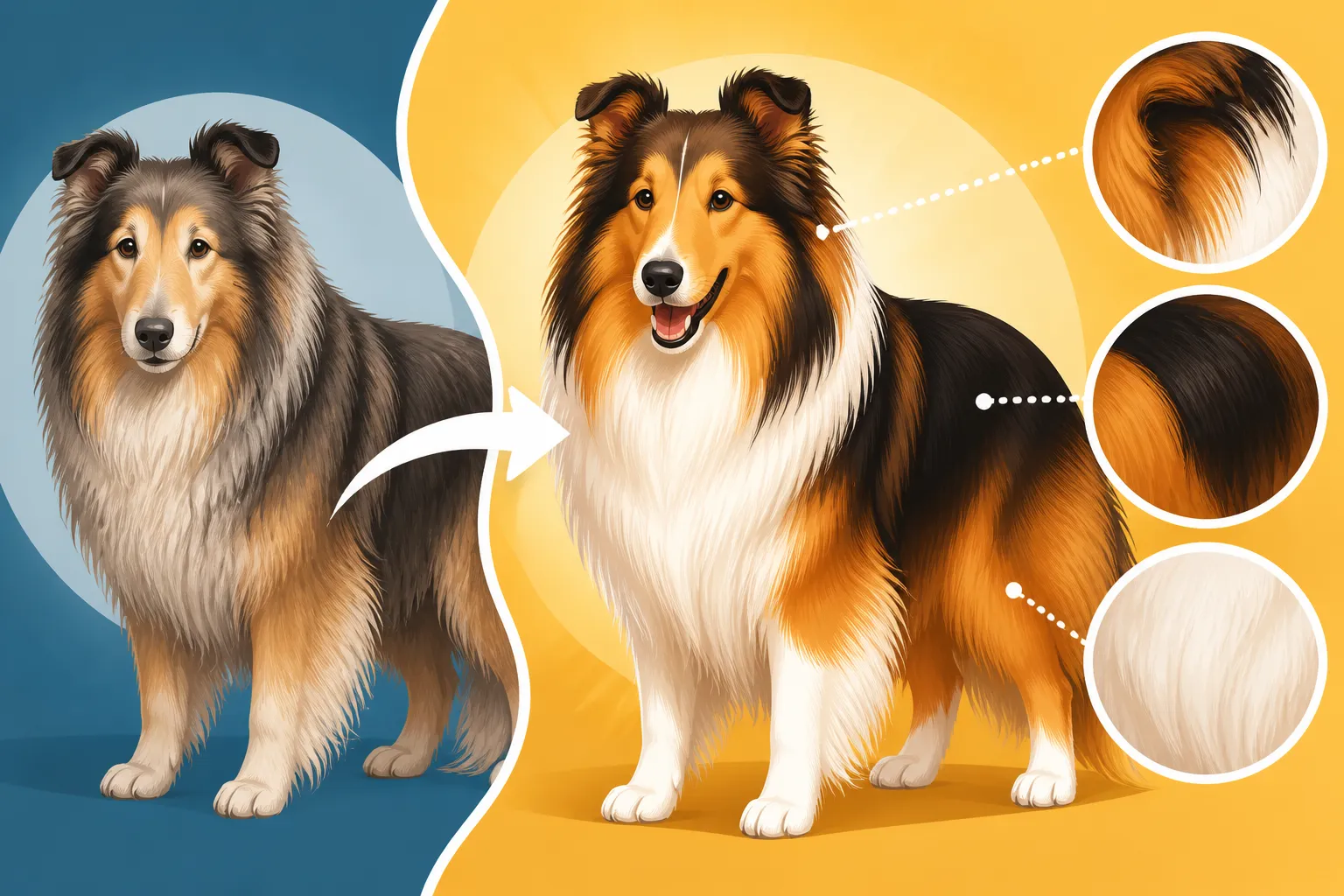
One of the first things many Collie owners notice is a distinct loss of that characteristic shine and softness that defines a healthy Collie coat. Remember that puppy-soft feel, even on an adult dog? Over time, that can gradually give way to a coarser, more brittle texture. The vibrant sheen that caught the light, especially on a sable or tri-color, might appear duller, almost flat. It’s as if the individual hairs themselves have lost some of their vitality, no longer reflecting light with the same brilliance. This isn't necessarily a sign of neglect or poor grooming; it's often a direct result of changes happening within their body. The sebaceous glands, responsible for producing the natural oils that moisturize and protect the skin and coat, can become less active with age. Less oil means less shine, and individual hairs can become drier and more prone to damage.
Beyond the visual, the tactile experience changes too. What once felt like a luxurious blanket of soft fur might now feel a bit rougher to the touch, particularly on their back or sides. You might notice the undercoat, which provides that plush density, feeling less dense and perhaps a little more cotton-like. This alteration in texture can sometimes make the coat feel less manageable, more prone to tangling, and just generally not as "springy" as it used to be. It’s a common but often unsettling change for owners who are used to their Collie's glorious mane.
Increased Shedding and Thinning
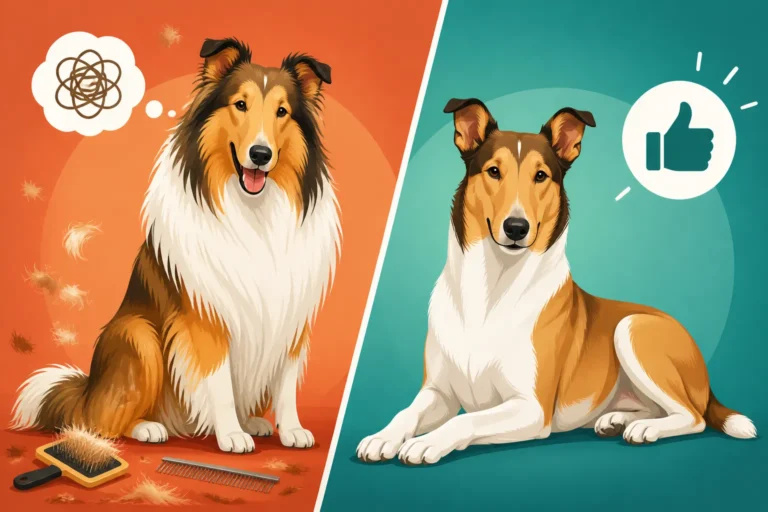
Another disheartening change often observed in older Collies is an increase in shedding, sometimes coupled with noticeable thinning of the coat. It feels like you're finding more Collie "tumbleweeds" around the house than ever before, and your vacuum cleaner is working overtime. While Collies are known for their shedding, especially during their twice-yearly coat blows, senior Collies can experience a more continuous, year-round loss of hair, and it might not always be replaced with the same vigor.
This increased shedding isn't always uniform; you might notice specific areas where the coat seems thinner. The sides of their body, the top of their back, or even their "petticoat" and "frill" can start to look a bit sparse compared to their younger years. It’s not uncommon to see the skin more easily through the fur in these areas. This thinning can be due to a variety of factors, including slower hair growth cycles, changes in hormone levels, or even nutritional shifts that affect hair follicle health. It’s definitely something to keep an eye on, as significant or patchy thinning could also point to underlying health issues that warrant a vet visit.
Understanding the Underlying Causes of Coat Changes
The magnificent coat of a Collie is far more than just aesthetics; it's a vital protective layer and often a mirror reflecting their internal health. When changes begin to appear as they age, it's usually not a singular cause but a complex interplay of physiological shifts. Understanding these factors can help you better support your senior companion.
Hormonal Fluctuations and Metabolism
One of the most significant internal drivers of coat changes in older Collies is the natural fluctuation in hormones and a general slowing of their metabolism. As dogs age, their endocrine system, responsible for hormone production, can become less efficient. Conditions like hypothyroidism, where the thyroid gland doesn't produce enough hormones, are not uncommon in senior dogs, and a dull, dry, thinning coat is one of the classic signs. The hair might also become brittle, break easily, and take on a "woolly" texture. Beyond the thyroid, other hormonal shifts, such as those related to adrenal function, can also impact skin and coat health, leading to dryness, fragility, or even skin infections. Paying attention to these subtle changes and mentioning them to your vet is important. For more on this, you might find Signs a Collie's Thyroid Is Low to be a helpful read.
A slower metabolism means everything in their body operates at a reduced pace, including cell turnover for skin and hair follicles. Less efficient circulation can also mean fewer nutrients reach the skin and hair, leading to less robust growth. This isn't just about how fast they burn calories; it's about the overall cellular activity that keeps their skin supple and their coat vibrant. Their body simply doesn't have the same youthful vigor to maintain that dense, lustrous coat it once did. These internal shifts are profound and affect everything from oil production to hair growth cycles, culminating in a coat that looks and feels distinctly different.
Nutritional Deficiencies and Absorption
Even if you're feeding your senior Collie the same high-quality food they've always enjoyed, their aging digestive system might not be absorbing nutrients with the same efficiency. This can lead to subtle, or sometimes not-so-subtle, nutritional deficiencies that directly impact coat quality. Key nutrients for a healthy coat include proteins, essential fatty acids (Omega-3 and Omega-6), and various vitamins and minerals (like zinc and biotin). If their body isn't extracting enough of these from their diet, the coat will inevitably suffer. The hair shafts can become weaker, leading to increased breakage and thinning, and the skin can become dry and flaky.
Many senior Collies benefit from a diet specifically formulated for older dogs, which often contains easily digestible proteins, balanced fat levels, and added supplements to support joint health, cognitive function, and skin and coat. Some owners explore fresh-cooked or specialized diets like those offered by Ollie, which can be tailored to an older dog's needs, often with ingredients chosen for digestibility and nutrient density. It's not just about getting enough food, but getting the right kind of food that their body can actually utilize. Consulting with your veterinarian about dietary adjustments and potential supplements can be incredibly beneficial. For additional information, you might consider reading Whether an Old Collie Needs Softer Food.
Reduced Grooming Tolerance and Mobility
Another practical reason for coat changes in older Collies often comes down to their reduced ability or willingness to be groomed, both by themselves and by us. As Collies age, they can develop arthritis, joint stiffness, or other aches and pains that make standing for long periods or lying in certain positions uncomfortable. What was once an enjoyable grooming session might become a painful ordeal, leading to resistance. They might struggle to reach certain areas for self-grooming, resulting in more mats or neglected patches.
This decreased tolerance means that regular, thorough grooming sessions, which are absolutely essential for maintaining a Collie's coat, become harder to achieve. If a Collie is uncomfortable being brushed, mats can form more easily, especially in sensitive areas like behind the ears, in the armpits, or on their "petticoat." Without regular brushing to remove loose undercoat and distribute natural oils, the coat can quickly become dull, tangled, and unhealthy. It puts the onus on us, as their loving owners, to adapt our techniques and ensure their comfort during grooming, making the experience as gentle and brief as possible while still being effective. Whether an Old Collie Should Still Be Brushed Daily might offer some useful perspectives here.
Common Coat Issues in Senior Collies
Beyond the general dullness and thinning, aging Collies can develop specific coat and skin issues that require extra attention. These problems often stem from the underlying physiological changes of aging, compounded by lifestyle factors or reduced self-care. It’s crucial to be vigilant and proactive to keep your senior Collie comfortable.
Matting and Undercoat Challenges
Even if your Collie was never particularly prone to mats in their younger years, you might find that matting becomes a much more persistent problem as they age. There are several reasons for this. Firstly, as mentioned, the coat texture can change, becoming finer and more cotton-like, especially the undercoat. This type of hair is notoriously prone to tangling and felting together. Secondly, decreased mobility means they can't scratch, stretch, or roll as effectively to prevent mats from starting. Areas like behind the ears, in the armpits, on their "britches" (the feathering on the back of their thighs), and around their collar area become prime matting zones. These aren't just cosmetic issues; mats pull on the skin, causing discomfort, pain, and can even hide skin infections or parasites.
Furthermore, managing the undercoat during seasonal sheds, or "coat blows," becomes even more critical. In their younger days, a rigorous brushing schedule could tackle the immense volume of shedding undercoat. For a senior Collie, if the undercoat isn't meticulously removed, it can easily felt into dense mats against the skin. This dead, trapped undercoat prevents air circulation, can lead to skin irritation, and makes them more susceptible to overheating. It’s a battle, sometimes, to keep that undercoat flowing out, but it's essential for their comfort and skin health. For those tough spots, How to Work Out a Mat Behind a Collie's Ear provides specific guidance.
Dryness, Flakiness, and Skin Concerns
As a Collie's skin ages, it undergoes significant changes. Cell turnover slows down, natural oil production decreases, and the skin barrier can become less effective at retaining moisture. This often results in dry, flaky skin, sometimes accompanied by dandruff. You might notice small white flakes in their coat, or if you part their fur, you might see dry, tight-looking skin. This dryness isn't just uncomfortable; it can lead to itchiness, causing your Collie to scratch or chew, which can further irritate the skin and potentially lead to secondary bacterial or yeast infections.
Beyond general dryness, older Collies can be more susceptible to various dermatological issues. Age-related immune system changes might make them more prone to allergies or skin infections. Lumps and bumps, while often benign, can also appear on the skin and should always be checked by a vet. Any persistent redness, odor, excessive scratching, or open sores in your senior Collie's coat or on their skin warrants a prompt veterinary visit. It's easy for these issues to hide under a thick coat, so regular hands-on checks during gentle grooming are vital. For more details, you may want to consult Whether a Collie Gets Skin Infections Under Its Coat.
Greying and Texture Changes
Just like humans, Collies often start to "grey" as they age. The most obvious place this appears is usually on their muzzle, around their eyes, and sometimes on their chin. This beautiful silvering is a natural and endearing sign of their seniority. However, greying can also occur in other parts of their body, often subtly mixing with their existing coat colors, making their overall appearance seem lighter or more muted. A sable Collie might look paler, a tri-color might have more white hairs mixed in with the black and tan, and a blue merle might appear less intensely patterned.
Beyond the color change, the texture of the hair itself can continue to evolve. Some Collies might experience a general softening of their entire coat, making it feel less coarse than before. Others might find specific areas, particularly the long guard hairs, become coarser or more brittle. The density of the undercoat can also decrease, making the overall coat feel less plush and full. These texture variations can sometimes affect how the coat lays, making it appear less tidy or more prone to static. It's all part of their unique aging journey, adding character and reminding us of the years of love they've given us.
Adapting Your Grooming Routine for a Senior Collie
Caring for an aging Collie's coat demands a compassionate and adaptable approach. What worked perfectly for your energetic youngster might be too strenuous or uncomfortable for your dignified senior. The goal shifts from merely maintaining their magnificent appearance to prioritizing their comfort and skin health.
Gentle Brushing Techniques and Tools
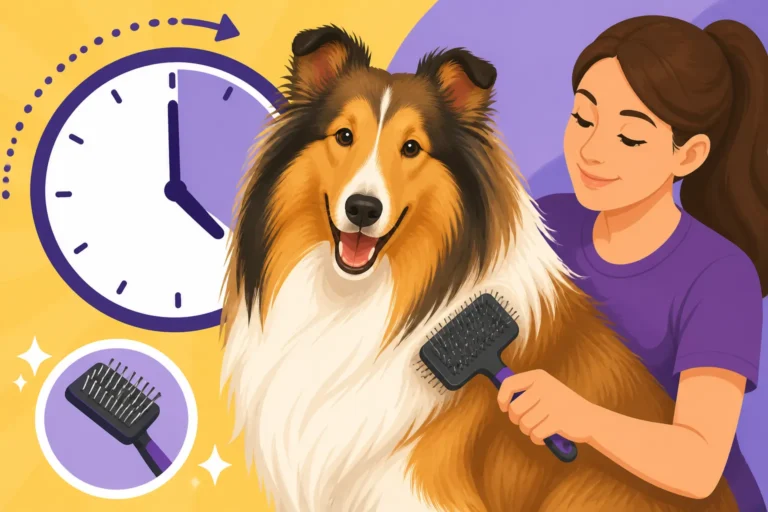
The cardinal rule for grooming a senior Collie is gentleness. They might have hidden aches and pains from arthritis, or their skin could be more sensitive. Instead of long, intensive brushing sessions, aim for shorter, more frequent ones – perhaps 10-15 minutes a day, rather than one long hour-long marathon. Always work slowly, speaking in a soothing voice, and constantly observing their body language for any signs of discomfort. Avoid yanking or pulling on tangles; instead, use a detangling spray and carefully work them out with your fingers or a wide-toothed comb. For larger mats that are causing distress, it might be better to carefully clip them out with blunt-nosed scissors, always cutting away from the skin, or better yet, seek professional help.
Choosing the right tools is also paramount. A stiff slicker brush, while effective on a young, dense coat, might be too harsh for an older Collie's thinning skin and sensitive joints. Opt for softer brushes, like a high-quality pin brush with rounded tips, or a rubber curry brush for gentle massage and to stimulate circulation. A good metal comb with both wide and fine teeth is essential for working through feathering and checking for mats without being overly aggressive. Always start with the widest teeth and move to finer ones as you encounter fewer tangles. When in doubt, a trip to your local pet supply store, or browsing online at Chewy, can help you find suitable tools specifically designed for sensitive skin or senior pets. For a deeper dive into tools, check out Which Four Brushes a Collie Owner Needs.
Specialized Shampoos and Conditioners
Just as their diet needs adjustments, so too does their bathing routine and the products you use. An aging Collie's skin is prone to dryness and flakiness, so harsh shampoos that strip natural oils should be avoided. Instead, look for moisturizing shampoos formulated for dry or sensitive skin, often containing ingredients like oatmeal, aloe vera, or ceramides. Hypoallergenic options are also a good idea, as senior dogs can sometimes develop new sensitivities. A good quality conditioner is no longer just a luxury; it becomes a necessity to help replenish moisture, improve coat elasticity, and reduce static that can lead to tangles.
When bathing your senior Collie, ensure the water temperature is comfortably warm, not hot. Support them gently in the tub or shower, using a non-slip mat to prevent falls. Lather gently, focusing on massaging the skin to stimulate blood flow without scrubbing too hard. Most importantly, rinse, rinse, rinse! Any shampoo or conditioner residue left in the coat can irritate sensitive skin and actually lead to more dryness or infections. After bathing, gently towel dry, then use a low-heat blow dryer or allow them to air dry in a warm, draft-free room, ensuring they are completely dry to prevent skin issues. More tips can be found in Which Shampoo Suits a Collie's Coat.
Professional Grooming Considerations
Even the most dedicated home groomer might find that a senior Collie's coat challenges grow beyond their ability or their dog's tolerance. This is where a professional groomer, particularly one experienced with senior dogs, can become an invaluable part of your care team. A skilled groomer understands how to handle older dogs with care, using specialized equipment like hydraulic grooming tables that lower to the floor for easy access, and performing "comfort grooms" that prioritize the dog's well-being over show-ring perfection.
A professional groomer can tackle stubborn mats safely, often using clippers to remove them without causing pain or stress, which might be impossible to do at home. They can also provide thorough de-shedding treatments that help remove excess undercoat more efficiently than you might manage at home, significantly reducing shedding and preventing future mats. Don't be afraid to discuss your Collie's specific needs, sensitivities, and any health concerns with the groomer. They can often provide insights and techniques you hadn't considered. While it's an added expense, the peace of mind and the comfort it provides your senior Collie can be priceless. For an idea of typical costs, refer to What a Professional Groom Costs on a Rough Collie. You can also find many of the high-quality products professional groomers use and recommend on platforms like Amazon.
Supporting Coat Health from the Inside Out
True coat health starts from within, and this is especially true for our senior Collies. No amount of external grooming can fully compensate for internal deficiencies or imbalances. By focusing on their overall well-being, we can provide the foundational support their aging coats truly need.
Dietary Adjustments and Supplements
As we discussed earlier, an older Collie's nutritional needs shift. Their metabolism slows, their digestive system might not be as efficient, and they may have new health challenges that influence their dietary requirements. Switching to a high-quality senior dog food, or even a prescription diet recommended by your vet, can make a significant difference. These formulas are typically designed with fewer calories to prevent weight gain (a common issue in less active seniors), highly digestible proteins, and often include joint-supporting supplements. Pay attention to ingredients, aiming for whole, identifiable protein sources and healthy fats.
Beyond a balanced diet, certain supplements can provide targeted support for coat and skin health. Omega-3 fatty acids, particularly from fish oil, are superstars in this regard. They help reduce inflammation, improve skin barrier function, and contribute to a soft, shiny coat. Other beneficial supplements might include Vitamin E, which is an antioxidant, or a good multivitamin specifically formulated for senior dogs to fill any nutritional gaps. However, always, always consult your veterinarian before adding any supplements to your Collie's diet. They can guide you on appropriate dosages and ensure there are no contraindications with existing medications or health conditions. For more on the benefits, see Whether Fish Oil Improves a Collie's Coat.
Hydration and Environmental Factors
It might seem basic, but adequate hydration plays a surprisingly critical role in skin and coat health, especially for senior dogs. Dehydration can quickly lead to dry, flaky skin and a dull, brittle coat. Ensure your senior Collie always has access to fresh, clean water. You might notice they don't drink as much naturally, so consider adding a little water or low-sodium broth to their food to increase their fluid intake. Multiple water bowls around the house, or even a pet fountain, can encourage more frequent drinking. How Much Water a Collie Drinks a Day offers more insights into this vital aspect of care.
Environmental factors also play a part. In dry climates, or during winter months when indoor heating is on, the air can become quite arid, sucking moisture from your Collie's skin and coat. A humidifier in the room where they spend most of their time can help add moisture back into the air, benefiting not only their skin but also their respiratory system. Additionally, protect any thinning areas of their coat or their often-exposed nose from excessive sun exposure, particularly if they are prone to sun-related skin issues. Just like us, prolonged sun can be damaging, and a senior Collie's skin might be less resilient. Simple steps like ensuring they have shady spots outdoors or limiting midday sun exposure can make a difference.
As our Collies move into their golden years, their beauty doesn't fade; it merely transforms. By understanding these natural changes and adapting our care to meet their evolving needs, we can ensure their senior years are as comfortable, healthy, and dignified as possible, with a coat that still reflects the love and care they receive.
| Feature | Young Collie Coat | Senior Collie Coat |
|---|---|---|
| Luster/Shine | Vibrant, glossy, reflects light well | Duller, less reflective, can appear flat |
| Texture | Soft, resilient, full, "springy" | Coarser, more brittle, sometimes cotton-like |
| Density | Thick, dense undercoat, full guard hairs | Thinner, sparser in areas, less dense undercoat |
| Shedding | Seasonal heavy sheds (coat blows), manageable daily | Increased, more continuous year-round shedding |
| Matting Risk | Moderate, typically well-managed with regular grooming | Higher, especially in high-friction areas, due to texture changes and reduced mobility |
| Skin Condition | Supple, elastic, good oil production | Drier, flakier, less oil production, more sensitive |
| Color | True to breed standard, rich pigmentation | Greying on muzzle/face, overall lightening or muting of coat color |
| Growth Rate | Robust, quicker hair turnover | Slower hair growth, longer to recover from loss |
Disclaimer
This article is for general informational purposes only and does not constitute professional advice. Laws, prices and regulations vary by location and change over time. Consult a qualified professional for guidance on your specific situation.