Whether a Collie’s Coat Protects It From Heat
The idea that a Collie’s magnificent, flowing coat might somehow be a hindrance in warm weather is a common concern for many owners. It’s a completely natural thought to have when you see your dog panting on a summer day, wondering if all that fur is making them miserably hot. You might even consider shaving them down, thinking it's the kindest thing to do. This guide will delve into how your Collie’s coat actually functions as a remarkable natural cooling system, and why attempts to "help" it can often do more harm than good.
The Double Coat: A Collie's Natural Thermostat
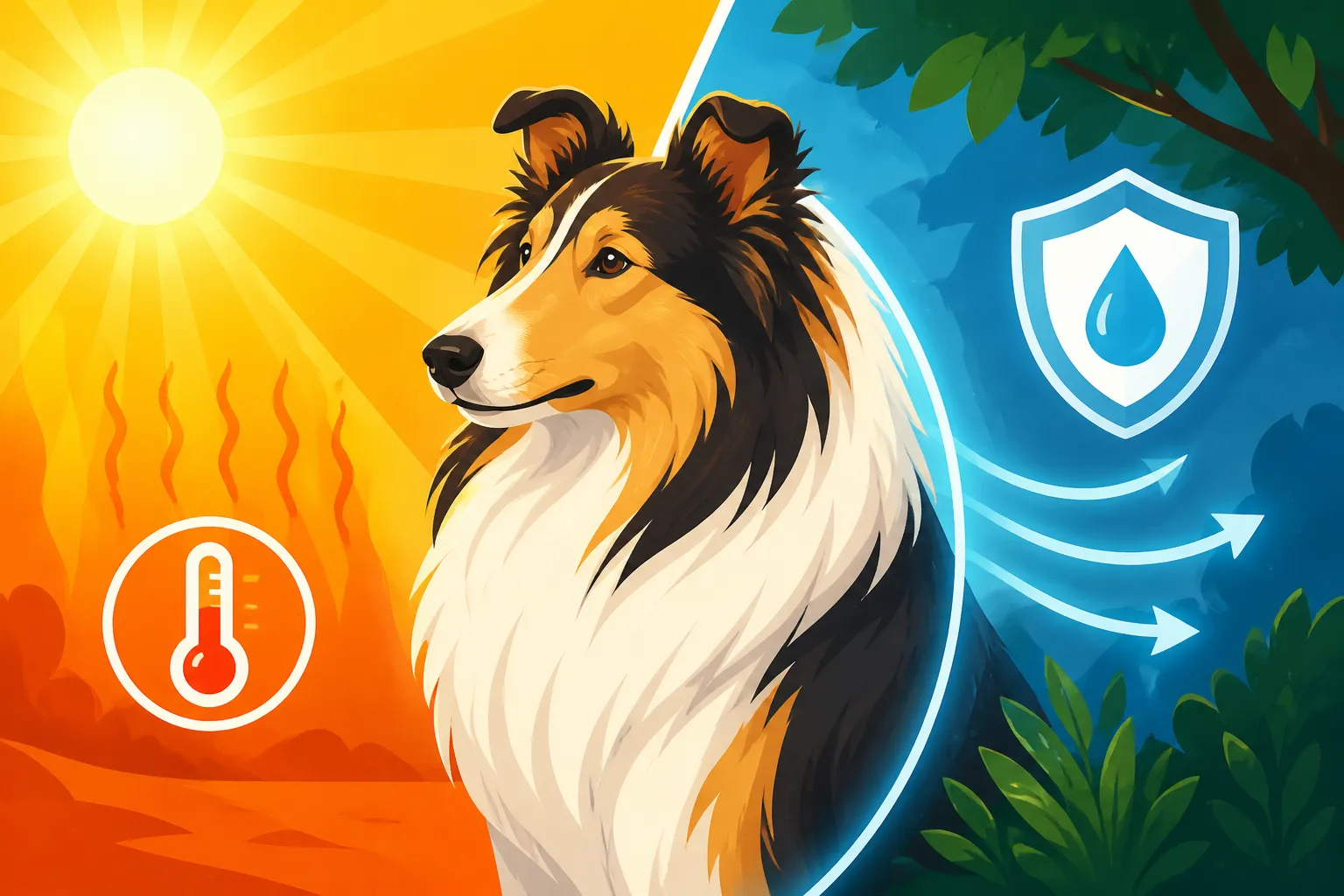
A Collie’s coat is far more complex than just a pretty layer of fur; it's an engineering marvel, evolved over centuries to protect them from the elements. This isn't just about keeping them warm in the biting Scottish winds, but also about regulating their body temperature in warmer conditions. It's a sophisticated system designed by nature itself, and understanding it is key to proper care.
Guard Hairs and Sun Protection
The outermost layer of a Collie's coat consists of long, coarse guard hairs. These aren't just for show; they serve a vital protective function. Think of them as a natural parasol, shielding your Collie's skin from direct sunlight and harmful ultraviolet (UV) rays. Just like a wide-brimmed hat protects your skin, these guard hairs prevent the sun's intense heat from reaching the skin directly, reducing the risk of sunburn, especially in lighter-pigmented areas or on dogs with thinner coats.
Imagine your Collie spending a sunny afternoon outdoors. Without that protective layer, their delicate skin would be exposed to the full force of the sun, leading to painful sunburn, skin irritation, and even an increased risk of skin cancers over time. This outer barrier is their first line of defense against the scorching sun. It helps to keep the air beneath it cooler than the outside temperature, creating a microclimate that benefits your dog.
The Undercoat and Airflow Management
Beneath the protective guard hairs lies the soft, dense undercoat. This fluffy layer is what provides much of the insulation against both cold and heat. It might seem counterintuitive that a thick undercoat helps with heat, but its magic lies in its ability to trap air. This trapped air acts as an insulating barrier, preventing outside heat from penetrating the skin and helping to regulate the dog’s internal temperature.
For this system to work effectively, however, the undercoat needs to be healthy, well-maintained, and free of mats. A properly brushed undercoat allows air to circulate freely. When your Collie sheds, especially during their twice-yearly "coat blow," they are naturally thinning this undercoat, making it less dense for the warmer months. This shedding process is crucial. If the dead undercoat isn't removed through regular brushing, it can become matted and compacted. A matted undercoat doesn't allow for proper air circulation; instead, it becomes a heavy, suffocating blanket that traps heat against the body, making your Collie much hotter and more uncomfortable. This is why consistent grooming, as discussed in How Often a Rough Collie Should Be Brushed, is absolutely essential, particularly when temperatures rise.
Why Shaving a Collie Does More Harm Than Good in the Heat
Despite the common belief that shaving a long-haired dog like a Collie will cool them down, it’s a misconception that can actually be detrimental to their health and comfort. When you shave off their coat, you're not just removing hair; you're dismantling their natural, built-in air conditioning system. This can lead to a host of problems that negate any perceived benefit.
Sunburn and Skin Damage Risks
The moment you shave a Collie, you strip away their primary defense against the sun. Those guard hairs, which we just discussed, are gone. This leaves their sensitive skin directly exposed to UV radiation, making them highly susceptible to painful sunburn. Just like human skin, a dog's skin can burn, leading to redness, blistering, and discomfort. In severe cases, sunburn can cause heat stroke and even increase the risk of skin cancer over time.
Beyond sunburn, a shaved coat can also lead to other skin irritations. Without the protective barrier, their skin is more vulnerable to insect bites, scratches, and scrapes from brushing against plants or rough surfaces. This constant exposure and irritation can cause itching, rashes, and secondary skin infections. Your Collie’s coat isn't just an aesthetic feature; it's a vital part of their dermatological health and overall well-being. Think about how exposed you feel without a shirt on a hot, sunny day; your Collie feels the same when their coat is removed.
Impaired Insulation and Poor Regrowth
Shaving a Collie also compromises their ability to regulate their body temperature, both in heat and cold. The double coat's insulating properties work both ways: keeping them warm in winter and cool in summer by trapping an air layer. When this insulation is removed, their body has to work much harder to maintain a stable temperature. They become less efficient at naturally cooling themselves, potentially leading to faster overheating.
Furthermore, shaving can permanently damage the texture and growth pattern of a Collie's coat. What often happens is that the softer, denser undercoat grows back faster than the coarser guard hairs. This can result in a "woolly" or "cottony" coat that is more prone to matting, less effective at repelling water and dirt, and crucially, much poorer at providing insulation. This condition, sometimes referred to as "clipper alopecia" or "post-clipping alopecia," can mean the coat never returns to its original, healthy state. A good example of this phenomenon is detailed in Whether a Shaved Collie's Coat Grows Back Correctly, highlighting the long-term consequences of shaving. This altered coat is not only aesthetically unappealing but also functionally inferior, making it harder for your Collie to manage their temperature in the future.
Practical Strategies for Keeping Your Collie Cool Safely
Understanding that your Collie's coat is designed for heat regulation means we need to work with it, not against it. There are plenty of effective and safe strategies you can employ to ensure your beloved companion remains comfortable and healthy during warmer weather, without resorting to detrimental shaving.
Grooming for Heat Management
The absolute best thing you can do for your Collie in hot weather is to ensure their coat is impeccably groomed. This means regular, thorough brushing, especially during their major shedding periods, which are often in spring and fall as they "blow" their coat in preparation for seasonal changes. Removing the dead, loose undercoat is paramount. When your Collie is When a Collie Blows Its Coat, they are trying to lighten their natural insulation. If that dead fur isn't brushed out, it creates a dense, felted layer that traps heat and prevents air circulation.
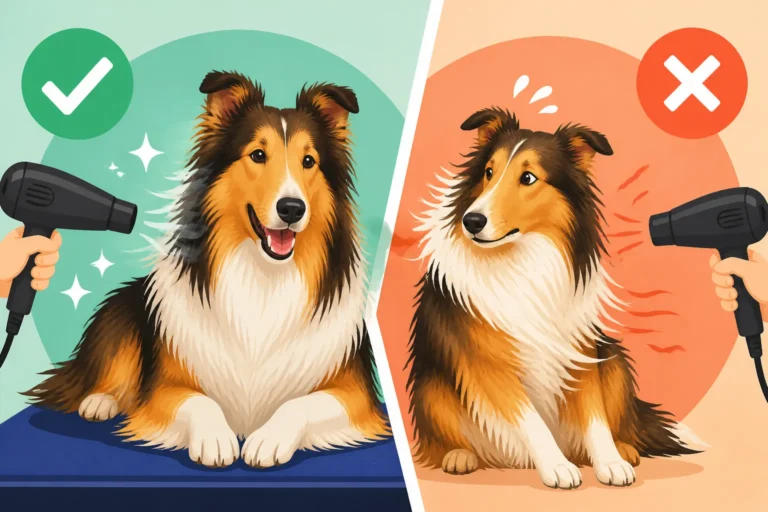
Invest in quality grooming tools. A good undercoat rake or a deshedding tool can work wonders, helping you to gently pull out the dead undercoat without damaging the healthy guard hairs. A high-velocity dryer, similar to professional grooming equipment, is also incredibly effective. After a bath or even just a damp brush-through, a high-velocity dryer can push out loose fur and ensure the coat is thoroughly dry, allowing air to flow freely through the layers. You can find excellent deshedding tools and even compact high-velocity dryers on platforms like Amazon, which can be invaluable for keeping your Collie's coat in top condition. Regular brushing not only helps with temperature regulation but also keeps mats at bay, which, as we know, can be uncomfortable and unhealthy. For more in-depth advice, you might find Whether a High Velocity Dryer Is Worth It for a Collie helpful.
Activity Adjustments and Hydration
Common sense goes a long way here. Adjust your Collie's exercise schedule to avoid the hottest parts of the day. Early mornings and late evenings are ideal for walks, playtime, and any strenuous activity. During midday, keep walks short and focused on potty breaks, rather than long excursions. Stick to shady paths or indoor activities to keep them stimulated without overheating.
Always ensure your Collie has access to fresh, cool water. On walks, bring a portable water bottle and bowl. At home, place multiple water bowls around the house, and consider adding ice cubes to their water to keep it cooler longer. Some Collies even enjoy a shallow kiddie pool in the backyard for splashing and cooling their paws. Cooling mats, which activate with pressure or simply through gel technology, can provide a wonderful cool spot for your Collie to lie on indoors or in the shade. Elevated dog beds, often made with breathable mesh, also help by allowing air to circulate all around their body, rather than having them lie directly on a hot surface. These types of products, from large, sturdy water bowls to cooling mats and elevated beds, are readily available at pet supply retailers like Chewy.
Recognizing Heat Stress and Seeking Help
Even with the best precautions, it's crucial to know the signs of overheating in your Collie, as their dense coat can make them more susceptible if not managed properly. Heatstroke is a serious, life-threatening condition that requires immediate attention.
Here's a table to help you compare appropriate care with harmful practices:
| Feature | Proper Grooming & Care in Heat | Shaving (Detrimental Practice) |
|---|---|---|
| Coat Function | Natural insulation, sun protection, and airflow regulation. | Removed, disrupting natural thermal regulation and protection. |
| Sun Protection | Guard hairs shield skin from UV rays. | Skin fully exposed, high risk of sunburn and skin damage. |
| Air Circulation | Healthy, brushed undercoat allows air to flow through layers. | None through hair; skin directly exposed to ambient air. |
| Insulation | Traps a layer of air to keep heat out (and warmth in winter). | No insulating layer, body works harder to cool. |
| Skin Health | Protected from elements, less prone to irritation and bug bites. | Vulnerable to sunburn, bug bites, scrapes, and skin infections. |
| Coat Regrowth | Maintains natural texture, color, and function. | Can lead to "clipper alopecia," coarse or woolly coat, matting. |
| Cooling Method | Environmental management, hydration, shaded rest, judicious activity. | Relies on direct skin exposure, which is less efficient and risky. |
Signs of heat stress include:
- Excessive panting: More rapid and heavy than usual, often with the tongue hanging out further.
- Drooling: Thick, ropey saliva.
- Bright red gums: A sign of increased blood flow trying to cool the body.
- Lethargy or weakness: Your Collie might seem unusually tired or stumble.
- Vomiting or diarrhea: These are serious signs of heatstroke.
- Disorientation or collapse: They might seem confused, lose coordination, or pass out.
If you suspect your Collie is overheating, act quickly. Move them to a cooler, shady spot immediately. Offer them small amounts of cool (not ice cold) water. Apply cool, wet towels to their paw pads, groin, and armpits – areas where blood vessels are close to the surface. Do not immerse them in ice water, as this can cause shock. Most importantly, contact your veterinarian right away. Heatstroke is an emergency, and professional medical intervention can be life-saving. Understanding these critical warning signs is just as important as knowing how to maintain your Collie’s coat, ensuring their health and safety in warmer temperatures.
Disclaimer
This article is for general informational purposes only and does not constitute professional advice. Laws, prices and regulations vary by location and change over time. Consult a qualified professional for guidance on your specific situation.