What an Adult Male Collie Weighs
One of the most common questions I hear from new Collie owners, or even seasoned ones eyeing their fluffy companion, is about their weight. It's tricky with all that magnificent coat, isn't it? You look at your male Collie, and he just seems… big. But is it muscle, bone, or just a whole lot of glorious hair? This guide is going to strip away the confusion (figuratively, of course!) and help you understand the ideal weight for an adult male Collie, what influences it, and how to ensure your loyal companion stays healthy and happy for years to come.
Understanding the Ideal Weight Range for a Male Collie
It’s easy to get fixated on a single number when it comes to your dog’s weight, especially if you’re used to human weight charts. But with Collies, just like with people, there’s a healthy range, not a magic number. And that range can fluctuate based on a few key characteristics, all while still being perfectly healthy.
The Official Breed Standard for Weight
When we talk about an "ideal" weight for a male Collie, we're really looking at what the breed standard describes. These standards are developed by national kennel clubs, like the American Kennel Club, and they aim to outline the perfect specimen of the breed. For adult male Collies, the typical weight range is usually cited as 60 to 75 pounds. This isn't just an arbitrary figure; it's a reflection of the breed's purpose and structure. Collies were bred as active herding dogs, requiring a balance of strength, agility, and stamina. A dog too heavy would be cumbersome in the field, while one too light might lack the necessary substance to do the job.
It’s crucial to remember that this is a range. A 62-pound male Collie can be just as healthy and well-proportioned as a 73-pound one. The key is balance and overall condition. The standard often emphasizes a look of "dignity and intelligence," and that includes a body that moves freely and powerfully, not one that struggles with excess bulk or appears too fine-boned. It's about the whole picture – height, bone, muscle, and yes, weight – all contributing to the breed's distinctive elegance.
Rough vs. Smooth Collie and Weight
Now, let's talk about the coat! When you first meet a Rough Collie, you're immediately struck by their abundant, flowing mane, frill, and feathered legs. A Smooth Collie, on the other hand, presents a sleek, short coat that immediately reveals their underlying physique. Does this difference in coat mean a difference in weight? Not necessarily in terms of the actual skeletal and muscular structure.
Both Rough and Smooth Collies are, fundamentally, the same breed, simply with different coat varieties. This means their bone structure, muscle mass, and overall body type should ideally fall within the same parameters. However, the thick, double coat of a Rough Collie can be incredibly deceptive. A Rough Collie that is actually quite slender underneath might appear much larger than they are, simply because of the sheer volume of their fur. Conversely, a Smooth Collie will show any weight gain or loss much more readily. You can easily see their ribs, waist, and hip bones. So, while the official weight range applies to both, your visual assessment will differ significantly. This is why learning to feel your Collie's body condition through their coat is so incredibly important, a topic we'll dive into deeper soon. For more on their counterparts, you might be interested in What an Adult Female Collie Weighs.
What's "Too Heavy" or "Too Light" on the Scale
Falling outside that 60-75 pound range doesn't automatically spell disaster, but it does warrant closer attention. A male Collie weighing 80 pounds might not be inherently unhealthy if he's exceptionally tall and powerfully built, but it does increase the risk of being overweight. Similarly, a 55-pound male Collie might be perfectly fine if he's on the smaller side of the height standard and has a lean, athletic build, but it could also signal an underlying issue if he's meant to be larger.
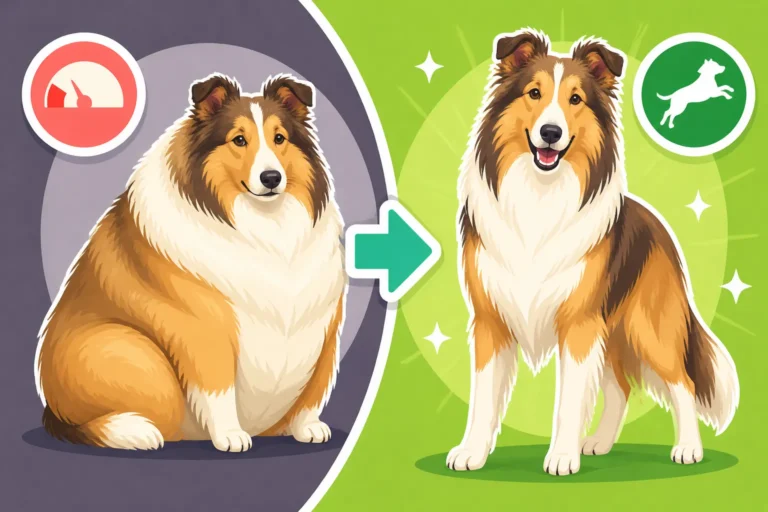
The real danger isn't just the number on the scale, but what that number represents in terms of body composition. A Collie that is too heavy carries excess fat, which puts strain on their joints, heart, and other organs, increasing the risk of diseases like diabetes, arthritis, and certain cancers. It can also significantly impact their mobility and overall quality of life. On the flip side, a Collie that is too light might not be getting adequate nutrition, could have digestive issues, or an underlying medical condition. Both extremes can shorten a Collie's lifespan and diminish their vitality. Understanding the nuances here is key to providing optimal care.
Factors Influencing a Male Collie's Weight
Your Collie isn't just a static figure; he's a dynamic, living being whose weight is a result of a complex interplay of factors. Understanding these influences can help you better manage his health and anticipate potential changes.
Genetics and Lineage
Just like in people, genetics play a massive role in a Collie's build and natural weight. Some Collie lines are known for being larger-boned and more substantial, even within the breed standard, while others tend to be finer and more athletic. You might notice this if you've seen multiple Collies from the same breeder or family tree; they often share a certain "type." If your Collie comes from a lineage of consistently larger, heavier-set dogs, he might naturally lean towards the higher end of the 60-75 pound range, while still being perfectly healthy and well-proportioned for his frame.
Conversely, if his parents and grandparents were all on the leaner, more elegant side, he might naturally fall at the lower end. This isn't something you can change, nor should you try to force a Collie into a weight category that doesn't suit his genetic blueprint. What's important is working with his natural tendencies to ensure he's a healthy weight for his individual genetic makeup, rather than trying to fit him into a rigid mold. This is why a good breeder will be transparent about the size and build of their breeding stock, giving you a better idea of what to expect from your puppy.
Age and Growth Patterns
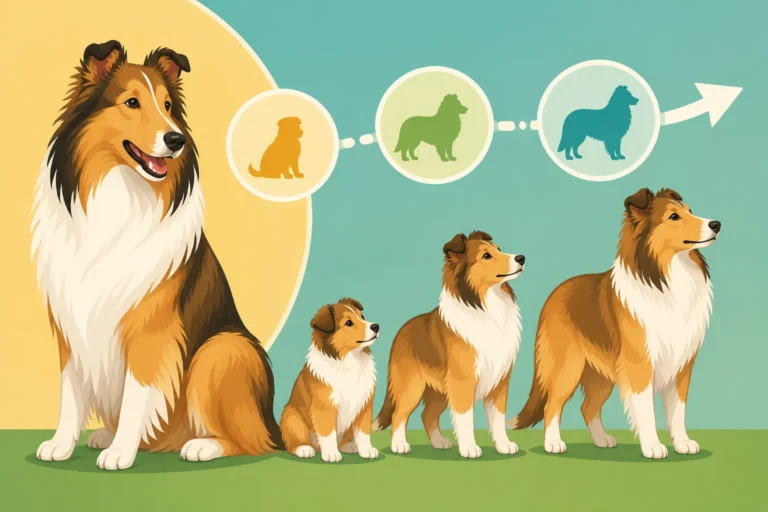
A Collie's weight isn't constant throughout his life; it changes significantly as he matures. A male Collie puppy will grow rapidly, gaining weight as he fills out his frame. Most Collies reach their full height by around 12-18 months, but they continue to fill out and add muscle and bone density until they're closer to two or even three years old. The Age a Collie Reaches Full Weight is an important milestone to understand. During puppyhood, you'll be feeding him a specific large breed puppy formula to support his rapid growth without growing too fast, which can lead to joint issues. Knowing What a Collie Puppy Should Weigh by Month can help you track his progress.
As they enter adulthood, their weight should stabilize. However, as they age into their senior years, their metabolism can slow down, and their activity levels might decrease. This can make them prone to weight gain, even if their food intake hasn't changed. On the other hand, some senior Collies may experience weight loss due to dental problems, underlying health conditions, or decreased appetite. This is why continuous monitoring, even for older dogs, is so vital. Adjustments to diet, perhaps moving to Whether an Old Collie Needs Softer Food, and exercise routines become critical during these life stages.
Activity Level and Muscle Mass
This factor is huge for Collies! They are, at heart, herding dogs, meaning they were bred for activity and endurance. A male Collie who gets regular, vigorous exercise – daily walks, playtime in the yard, maybe even some dog sports like rally or agility – will naturally be leaner and more muscular than a Collie who spends most of his day lounging on the couch. Muscle tissue weighs more than fat, so a highly conditioned, athletic Collie might weigh a bit more than a sedentary one of the same size, but he'll be much healthier and look much more fit.
Think about a human athlete versus someone who rarely exercises; they might be the same height, but their body composition and weight can be vastly different. The same applies to your Collie. A Collie with strong, well-defined muscles in his hindquarters and a lean abdomen is a picture of health, regardless of whether he's at the lower or upper end of the breed standard's weight range. If your Collie's activity level changes, perhaps due to injury, illness, or simply a shift in your family's routine, his caloric needs will also change, and his weight will likely follow suit. This is a primary reason why you might need to adjust his food intake to match his energy output.
Diet and Nutrition
What goes into your Collie's bowl is perhaps the most direct influence on his weight. The type of food, its caloric density, and the portion sizes all contribute to whether he maintains, gains, or loses weight. Feeding a high-quality, balanced diet specifically formulated for large breeds is a great starting point. Many owners choose brands found easily on platforms like Chewy or specialty pet stores that offer diverse options.
It's tempting to free-feed, leaving kibble out all day, but for Collies, especially those prone to a bit of extra padding, measured meals are crucial. Understanding How Much an Adult Collie Eats is more than just reading the bag; it's about tailoring it to your dog's specific needs. Treats, table scraps, and training rewards also add up, and it’s easy to underestimate their caloric contribution. For a dog that's neutered, you might find yourself facing the question of Whether a Neutered Collie Gains Weight, which often requires a slight reduction in caloric intake due to metabolic changes. Even the choice of kibble, whether it's a standard formula or something like Ollie's fresh food plans, can impact how your Collie maintains his physique. A truly attentive owner considers every bite.
Keeping Your Male Collie at a Healthy Weight
Achieving and maintaining a healthy weight for your male Collie is an ongoing process, a partnership between you and your vet. It's about being observant, consistent, and proactive.
Regular Weight Monitoring and Body Condition Scoring
Because of their magnificent double coats, simply looking at a Rough Collie can be incredibly misleading when it comes to assessing their weight. What appears to be a robust, well-fed dog might actually be carrying an extra ten pounds underneath all that fluff! This is where hands-on assessment, known as Body Condition Scoring (BCS), becomes your most valuable tool.
You should regularly run your hands over your Collie's body, especially along his ribs, spine, and waist.
- Ribs: You should be able to easily feel his ribs without pressing hard, much like feeling the knuckles on your hand when your palm is open and flat. If you can see the ribs, he might be too thin. If you have to press firmly to feel them, he's likely overweight. How to Feel a Collie's Ribs Through the Coat is a skill every Collie owner needs.
- Waist: From above, your Collie should have a noticeable waist tucking in slightly behind his ribs. From the side, his abdomen should tuck up slightly, rather than hanging straight or bulging.
- Spine and Hip Bones: You should be able to feel his spine and hip bones with a light touch, but they shouldn't protrude sharply.
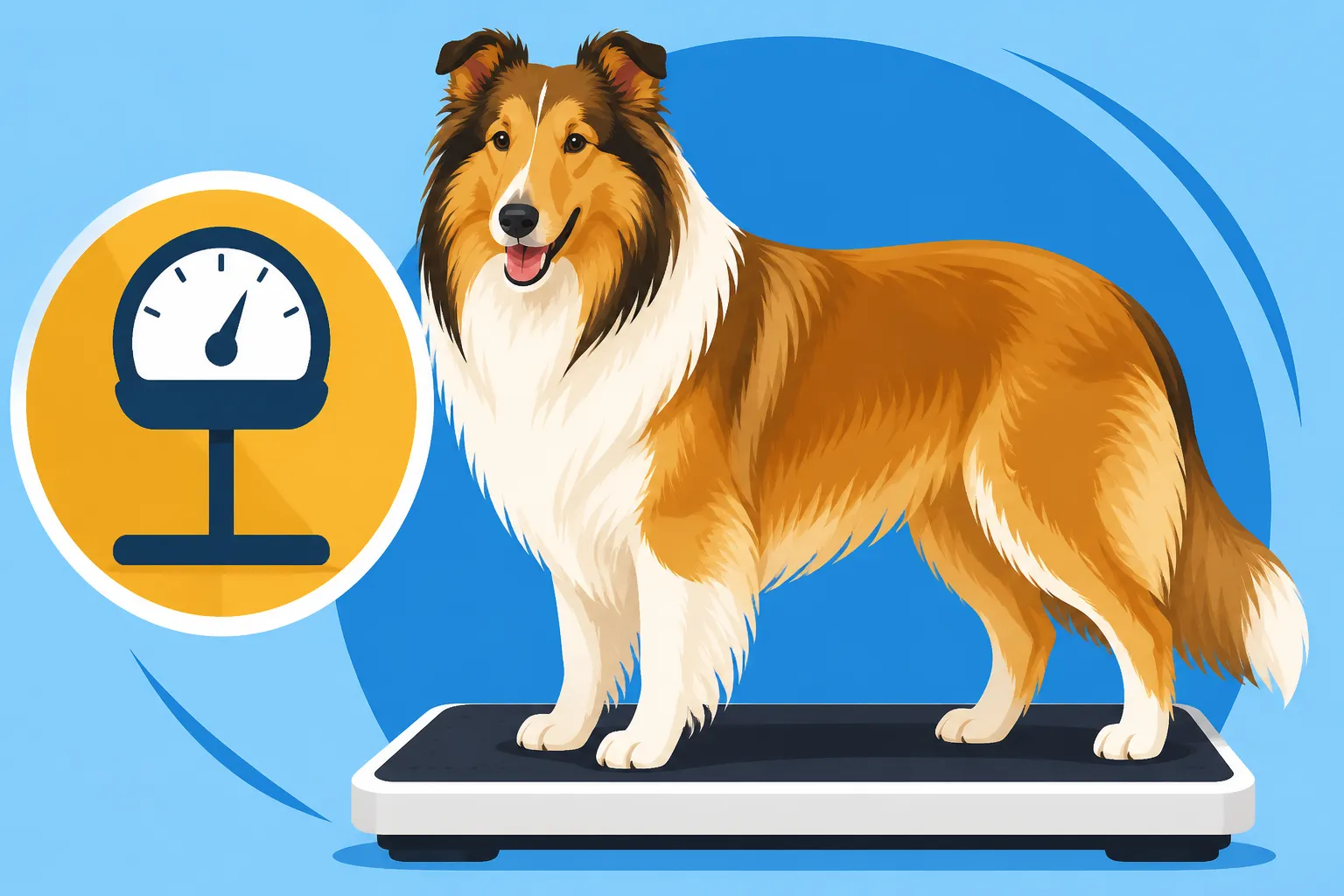
It's a good idea to weigh your Collie regularly at your vet's office or even at home if you have a large enough scale. Keep a log of his weight, perhaps monthly or every couple of months, so you can spot trends. If you notice a significant change up or down, it's a good prompt to reassess his diet and exercise, and potentially consult your vet.
Tailoring Diet to Activity and Age
The feeding guidelines on the back of any dog food bag are just that: guidelines. They provide a starting point, but your individual Collie's needs will vary. A young, active male Collie burning through energy playing fetch and doing obedience classes will require more calories than an older, more sedate Collie who prefers gentle strolls.
- Adjust Portions: If your Collie starts to gain weight, don't immediately switch foods; try slightly reducing his portion size. If he's looking a bit too lean, a slight increase might be in order. Make these changes gradually and monitor the results over a few weeks.
- Consider Calorie Density: Not all dog foods are created equal. Some are much more calorie-dense than others. If your Collie is gaining weight on a seemingly appropriate portion, you might need to switch to a food with fewer calories per cup. Conversely, if he struggles to maintain weight, a more energy-dense formula could help. Platforms like Amazon and Chewy offer a wide array of food choices, so you can easily compare nutritional information.
- Limit Treats: Treats are often a hidden source of extra calories. While wonderful for training and bonding, they should be given in moderation. Consider using low-calorie options or even small pieces of plain cooked vegetables as healthy rewards.
- Life Stage Formulas: Puppy, adult, and senior formulas are designed to meet the changing nutritional needs of dogs at different life stages. For example, a "large breed puppy" formula (mentioned in Whether a Collie Needs a Large Breed Puppy Food) is critical for proper growth, while a senior formula might have fewer calories and added joint support. Feeding a Collie Through Its Growth and Its Coat delves deeper into these nutritional transitions.
Exercise, Enrichment, and Mental Stimulation
Exercise is not just about burning calories; it's about building and maintaining healthy muscle mass, improving cardiovascular health, and keeping your Collie mentally stimulated. A well-exercised Collie is generally a happy Collie, and less likely to engage in boredom-induced behaviors, or to pack on unnecessary pounds.
- Daily Activity: Aim for at least 45 minutes to an hour of moderate to vigorous exercise daily. This can include brisk walks, jogging, playing fetch in a secure yard, or even swimming if your Collie enjoys it. Remember, Collies are intelligent and enjoy having a purpose, so varying their activities keeps them engaged.
- Mental Engagement: Collies are smart and need their brains worked as much as their bodies. Puzzle toys, training sessions, scent work, or even just learning new tricks can burn mental energy and contribute to overall well-being, reducing the likelihood of boredom eating.
- Dog Sports: Consider exploring dog sports like Rally, Obedience, or even Herding. These activities provide fantastic physical and mental outlets and can greatly contribute to a healthy, athletic physique.
- Consistency is Key: Just like with diet, consistency in exercise is crucial. Sporadic bursts of activity followed by long periods of inactivity aren't as effective as a steady, regular routine.
Recognizing When Your Collie's Weight is Off
It's one thing to know the ideal range, but it's another to spot when your own Collie is straying from that healthy path. Both being underweight and overweight can have serious health implications, so early recognition is vital.
Signs of Being Underweight
While less common in adult Collies than being overweight, an underweight Collie is a red flag that shouldn't be ignored. Due to their heavy coat, it can be hard to notice this initially, especially in a Rough Collie. You're looking for more than just visible ribs.
- Prominent Bones: When you run your hands along your Collie's body, you might easily feel his ribs, spine, and hip bones without any fat or muscle padding over them. They might feel sharp or bony.
- Sunken Flanks: The area just in front of his hind legs (his flanks) might appear sunken or hollow.
- Lack of Energy/Lethargy: While a healthy Collie is active, an underweight one might appear listless, tire easily, or have noticeably less stamina during walks or playtime.
- Poor Coat Condition: A dull, dry, or sparse coat can sometimes be a sign of inadequate nutrition or an underlying health issue contributing to weight loss.
- Muscle Loss: You might notice a decrease in muscle definition, particularly in the hindquarters.
If your Collie is consistently eating but losing weight, or simply isn't gaining despite increased food, it's time for a vet visit. It could indicate parasites, malabsorption issues, dental pain, or more serious systemic diseases.
Signs of Being Overweight
This is the more common struggle for many Collie owners, primarily because that magnificent coat can hide a multitude of sins! It's easy to dismiss a few extra pounds as "just fluff." However, Signs a Collie Is Overweight Under All That Coat can be subtle but important.
- Difficulty Feeling Ribs: As mentioned, if you have to press hard to feel his ribs, or can't feel them at all, he's carrying too much fat.
- No Visible Waist: When viewed from above, your Collie's body might look more like a straight line or even bulge out, rather than tapering in at the waist. From the side, his abdomen might not tuck up, appearing saggy instead.
- Panting with Minimal Exertion: If your Collie is panting heavily after a short walk or light play, it could be a sign that his body is working harder than it should due to excess weight.
- Reluctance to Move: An overweight Collie might be less enthusiastic about walks, slower to get up, or hesitant to jump into the car. Joint pain, exacerbated by extra weight, can contribute to this.
- Overall Larger Appearance (even for a Smooth): Even without the fluffy coat, an overweight Smooth Collie will appear distinctly rounder and less athletic than he should.
- Behavioral Changes: Sometimes, increased begging for food or lethargy can be subtle indicators.
Getting Weight Off a Collie involves a committed plan of diet adjustment and increased exercise. It's not a quick fix, but a gradual, sustained effort. Remember, Whether a Collie's Weight Shortens Its Life is a serious consideration – preventing obesity can add years to your dog's life.
When to Consult Your Veterinarian
Your veterinarian is your best partner in managing your Collie's weight and overall health. Don't hesitate to reach out if you have concerns.
- Sudden Weight Changes: Any rapid, unexplained weight gain or loss should always prompt a vet visit. This can be an early indicator of serious underlying health issues, from thyroid problems to organ disease or even cancer.
- Difficulty Assessing Weight: If you're genuinely unsure whether your Collie is at a healthy weight, or if his body condition score is consistently difficult to gauge, your vet can provide an objective assessment. They have experience feeling through thick coats and can give you an accurate picture.
- Lack of Progress: If you've been diligently adjusting diet and exercise but aren't seeing the desired results, your vet can help. They can rule out medical conditions that might be interfering with weight management or provide a customized plan.
- Changes in Appetite or Energy: These, coupled with weight changes, are often signs that something is amiss.
- Dietary Advice: Your vet can offer guidance on appropriate food choices, portion sizes, and strategies for healthy weight loss or gain.
A healthy weight is a cornerstone of a long, happy life for your male Collie. By understanding the breed standard, recognizing individual variations, and diligently monitoring his condition, you'll be well-equipped to keep him in top shape.
| Body Condition | Visual Cues (Harder for Rough Collies) | Tactile Cues (Feel Through Coat) | Health Implications |
|---|---|---|---|
| Underweight | Ribs, spine, hip bones easily visible. Minimal body fat. | Ribs, spine, hip bones feel sharp, no padding. Sunken flanks. | Poor immune function, weakness, nutrient deficiencies. |
| Ideal Weight | Ribs not visible but easily felt. Obvious waist. | Ribs easily felt with light pressure. Waist distinct. Good muscle tone. | Optimal health, good mobility, lower disease risk. |
| Overweight | Ribs not visible, waist absent or barely discernible. | Hard to feel ribs without firm pressure. No waist. Fatty deposits over hips/tail base. | Joint strain, heart disease, diabetes, reduced lifespan. |
Disclaimer
This article is for general informational purposes only and does not constitute professional advice. Laws, prices and regulations vary by location and change over time. Consult a qualified professional for guidance on your specific situation.