Whether a Collie’s Frill Gets Food In It
Anyone who shares their home with a beautiful Rough Collie knows the struggle: that magnificent mane, that glorious frill, which is truly a sight to behold, also seems to have a magnetic attraction to everything edible (and often, inedible) your dog encounters. If you've ever found kibble crumbs embedded deep in their chest ruff, or seen a soggy, gravy-stained beard after dinner, you're not alone. This guide will walk you through the undeniable truth of messy Collie frills and offer realistic, actionable tips to keep your beloved companion clean, comfortable, and healthy, even through the most enthusiastic meal times.
The Reality of the Collie Frill and Food
Let's be honest, that stunning, flowing coat is a double-edged sword when it comes to keeping a Collie pristine. The sheer volume and length of hair, especially around their neck and chest, makes it a prime target for food and water. It's not just a matter of aesthetics; a chronically messy frill can lead to real discomfort and even health issues for your dog.
What Exactly Is the Collie Frill?
When we talk about the "frill" on a Collie, we're really referring to the generous, often luxuriant, longer hair that adorns their neck, chest, and shoulders. It's part of what gives the Rough Collie their distinct, regal appearance, creating that beautiful framing around their face and contributing to their noble profile. This dense growth includes the "mane" (around the neck) and the "frill" or "ruff" (on the chest and shoulders), forming a protective, insulating barrier. It's designed by nature to shield them from the elements and look absolutely breathtaking.
However, this glorious adornment, while stunning, is also perfectly positioned to intercept every stray drop of water, every dropped piece of kibble, and every smear of wet food. It's like a built-in bib that's always on, but never quite works as intended to repel the mess. The hairs are long and often soft, making them excellent at absorbing liquids and holding onto crumbs, creating a challenging situation for diligent owners.
The Inevitable Encounter with Food and Water
The simple answer to "Does a Collie's frill get food in it?" is a resounding, unapologetic YES. It's not a question of if but how much and how often. Picture this: your Collie approaches their water bowl for a drink. Their long muzzle dips, their lower jaw and the underside of their frill inevitably make contact with the water, and when they lift their head, water drips down, soaking into the soft hair around their neck and chest. It's an automatic wet beard, every single time.
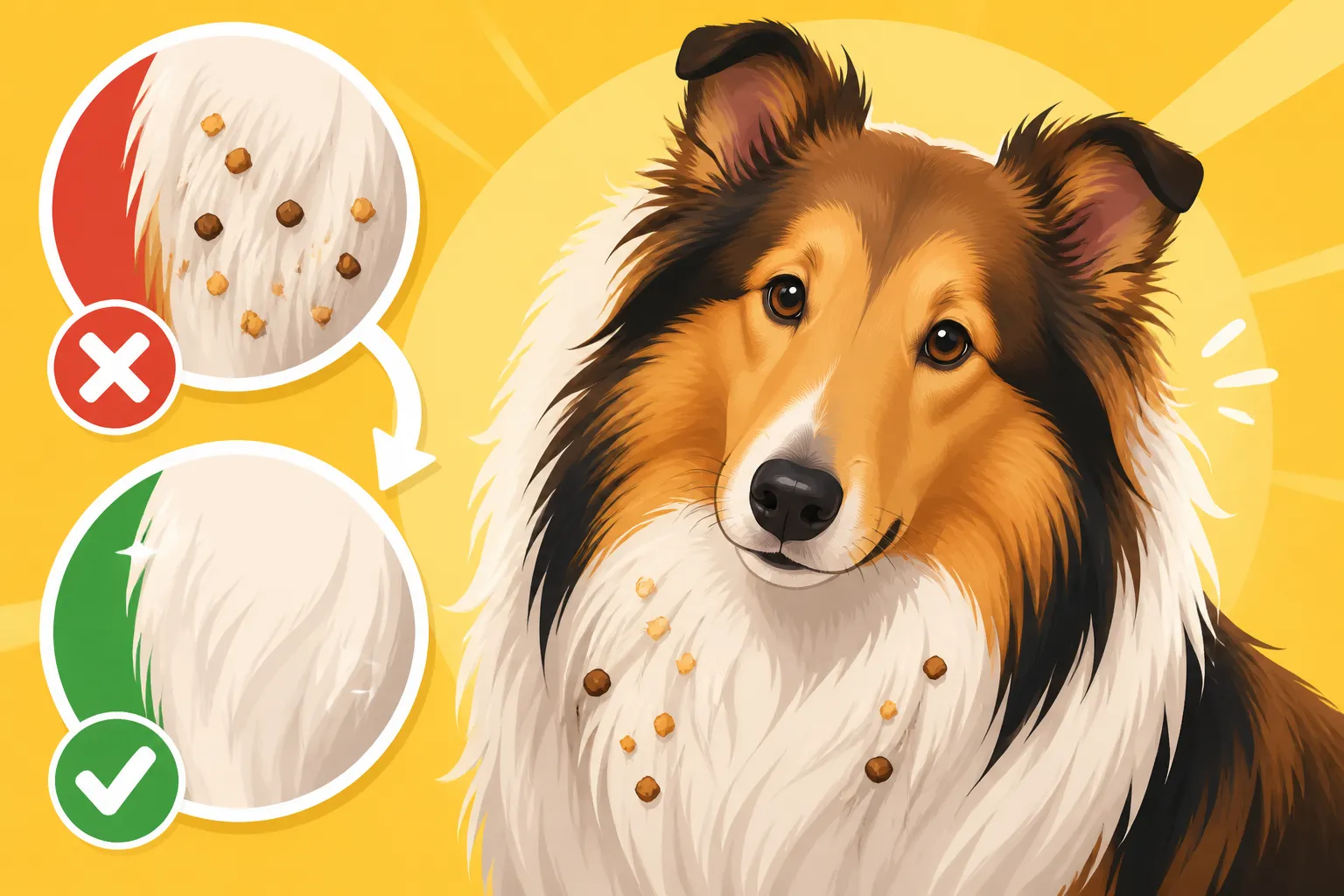
Now, imagine mealtime. Whether it's dry kibble or a more moist, gravy-laden meal, the scenario repeats. As your Collie lowers their head to eat, the frill drapes over the bowl's edge, brushing against the food. Enthusiastic eaters might even "face-plant" a little, ensuring maximum contact. Kibble dust, bits of meat, or gravy cling to the fine hairs. If you feed any kind of raw or homemade diet, the stickiness factor multiplies, turning that beautiful white ruff into a tapestry of dinner leftovers. Even if they are generally tidy, gravity and enthusiastic eating habits ensure some level of food transfer.
Factors That Increase the Frill Mess Factor
Several things can turn a minor mealtime smudge into a full-blown culinary disaster for your Collie's frill. Understanding these can help you strategize your approach to cleanliness.
- Bowl Design: This is a huge one. Wide, shallow bowls, while sometimes recommended for other breeds, are practically designed to catch every strand of a Collie's frill. The entire lower face and neck can become submerged in food or water. Conversely, bowls that are too deep might make your Collie struggle to reach the bottom comfortably, leading to more awkward angles and increased contact with the bowl's sides and contents.
- Eating and Drinking Style: Some Collies are dainty eaters, taking small, neat bites. Others are enthusiastic devourers, shoveling food in with gusto, perhaps even shaking their head slightly to get a particularly tasty morsel. The latter, while endearing in its eagerness, is naturally going to create more collateral damage on their coat. The same goes for drinking; a rapid, slurping drinker will make more of a splash than a gentle lapper.
- Food Consistency: Wet food, especially those with gravies or sauces, are the most notorious culprits. They stick, they stain, and they are harder to simply brush off. Crumbly dry kibble might leave behind dust and small pieces that embed themselves deep in the undercoat. Even greasy treats can leave a lasting residue on the frill that attracts more dirt over time.
- Age and Experience: Believe it or not, Collie puppies can be even messier than adults! They haven't quite mastered the art of eating gracefully, and their movements are often more clumsy and uncoordinated. Their frills, while not as voluminous as an adult's, are still there to catch every dropped crumb. An older Collie, especially one with vision issues or arthritis, might also find it harder to eat neatly, leading to more frill entanglement.
Practical Strategies for Keeping the Frill Clean During Meals
Knowing the challenges is the first step; now let's talk solutions. There are several effective strategies you can employ to minimize the mess and protect that gorgeous Collie frill during meal and drink times. It's about proactive prevention, not just reactive cleaning.
Choosing the Right Food Bowls and Feeders
Believe it or not, the right bowl can make a significant difference. It's not a one-size-fits-all situation, and you might need to experiment a bit to find what works best for your individual Collie.
- Elevated Bowls: For many Collies, elevated bowls can be a real game-changer. When your dog doesn't have to bend their neck so far down, their frill is less likely to drape into the food or water. This also helps with digestion and can be more comfortable for older dogs or those with joint issues. Just make sure the height is appropriate for your Collie's stature – you don't want them straining upwards either. You can find a wide variety of elevated feeders, often with adjustable heights, on sites like Chewy or at your local pet supply store.
- Narrow, Deep Bowls (Especially for Water): For water, a narrow, deeper bowl can reduce how much of the frill comes into contact with the water's surface. Your Collie's muzzle dips in, but the ruff remains relatively dry around the edges. However, be cautious here: ensure the bowl isn't so narrow or deep that your Collie finds it uncomfortable or difficult to drink adequately. Hydration is paramount, so observe them closely. Some specialized "no-splash" or "long-eared dog" bowls are designed with an inward-curving rim that can also help.
- Slow Feeders: If your Collie is an enthusiastic gobbler, a slow feeder can help. By extending mealtime and making them work a little for their food, it often reduces the frantic "face-diving" that leads to massive frill messes. Less rapid eating can mean less food scattered and less aggressive contact with the bowl, which translates to a cleaner frill.
The Mighty Snood: A Game Changer
If you're tired of battling soggy, food-encrusted frills, the snood is your secret weapon. For many Collie owners, it's an indispensable tool.
- What is a Snood? Simply put, a snood is a tube of fabric – usually a stretchy, soft material like fleece, satin, or even cotton knit – that slips over your dog's head and neck, effectively holding their ears and frill back and up. Think of it like a chic, functional hairnet for your Collie.
- How to Use It: You gently gather your Collie's long ear hair and their frill, then slide the snood over their head, securing it around their neck so that all the long hair is tucked safely inside. It keeps the hair completely out of the food bowl and away from dripping water.
- Benefits: Beyond just cleanliness, a snood can prevent matting caused by wet food or water drying into the coat. It also saves you a lot of immediate post-meal cleanup. Many Collies take to them quite well, especially if introduced positively with treats. You can find snoods designed for specific breeds or general "long-eared dog" snoods easily online, including on Amazon. They come in various sizes and fun patterns, so your Collie can dine in style!
- When to Use It: Primarily during meals and when drinking water. You might also find it useful if your Collie enjoys particularly messy chews or long-lasting stuffed toys that could get sticky. It’s not something they wear all day, but rather a temporary piece of protective gear.
Adjusting Feeding Techniques
Sometimes, it's not just about the tools, but about how you feed your Collie. A few tweaks to your routine can also make a difference.
- Smaller, More Frequent Meals: If your Collie tends to make a huge mess because they're ravenous, breaking their daily food allowance into two or three smaller meals might help. They might approach each smaller meal with less urgency, leading to a tidier eating experience. This can also aid digestion and prevent issues like Bloat in a Deep Chested Collie.
- Hand-Feeding Messy Treats: For particularly sticky treats or special "enrichment" meals that involve spreading wet food or peanut butter, consider hand-feeding or supervising closely. You can guide their head to minimize contact with their frill, or at least be ready with a damp cloth the moment they finish. This allows them to enjoy the treat without you dreading the cleanup.
- Supervised Meal Times for Immediate Cleanup: Rather than just putting the bowl down and walking away, try to be present during meal times. This allows you to immediately wipe away any drips or crumbs that adhere to the frill before they dry and become embedded. A quick wipe-down right after they finish can prevent much larger grooming headaches later.
Dealing with a Messy Frill: Cleaning and Prevention
No matter how many preventative measures you take, some mess is inevitable. The key is to have a routine for cleaning and maintaining your Collie's frill to keep it healthy and beautiful. Regular attention prevents minor inconveniences from escalating into more serious issues.
Immediate After-Meal Cleanup Routine
This is probably the most crucial step for maintaining a clean frill. Just like you'd wipe a toddler's face after dinner, your Collie benefits from immediate attention.
- Gentle Wiping with a Damp Cloth: Keep a designated "mealtime cloth" handy. Immediately after your Collie finishes eating or drinking, gently wipe down the area around their mouth, chin, and the underside of their frill. A soft, warm, damp cloth is usually sufficient for fresh food debris. Pay special attention to the folds of skin and corners of the mouth where food can really get trapped.
- Using Pet-Safe Wet Wipes: For quick touch-ups or when you're on the go, pet-safe grooming wipes are incredibly convenient. They can quickly remove sticky residue and prevent it from drying into the coat. Just ensure they are formulated for pets, free of harsh chemicals, and don't leave a strong scent that might irritate your Collie.
- Checking for Trapped Food Bits: This is especially important if you feed kibble or any chunky food. Small pieces can get caught deep within the dense hair around the chin and chest. Gently run your fingers through the frill, particularly after wet meals, to dislodge any hidden morsels. If left, these can become breeding grounds for bacteria or cause matting.
Regular Grooming to Maintain Frill Health
Beyond the immediate cleanup, consistent grooming is vital for a healthy, clean frill. The frill is one of the most prone areas for matting due to its length and location.
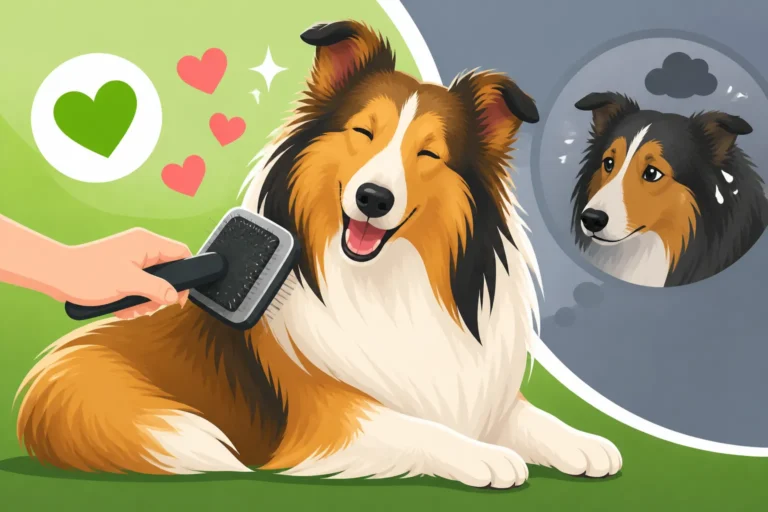
- Daily Brushing: The frill, along with the "petticoat" (the long hair on the belly and hindquarters) and the hair behind the ears, are notorious mat magnets. Daily brushing, even for just a few minutes, through the frill is non-negotiable. This not only removes any residual food particles that might have been missed by wiping but also prevents mats from forming where food and moisture might have made the hair sticky. Neglecting this can quickly lead to painful tangles. You can read more about essential tools and techniques in Four Tools and Twenty Minutes: Brushing a Rough Collie.
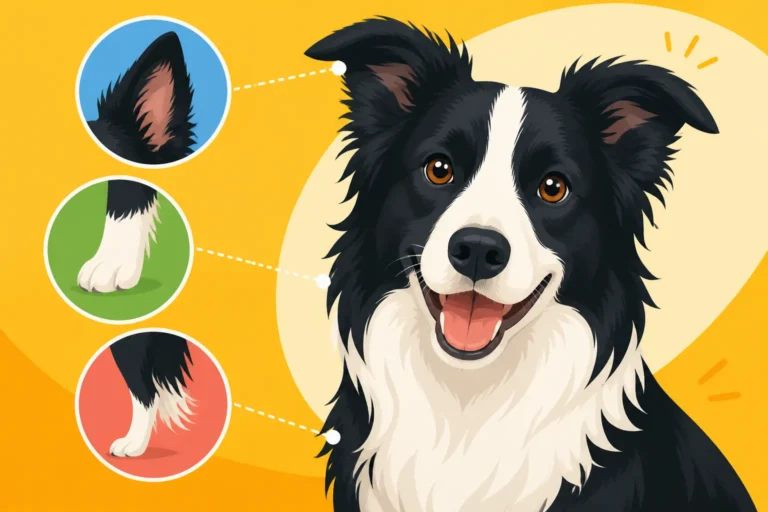
- Focus on Prone Areas: When brushing, concentrate on the underside of the chin, the entire chest frill, and where the frill meets the front legs. These are high-contact areas that pick up the most debris and are most likely to tangle. Be gentle but thorough, ensuring you get down to the skin. Remember, mats start close to the skin and tighten with movement. For more on this, check out Where a Collie Mats First.
- Importance of a Clean Frill for Overall Coat Health: A clean, unmatted frill isn't just about good looks; it's about the health of the entire coat. Mats can pull on the skin, causing pain and irritation. They can also hide skin infections, parasites, or even wounds. Keeping the frill pristine contributes to your Collie's overall comfort and skin health.
Addressing Stubborn Stains and Odors
Sometimes, despite your best efforts, your Collie's frill might develop stains or an unpleasant odor, particularly if they're a sloppy eater or drinker.
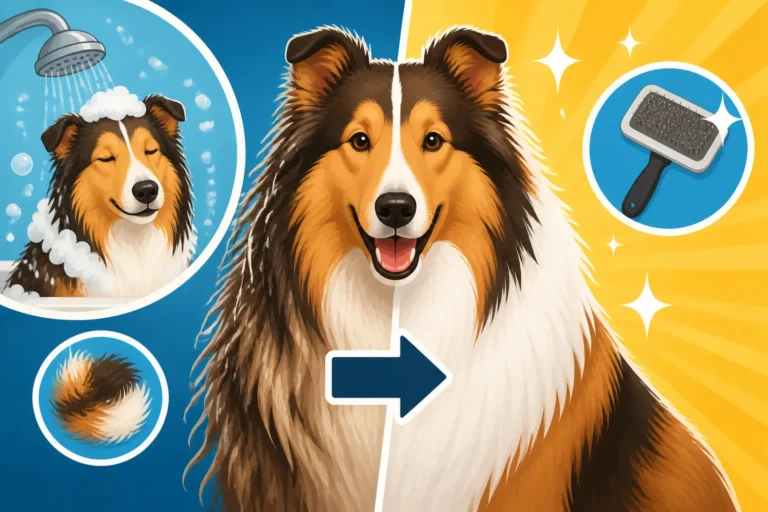
- Gentle Pet-Safe Shampoos or Dry Shampoo: For localized staining or persistent odor, a spot treatment might be necessary. Use a gentle, pet-safe shampoo specifically designed for dogs. Lather a small amount into the stained or smelly area, rinse thoroughly, and then dry completely with a towel or even a low-setting hairdryer (on cool) to prevent hot spots. For lighter touch-ups, a good quality pet dry shampoo can absorb oils and odors without the need for a full bath.
- Consider Dental Hygiene: Sometimes, what you perceive as a smelly frill is actually a symptom of bad breath originating from your Collie's mouth. Food debris caught in teeth, gum disease, or other dental issues can cause a strong odor that transfers to the surrounding coat. If you notice persistent bad breath alongside a messy frill, it's worth increasing your focus on dental care. Regular tooth brushing can make a huge difference, as outlined in How Often a Collie's Teeth Need Brushing.
- Professional Grooming: If you're struggling with severe matting, deep-seated stains, or a lingering odor that home remedies aren't fixing, don't hesitate to seek professional help. A skilled groomer has the tools and expertise to safely and effectively address these issues without causing your Collie undue stress or pain. They can often provide a "face and sanitary" trim that helps manage the frill without altering the overall coat, and their high-velocity dryers ensure thorough drying, which is crucial for preventing skin issues. For an idea of the costs involved, refer to What a Professional Groom Costs on a Rough Collie.
The Wider Impact: Hygiene and Health Concerns
Beyond the immediate frustration of a messy frill, there are genuine hygiene and health implications that Collie owners need to be aware of. Neglecting a dirty frill isn't just about aesthetics; it can lead to discomfort, skin problems, and even impact dental health.
Skin Irritation and Hot Spots Under the Frill
A consistently wet or food-encrusted frill creates a perfect storm for skin problems. This is perhaps one of the most serious concerns for owners of long-haired breeds.
- Moisture and Trapped Food: A Breeding Ground: When the frill is frequently damp from water or sticky from food, it creates a warm, moist environment right against the skin. This dark, humid space is ideal for bacteria and yeast to flourish. Over time, this can lead to skin irritation, redness, itching, and eventually, a dreaded hot spot.
- Symptoms and Prevention: Keep an eye out for excessive scratching, licking, or rubbing of the neck and chest area. You might notice redness, crusting, or a strong, sometimes sweet or yeasty, odor emanating from the frill. To prevent this, strict adherence to after-meal cleaning and ensuring the frill is always dry is key. After any bath or if your Collie gets particularly wet (e.g., after playing in sprinklers or rain), make sure to thoroughly dry the frill right down to the skin. This often requires a good towel drying followed by careful use of a cool-setting hairdryer. For more details on this issue, read Whether a Damp Collie Gets Hot Spots.
- Air Circulation: While the frill is beautiful, ensuring some air circulation to the skin underneath is important. Regular brushing helps to separate the hairs and allows air to reach the skin, reducing humidity.
Dental Health and the Connection to a Clean Mouth
While a dirty frill seems like a coat issue, it can indirectly signal or contribute to dental problems.
- Food Residue and Bad Breath: If a lot of food is consistently getting stuck in the frill, it’s also likely that food particles are lingering around your Collie’s mouth, gums, and teeth. These particles, especially if sticky, can contribute to plaque and tartar buildup. This is why a smelly frill might sometimes indicate an underlying issue of bad breath stemming from dental neglect.
- Implications of Dental Disease: Untreated dental disease in dogs can lead to painful gum infections, tooth decay, and even systemic health problems as bacteria from the mouth enter the bloodstream. A clean frill often goes hand-in-hand with a clean mouth. Regular dental care, including professional cleanings and at-home brushing, is paramount. If you're noticing significant food accumulation around the mouth, it’s a good cue to step up your dental routine for your Collie. How Often a Collie's Teeth Need Brushing provides excellent guidance on this.
Nutritional Considerations and Feeding Habits
Sometimes, the extent of the frill mess can give you clues about your Collie's overall eating habits or even their diet.
- Observing Eating Habits: Is your Collie making a huge mess because they're extremely eager for their food? Is the bowl making them uncomfortable? Observing their posture and behavior during meals can offer insights. A dog who struggles to reach their food or eats frantically might benefit from a different bowl type or feeding schedule.
- Diet Consistency: As mentioned earlier, the consistency of your Collie's food can directly impact the mess. While dry kibble is generally less messy than wet food, some dogs benefit from fresh, human-grade food options. Brands like Ollie offer pre-portioned, fresh food that can sometimes be less crumbly or watery than traditional canned foods, potentially reducing frill splatter. It’s worth exploring if you’re constantly battling sticky messes.
- Maintaining a Healthy Weight: A Collie's majestic coat can sometimes hide fluctuations in weight. Ensuring your Collie is at a healthy weight means they're comfortable and agile enough to eat without excessive struggle, which can minimize messes. Regular check-ups with your vet can help you monitor their weight and overall health.
By understanding these wider implications, you can see that addressing the messy frill is not just a chore but an integral part of responsible Collie ownership. It's about ensuring their comfort, preventing health issues, and maintaining that magnificent, healthy coat they're so famous for.
| Preventative Measure | Description | Benefits for Frill Cleanliness | Considerations |
|---|---|---|---|
| Elevated Bowls | Raised stands that hold food/water bowls higher off the ground. | Reduces frill contact with food/water by minimizing neck bending. | Ensure appropriate height for your Collie; adjust as they grow. |
| Narrow, Deep Water Bowls | Bowls with a smaller opening but greater depth. | Keeps frill out of water, reducing drips and dampness. | Must be deep enough for comfortable drinking; not too narrow for muzzle. |
| Snoods | Fabric tube worn over head and neck during meals/drinks. | Completely contains frill and ears, preventing any food/water contact. | Requires consistent use; some dogs may need time to adjust. |
| Slow Feeders | Bowls with ridges or mazes that slow down eating. | Reduces frantic eating, minimizing splashing and scattering of food. | May not eliminate all mess, but significantly reduces volume. |
| Immediate Wipe-Down | Wiping mouth and frill with a damp cloth right after eating/drinking. | Prevents fresh food/water from drying and embedding into the coat. | Requires owner presence and diligence; misses hidden crumbs. |
| Daily Frill Brushing | Regular (daily) brushing of the neck and chest frill. | Removes trapped food debris, prevents matting from sticky residue. | Crucial for preventing mats; can be time-consuming for full-coated Collies. |
Disclaimer
This article is for general informational purposes only and does not constitute professional advice. Laws, prices and regulations vary by location and change over time. Consult a qualified professional for guidance on your specific situation.