Whether a Collie Enjoys Being Brushed
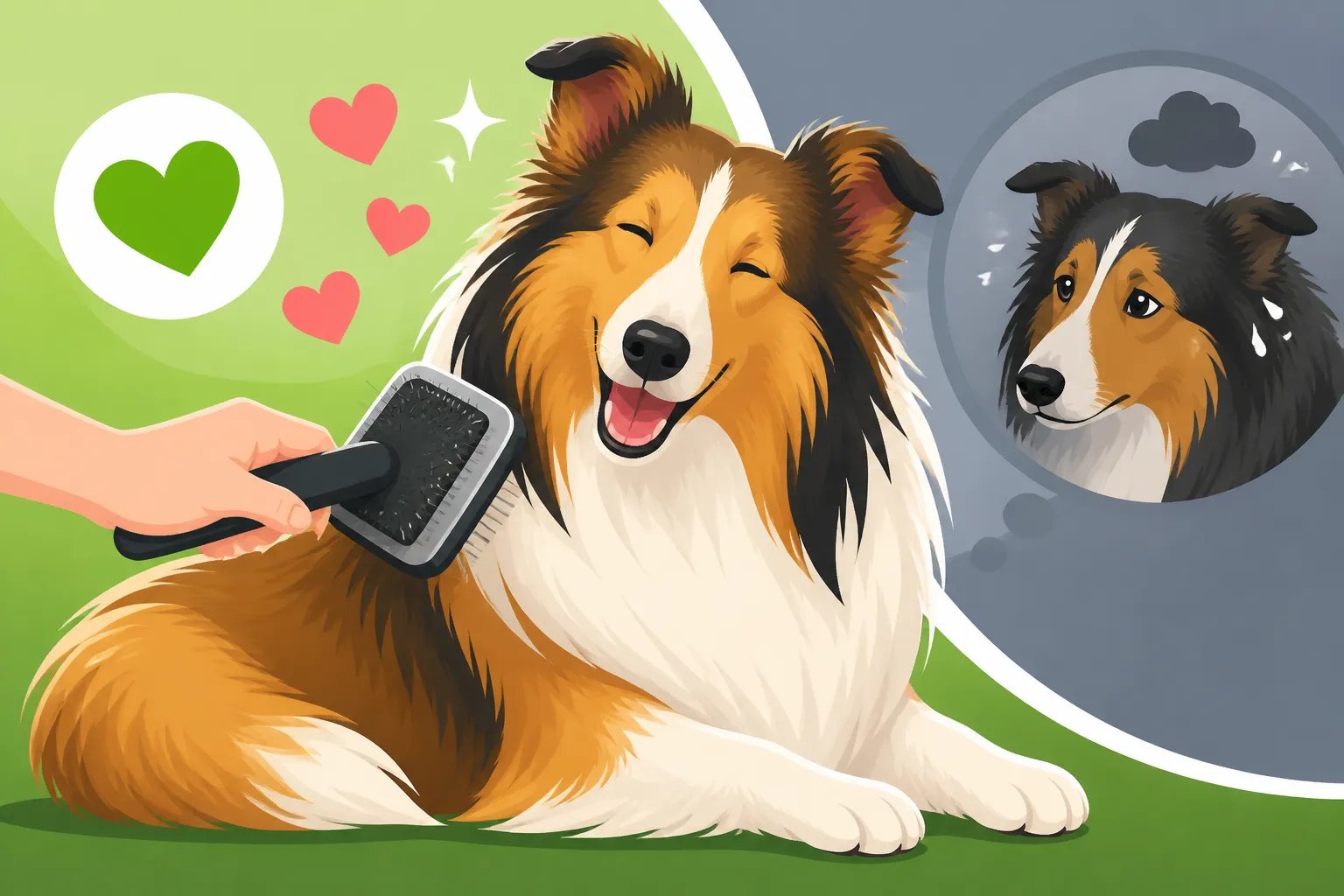
It's a common misconception that all dogs, especially long-haired breeds like our beautiful Collies, inherently love being brushed. Many Collie owners find themselves battling a reluctant or even anxious dog when it's time for grooming, leading to frustration for both human and hound. This guide is here to help you understand your Collie's perspective and implement strategies to transform brushing into a positive, bonding experience rather than a dreaded chore.
Understanding Your Collie's Perspective on Brushing
Before we even pick up a brush, it's crucial to put ourselves in our Collie's paws. Their world is one of sensory input, and what might seem like a simple routine task to us can be a cascade of unfamiliar, uncomfortable, or even painful sensations for them. Acknowledging this is the first step toward making brushing enjoyable for your loyal companion.
The Sensory Experience for Your Collie
Imagine your scalp being raked by something prickly, or having knots pulled out of your hair without warning. That's often what a less-than-gentle brushing session can feel like for a Collie. Their skin, hidden beneath that glorious double coat, is surprisingly delicate. If they've had a previous bad experience – perhaps a sharp bristle, a forceful tug on a mat, or even an unfamiliar sound from a new tool – they can quickly develop an aversion. Their memory for discomfort, especially when it involves their physical body, is long. They might associate the sight of the brush with past pain, leading to avoidance behaviors like darting away, cowering, or even growling.
Think about the sheer volume and density of a Rough Collie's coat. It’s not just superficial hair; it’s a thick, insulating undercoat and a longer, coarser outer coat. Brushing through this requires significant effort and the right tools, and if done improperly, it can create static electricity which is an unpleasant crackling sensation, or pull on the skin. Even the most well-meaning strokes can feel overwhelming if your Collie is sensitive. Smooth Collies, while having less fur, still have a dense coat that requires care and can be sensitive to rough handling. Every touch, every sound of the brush moving through their fur, every sensation on their skin contributes to their overall perception of brushing.
How Collies Communicate Discomfort
Collies, like all dogs, are masters of subtle communication. They don't always bark or snap when they're uncomfortable; often, their signals are much more nuanced, and it’s up to us to learn their language. A lip lick, a yawn when not tired, turning their head away, or a tense body posture are all signs that your Collie might be feeling uneasy. If their tail is tucked, their ears are flattened, or their eyes show "whale eye" (the whites of their eyes are visible), these are clearer indicators of stress or fear.
Sometimes, a Collie might freeze, becoming stiff and still. This isn't cooperation; it's often a sign of learned helplessness or extreme anxiety, where they've shut down, hoping the unpleasant experience will end faster. Ignoring these signals not only erodes trust but can escalate the behavior over time. A Collie who isn't listened to might eventually resort to more obvious warnings, like a growl or a snap, simply because their earlier, subtler pleas were ignored. Understanding and respecting these signals is paramount to building a positive relationship around grooming.
The Importance of Early, Positive Puppyhood Experiences
The foundation for a Collie who enjoys brushing is laid during puppyhood. A young Collie puppy is a sponge, absorbing every experience and forming associations. If their first encounters with a brush are gentle, accompanied by delicious treats and soothing praise, they're far more likely to see grooming as a pleasant, even anticipated, ritual. This early desensitization is critical. Just like you'd introduce a child to new foods or activities gradually, a Collie puppy needs slow, positive introductions to grooming tools and routines.
Starting with very short sessions, even just a few strokes with a soft brush followed by a high-value treat, can make all the difference. Gradually increasing the duration and intensity as the puppy becomes comfortable helps build a strong, positive association. Imagine a puppy being gently brushed for 30 seconds, then getting a piece of chicken. Repeat this a few times, and they'll quickly learn that the brush predicts good things. Over time, these brief, positive experiences stack up, creating a dog who not only tolerates brushing but actively seeks it out for the attention and rewards it brings. How to Teach a Collie Puppy to Lie Still for Grooming offers more detailed steps on this crucial training.
Creating a Positive Brushing Routine for Your Collie
Once you understand your Collie's perspective, the next step is to actively shape their experience into something positive. This involves selecting the right tools, approaching the task with patience and positive reinforcement, and establishing a consistent, calm routine.
Choosing the Right Tools for Collie Coats
Having the correct grooming tools is non-negotiable for a Collie. Using the wrong brush can be ineffective, painful, or even damaging to their magnificent double coat. For a Rough Collie, you’ll typically need a few key items. A good quality pin brush, often used for the longer outer coat and feathering, should have rounded pins to prevent scratching the skin. A slicker brush, with its fine, wire bristles, is excellent for removing loose undercoat and can be used on the body, but must be used with a light hand to avoid "brush burn." An undercoat rake, with widely spaced, curved teeth, is invaluable for getting deep into the thick undercoat, especially during seasonal shedding, to prevent matting. Finally, a sturdy metal comb with both wide and fine teeth is essential for checking for mats and working through smaller tangles, particularly behind the ears, on the feathering, and in the "pants."
Smooth Collies also benefit from specific tools, even though their coat is shorter. A rubber curry brush or a shedding blade can effectively remove loose hair from their denser, flatter coats without irritating their skin. For both varieties, ensure your tools are clean and in good condition; dull or bent bristles can pull hair. You can find a vast array of these tools on platforms like Chewy or Amazon, making it easy to equip yourself properly. If you're wondering Which Four Brushes a Collie Owner Needs, we've got a detailed guide to help you make the best selections.
| Brush Type | Primary Use | Ideal For Collie Coat | Potential Collie Reaction (If Improperly Used) |
|---|---|---|---|
| Pin Brush | Detangling, smoothing outer coat, general brushing | Rough Collie: Body, feathering, mane | Pulling, static electricity |
| Slicker Brush | Removing loose undercoat, dematting | Both: Dense areas, undercoat | "Brush burn," skin irritation |
| Undercoat Rake | Deep deshedding, reaching dense undercoat | Rough Collie: Thick undercoat, hindquarters | Pulling, pain if used on matted areas |
| Metal Comb | Checking for mats, small tangles, fine finishing | Both: Ears, armpits, hocks, feathering | Snagging, pain if forced through tangles |
| Rubber Curry | Removing loose hair, massaging skin | Smooth Collie: Overall body | Discomfort if pressed too hard |
Step-by-Step Desensitization and Positive Reinforcement
If your Collie already has a negative association with brushing, we need to rebuild that trust from the ground up. This process is called desensitization, and it's all about making tiny, positive steps. Start by simply having the brush in your hand while offering a high-value treat, like a small piece of cheese or cooked chicken. Don't even touch your Collie with the brush yet. The goal is for them to see the brush and think, "Oh, treats!" Once they're comfortable with that, gently touch the brush to their shoulder for just a second, immediately followed by another treat and soft praise.
Gradually increase the duration and area of brushing. A single, gentle stroke, then a treat. Two strokes, then a treat. Always focus on areas your Collie is most comfortable with first, like their shoulders or flanks, avoiding sensitive spots like their belly or legs until they're more relaxed. The key is to stop before your Collie shows signs of stress, leaving them with a positive experience. If they start to get anxious, stop, wait for them to relax, and then end the session on a positive note with a treat, even if it was just for one stroke. Never push past their comfort level, as this will only reinforce their negative feelings. Consider investing in special treats, perhaps from a brand like Ollie, to make these sessions extra appealing.
Establishing a Consistent and Calm Routine
Consistency is paramount when it comes to grooming. Collies thrive on routine and predictability. Try to brush your Collie at the same time each day or a few times a week, in a quiet, calm environment where distractions are minimal. This might be a specific spot in the house, on a non-slip mat, or even on a grooming table if they are comfortable with it. The predictability of the routine helps reduce anxiety; they know what to expect.
A calm demeanor from you is also crucial. Dogs are incredibly attuned to our emotions. If you're stressed or rushed, your Collie will pick up on that and become stressed themselves. Speak in a soft, soothing voice, and keep your movements deliberate and gentle. Short, frequent sessions are far more effective than long, arduous battles. For instance, rather than trying to power through an hour-long brushing session once a week, aim for 15-20 minutes every other day. This not only keeps their coat in better condition but also ensures that the experience remains positive and manageable for your Collie, reinforcing the idea that grooming is a normal, non-threatening part of their life. How Long Brushing a Collie in Full Coat Takes gives you a realistic idea of the time commitment.
Addressing Common Brushing Challenges
Even with the best intentions, you might encounter specific challenges when brushing your Collie. Mats, anxiety, or simply a deep-seated fear can make grooming difficult. Let's tackle these head-on.
Dealing with Mats and Tangled Hair
Mats are probably the biggest source of discomfort during brushing. These dense tangles of fur pull on the skin, and trying to brush through them without proper technique can be incredibly painful for your Collie, instantly negating any positive progress you've made. The key is prevention and careful, gentle removal. Regular, thorough line brushing is the best defense against mats. This technique involves parting the coat and brushing in small sections from the skin outwards, ensuring you reach all the way down to the base of the hair shaft. How to Line Brush a Collie explains this method in detail.
When you do encounter a mat, never try to yank or pull it out. This will hurt your Collie and make them dread future sessions. Instead, work slowly. Use a detangling spray designed for dogs, gently separate the mat with your fingers, and then use the coarse end of a metal comb to tease it apart, working from the ends of the hair towards the skin, little by little. You can also use a seam ripper or a blunt-ended scissors to carefully cut into the mat (not across it) to break it up, making it easier to comb out. If a mat is too tight or too close to the skin, it's always better to seek professional help. A groomer has specialized tools and techniques to remove stubborn mats safely. How to Work Out a Mat Behind a Collie's Ear offers specific advice for those tricky spots.
Managing Fear and Anxiety During Brushing
If your Collie exhibits strong fear or anxiety cues during brushing, it's essential to address these emotions before you can expect cooperation. Pushing a fearful dog will only worsen their anxiety. Instead, focus on creating a safe space. This might involve brushing them in a different room, or even just sitting on the floor with them, allowing them to lean against you for comfort. Use a soft, reassuring voice, and offer constant praise and treats for any calm behavior.
For some Collies, the entire grooming setup – the table, the specific brushes, the sound of a force dryer – can be a trigger. You might need to break down the process into even smaller steps, introducing each item or action individually, pairing it with something positive. For example, if the slicker brush causes anxiety, simply show it to them, treat, put it away. Repeat until they are neutral or even happy to see it. If you suspect their anxiety is deeply rooted in past trauma or becomes extreme, consulting with a certified professional dog trainer or a veterinary behaviorist can provide tailored strategies and support. They can help you identify triggers and develop a counter-conditioning plan to change your Collie's emotional response.
When Professional Help is Needed
There are times when a professional groomer or veterinary professional is truly your best ally. If your Collie's coat is severely matted, attempting to remove these mats at home can be excruciating for your dog and lead to skin damage or injury. A professional groomer has the expertise, tools, and often a calm, confident energy that can make a difference. They can quickly and efficiently deal with severe matting, sometimes requiring a full shave-down to get a fresh start, which is a far kinder option than endless painful pulling at home. Whether a Groomer Charges Extra for a Matted Collie is something to be aware of in these situations.
Furthermore, if your Collie's aversion to brushing is so intense that it's causing aggression, or if you're noticing skin issues like redness, irritation, or bumps under their coat, a vet visit is in order. These could be signs of underlying skin conditions that are making brushing painful, and a vet can diagnose and treat them. A vet can also offer advice on calming aids or techniques if anxiety is severely impacting your Collie's quality of life around grooming. Don't feel like you've failed if you need to call in the experts; sometimes, it's the most responsible and compassionate choice for your dog.
The Long-Term Benefits of Enjoyable Brushing
Making brushing a positive experience for your Collie isn't just about avoiding conflict; it brings a host of benefits that extend to their overall health, coat condition, and the bond you share.
Enhanced Health and Well-being
Regular, enjoyable brushing sessions are not just about aesthetics; they are a vital part of your Collie's health and wellness routine. As you gently work through their coat, you're not just removing loose hair; you're also providing a mini-massage that stimulates blood circulation to the skin. More importantly, these sessions are an excellent opportunity for a thorough "once-over" of your Collie's body. You can check for any lumps, bumps, hot spots, skin irritations, parasites like fleas or ticks, or any tenderness that might indicate an injury or medical issue. Finding these problems early can be critical for prompt treatment and better outcomes.
Moreover, a well-maintained coat prevents uncomfortable skin problems. Mats can trap moisture and debris against the skin, leading to painful skin infections or dermatitis. By keeping the coat free of tangles and shed undercoat, you allow their skin to breathe and stay healthy. Think of it as preventative healthcare that you can provide right at home, all while strengthening your bond.
Preventing Coat Problems and Excessive Shedding
Collies are renowned for their magnificent coats, but without regular care, they can quickly become a tangled, matted mess. An enjoyable brushing routine is the primary defense against these problems. When your Collie anticipates brushing as a pleasant activity, you can maintain their coat more effectively. This means less loose hair floating around your house and, crucially, fewer painful mats forming in hard-to-reach areas like behind the ears, in the armpits, or on their hindquarters. How Much Undercoat a Collie Drops will quickly demonstrate why consistent brushing is essential, especially during their twice-yearly "coat blow" seasons.
During these heavy shedding periods, a good deshedding tool and regular brushing can dramatically reduce the amount of fur they drop. It helps to pull out that dead undercoat before it can weave itself into your carpets and furniture. A Collie who enjoys brushing will tolerate longer, more thorough sessions, making the task of coat maintenance much easier for you and more comfortable for them. It’s a win-win: a healthier, tidier Collie and a cleaner home. Whether a Collie's Undercoat Does to a Carpet is something every Collie owner needs to consider!
Strengthening Your Bond and Building Trust
Perhaps one of the most heartwarming long-term benefits of an enjoyable brushing routine is the profound strengthening of the bond between you and your Collie. When grooming becomes a calm, positive, and gentle interaction, it transforms into a ritual of care and affection. Your Collie learns to trust your touch, to associate your presence with comfort and positive experiences. This builds a deeper connection than almost any other activity.
Imagine your Collie trotting over eagerly when they see the brush, perhaps nudging your hand or leaning into your touch. This isn't just about a clean coat; it's about mutual respect and love. These moments of quiet connection, where you're focused solely on their comfort and well-being, reinforce their sense of security and belonging within your family. It teaches them that you are a reliable, gentle leader who always has their best interests at heart, fostering a relationship built on trust and affection that extends far beyond the grooming table.
Disclaimer
This article is for general informational purposes only and does not constitute professional advice. Laws, prices and regulations vary by location and change over time. Consult a qualified professional for guidance on your specific situation.