Whether a Neutered Collie Gains Weight
One common worry I hear from Collie owners contemplating spaying or neutering is the dread of the dreaded "pudge." It's a very real concern, and many owners find their once svelte and energetic Collie suddenly starts to pack on the pounds after the surgery. This guide is here to walk you through exactly why this happens, what signs to look for, and most importantly, how to proactively prevent and manage weight gain so your neutered Collie stays happy, healthy, and perfectly within their ideal weight range.
The Hormonal Shift After Neutering and Its Impact on a Collie's Metabolism
It's not just your imagination, and you're certainly not alone in noticing this change. Neutering or spaying, while beneficial for countless reasons, fundamentally alters a dog's hormonal balance. These hormones play a huge role in regulating metabolism and appetite, and once they're gone or significantly reduced, things change in your Collie's body. It's a natural consequence, not a failing on your part as an owner.
Understanding the Metabolic Slowdown
Think of it like this: intact dogs have a metabolism that's running a little hotter, burning more calories even at rest, due to the presence of sex hormones like testosterone in males and estrogen in females. These hormones contribute to higher energy levels and faster metabolic rates. Once your Collie is neutered, the production of these hormones largely ceases. The result? Their body's engine shifts into a lower gear. They simply don't burn calories at the same rate they did before the surgery.
This metabolic slowdown can be quite significant, often reducing a dog's caloric needs by 20-30% in some cases. If you continue feeding your Collie the same amount of food they ate before neutering, you're essentially giving them a surplus of calories that their now-slower metabolism can't efficiently process. These extra calories, if not burned off, get stored as fat. It's not a dramatic overnight change, but a gradual creep that can be hard to spot until you realize their beautiful, flowing coat is hiding more than just a little fluff. It's crucial for owners to understand this biological reality, as it forms the basis for all successful weight management strategies post-surgery.
The Role of Appetite Changes
Beyond the slowdown in metabolism, many Collies also experience an increase in appetite after neutering. It's a double-whammy! While the exact mechanisms aren't fully understood, it's thought that the absence of sex hormones might interfere with the satiety signals in the brain that tell a dog they're full. This can lead your Collie to feel hungrier more often, or to simply not feel satisfied with their previous portion sizes.
Imagine your normally polite Collie, who used to pick at their kibble, suddenly cleaning their bowl in record time and then staring mournfully at you for more. Or perhaps they start begging more frequently, or even trying to sneak extra treats. This isn't naughtiness; it's a physiological response that makes them genuinely feel less full. This increased hunger, combined with a reduced caloric need, creates a perfect storm for weight gain. You might feel tempted to give in to those big, soulful Collie eyes, but understanding that their body is playing tricks on them can help you stay firm and adjust their feeding schedule and portions appropriately. It's a common struggle, and it requires a mindful approach to feeding.
Why Collies Are Particularly Prone to Post-Neutering Weight Gain
While many breeds can gain weight after neutering, Collies have a few unique characteristics that can make them particularly susceptible. Their natural build, activity preferences, and even their gorgeous coats can inadvertently contribute to the problem if owners aren't aware and proactive.
Breed-Specific Activity Levels and Their Contribution
Collies, by nature, are often seen as elegant, somewhat reserved herding dogs. While they certainly need and enjoy exercise, they aren't always the frantic, high-octane types that some other herding breeds, like Border Collies, are. They have a more moderate energy level. A brisk walk or a good romp in the yard might have been perfectly sufficient to maintain their weight before neutering when their metabolism was higher. After the hormonal shift, however, that same level of activity might not be enough to offset the reduced calorie burn.
Many Collies are happy to settle indoors, observing their family from a comfortable spot. This adaptability, while wonderful for a family companion, means they might not self-exercise as vigorously or demand intense physical activity as much as some other breeds. An owner might unknowingly continue the same routine, thinking their Collie is getting adequate exercise, while in reality, their dog's body now requires either more activity or fewer calories. How Much Exercise a Collie Needs Daily is a vital read for any Collie owner, especially post-neutering, to ensure their activity levels are truly meeting their needs. Without a conscious effort to ramp up exercise or cut back on food, the pounds can creep on.
The "Coat Concealment" Factor
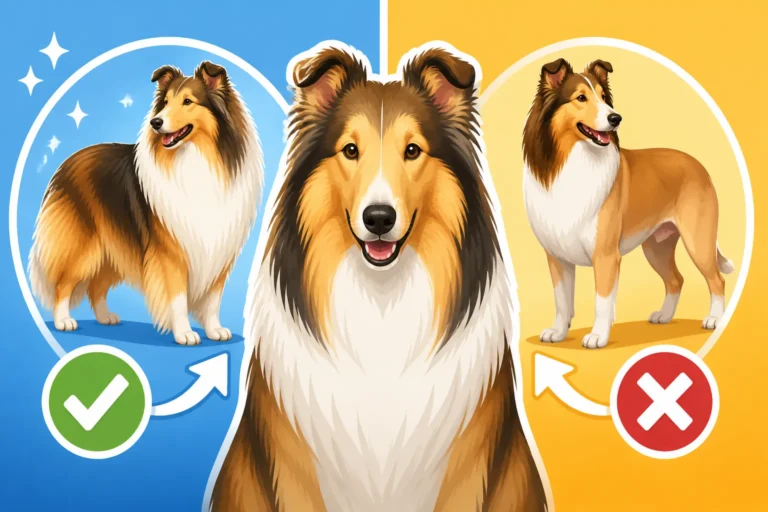
This is a big one for Rough Collie owners! Their magnificent, dense double coats, particularly around the mane, ruff, and hips, can be incredibly deceptive when it comes to assessing body condition. It's very easy for a Collie to gain several pounds before an owner even notices it visually. What looks like a healthy, full coat might actually be hiding a significant layer of fat underneath.
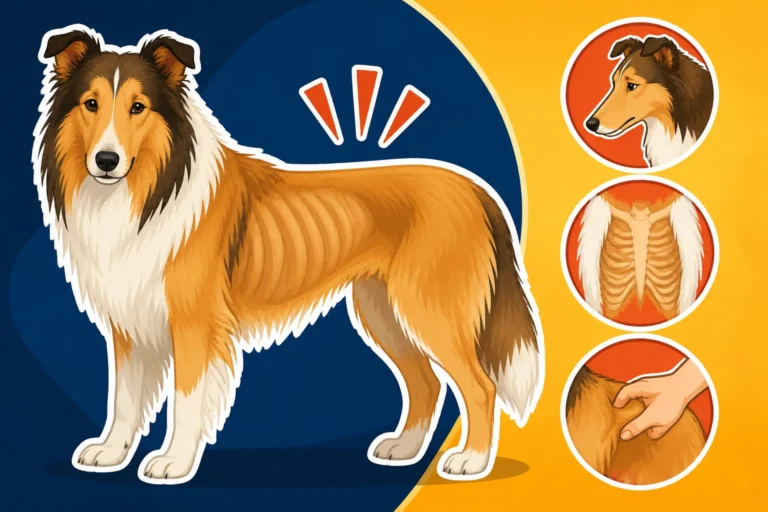
I've seen it countless times where owners are shocked at the vet's office when their Collie is weighed and found to be five, ten, or even fifteen pounds overweight. They genuinely didn't see it because the coat disguised it so well. This is why regular physical assessments by touch are absolutely critical. You need to be able to feel your Collie's ribs without pressing hard, see a discernible waist tuck when viewed from above (even if it's subtle through the coat), and feel a slight hourglass shape when feeling along their sides. Don't rely solely on what your eyes tell you! If you're struggling to identify Signs a Collie Is Overweight Under All That Coat, don't hesitate to ask your vet or a professional groomer for guidance. This "coat concealment" makes vigilance all the more important for Collies.
Practical Strategies to Prevent or Manage Weight Gain in Your Neutered Collie
The good news is that preventing and managing weight gain in your neutered Collie is entirely achievable with a thoughtful, proactive approach. It's not about drastic measures, but consistent, smart adjustments.
Adjusting Their Diet Smartly
This is often the first and most impactful step. Since your Collie's metabolic rate has likely slowed and their appetite might have increased, you'll need to re-evaluate their food intake.
- Reduce Portion Sizes: This is the most straightforward adjustment. Start by reducing their previous portion by 10-20%. Monitor their weight over the next few weeks. If they're still gaining, or not losing, you might need to reduce it further. Remember, your Collie's caloric needs have changed. Refer to guidelines for How Many Cups a Day an Adult Collie Eats but be prepared to adjust downwards from the recommendations for intact dogs.
- Choose a "Light" or "Weight Management" Formula: Many reputable dog food brands offer formulas specifically designed for less active or neutered dogs. These foods typically have fewer calories per serving, but are still nutritionally balanced, ensuring your Collie gets all the vitamins and minerals they need without excess energy. Brands like Purina Pro Plan, Royal Canin, or even private label options from large retailers like Chewy often have excellent choices. Read labels carefully for calorie content!
- Control Treats and Table Scraps: These extra calories add up quickly. A single biscuit or a bite of your dinner can be equivalent to a significant portion of your Collie's daily caloric intake, especially after neutering. Opt for low-calorie training treats, small pieces of plain vegetables (like carrots or green beans), or even a portion of their daily kibble allowance as rewards.
- Consider Wet Food: Wet food often has a higher water content, which can help your Collie feel fuller with fewer calories compared to an equivalent volume of dry kibble. Just be mindful of the overall calorie count, as some wet foods can be quite dense.
- Use Puzzle Feeders: These can slow down eating, making your Collie feel more satisfied while also providing mental stimulation. Instead of just dumping kibble in a bowl, make them work for it with a KONG Wobbler or a similar puzzle toy from Amazon. This turns mealtime into an activity rather than a quick gulp.
A sample table illustrating feeding strategy changes:
| Factor | Before Neutering | After Neutering (Initial Adjustment) | After Neutering (Refined if needed) |
|---|---|---|---|
| Caloric Needs | Higher, due to active hormones | ~20-30% lower | Adjusted based on weight trend |
| Food Formula | Standard adult or performance | "Light" or "Weight Management" formula recommended | Continue light formula if effective |
| Portion Size | Based on intact dog guidelines, moderate activity | Reduce by 10-20% from previous portion | Further reduce if weight gain persists, or increase slightly if weight loss is too rapid |
| Treats | Moderate, occasional high-value | Minimal, low-calorie, or portioned kibble | Strictly limited, only for training or enrichment |
| Feeding Method | Bowl | Puzzle feeder, slow-feed bowl | Continue mental enrichment with feeders |
| Monitoring | Annual vet check | Weekly home weigh-ins (if possible) & bi-monthly vet checks for first 6 months | Monthly home checks, vet twice a year |
Keeping Them Active and Engaged
Diet is key, but exercise remains paramount for a Collie's physical and mental well-being, and it’s a powerful tool in weight management. Just because their metabolism is slower doesn’t mean they should become couch potatoes!
- Increase Duration or Intensity of Walks: If your Collie was getting two 20-minute walks before, try two 30-minute walks, or incorporate some jogging or incline walking. Even small increases can make a difference. Collies love to explore, so vary your routes to keep things interesting.
- Introduce New Activities: Beyond walks, consider incorporating other forms of exercise. Many Collies enjoy playing fetch, even if they aren't as ball-obsessed as a Retriever. Scent work, where they use their noses to find hidden treats or toys, can be incredibly mentally stimulating and burn energy without requiring high impact. Short, consistent training sessions (10-15 minutes, 2-3 times a day) also help keep their minds and bodies engaged.
- Dog Sports (If Suitable): If your Collie has the drive and physical health, exploring low-impact dog sports like Rally Obedience or even a beginner Agility class can be fantastic. It's a great way to bond, provide mental stimulation, and ensure they get adequate exercise. Even if they don't become a champion, the activity itself is the reward.
- Mental Stimulation: Don't underestimate the power of mental exercise. A tired mind can be just as effective as a tired body in keeping a Collie content and less prone to boredom-induced eating. Teach new tricks, use interactive toys, or simply engage them in a game of "find the hidden toy" indoors. This helps prevent boredom, which can sometimes manifest as excessive begging for food.
Remember, the goal is a healthy, fit Collie, not just a skinny one. Regularly check your Collie's body condition and adjust their activity levels and diet accordingly.
Regular Monitoring and Vet Check-ups
You are your Collie's first line of defense against weight gain. Being vigilant and working with your veterinarian are crucial steps.
- Weekly Weigh-Ins (Initially): For the first few months after neutering, weighing your Collie weekly at home (if feasible) or at your vet's office can give you valuable data. Most vet clinics have scales available for public use. This helps you catch any upward trend early, allowing for quick adjustments.
- Body Condition Scoring: Learn how to properly assess your Collie's body condition by feel, not just by sight. Your vet can teach you how to do this. You should be able to easily feel their ribs, see a waistline (even if subtle), and feel that their backbone is covered with a thin layer of muscle and fat, not just a thick cushion. This is especially important for Getting Weight Off a Collie once they've already gained it.
- Vet Consultations: Schedule a follow-up visit with your vet a few months after neutering specifically to discuss weight management. They can help you determine an ideal weight range for your individual Collie, assess their body condition, and provide tailored dietary and exercise recommendations. They can also rule out any underlying medical reasons for weight gain, though this is less common immediately post-neutering.
- Annual Preventative Care: Even if your Collie maintains a healthy weight, regular annual vet check-ups are essential. This ensures their overall health is monitored and any changes in weight or body condition are addressed promptly. These check-ups are also a good time to discuss any concerns you might have regarding their general health, such as Whether a Collie Gets Thyroid Disease, which can also contribute to weight gain if present.
Long-Term Health Implications of Obesity in Neutered Collies
Allowing your neutered Collie to become overweight isn't just about aesthetics; it carries significant health risks that can dramatically impact their quality of life and even shorten their lifespan. This is why being proactive is so incredibly important. Overweight dogs are not healthy dogs, and we want our beloved Collies to live long, vibrant lives with us.
Strain on Joints and Mobility
Collies are generally a healthy breed with good conformation, but carrying excess weight puts undue stress on their joints, ligaments, and bones. Imagine carrying a heavy backpack all day, every day – that's what being overweight is like for your dog. This constant strain can accelerate the development or worsen existing conditions like arthritis or Hip Dysplasia in a Collie. Even if your Collie never had joint issues before, obesity can lead to chronic pain, stiffness, and reduced mobility.
An overweight Collie might become less enthusiastic about walks or playing, further exacerbating the weight problem in a vicious cycle. They might struggle to get up, climb stairs, or even jump into the car. This reduction in their ability to move freely directly impacts their joy and quality of life. As they get older, these issues become even more pronounced, making it harder for them to enjoy their senior years. This is a primary reason why we need to prevent weight gain, because it has a direct bearing on What Changes in a Collie After Nine and how comfortably they can age.
Increased Risk of Other Health Conditions
The list of health problems linked to obesity in dogs is extensive and alarming. It's not just their joints that suffer. Overweight Collies are at a higher risk for:
- Diabetes Mellitus: Just like in humans, obesity is a significant risk factor for insulin resistance and the development of diabetes, requiring lifelong management.
- Heart Disease: Extra weight means the heart has to work harder to pump blood throughout the body, putting additional strain on the cardiovascular system.
- Respiratory Problems: Excess fat around the chest and abdomen can restrict lung expansion, leading to breathing difficulties, especially in warmer weather or during exercise.
- Certain Cancers: Some studies suggest a link between obesity and an increased risk of specific types of cancer in dogs.
- Reduced Heat Tolerance: With their dense double coats, Collies already need careful management in warm climates. Adding a layer of insulating fat makes them even more prone to overheating.
- Urinary Tract Issues: Obese dogs can sometimes have difficulty maintaining proper hygiene in their perineal area, leading to an increased risk of urinary tract infections.
- Lowered Immune Function: The chronic inflammation associated with obesity can negatively impact the immune system, making your Collie more susceptible to other illnesses.
Ultimately, all these factors contribute to a shorter lifespan. It’s a sad reality that excess weight shortens a Collie's life through these preventable conditions. By diligently managing your neutered Collie's weight, you are investing directly in their health, happiness, and the precious years you get to spend together.
Disclaimer
This article is for general informational purposes only and does not constitute professional advice. Laws, prices and regulations vary by location and change over time. Consult a qualified professional for guidance on your specific situation.