Whether Fish Oil Improves a Collie’s Coat
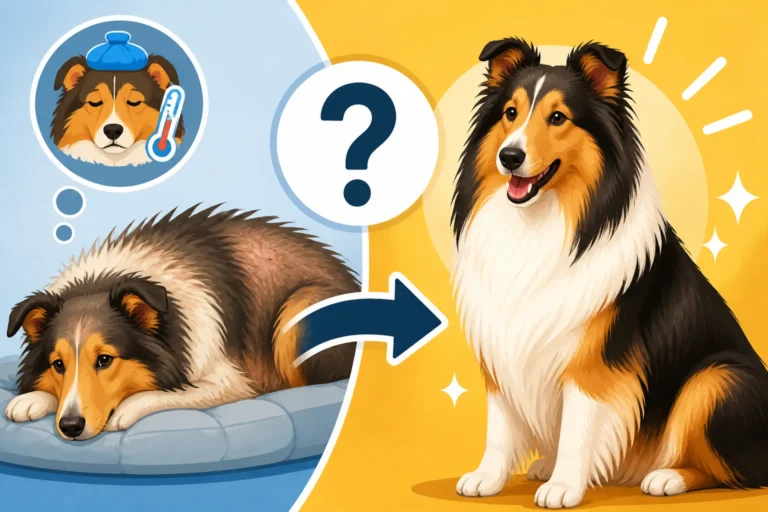
Collie owners know that magnificent, flowing coat is both a blessing and, let's be honest, sometimes a bit of a challenge to maintain. We all want our Collies to look their best, with that healthy, gleaming sheen that speaks volumes about their well-being. So, it's natural to wonder if adding something like fish oil to their diet can truly make a difference in their coat health, especially when you're battling dryness, dullness, or excessive shedding that seems to cling to every surface. This comprehensive guide will dive deep into whether fish oil lives up to its reputation for improving a Collie's stunning locks and overall skin health, helping you make an informed decision for your furry family member.
The Crowning Glory: Understanding Your Collie's Unique Coat
First off, let's appreciate what we're working with here. A Collie's coat, especially that of a Rough Collie, isn't just "hair"—it's a masterpiece of nature. It’s a double coat, consisting of a harsh, straight outer coat and a soft, dense undercoat. This structure was designed for protection against the elements in their native Scotland, keeping them warm in winter and helping to regulate their temperature in milder weather. It's truly a functional marvel.
Why a Healthy Coat Matters Beyond Aesthetics
While we all adore seeing our Collies trot around with their impressive manes and full ruffs, a healthy coat is so much more than just good looks. It's a primary indicator of overall health. A dull, dry, brittle, or excessively shedding coat can often be a red flag, pointing to underlying nutritional deficiencies, skin conditions, allergies, or even more serious systemic issues. When your Collie's coat is in peak condition – soft, shiny, and relatively free of excessive dry flakes – it tells you that their internal systems are likely running smoothly. It reflects proper nutrient absorption and good health from the inside out. Conversely, if you're constantly finding mats behind their ears or on their feathering, or battling a persistent dullness despite diligent brushing, it's often a sign that something deeper might be amiss. Remember, this coat is their first line of defense!
Common Coat Challenges Collie Owners Face
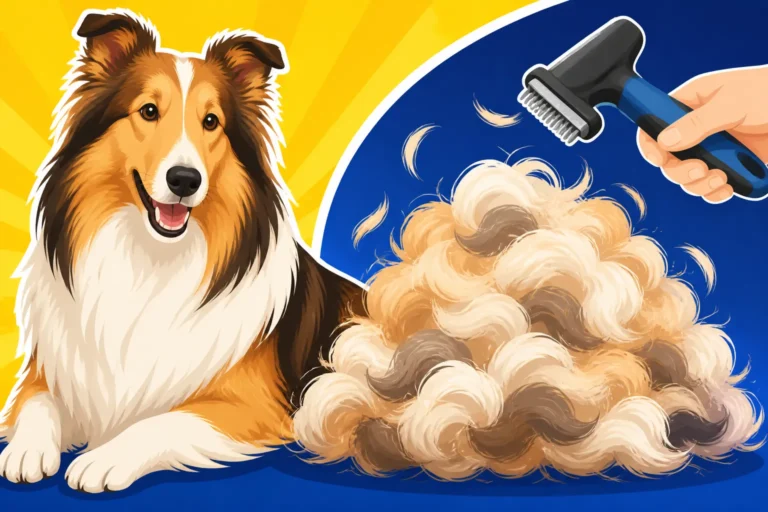
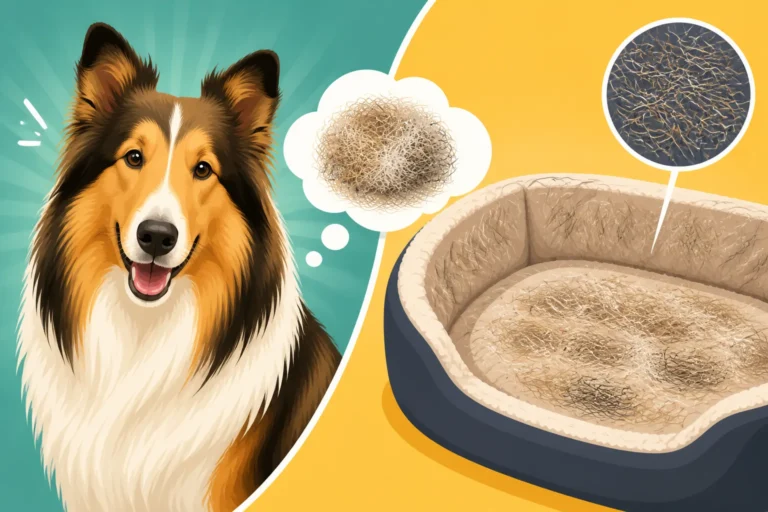
Let's be real: managing a Collie's coat can feel like a full-time job at times. One of the most persistent issues is shedding. Collies are notorious for "blowing coat" twice a year, a period when the undercoat sheds out in massive quantities, literally burying your house in fluff. Even outside these major seasonal events, regular shedding is a constant. Then there's the matting. Those beautiful long hairs, especially in areas like the mane, frill, and behind the ears, can tangle and mat remarkably quickly if not brushed consistently. Whether a Collie's Coat Mats If You Skip a Week is a question many of us know the answer to all too well! Dry, flaky skin, often hidden beneath that voluminous fur, can also be a problem, leading to itching and discomfort for your dog, and even more shedding of dead skin cells. Dullness, brittleness, and a lack of that characteristic Collie sheen are also common complaints. We invest so much time into brushing – Four Tools and Twenty Minutes: Brushing a Rough Collie really speaks to the effort – that we want to see a payoff in a truly vibrant coat.
Diving Deep into Fish Oil: The Omega-3 Connection
So, with these coat challenges in mind, where does fish oil come into play? It's often touted as a miracle supplement for skin and coat, and there's good scientific reason behind that claim. The key lies in its active ingredients: Omega-3 fatty acids.
The Power of Omega-3 Fatty Acids
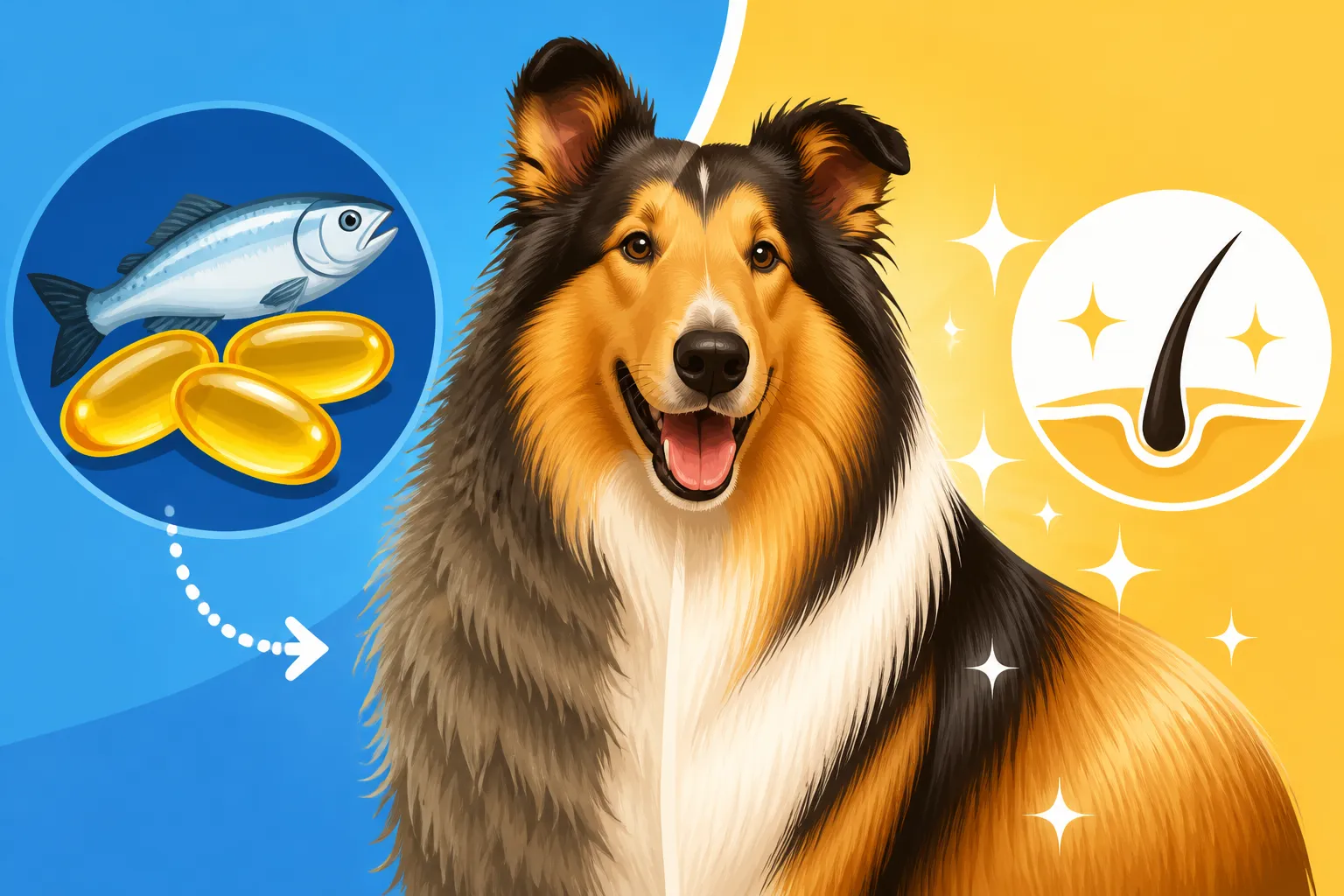
Fish oil is rich in two essential Omega-3 fatty acids: Eicosapentaenoic Acid (EPA) and Docosahexaenoic Acid (DHA). These are "essential" because your Collie's body can't produce them on its own; they must be obtained through diet. Unlike Omega-6 fatty acids, which are abundant in many plant oils and often overrepresented in dog diets (and can be pro-inflammatory in excess), Omega-3s are powerfully anti-inflammatory.
Think of it this way: inflammation is often at the root of many skin issues, from dry, itchy patches to redness and irritation. EPA and DHA work by helping to reduce this inflammation at a cellular level. They are incorporated into cell membranes, altering the production of inflammatory chemicals and promoting a healthier inflammatory response. This doesn't just benefit the skin; it can have positive effects on joint health, heart health, and even cognitive function, making Omega-3s a true powerhouse supplement.
How Fish Oil Benefits Your Collie's Skin and Coat
When your Collie consistently receives adequate Omega-3s from a high-quality fish oil, you can expect to see several tangible benefits:
- Reduced Dryness and Flakiness: By supporting the skin barrier function, Omega-3s help the skin retain moisture more effectively. This can significantly reduce that annoying dryness and the flaky skin (often mistaken for dandruff) that can settle deep in their coat.
- Enhanced Shine and Softness: Healthy skin produces healthy hair. When the skin is well-nourished and moisturized, the hair follicles produce stronger, more lustrous strands. This translates to a noticeably shinier, softer coat that feels much more luxurious to the touch. That classic Collie sheen becomes far more pronounced.
- Decreased Itching and Irritation: For Collies prone to seasonal allergies or general skin sensitivities, the anti-inflammatory properties of fish oil can be a game-changer. By calming inflammation, it can reduce the itchiness that leads to scratching, hot spots, and further skin damage.
- Stronger Hair Follicles: Healthier skin means healthier hair roots. Stronger follicles are less likely to prematurely shed hair, potentially leading to a denser, fuller coat and perhaps even a slight reduction in overall shedding, though this effect can vary greatly among individual dogs and isn't a cure-all for seasonal coat blows.
It's a gradual improvement, not an overnight miracle. You might start noticing subtle changes in softness or a reduction in flaking after a few weeks, with more significant shine appearing over a couple of months. Consistency is key.
Practical Considerations for Giving Fish Oil to Your Collie
Okay, so fish oil sounds great, but how do you actually incorporate it into your Collie's routine safely and effectively? It’s not as simple as just grabbing any bottle off the shelf.
Choosing the Right Fish Oil Supplement
The market is flooded with fish oil supplements, and quality varies wildly. Here's what to look for:
- Source: Opt for oils derived from small, cold-water fish like sardines, anchovies, and mackerel. These fish have shorter lifespans, meaning less time to accumulate toxins like mercury and PCBs, which can be a concern with larger, longer-lived fish like tuna or even some salmon sources. Krill oil is another excellent option, offering good bioavailability and often sourced sustainably.
- Purity and Testing: This is paramount. Look for brands that clearly state they undergo third-party testing for contaminants. Reputable manufacturers will often display certifications or provide access to their test results, ensuring the product is free from heavy metals, pesticides, and other harmful substances.
- Form: Fish oil comes in liquid form or capsules. Liquid can be easier to administer, especially if your Collie is particular, as you can mix it directly into their food. Capsules are pre-dosed and can be less messy, but some dogs might resist swallowing them whole. Many owners find that a drizzle of liquid fish oil over a meal makes it more palatable for their Collies. You might find a wide selection of reputable brands on platforms like Chewy or Amazon, making it easy to compare options and read reviews.
- Concentration: Check the EPA and DHA content per serving, not just the total Omega-3s. A higher concentration means you can give less product for the same therapeutic dose, which is often better for picky eaters or to avoid adding too much extra fat to their diet.
Dosage and Administration: Always Consult Your Vet
This is where individual guidance is crucial. While there are general guidelines, the exact dosage of fish oil for your Collie should always be determined in consultation with your veterinarian. Factors like your Collie's weight, overall health, any existing medical conditions, and the specific concentration of the supplement you choose will all influence the appropriate amount.
Table: General Guidelines for Fish Oil Dosage (Consult Your Vet!)
| Collie Weight Range | Starting Daily EPA+DHA (General) | Notes |
|---|---|---|
| 50-75 lbs | 500-1000 mg | Start low and gradually increase. Divide into two doses if giving a higher amount. |
| 75-100 lbs | 1000-1500 mg | Some Collies, especially large males, may require higher doses, but always under vet supervision. |
| Important | Individual Needs Vary | Always check with your veterinarian for precise dosage, especially if your Collie has health issues. |
Your vet can help you calculate the correct amount of EPA and DHA based on your chosen product's label. Over-dosing can lead to issues, so precise measurement is important. It's usually best to start with a lower dose and gradually increase it over a week or two to allow your Collie's digestive system to adjust. Some premium dog food brands, like Ollie, might already incorporate high-quality fish oil into their formulas, so always check your dog's current food label before adding supplements to avoid over-supplementation.
Potential Side Effects and Precautions
While generally safe, fish oil can have some side effects, especially if given in excessive amounts:
- Digestive Upset: The most common side effects are mild, such as soft stools, diarrhea, or an upset stomach. This is often alleviated by reducing the dose or introducing it more slowly.
- Fishy Breath/Odor: Your Collie might develop a slightly fishy odor to their breath or even their coat. This is usually harmless but can be noticeable.
- Weight Gain: Fish oil is a fat, and adding too much can contribute to weight gain if not accounted for in their overall caloric intake.
- Blood Thinning: In very high doses, Omega-3s can have a mild blood-thinning effect. This is usually not a concern for healthy dogs but is something to discuss with your vet if your Collie has a bleeding disorder or is about to undergo surgery.
- Vitamin E Deficiency: High doses of fish oil can increase the body's need for Vitamin E, an antioxidant. Some quality fish oil supplements include Vitamin E, but your vet might recommend additional supplementation.
Always store fish oil in a cool, dark place, or even refrigerate it, to prevent it from going rancid. Rancid oil can be harmful and ineffective.
Beyond Fish Oil: A Holistic Approach to Coat Health
While fish oil can be a fantastic tool, it's crucial to remember that it's just one piece of the puzzle. A truly glorious Collie coat is the result of a holistic approach to their overall care and nutrition. Whether a Collie Needs Supplements for Its Coat delves deeper into the broader world of supplementation, but for now, let's look at the bigger picture.
The Foundation: High-Quality Nutrition
No amount of fish oil can compensate for a poor-quality diet. Your Collie needs a balanced, nutritionally complete diet formulated for their life stage and activity level. Look for dog foods where a named meat source is the first ingredient, and avoid excessive fillers, artificial colors, and vague "by-products." Protein is absolutely essential for healthy hair growth, as hair is primarily made of protein (keratin). Healthy fats, beyond just Omega-3s, like Omega-6s (in the right balance with Omega-3s), are also vital for skin and coat health. Just like we need good food to look and feel our best, so does your Collie.
Grooming: The Hands-On Component
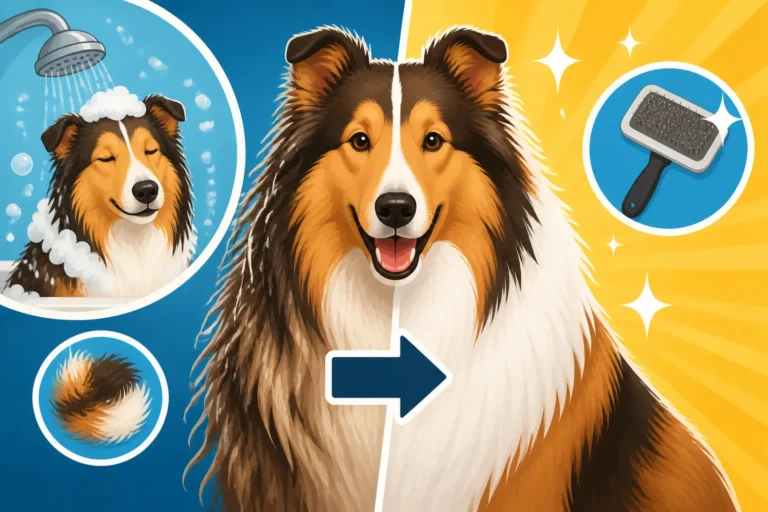
Even with the best diet and supplements, a Collie's coat needs diligent, hands-on care. Regular brushing is non-negotiable. For a Rough Collie, you should be brushing several times a week, if not daily, especially around those mat-prone areas. How Often a Rough Collie Should Be Brushed isn't just about removing loose hair; it stimulates the skin, distributes natural oils, and prevents mats from forming, which can pull at the skin and cause discomfort.
When those seasonal coat blows hit, having the right tools, like a high-velocity dryer, can be incredibly helpful. Whether a Collie Needs a High Velocity Dryer is a question many owners consider, and for good reason—it helps push out that dead undercoat quickly and efficiently. And when it comes to bathing, it's about doing it right. Bathing a Collie Without Wrecking the Coat is an art form, ensuring the coat is thoroughly wetted, shampooed, rinsed, and dried to prevent skin issues and matting.
Hydration and Overall Health
Adequate water intake is fundamental for every bodily function, including skin health. Just like humans, dehydrated dogs can have dry, less elastic skin, which impacts coat quality. Ensure your Collie always has access to fresh, clean water. How Much Water a Collie Drinks a Day can vary, but always make it readily available.
Finally, regular veterinary check-ups are paramount. Your vet is your best partner in identifying any underlying health issues that might be manifesting as coat problems. Conditions like thyroid disease, allergies, parasites, or even stress can all impact coat quality. Addressing these issues with professional medical advice is far more effective than trying to "supplement away" a deeper problem. Your vet can also guide you on general wellness, helping you prolong their vibrant life. What Most Collies Die Of gives you perspective on common health challenges, and staying on top of general health can certainly help keep their coat looking its best. Even as they age, What Changes in an Old Collie's Coat reminds us that their needs evolve, and coat care should adapt accordingly.
In conclusion, fish oil can be a highly beneficial addition to your Collie's regimen for improving coat health, offering those vital Omega-3 fatty acids that contribute to shine, softness, and reduced dryness. However, it works best when integrated into a comprehensive care plan that prioritizes a top-notch diet, consistent grooming, ample hydration, and regular veterinary oversight. Treat their coat as a reflection of their overall well-being, and you'll be well on your way to a truly magnificent, healthy Collie.
Disclaimer
This article is for general informational purposes only and does not constitute professional advice. Laws, prices and regulations vary by location and change over time. Consult a qualified professional for guidance on your specific situation.