Whether a Collie’s Eyes Water
It’s natural to feel a pang of worry when you notice your beloved Collie’s eyes looking a little wetter than usual, or if there’s a persistent dampness around their lower eyelids. As owners, we often scrutinize every tiny change in our dogs, and eye issues can be particularly unsettling because they relate directly to our dog's comfort and ability to navigate their world. This guide is here to walk you through the nuances of Collie eye moisture, helping you understand what’s normal, what might be a cause for concern, and when it’s time to call the vet.
Understanding Normal Eye Moisture in Collies
Before we dive into what might be wrong, let’s establish what’s perfectly normal for a Collie’s eyes. Just like ours, a dog's eyes produce tears constantly. These aren't just for crying; they're essential for lubricating the eye, flushing out tiny irritants, and delivering vital nutrients to the cornea. When everything is working as it should, you might not even notice this process happening.
What is 'Normal' Eye Moisture?
Healthy tear production in a Collie creates a thin, clear film over the surface of the eye. This tear film is a marvel of natural engineering, consisting of water, oil, and mucus layers that work together to protect, nourish, and keep the eye moist. Without it, the eye would dry out, becoming incredibly painful and susceptible to damage.
Collies are known for their intelligent, expressive eyes, often described as almond-shaped and well-set, which typically promotes good tear drainage. In a perfectly healthy Collie, these tears are produced, spread across the eye, and then drain away through tiny ducts in the inner corner of the eye, leading down into the nose and throat. This continuous, efficient system means you usually won't see any obvious wetness or staining on their face.
Sometimes, after a deep sleep, you might notice a tiny bit of clear or slightly off-white crust in the corner of your Collie's eyes. This is often just accumulated dust, dried tear film, or mucus that has gathered overnight. A quick, gentle wipe with a warm, damp cloth usually takes care of it, and the eyes should appear bright and clear afterward. This occasional morning gunk is generally nothing to fret over.
When Does Clear Discharge Become Concerning?
While a little morning crust is normal, persistent wetness or actual tear staining around your Collie's eyes is a sign that the tears aren't draining properly, or that too many tears are being produced. If you notice the fur below their eyes is consistently damp, or if it's starting to develop a reddish-brown discoloration (especially noticeable on lighter-colored Collies), then it's time to pay closer attention. This staining, often called epiphora, indicates chronic tear overflow.
Environmental factors can sometimes cause temporary excess watering. A windy day at the dog park, a bit of dust kicked up during a walk, or even changes in air quality can irritate the eyes, leading to a natural increase in tear production to flush out the irritant. If this watering subsides quickly once the irritant is removed and there are no other symptoms, it’s usually not a big deal. However, if the watering continues for hours or days, or if it's accompanied by squinting, redness, or pawing at the face, it crosses into concerning territory.
The key is to look for changes in your Collie's baseline. Is there more discharge than usual? Has its color or consistency changed from clear to milky, yellow, or green? Is one eye affected more than the other, or is it both? Does your Collie seem uncomfortable? These are all important clues that something might be amiss and warrant further investigation.
Common Causes of Excessive Watering in Collies
When a Collie's eyes are watering excessively, it's often a sign of an underlying issue, ranging from simple environmental irritants to more complex anatomical problems. Pinpointing the exact cause requires a careful look at symptoms and, more often than not, a visit to your veterinarian.
Environmental Irritants and Allergies
Our Collies live in the same homes and environments as us, and unfortunately, that means they're exposed to many of the same irritants. Dust, pollen, household cleaners, cigarette smoke, and even strong perfumes can all act as allergens or irritants, causing your Collie's eyes to water as a natural defense mechanism. Think about how your own eyes react to dust or smoke – it's a similar response for your dog.
Seasonal allergies are also a very real problem for many dogs, including Collies. If your Collie's eyes tend to water more during certain times of the year, perhaps accompanied by itching, sneezing, or pawing at their face, allergies could be the culprit. Pollen, grass, and mold spores are common triggers. Keeping your home environment as clean as possible, perhaps using an air purifier, can help mitigate these issues indoors. You might find useful products to help manage a dusty home on sites like Amazon, from high-quality air filters to pet-safe cleaning solutions.
It’s crucial to observe when and where the watering occurs. Does it happen after a walk in a grassy field? After you've used a new floor cleaner? If you can identify a pattern, you might be able to remove the irritant, which is often the simplest solution. However, if symptoms persist, it’s best to consult your vet to rule out other issues and discuss potential allergy management strategies.
Eyelid and Eyelash Abnormalities
Some Collies, like many purebred dogs, can be predisposed to certain anatomical issues with their eyelids and eyelashes that directly lead to eye irritation and watering. These conditions are often inherited and can cause chronic discomfort if not addressed. One common issue is entropion, where the eyelid rolls inward, causing the eyelashes and fur to rub directly against the cornea. This constant friction is incredibly irritating and will lead to excessive tearing, squinting, and potentially corneal damage.
Conversely, ectropion is when the eyelid rolls outward, creating a droopy appearance. While less common in Collies than some other breeds, this can expose the delicate conjunctiva (the membrane lining the eyelids and covering the whites of the eyes), making it more vulnerable to foreign bodies, dust, and infections, which can also result in watering. Both entropion and ectropion often require surgical correction to alleviate the irritation and prevent further damage.
Beyond eyelid positioning, abnormal eyelashes can also be a problem. Distichiasis occurs when extra eyelashes grow from abnormal locations on the eyelid margin, often emerging from the oil glands. Ectopic cilia are even more problematic, as they grow from the inside of the eyelid and point directly towards the eye, causing intense irritation with every blink. These aberrant hairs constantly scratch the cornea, leading to pain, watering, and a high risk of corneal ulcers. Diagnosis typically involves a close examination by a veterinary ophthalmologist who can then recommend removal of these irritating hairs, usually through cryosurgery or electrocautery.
Tear Duct Issues and Blockages
Sometimes, the problem isn't with tear production or irritation, but with tear drainage. Dogs, including Collies, have a nasolacrimal duct system that acts like a plumbing system for tears, carrying them from the eye's surface down into the nasal cavity. If this system gets blocked, the tears have nowhere to go but to overflow onto the face, leading to that tell-tale dampness and staining (epiphora) that so many Collie owners notice.
Blockages in the tear ducts can occur for several reasons. Sometimes, debris, inflammation, or even scarring from previous infections can narrow or completely obstruct the tiny openings of the tear ducts. In some cases, puppies might be born with underdeveloped or closed tear ducts. You might notice that the tear staining is worse after your Collie has been outside in dusty conditions or has rubbed its face.
If the tear duct is not just blocked but also inflamed or infected, a condition called dacryocystitis can develop. This will often present with thicker, sometimes pus-like discharge, swelling around the inner corner of the eye, and significant discomfort for your Collie. Your vet can perform a simple test using a special dye (fluorescein) to see if the tears are draining properly. If a blockage is suspected, flushing the tear ducts under light sedation can often clear the obstruction. This simple procedure can bring immense relief and resolve chronic epiphora.
Health Conditions Leading to Watery Collie Eyes
While environmental factors and anatomical quirks are common culprits, excessive eye watering can also signal a more serious underlying health condition that demands prompt veterinary attention. Early diagnosis and treatment are crucial to preserving your Collie's vision and overall comfort.
Eye Infections and Conjunctivitis
Just like people, Collies can get eye infections, and one of the most common manifestations is conjunctivitis. This is an inflammation of the conjunctiva, the pink membrane that lines the inside of the eyelids and covers the white part of the eyeball. When your Collie has conjunctivitis, their eyes will often be red, swollen, itchy, and yes, very watery.
The type of discharge can often give clues about the cause. While initial watering might be clear, bacterial infections often produce thick, yellowish-green pus. Viral infections might start with clear, watery discharge that later becomes thicker. Fungal infections are rarer but can also cause discharge. Allergies, as discussed earlier, can also trigger allergic conjunctivitis, which typically involves clear, watery discharge, redness, and itching, without the pus-like appearance. It's crucial not to try to self-diagnose or treat, as the wrong medication can make things worse. Your vet will need to determine the cause and prescribe appropriate eye drops or ointments, such as antibiotics, antivirals, or anti-inflammatories.
If your Collie is displaying symptoms of conjunctivitis, observing other behaviors is important. Are they rubbing their face on the carpet or furniture? Are they reluctant to open their eyes fully in bright light? These are all signs of discomfort. Getting an accurate diagnosis quickly means your Collie can get relief faster and prevent the infection from escalating or causing more serious damage.
Corneal Ulcers and Injuries
The cornea is the clear, protective outer layer of the eye. It's tough, but it's not invincible. A scratch, scrape, or puncture to the cornea – known as a corneal ulcer or corneal abrasion – is a very painful injury that will almost always result in significant eye watering. This watery discharge is the eye’s attempt to wash away the irritant and promote healing, but it's also a clear sign of distress.
Collies, with their active, curious natures, can easily sustain corneal injuries. A run through dense bushes, a playful tussle with another dog, getting a piece of grit or a seed blown into the eye, or even an accidental poke from a sharp object can cause an ulcer. Symptoms beyond excessive watering typically include intense squinting, redness, pawing at the eye, sensitivity to light, and sometimes a cloudy appearance to the cornea itself. Any sudden onset of these symptoms is an emergency.
If you suspect a corneal ulcer, it's vital to get your Collie to the vet immediately. They will likely use a fluorescein stain, which is a special dye that highlights any damage to the cornea, making even tiny scratches visible. Treatment will depend on the severity of the ulcer but usually involves antibiotic eye drops to prevent infection and pain relief. Untreated ulcers can become infected, deepen, and potentially lead to permanent vision loss or even rupture of the eyeball, so please don't wait.
Genetic Eye Conditions and Other Concerns
Collies are unfortunately predisposed to certain genetic eye conditions, the most well-known being Collie Eye Anomaly Affects Most Collies, So Ask How Badly. While CEA itself doesn't directly cause watery eyes, it can, in severe forms, lead to secondary complications like retinal detachment or intraocular hemorrhage, which could cause discomfort and increased tearing. It’s always important to know your Collie’s genetic health status, especially regarding eye issues. What the Collie DNA Health Panel Covers can give you a lot of insight.
Beyond genetic predispositions, other serious health conditions can manifest with watery eyes. Glaucoma, a condition where pressure builds up inside the eye, is extremely painful and can lead to rapid blindness if not treated urgently. Symptoms often include extreme watering, squinting, a dilated pupil, and sometimes a hazy or cloudy appearance to the cornea. This is a veterinary emergency. Another surprising cause of watery eyes can be Keratoconjunctivitis Sicca (KCS), commonly known as "dry eye." Paradoxically, if the eye isn't producing the right quality of tears, it can trigger reflex tearing, leading to an abundance of watery, ineffective tears that don't properly lubricate the eye, resulting in chronic irritation and discharge.
Recognizing these more serious conditions often means looking beyond just the wetness. Is there pain? Is the eye itself changing in appearance? Is your Collie lethargic or showing other signs of illness? A comprehensive eye exam by your veterinarian, potentially involving specialized tests like a Schirmer tear test (to measure tear production) or tonometry (to measure eye pressure), is essential for accurate diagnosis and effective treatment of these complex issues.
When to Seek Veterinary Attention and Management
It's one thing to observe your Collie, but it's another to know when to shift from careful monitoring to urgent action. Your vigilance as an owner can make all the difference in the outcome of an eye problem.
Red Flags That Require Immediate Vet Care
Sometimes, the signs are subtle, but other times, they scream "emergency!" If you notice any of the following symptoms in your Collie, it’s crucial to contact your veterinarian immediately, even if it’s after hours:
- Sudden onset of severe watering or discharge: If one moment their eyes are fine and the next they’re streaming.
- Intense pain or discomfort: Squinting, holding an eye shut, or pawing at their face repeatedly. Collies are stoic and can often hide pain, so even subtle signs of discomfort should be taken seriously. Whether a Collie Hides Pain is a good read.
- Changes in eye appearance: Cloudiness, a blueish haze over the cornea, a visible foreign object, blood in the eye, or a noticeable change in pupil size between the two eyes.
- Thick, colored discharge: Yellow, green, or chunky discharge suggests an infection that needs immediate attention.
- Swelling: Any swelling around the eye, on the eyelids, or in the conjunctiva.
- Vision impairment: Bumping into objects, reluctance to navigate familiar spaces, or seeming disoriented.
These are not symptoms to "wait and see" about. Delaying treatment for conditions like corneal ulcers or glaucoma can have devastating, irreversible consequences, including permanent vision loss.
Diagnostic Tests and Treatment Options
When you bring your Collie to the vet for watery eyes, they won't just guess what's going on. They have a systematic approach to diagnosis. A thorough physical exam, including a close inspection of the eyes with an ophthalmoscope, is always the first step. They might perform a fluorescein stain test to check for corneal ulcers, which involves putting a harmless orange dye into the eye that illuminates any breaks in the corneal surface under a special light.
To assess tear production, a Schirmer tear test might be used, where small strips of paper are placed in the lower eyelid to measure how many millimeters of tears are produced over a minute. If glaucoma is suspected, a tonometry test will measure the pressure inside the eye. If there's discharge, your vet might take a swab for cytology (examining cells under a microscope) or bacterial culture to identify any infectious agents. These tests are essential for getting an accurate diagnosis. You might want to understand What a Collie's Ophthalmology Exam Costs to be prepared.
Once a diagnosis is made, treatment will vary widely. It could involve topical antibiotic or anti-inflammatory eye drops for infections or inflammation, oral medications for allergies, or even surgical procedures for severe entropion, ectopic cilia, or tear duct blockages. Sometimes, a simple flush of the nasolacrimal duct is all that's needed. For ongoing conditions, your vet might prescribe long-term medication, and you might consider getting these through reliable online pharmacies or pet supply stores like Chewy, which often carry prescription refills.
Home Care and Prevention Tips
While professional veterinary care is essential for diagnosis and treatment of serious conditions, there are plenty of things you can do at home to help manage minor irritation and prevent future problems for your Collie's eyes. Regular, gentle cleaning is paramount. Use a soft, clean cloth dampened with warm water to carefully wipe away any crusts or discharge from the corners of their eyes. Always wipe away from the eye, never across it, and use a fresh part of the cloth for each eye to prevent spreading any potential infection.
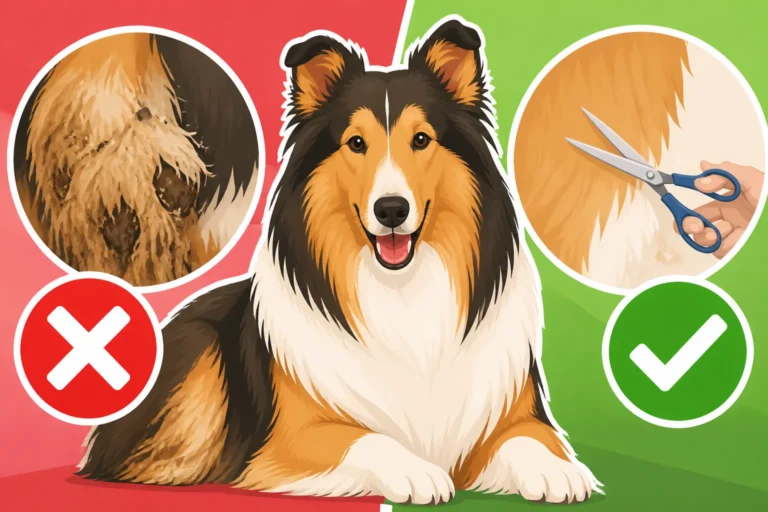
Keeping the fur around your Collie's eyes and muzzle neatly trimmed can also help. Long hair can wick tears onto the face, exacerbating tear staining, or even irritate the eye directly. If you trim at home, use blunt-nosed scissors and exercise extreme caution, or ask a professional groomer to do it for you. If your Collie is prone to seasonal allergies, try to wipe their face with a damp cloth after they've been outside to remove pollen and other allergens. You might also want to explore high-quality nutrition to support their overall health and immune system, with brands like Ollie offering fresh, balanced meals that can contribute to your dog's well-being.
Finally, always be aware of your Collie’s environment. Try to avoid exposing them to harsh chemicals, excessive dust, or strong winds. If your Collie is rubbing or pawing at their eyes due to an irritant, an Elizabethan collar (the cone of shame!) might be necessary temporarily to prevent them from causing further injury. For general health reminders, always ensure your vet has all relevant information, and it's good practice to discuss How a Collie Owner Tells the Vet About MDR1 so they are aware of any breed-specific drug sensitivities.
| Sign / Symptom | Normal Eye Discharge | Concerning Eye Discharge |
|---|---|---|
| Volume | Minimal, usually unnoticed | Excessive, constant wetness or streaming |
| Color/Consistency | Clear, sometimes tiny amount of off-white crust in mornings | Yellow, green, thick, pus-like, bloody |
| Frequency | Occasional morning crust | Persistent throughout the day |
| Associated Signs | Bright, clear eyes, no discomfort | Redness, swelling, squinting, pawing, cloudiness |
| Impact on Fur | No staining or dampness | Chronic tear staining (reddish-brown), damp fur below eyes |
Disclaimer
This article is for general informational purposes only and does not constitute professional advice. Laws, prices and regulations vary by location and change over time. Consult a qualified professional for guidance on your specific situation.