Whether an Old Collie Should Still Be Brushed Daily
As your beloved Collie enters their golden years, many of us find ourselves looking at that magnificent coat and wondering if our rigorous daily brushing routine is still necessary, or even kind. Their gait might be a little slower, their naps a little longer, and their patience for standing still for a full brush-out might be wearing thin, leaving you feeling guilty and unsure how best to care for their hallmark feature. This guide will help you understand the evolving grooming needs of your senior Collie, providing practical advice on adapting your routine to ensure their comfort and maintain their health without causing unnecessary stress.
The Evolving Needs of a Senior Collie's Coat
It's a common misconception that as Collies age, their coats become less demanding. In reality, while the sheer volume of coat might sometimes thin, the texture often changes, and their underlying skin becomes far more delicate. This means that while the frequency of your old routine might need adjustment, the attention to detail and gentleness of your grooming sessions actually become even more critical.
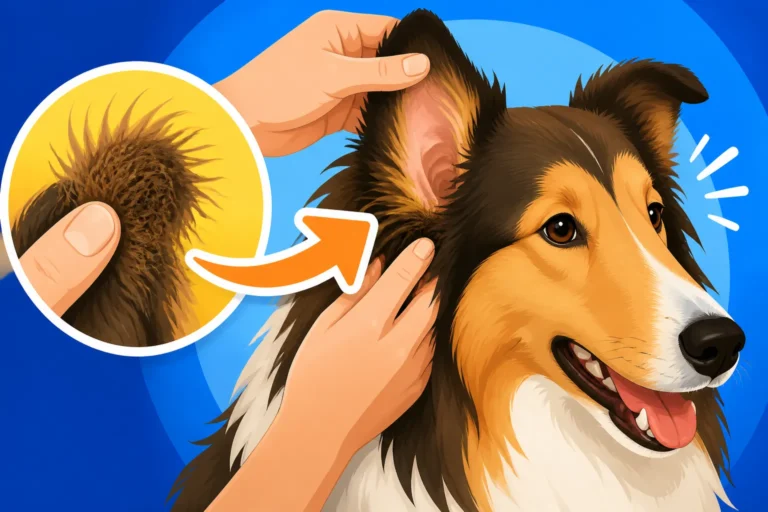
Think about it: a vibrant, active young Collie's skin is more resilient, and their coat has a certain elasticity. As they age, much like our own skin, a Collie's skin can become thinner, drier, and more prone to tearing or bruising. Hormonal changes, decreased circulation, and general aging can all contribute to a coat that might be drier, more brittle, or paradoxically, more prone to matting because the older hairs don't shed out as easily. This means brushing isn't just about appearance; it's a vital part of preventative health care. Ignoring it can lead to painful mats that pull on delicate skin, hide infections, or even exacerbate mobility issues by restricting movement.
Furthermore, older Collies often develop various lumps, bumps, or skin tags. Some are benign, some might be more serious, but all of them make careful grooming essential. You want to be able to monitor these changes regularly. Imagine trying to find a new growth on the skin of an older dog under a severely matted coat – it’s nearly impossible. Brushing provides that regular hands-on check, allowing you to catch anything new or concerning early, which is paramount when dealing with senior health. It's not just about getting rid of loose hair; it's about connecting with your dog and performing a vital health assessment. You might be surprised to learn about What Changes in an Old Collie's Coat as they age.
Rethinking the "Daily" Brush: Frequency and Comfort
The concept of "daily" brushing for a Collie, particularly a rough Collie, often stems from their younger, more active years when their full, luxuriant double coat was constantly picking up debris and undergoing more significant shedding cycles. For a senior Collie, a rigid "daily" schedule might actually be counterproductive, potentially causing discomfort or even pain if not approached with extreme care. The goal shifts from meticulous coat presentation to comfortable coat maintenance and overall well-being.
Instead of a strict daily regimen, I encourage owners of older Collies to transition to a "needs-based" approach, paired with consistent, short, and gentle sessions. This means observing your dog closely. Are they developing mats behind their ears, in their armpits, or under their 'petticoat' where their movement might be more restricted? Does their coat feel particularly oily or dry in certain spots? These observations should guide your grooming frequency. For many senior Collies, three to four thorough but gentle brush-outs a week might be perfectly adequate, provided you are vigilant about checking common matting areas daily with your hands.
The sheer physical act of standing or sitting for a prolonged grooming session can be a real challenge for an older Collie. Conditions like arthritis, hip dysplasia, or even just general stiffness can make certain positions uncomfortable or painful. Forcing them into a long session when they're visibly struggling can create a negative association with grooming, making future sessions even harder. Instead, breaking down grooming into shorter, more manageable sessions throughout the week, focusing on one section of the body at a time, can be far more effective and less stressful for both of you. You might spend ten minutes on their flanks and tail one day, and another ten minutes on their frill and legs the next. Remember, they often [Hide Pain], so watching for subtle signs of discomfort is key.
Listening to Your Collie's Body Language
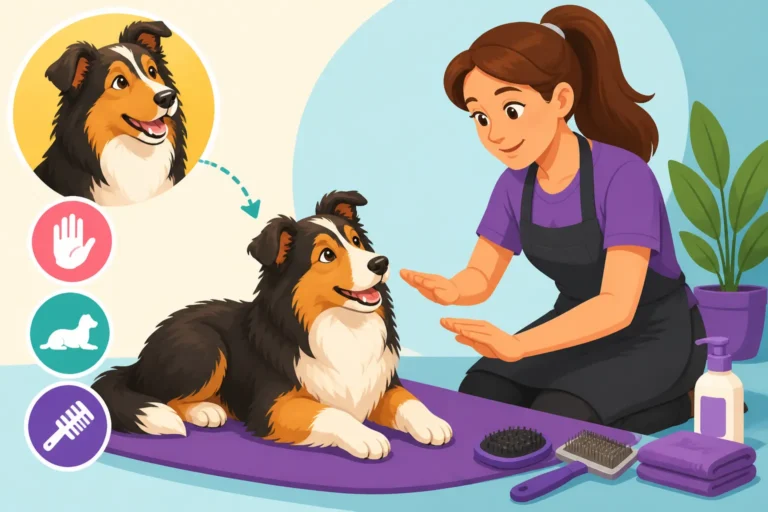
Your Collie's body language is your most important guide here. If they start shifting, sighing, or trying to walk away, it's time for a break. A low, soft grooming table with a non-slip mat can provide stability and save your back, but only if your Collie is comfortable getting on and off it. If they are struggling with mobility, lying down on a soft, supportive bed while you gently groom them might be a better option. The key is never to force it. Make it a positive, bonding experience with plenty of praise and perhaps a few soft treats. The amount of brushing needed also changes depending on How Long a Collie's Coat Blow Lasts which can be taxing on an older dog.
| Grooming Challenge in Senior Collies | Typical Signs | Recommended Approach |
|---|---|---|
| Increased Matting | Tangles behind ears, armpits, hocks, undercarriage; coat feels sticky | Short, frequent sessions; focus on problem areas; use detangling spray and wide-tooth comb. |
| Sensitive Skin | Redness, flakiness, irritation, new lumps/bumps; Collie pulls away from brushing | Use softer brushes (e.g., natural bristle or very soft pin brush); gentle strokes; avoid harsh pulling; regular skin checks. |
| Joint Pain/Stiffness | Difficulty standing/sitting, shifting weight, reluctance to be handled | Groom on soft, non-slip surfaces; allow lying down; frequent breaks; consider pain relief before grooming (consult vet). |
| Coat Dryness/Brittleness | Dull coat, increased static, easily broken hairs | Use conditioning sprays; consider diet supplements (fish oil); avoid excessive bathing; consult vet for underlying causes. |
Gentle Grooming Techniques for Your Aging Collie
Once you've accepted that "daily" might not be the golden rule anymore, the next step is adapting how you groom your senior Collie. It's all about making each session as comfortable, positive, and efficient as possible. The tools you use, the environment, and your approach all play a huge role in ensuring your beloved companion continues to enjoy their pampering time.
First, let's talk tools. Those robust slicker brushes or undercoat rakes you used on your young, dense-coated Collie might be too harsh for an older dog's more delicate skin. Consider switching to a softer pin brush with rounded tips, or even a natural bristle brush for general tidying and stimulating circulation. A good quality, wide-tooth metal comb is still invaluable for gently working through any small tangles, especially in those friction areas. Always have a detangling spray on hand – you can find excellent options on Chewy or Amazon. A quick spritz on a troublesome spot before you comb can make a world of difference, preventing painful pulling and snapping of brittle hair. Remember, you're not trying to strip vast amounts of undercoat like you might during a seasonal blow; you're maintaining comfort and preventing painful mats. Learning How to Line Brush a Collie can also be incredibly helpful, as it ensures you get down to the skin without pulling too much.
The environment matters greatly. A quiet, calm space away from household hustle and bustle is ideal. Lay down a soft blanket or a non-slip mat on the floor if your Collie prefers to lie down, or use a grooming table if they are still comfortable with it, ensuring it has a non-slip surface. The key is stability and comfort. Instead of asking them to stand for long periods, which can aggravate Signs a Collie Has Hip Dysplasia or arthritis, encourage them to lie down in a relaxed position. Support their body with pillows or blankets if needed, especially around aching joints. If your Collie is experiencing joint pain, even standing for a little while can be tough, so making sure they're as supported as possible is crucial.
Keep sessions short and sweet. Even if you only manage five to ten minutes, that’s better than no grooming at all, or a long, agonizing session that leaves your dog anxious. Focus on one area at a time. Work through a leg, then take a break. Tackle the frill, then let them wander off for a moment. Offer high-value treats (perhaps something senior-friendly like a softened jerky stick or a small piece of cooked chicken) throughout the session, associating grooming with positive rewards. Praise them constantly in a soothing voice. If they offer a paw or a gentle nudge, acknowledge it positively. This isn't just grooming; it's a vital part of your bond, a time for gentle reassurance and physical connection. For older dogs, considering a meal plan like Ollie, which often provides fresh, softer food options, might also subtly support their overall health, including skin and coat quality, from the inside out. Don't forget that Whether a Collie Needs Joint Support From Middle Age is an important consideration as well.
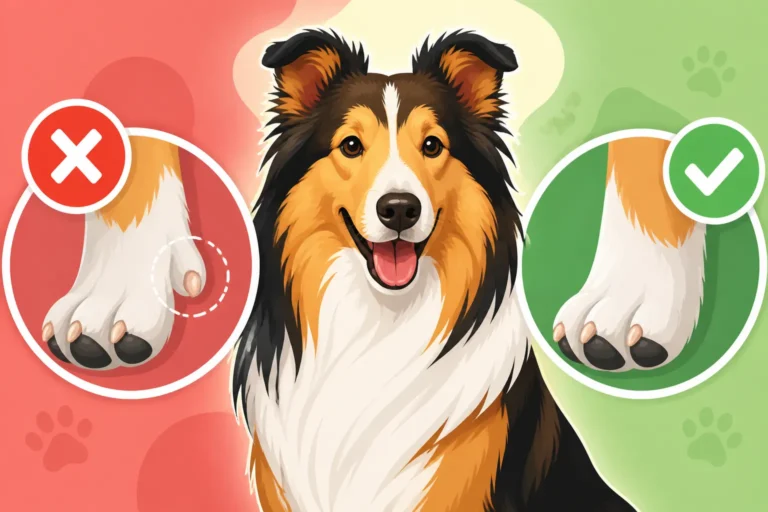
This regular, gentle interaction also serves as an invaluable health check. As you groom, run your hands over their entire body. Feel for any new lumps, bumps, or tender spots. Check their paws for overgrown nails (which can affect gait and cause pain), cracks, or debris. Look into their ears for redness or discharge, and gently check their eyes for any irritation. You're effectively performing a mini-vet check every few days, which is so important for detecting issues early in older dogs. If you notice any significant changes, don't hesitate to reach out to your veterinarian. Sometimes, an older Collie's coat issues can be a symptom of an underlying health problem, like thyroid issues or nutritional deficiencies. When in doubt, a professional groomer who specializes in senior dogs can also be a wonderful resource for a full, gentle brush-out or a sanitary trim if you find it too challenging at home. Knowing What a Professional Groom Costs on a Rough Collie can help you budget for this essential care.
Disclaimer
This article is for general informational purposes only and does not constitute professional advice. Laws, prices and regulations vary by location and change over time. Consult a qualified professional for guidance on your specific situation.