Whether a Collie Can Sleep Outside
It's a question many Collie owners, or those considering bringing one of these magnificent dogs into their home, grapple with: can a Collie comfortably and safely sleep outside? While their thick, luxurious coats might suggest they're built for the elements, the truth about a Collie's well-being goes far beyond just fur. This guide will delve deep into the physical and emotional aspects of leaving your beloved Collie outdoors overnight, exploring why it's generally not the best choice for this sensitive and family-oriented breed.
Understanding the Collie's Coat and Its Purpose
When you first lay eyes on a Rough Collie, their stunning double coat is often one of the first things that captures your attention. It's a marvel of nature, designed to protect them from various weather conditions. However, the protection it offers isn't a license for year-round outdoor living, especially when it comes to sleeping.
The Double Coat: Insulation and Protection
A Collie's coat consists of two distinct layers: a harsh, straight outer coat and a soft, dense undercoat. The outer coat acts like a waterproof barrier, shedding rain and snow, while the undercoat provides incredible insulation. In winter, this dense layer traps warm air close to their body, keeping them cozy even in chilly temperatures. Conversely, in summer, it actually helps to regulate their body temperature by preventing direct sunlight from reaching their skin and trapping a layer of cooler air if properly maintained. This intricate design is one of the reasons A Collie's Coat Is the Bill That Arrives Every Eight Weeks for professional grooming, or at least dedicated home care.
Many people assume that because their Collie has such a robust coat, they can withstand anything Mother Nature throws at them. While they are certainly more resilient to cold than, say, a short-haired Chihuahua, their coat has its limits. It's a fantastic natural insulator, but it's not a force field against prolonged exposure to extreme cold, biting winds, or torrential rain without adequate shelter. Even with their impressive fur, sustained dampness can penetrate to the skin, leading to chills or skin issues.
Why a Collie's Coat Isn't Just for Looks
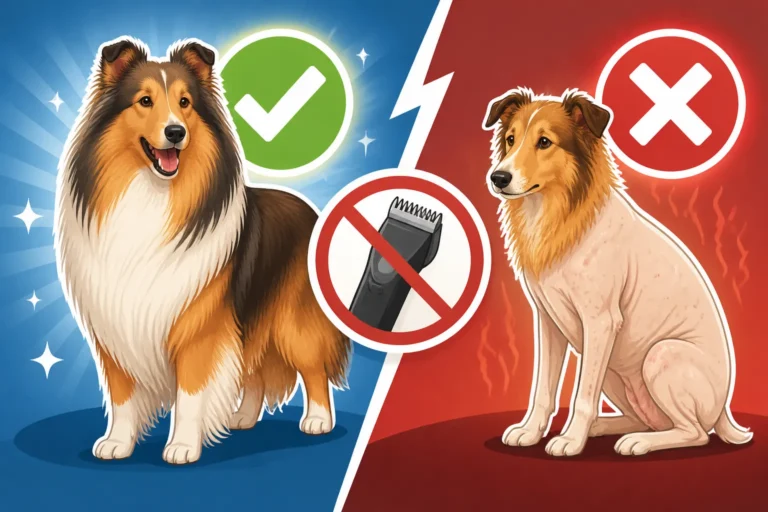
Beyond insulation, the Collie's coat serves other vital protective functions. It shields their delicate skin from scrapes, thorns, and insect bites when they're romping in the yard or exploring outdoors. It also acts as a natural sunscreen, protecting them from harmful UV rays. This is why you'll often hear discussions about Why a Collie Should Never Be Shaved, as shaving can strip them of these natural protections, leaving them vulnerable to sunburn and improper coat regrowth that actually reduces their ability to regulate temperature.
Think of their coat like a carefully engineered system. It works best when it's clean, free of mats, and allowed to do its job naturally. A matted coat, for instance, loses much of its insulating properties because the air pockets are compressed. If a Collie were to sleep outside regularly, keeping their coat in optimal condition would be a monumental task, especially given how easily dirt and debris can become embedded.
The Risks of Extreme Weather, Even with a Double Coat
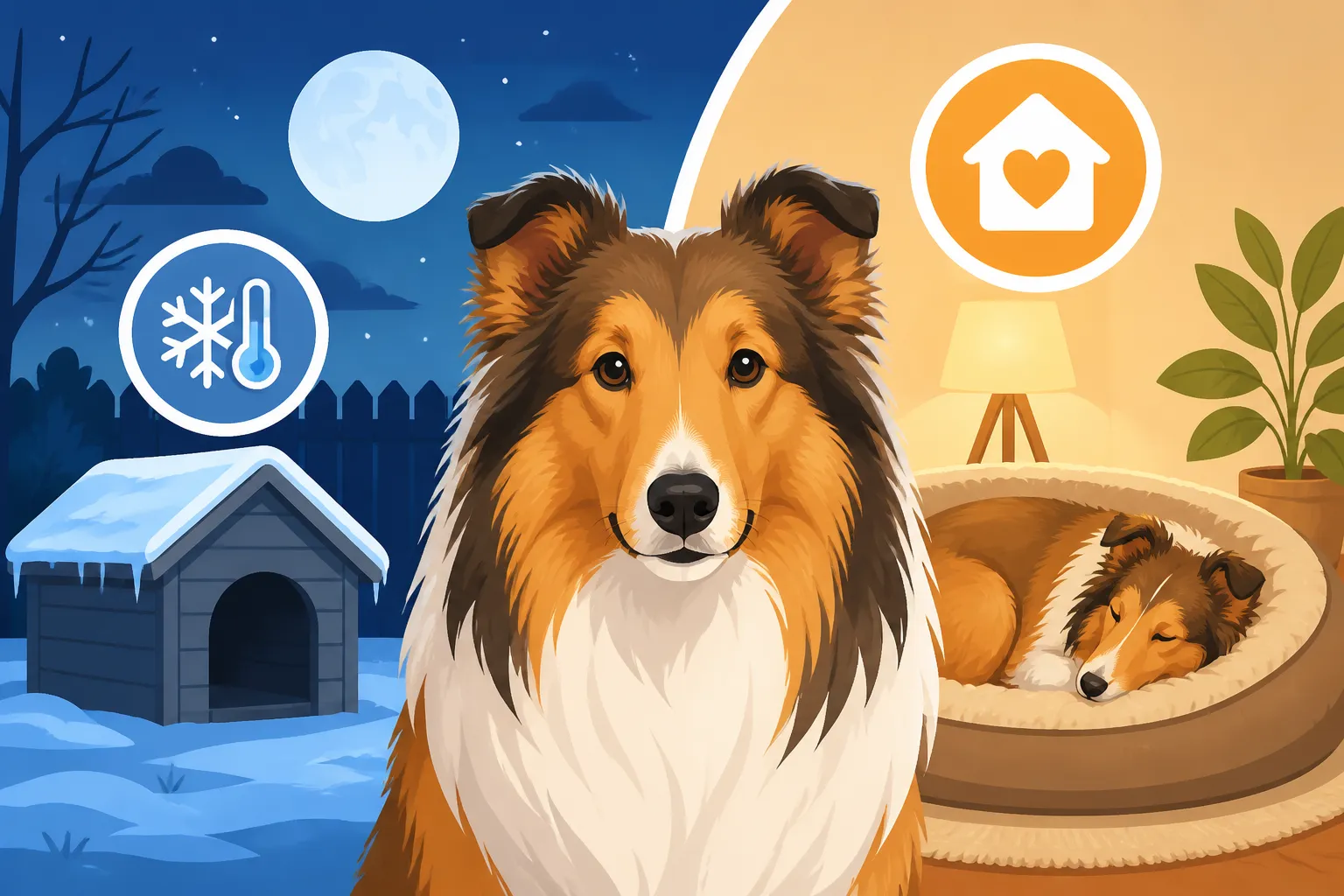
Despite their wonderful coats, Collies are still susceptible to the dangers of extreme weather if left outside for extended periods, especially overnight. Hypothermia is a real concern in freezing temperatures, particularly if their coat becomes wet or they don't have a dry, insulated place to rest. Conversely, in hot, humid weather, that same dense coat can become a detriment. While it can help regulate temperature, a Collie left in direct sun or without access to shade and plenty of fresh, cool water is at high risk for heatstroke. You might wonder Whether a Collie's Coat Protects It From Heat, and the answer is yes, to a degree, but it's not foolproof.
Even seemingly mild weather can pose risks. Sudden temperature drops, unexpected rain, or strong winds can quickly turn an acceptable outdoor situation into a dangerous one. A dog house, even a well-insulated one, can only provide so much protection. It's often not enough to truly replicate the safety and warmth of an indoor environment, where temperature and humidity are consistently controlled. We often anthropomorphize and think a thick coat means they're fine, but a Collie can become just as chilled or overheated as any other dog if their environmental conditions aren't managed thoughtfully.
The Collie's Temperament: Companionship and Security Needs
Beyond their physical resilience, the emotional and psychological well-being of a Collie is profoundly tied to their human family. This breed isn't just about pretty looks and a smart mind; they are deeply sensitive and connection-oriented animals. Expecting them to thrive in isolation, even with the best physical comforts, often overlooks their fundamental need for companionship.
Collies Thrive on Human Connection
Collies are renowned for their gentle, devoted, and intelligent nature. They bond intensely with their families and genuinely enjoy being part of the household activities. Many Collie owners describe their dogs as "velcro dogs" who love to be in the same room as their people, even if they're just quietly observing. They have an almost uncanny ability to A Collie Reads a Room Better Than It Reads a Command, picking up on moods and subtle cues, which only deepens their bond with humans.
Leaving a Collie to sleep outside, even if they have a decent shelter, effectively cuts them off from this vital human connection for a significant portion of the day and night. For a breed that thrives on being a central part of the family, this isolation can be emotionally distressing. They don't just "sleep"; they process, they observe, and they find comfort in proximity to their loved ones. Depriving them of this consistent interaction can lead to feelings of loneliness, anxiety, and even behavioral issues rooted in stress.
The Psychological Impact of Isolation
Imagine being the type of person who loves spending time with your family, knowing where everyone is, and feeling safe and secure in your home. Now imagine being asked to sleep in the backyard every night, alone. That's a rough analogy for what a Collie might experience. They aren't wild animals; they are domesticated companions who have evolved to live alongside humans. Their sense of security often comes from being near their pack, which is you.
Isolation can manifest in various ways for a Collie. Some might develop destructive behaviors, chewing on fences or digging holes, as an outlet for their anxiety or boredom. Others might become excessive barkers, a common Collie trait, trying to call attention to themselves or expressing their unease. You might even find yourself asking Why a Collie Barks and realizing that much of it stems from not feeling heard or included. Over time, consistent outdoor sleeping can lead to a less confident, less happy dog who misses out on the crucial bonding opportunities that happen during quiet evenings indoors.
Guarding Instincts vs. True Outdoor Living
It's true that Collies, being a herding breed, have a natural instinct to be vigilant and alert. They make excellent watchdogs, often barking to announce visitors or unusual sounds. However, confusing this inherent watchfulness with a desire to live outdoors as a perpetual guardian is a common misconception. Their guarding instinct is about alerting you to potential threats, not about being left alone to fend for themselves or patrol indefinitely.
A Collie's protective nature is best expressed from the safety of their home, where they can observe their territory and then rely on their human family to assess and respond. Being left outside all night can place an undue burden on them, making them feel solely responsible for the safety of the property without the comfort and backup of their human companions. This can lead to increased stress, hyper-vigilance, and a dog who is constantly on edge rather than a calm, secure protector. They want to be with you, not just guarding your property from a distance.
Practical Considerations for Outdoor Sleeping
Beyond the emotional and physical needs of a Collie, there are numerous practical concerns that make long-term outdoor sleeping a less-than-ideal choice for this breed. These factors range from basic necessities like shelter and water to more insidious threats like pests and theft.
Shelter, Water, and Protection from Elements
If you were to consider having your Collie sleep outside, providing adequate shelter is paramount – and we're talking about more than just a flimsy doghouse. The shelter needs to be well-insulated, weatherproof, and elevated off the cold, damp ground. It should be large enough for them to stand, turn around, and lie down comfortably, but not so large that it can't retain body heat in cold weather. This often means investing in specialized, high-quality dog houses, which can be quite an expense. Materials like cedar, thick insulation, and even heated pads (safely installed) might be necessary depending on your climate.
Access to fresh, unfrozen water is also non-negotiable. In winter, this means heated bowls or frequent checking to ensure the water hasn't turned to ice. In summer, multiple water sources in shaded areas are essential to prevent dehydration, especially as Collies can overheat. Even with these provisions, the constant battle against changing weather patterns, ensuring consistent hydration, and maintaining the integrity of the shelter itself can become a full-time job. You might find items like heated water bowls or heavy-duty shelters on Amazon or specialized pet supply retailers like Chewy.
Predators, Pests, and Unseen Dangers
Leaving a Collie outside, even in a fenced yard, exposes them to a myriad of dangers that are far less prevalent indoors. Depending on your location, this could include everything from coyotes and foxes to larger predatory birds, raccoons, or even stray dogs. While a Collie is a good-sized dog, they are not invincible, and encountering a determined predator can have tragic consequences.
Beyond predators, there's the constant threat of parasites. Fleas, ticks, mosquitoes, and other biting insects are much more prevalent outdoors. These aren't just annoying; they can transmit serious diseases like Lyme disease, heartworm, and ehrlichiosis. Regular preventative measures, perhaps with products ordered from Chewy, become even more critical, but they don't eliminate the risk entirely. Furthermore, there are unseen dangers like poisonous plants, toxic chemicals (pesticides, antifreeze), and foreign objects that a curious dog might ingest. Theft is another heartbreaking reality; a dog left outside unattended is a much easier target for dognappers than one secured indoors.
Health Monitoring and Bonding Time
One of the most significant drawbacks of a Collie sleeping outside is the diminished opportunity for close health monitoring and bonding. When your dog lives indoors, you naturally observe them throughout the day and evening. You notice subtle changes in their appetite, bathroom habits, energy levels, or any new lumps, limps, or odd behaviors that could signal a health issue. This early detection can be critical for many conditions, especially those common in the breed, such as Bloat in a Deep Chested Collie or Epilepsy in the Collie.
An indoor Collie receives constant, informal check-ups from their family. An outdoor Collie, however, might go unnoticed for hours or even overnight if they're experiencing discomfort or illness. This delay in recognizing and addressing health problems could have serious implications. Moreover, much of the loving interaction and quiet companionship that forms the bedrock of the Collie-human bond happens indoors. Cuddles on the couch, gentle grooming sessions, and simply being present in each other's lives are all crucial components of their well-being. Consider a premium dog food from a brand like Ollie to support their health, which is easier to monitor when they are close by.
Indoor vs. Outdoor Sleeping for Your Collie: A Comparison
To help you visualize the stark differences, here's a comparison of what indoor versus outdoor sleeping means for your Collie.
| Feature | Indoor Sleeping | Outdoor Sleeping |
|---|---|---|
| Companionship | High; constant interaction, strong family bond. | Low; isolation, potential for loneliness and anxiety. |
| Environmental Control | Excellent; regulated temperature, dry, safe. | Poor; exposed to weather extremes, dampness, cold/heat. |
| Safety | High; protected from predators, theft, toxins. | Low; vulnerable to predators, theft, environmental hazards. |
| Health Monitoring | Easy; subtle changes in health easily noticed. | Difficult; illness or injury may go unnoticed for hours. |
| Grooming/Cleanliness | Easier to maintain coat, less exposure to dirt/burrs. | Harder to keep coat clean, higher risk of mats/pests. |
| Behavior | Generally calmer, more secure, fewer anxiety-related issues. | Potential for stress barking, destructive behaviors, hyper-vigilance. |
| Bonding | Strengthened through proximity and shared space. | Weakened by distance and lack of shared experience. |
| Cost | Minimal additional cost for sleeping arrangements. | Significant investment in secure, insulated shelter, heating/cooling. |
Creating the Ideal Indoor Sleeping Environment for Your Collie
Since the overwhelming evidence points to indoor sleeping being the healthiest and happiest option for a Collie, let's talk about how to make that environment perfect for them. It doesn't have to be complicated, but it should be thoughtful.
Comfort and Security: Their Own Space
Every Collie, even if they share your bed (and let's be honest, many do!), benefits from having their own designated space. This could be a comfy dog bed, a crate, or a mat in a quiet corner of a family room or bedroom. The key is that it's a place where they feel safe and secure, a personal sanctuary they can retreat to. Look for durable, washable beds, perhaps memory foam for older dogs. You can find a wide variety of options on Chewy or Amazon.
Ensure their sleeping spot is away from high-traffic areas where they might be constantly disturbed. It should also be free from drafts and direct sunlight that could make them too warm. A soft blanket or an old piece of your clothing can provide extra comfort and a familiar scent. Establishing this routine and space early, especially for a puppy, helps them understand where they belong and reinforces their security within the family unit.
Managing Temperature and Noise
One of the greatest advantages of indoor sleeping is the ability to control the environment. In winter, your home's heating keeps them warm and cozy. In summer, air conditioning or fans prevent overheating, which is especially important for a double-coated breed. Remember that even with their coat, a Collie can still be susceptible to heat stress, so a cool, well-ventilated spot is always a good idea. You might even find Whether a Collie Needs a Cooling Mat in Summer to be a relevant consideration depending on your climate.
Noise levels are another factor. While Collies can be accustomed to household sounds, a consistently noisy or chaotic sleeping environment isn't conducive to restful sleep. A quiet corner where they can truly relax without constant disturbances is ideal. This is also where you can observe them for things like Signs a Collie Is Bloating or other nocturnal health issues that might otherwise go unnoticed.
The Importance of Routine
Dogs thrive on routine, and bedtimes are no exception. Establishing a consistent evening schedule helps your Collie understand what to expect. This might include a final potty break, a quiet chew toy, or a last cuddle before settling down. A predictable routine reduces anxiety and helps them wind down for the night, making for a more peaceful sleep for everyone.
Remember, a Collie is not just a pet; they are a loyal and loving family member. Their well-being, both physical and emotional, is intrinsically linked to their bond with you and their place within your home. Providing them with a safe, comfortable, and connected indoor sleeping environment is one of the best ways to honor that bond and ensure they live a long, happy, and healthy life by your side. How Long a Collie Lives and What Ends It often comes down to good care and strong companionship.
Disclaimer
This article is for general informational purposes only and does not constitute professional advice. Laws, prices and regulations vary by location and change over time. Consult a qualified professional for guidance on your specific situation.