Whether a Collie Puppy’s Coat Predicts the Adult One
Many new Collie puppy parents gaze at their adorable, fluffy bundles, wondering if that soft coat will transform. It’s a completely natural question, especially given the magnificent adult coats Collies are known for. The journey from a soft puppy fluff to a dense, regal adult mane can be perplexing. This guide sheds light on how a Collie puppy's coat develops, what changes to anticipate, and how to best care for it through its various stages.
The Myth and the Reality: Puppy Coat vs. Adult Coat
When you bring home a Collie puppy, you're usually greeted by a soft, downy coat that feels like pure silk. It's often lighter in texture and not nearly as dense as what you see on an adult show Collie or even a well-groomed pet. This initial fluff can be quite misleading, leading some owners to believe their dog will always have such a manageable, fine coat. The reality, however, is that this puppy coat is just the beginning of a remarkable transformation. It's a temporary stage, much like a baby's soft hair before their adult hair comes in, and it's important to understand this distinction from the start.
This puppy coat serves its purpose, providing warmth and protection to a developing body, but it simply isn't equipped for the full range of weather conditions or the specific structural needs of an adult Collie. What you're seeing is a single layer of fine, often wispy fur, lacking the robust guard hairs and dense undercoat that are characteristic of the mature breed standard. Owners often worry that if their puppy isn't already a miniature version of a fully coated adult, something is wrong, but nothing could be further from the truth. Every Collie goes through a significant coat change, and patience is key.
The Fluffy Stage: What to Expect from a Collie Puppy's Coat
In their earliest weeks and months, Collie puppies are typically adorable balls of fluff. Their coats are generally softer, finer, and much less dense than what they will eventually become. If you have a rough Collie, you might notice some feathering already starting on the legs and tail, but the body coat will be relatively even and without the dramatic mane, frill, and petticoat that develop later. Smooth Collies also have a distinctly softer, shorter coat as puppies, which will thicken and stiffen slightly with age, though never to the length of a rough variety. This fluffy stage is when grooming seems easiest because there's just less hair to deal with, but it's also the crucial time to introduce grooming routines gently.
The color of a puppy's coat might also look different during this stage. Sable Collies, for example, often start out with very light, almost golden fur, sometimes with faint black tipping. As they mature, the sable can deepen significantly, and the black overlay becomes much more prominent, especially along the back and tail. Blue merle puppies might have lighter, more washed-out merling patterns, which will intensify and become more distinct as their adult coat grows in. Tricolors are usually fairly consistent in their marking from puppyhood, but the black can look less rich until the denser adult guard hairs emerge. It's fascinating to watch these subtle shifts over time, but it certainly keeps you guessing!
The "Uglies" Stage: When the Puppy Coat Starts to Change
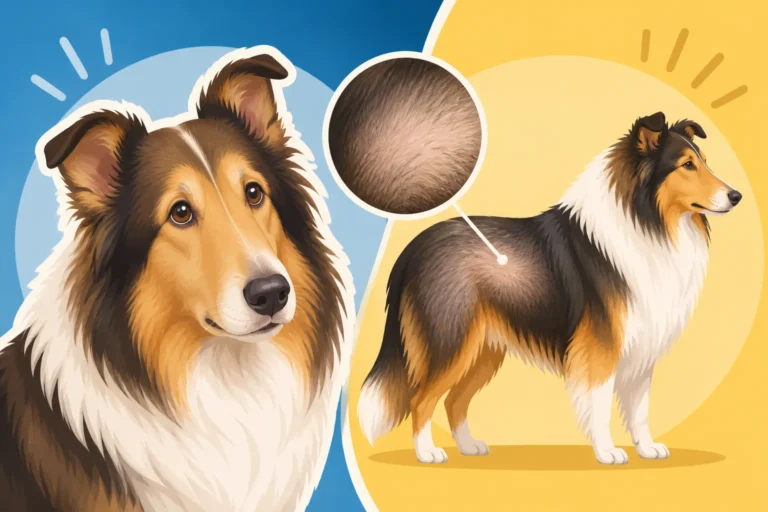
Around four to seven months of age, many Collie puppies enter what breeders affectionately call "the uglies" stage. Don't worry, it's not truly ugly, but it can be a bit awkward! This is when the soft puppy coat starts to shed out, making way for the coarser, denser adult coat to grow in. You might notice patches of longer, thicker hair appearing alongside areas where the coat still looks sparse or flat. The puppy can look a bit disheveled, uneven, and gangly as their body grows faster than their new coat can keep up. It's during this time that the new guard hairs, which are longer and stiffer, begin to emerge, and the dense undercoat starts to develop.
This transition period is often marked by increased shedding and the beginning of matting if not properly managed. The fine puppy fur tangles easily with the incoming adult hairs, creating a perfect storm for knots, particularly behind the ears, in the armpits, and on the breeches. This is why consistent, gentle grooming is so vital during this stage. It's not just about tidiness; it's about making the process comfortable for your puppy and preventing painful mats that might require professional intervention. Many owners get frustrated and think their puppy's coat is problematic, but it's just a normal, albeit ungainly, part of growing up.
| Characteristic | Puppy Coat | Adult Coat (Rough Collie) | Adult Coat (Smooth Collie) |
|---|---|---|---|
| Texture | Soft, downy, fine | Coarse guard hairs, dense soft undercoat | Hard, dense, smooth, close-lying |
| Density | Relatively sparse | Very dense, double coat | Dense, single layer (or very minimal undercoat) |
| Length | Shorter, even | Long, especially on mane, frill, breeches, tail | Short (approx. 1 inch) |
| Color Intensity | Often lighter, less defined | Deeper, richer, more defined markings | Similar to puppy, but can deepen slightly |
| Grooming Need | Moderate, for habit formation | High, especially during coat blow | Low to moderate |
Understanding the Collie Coat Development Timeline
The development of a Collie's coat is a gradual process, not an overnight switch. It's deeply tied to their overall physical maturation, hormonal changes, and even environmental factors. While there's a general timeline, every Collie is an individual, and some might develop their full adult coat faster or slower than others. Understanding these stages can help you manage your expectations and provide the right care at the right time. It's a common misconception that once the puppy fluff is gone, the adult coat is fully in, but the truth is, the coat will continue to mature and thicken for a couple of years.
The full glory of a rough Collie's coat, with its abundant mane, impressive frill, and flowing petticoat, usually isn't seen until they are two or even three years old. Smooth Collies, while less dramatic, also experience a similar thickening and development of their adult texture within the same timeframe. Factors like genetics play a huge role; if a puppy comes from parents with exceptionally dense or long coats, they are more likely to develop a similar coat themselves. Health and nutrition also impact coat quality significantly, so a balanced diet and good veterinary care are non-negotiable for optimum coat development.
Key Stages of Coat Transition
The coat transition in a Collie typically unfolds in several key stages. The first is the initial soft puppy coat, which lasts from birth until about 4-6 months. During this time, the coat is easy to manage, but it's important to get your puppy used to being brushed. Think of it as practice for what's to come. We want to teach them that grooming is a pleasant experience.
Next comes "the uglies," starting around 4-7 months and often lasting until 12-18 months. This is the most challenging period for grooming. The puppy coat is shedding out, and the adult guard hairs and undercoat are growing in. You'll notice a lot more shedding, and mats can become a real issue. This is when regular, thorough line brushing becomes absolutely essential. Ignoring it now will lead to much bigger problems later. Many owners find themselves looking for better brushes and detangling sprays during this time, perhaps browsing options on Amazon or checking out helpful grooming guides on forums.
Finally, from around 18 months up to three years, the adult coat fully establishes itself. The guard hairs reach their full length, the undercoat becomes dense and insulating, and the characteristic Collie furnishings – the mane, frill, and profuse feathering – develop. The coat will continue to fill out, and its texture will become more resilient. Even after this, a Collie's coat will undergo seasonal changes, becoming thicker in winter and shedding down in summer. Learning The Three Weeks Twice a Year When a Collie Buries Your House will become part of your regular routine.
Factors Influencing Coat Growth and Quality
Beyond genetics and age, several factors can significantly influence the growth and overall quality of your Collie's adult coat. Nutrition, for one, plays a paramount role. A diet rich in high-quality protein, essential fatty acids (like Omega-3 and Omega-6), and vitamins (especially B vitamins and Vitamin E) is crucial for healthy skin and a luxurious coat. Many premium dog food brands, available through retailers like Chewy or specialized subscription services like Ollie, formulate their foods to support coat health, often including ingredients like salmon oil, flaxseed, and biotin. If your Collie's diet is lacking, their coat can appear dull, dry, and sparse, no matter their genetic predisposition.
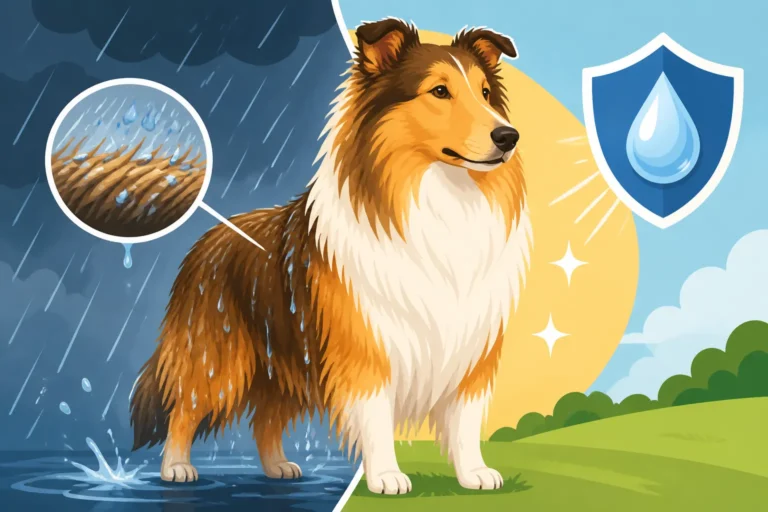
Hormonal status is another significant factor. Spaying or neutering can sometimes lead to changes in a Collie's coat, often resulting in a softer, fluffier texture that can be more prone to matting, sometimes referred to as "spay coat" or "neuter coat." While this doesn't happen to every dog, it's something to be aware of. General health and environmental conditions also play a part. A healthy dog with no underlying skin conditions or systemic illnesses will naturally have a better coat. Conversely, stress, parasites, allergies, or other health issues can all manifest in a poor, brittle, or shedding coat. Even exposure to harsh weather can affect coat condition, necessitating proper protection or indoor living conditions.
What to Look For: Predicting Adult Coat Characteristics
While the puppy coat isn't a direct mirror of the adult coat, there are certainly clues you can look for to get an idea of what your Collie's coat will become. It’s a bit like trying to predict a teenager’s future height from their toddler years; you can make an educated guess, but there will always be individual variations. Understanding these early indicators can help you anticipate future grooming needs and appreciate the unique development of your particular dog. It's a journey of discovery with each Collie, but some general rules apply.
Don't panic if your puppy doesn't have an overflowing mane at six months! That's simply not how it works. Instead, look at the parents of your puppy if you had the chance. Often, the breeder can give you an excellent indication of what to expect, as coat type and density are highly hereditary. They've seen many litters grow up and know the lines well. However, even within the same litter, there can be a range of coat types, from slightly less profuse to truly magnificent, reflecting the genetic diversity passed down.
Identifying Coat Type and Texture Early On
Even with the soft puppy fluff, you can often feel subtle differences that hint at the adult coat texture. For a rough Collie, you might feel a slightly coarser texture emerging along the spine or over the shoulders, even amidst the softer puppy fur. The guard hairs, which will eventually form the outer protective layer, will feel stiffer and more resilient. The thickness of the overall coat, even in puppyhood, can also give you an idea. A puppy with a very sparse, fine coat from the start might develop a less profuse adult coat than one that already feels quite dense. The smooth Collie puppy, likewise, will have a short, dense coat, but you can feel if it's trending towards a finer, softer texture or a slightly harsher, weather-resistant feel.
Another area to observe is the undercoat development. Gently part your puppy's fur, especially on their back or sides. If you see a fine, woolly layer beneath the longer guard hairs, that's the beginnings of the undercoat. A strong undercoat is essential for the characteristic density and insulating properties of the adult Collie coat. Puppies with a noticeable undercoat developing early are likely to have a much fuller adult coat. Remember, the goal isn't just length, but also proper texture and density for protection and aesthetic appeal.
Recognizing Potential Color Changes and Markings
Collie coat colors can undergo quite a transformation from puppyhood to adulthood, which often surprises new owners. Sable Collies are perhaps the most dynamic in this regard. A puppy that looks almost solid light gold or cream can, over time, develop a rich mahogany base with significant black tipping, often called "sable overlay," especially on the ears, back, and tail. The amount and intensity of this black tipping can vary greatly, and it's something that often becomes more pronounced as the dog matures and the adult guard hairs come in. Whether a Sable Collie Darkens With Age is a common question, and the answer is usually a resounding yes!
Blue merles also show changes. The patches of blue-gray can become more defined and distinct, and the black spotting within those patches can deepen in color. While the overall pattern of merling is usually set, its clarity and depth evolve. Tricolor Collies tend to be the most stable in terms of color, with their black, tan, and white markings remaining fairly consistent from puppyhood, though the black may appear richer as the coat thickens. White Collies, where white is the predominant color, usually maintain their base color, but any sable or merle patches can still undergo the changes described above. It's a wonderful journey to watch your puppy's true colors emerge!
Caring for the Developing Collie Coat
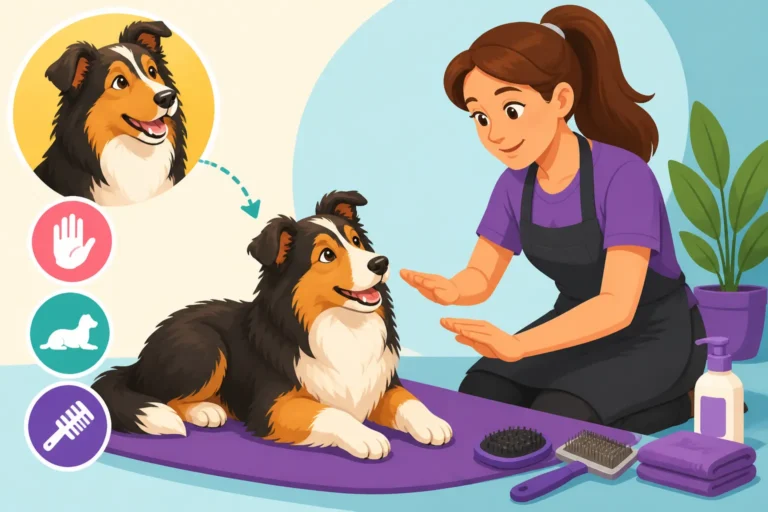
Caring for your Collie's coat is a lifelong commitment, but the transition from puppy fluff to adult glory is a particularly important phase. Establishing good grooming habits early on, providing optimal nutrition, and being prepared for the changes will make the process much smoother for both you and your furry friend. Neglecting the coat during this developmental period can lead to serious issues, including painful matting and skin problems, so proactive care is absolutely essential.
Think of it as an investment in your Collie's future comfort and health. A well-maintained coat isn't just about looking good; it's vital for their skin health, temperature regulation, and overall well-being. Getting your puppy accustomed to regular handling, brushing, and even the sound of a force dryer (if you plan to use one) will pay dividends down the line. It turns grooming into a positive bonding experience rather than a dreaded chore.
Essential Grooming During Coat Transition
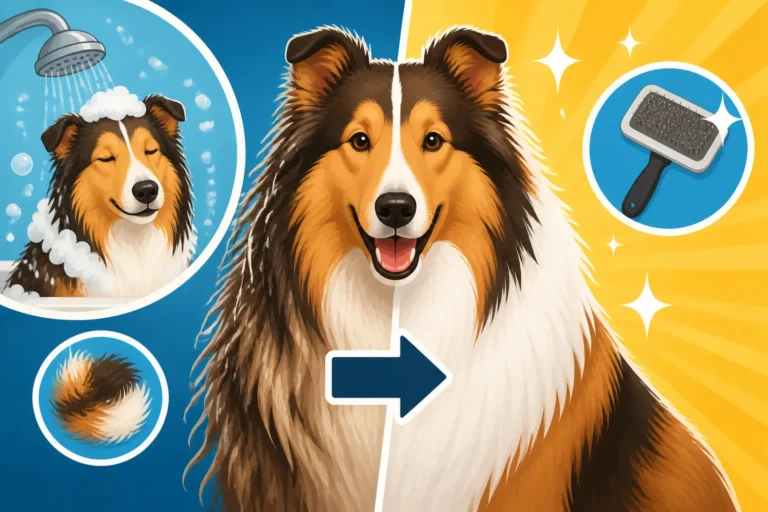
During the "uglies" phase, when the puppy coat is shedding and the adult coat is growing in, consistent grooming is absolutely paramount. You’ll need to step up your brushing routine significantly. Instead of just a quick surface brush, you'll want to practice line brushing to ensure you reach down to the skin and remove all the dead puppy fur and any emerging tangles in the undercoat. This often means brushing several times a week, if not daily, especially in areas prone to matting like behind the ears, under the chin (the frill), in the armpits, and on the breeches and tail. A good quality pin brush, a slicker brush, and a sturdy metal comb are your best friends here. For a comprehensive guide, check out Four Tools and Twenty Minutes: Brushing a Rough Collie.
Neglecting this period can lead to severe matting, which can be incredibly painful for your Collie and may require a professional groomer to carefully shave them out. If you have a rough Collie, be particularly diligent. Even smooth Collies, though their coats are shorter, still benefit from regular brushing to remove dead hair and stimulate the skin. Investing in a good detangling spray can also be incredibly helpful to ease through knots without causing discomfort. You can find excellent grooming tools and products on Chewy or Amazon, making it easy to stock up on everything you need. Understanding How Long Brushing a Collie in Full Coat Takes can help you set realistic expectations for your time commitment. You'll likely discover Where a Collie Mats First and focus your efforts there. And if you're ever curious about the sheer volume, How Much Hair Comes Off a Collie in a Session can be quite astounding!
Nutritional Support for a Healthy Adult Coat
As mentioned, nutrition plays a crucial role in coat development and health. A high-quality diet that is specifically formulated for large breeds or all life stages, with appropriate protein and fat levels, is the foundation. Look for foods where meat is the first ingredient, and that include healthy fats like fish oil or flaxseed. These provide essential Omega-3 and Omega-6 fatty acids, which are vital for skin elasticity and a shiny, healthy coat. If you're considering dietary supplements, Whether Fish Oil Improves a Collie's Coat is a definite yes, and it's a great addition for many Collies.
Beyond the main diet, some owners opt for additional supplements, always in consultation with their veterinarian. Biotin, zinc, and other B vitamins are often touted for their coat-enhancing properties. However, a balanced, complete commercial diet should ideally provide most of what your Collie needs. Hydration is also key; ensure your Collie always has access to fresh, clean water. A well-hydrated dog will have healthier skin, which translates directly to a healthier, more vibrant coat. Products from reputable brands like Ollie, which focus on fresh, balanced nutrition, can be an excellent option for supporting overall health, including coat quality. Feeding a Collie Through Its Growth and Its Coat delves deeper into these nutritional needs. You'll also want to consider Which Shampoo Suits a Collie's Coat for optimal skin and coat health during baths.
Disclaimer
This article is for general informational purposes only and does not constitute professional advice. Laws, prices and regulations vary by location and change over time. Consult a qualified professional for guidance on your specific situation.