What Royal Approval Did to Collie Demand
If you've ever admired the regal bearing of a Collie, seen their noble profile, and wondered how they became such an iconic breed, you're tapping into a history deeply intertwined with a very specific, powerful endorsement: royal approval. For many breeds, a sudden surge in popularity can lead to a mixed bag of consequences, from widespread recognition to a scramble for quick breeding that sometimes compromises health. This guide will delve into how Queen Victoria's affection for the Collie dramatically reshaped the breed's destiny, turning it from a hardworking droving dog into a symbol of elegance and companionship, and the lasting effects this shift had on the breed we know and love today.
The Royal Stamp: Queen Victoria's Fascination with the Collie
It's hard to overestimate the influence a reigning monarch held, especially during the Victorian era. When Queen Victoria developed a fondness for a particular dog breed, it wasn't just a personal preference; it was a powerful endorsement that reverberated through society, sparking trends and driving demand. Her discerning eye for the Collie would forever alter its path.
Balmoral and the Scottish Connection
Queen Victoria's love affair with Scotland, particularly her estate at Balmoral, played a pivotal role in her discovery of the Collie. Imagine the scene: the windswept Highlands, the rugged landscape, and the hardworking dogs indispensable to the local crofters and shepherds. The Queen and her family spent significant time at Balmoral, immersing themselves in Scottish life and culture. It was here, amidst the sheep-dotted hills and the diligent work of the estate staff, that she encountered the indigenous Collies. These were not the refined, long-nosed show dogs we often picture today; they were sturdy, intelligent, and supremely capable working dogs, valued for their herding prowess and loyalty.
Her connection with Scotland provided the perfect backdrop for her to observe these dogs in their natural element. She saw firsthand their remarkable intelligence, their unwavering devotion, and their ability to manage livestock with a quiet authority that was truly impressive. For a monarch who appreciated efficiency and loyalty, these traits were undoubtedly appealing. It wasn't just a casual glance; it was an appreciation forged through observation of their function and character in the wild, beautiful, yet demanding Scottish countryside. This initial exposure was far more profound than simply seeing a pretty face in a kennel. When Queen Victoria First Saw a Collie provides more detail on this crucial meeting.
The Queen's Personal Canines
Once smitten, Queen Victoria didn't just admire from afar; she acquired Collies for her own kennel, integrating them into her royal household. These were no longer just the dogs of common shepherds; they became companions to the most powerful woman in the world. Imagine the buzz! When word spread that the Queen herself owned Collies, it instantly elevated the breed's status beyond anything it had ever known. These dogs, once performing essential, utilitarian tasks, were now seen walking the grounds of royal palaces, receiving the same care and attention as other beloved royal pets.
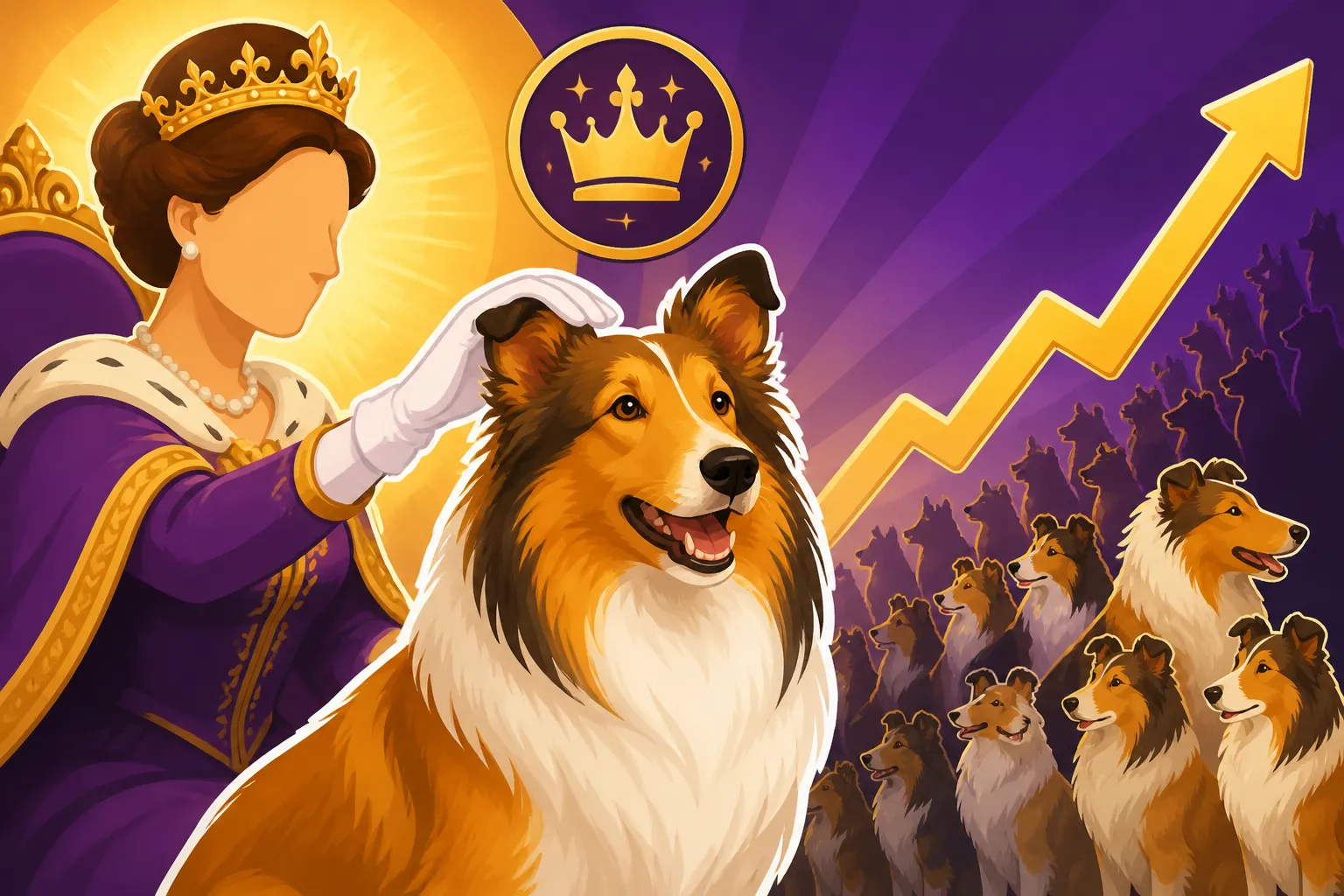
Among her most famous Collies were Sharp and Noble. Sharp, a rough-coated Collie, was reportedly a constant companion, known for his devotion and intelligence. Noble, another favorite, was even immortalized in paintings. These royal pets were more than just animals; they were living advertisements. The image of the dignified Queen with her loyal Collie at her side became a powerful symbol, particularly as photography and illustrated newspapers began to make such images widely accessible. This personal endorsement by the Queen was the ultimate seal of approval, signifying that the Collie was not merely a working animal but a dog worthy of noble companionship. Whether Queen Victoria Kept Collies at Balmoral explores her specific Collies and their place in her life further.
From Working Dog to Noble Companion: The Shift in Perception
The journey of the Collie from the rugged Scottish hills to the laps of the aristocracy wasn't merely a matter of geography; it was a fundamental re-evaluation of its identity. Royal approval acted as a catalyst, transforming how the breed was perceived and valued.
The Collie's Original Role
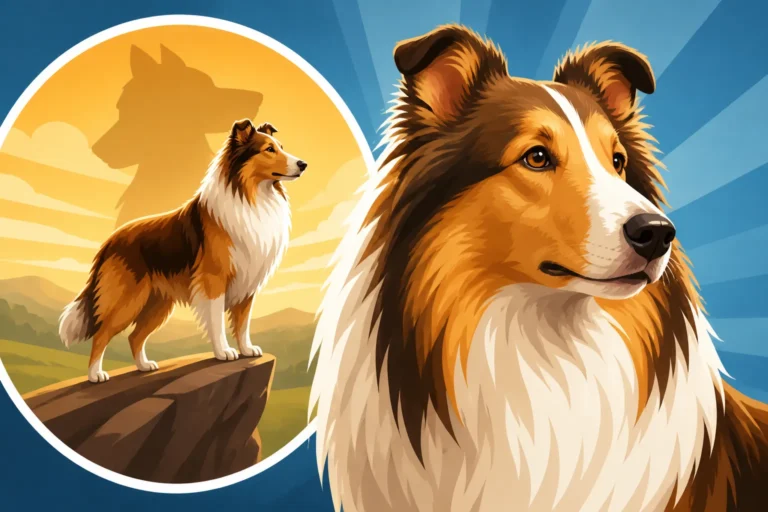
Before Queen Victoria's gaze fell upon them, Collies were, first and foremost, working dogs. Their purpose was clear: to assist shepherds in managing flocks across challenging terrain. They were bred for intelligence, stamina, a strong herding instinct, and a coat that could withstand the harsh Scottish weather. These dogs were indispensable tools, vital to the livelihood of their owners. Their value was intrinsically linked to their ability to perform demanding tasks, not their aesthetic appeal or their suitability as house pets.
Life for these original Collies was one of purpose and physical exertion. They were often housed outdoors, their diet might have been modest, and their training focused on practical skills. Their appearance, while attractive, was secondary to their functional capabilities. A dog with a keen eye for sheep and the endurance to work all day was prized above all else. This heritage as a robust, intelligent, and diligent worker is a cornerstone of the breed's temperament, even in modern times. The Collie Was a Scottish Droving Dog Before It Was a Show Dog delves deeper into their working origins.
The New Status Symbol
With royal approval came a dramatic shift in the Collie's social standing. Suddenly, owning a Collie wasn't just about needing a working dog; it became a statement. It signaled good taste, an appreciation for beauty, and a connection to the royal family's preferences. The breed was elevated from the farmyard to the parlor, from being a practical aid to a fashionable accessory. This new role required different attributes, or at least a different emphasis on existing ones.
Breeders, keen to capitalize on this newfound demand, began to select for traits that appealed to this new, more affluent clientele. Longer muzzles, more refined bone structure, and increasingly luxuriant coats became desirable. The dogs were still intelligent and loyal, but their physical appearance began to evolve to fit the emerging ideal of a graceful, elegant companion. This wasn't always a negative change; it certainly drew attention to the breed and ensured its survival and spread. However, it also marked the beginning of a divergence from its purely utilitarian roots, placing greater importance on conformity to an aesthetic standard rather than solely on working ability. This transformation saw the Collie become a true status symbol, highly sought after by those who wished to emulate royal tastes.
The Ripple Effect: Increased Demand and Breeding Trends
The royal seal of approval wasn't just a fleeting moment of fame; it instigated a profound ripple effect that transformed the Collie breed by sparking immense public demand and influencing breeding practices for generations.
Public Fascination and Acquisition
Once Queen Victoria's fondness for Collies became widely known, the public’s interest exploded. Everyone, it seemed, wanted a Collie. This was the era before mass media as we know it, but word of mouth, illustrated journals, and royal household reports ensured that trends set by the monarchy permeated society. From the burgeoning middle class to the gentry, aspiring dog owners flocked to acquire these newly fashionable canines. The perceived elegance, intelligence, and loyalty of the breed, combined with its royal endorsement, made it irresistible.
This surge in demand naturally led to increased breeding. Kennels across Britain and, eventually, in other parts of the world, began to focus on producing Collies. The market became incredibly competitive, and prices for well-bred puppies undoubtedly rose. Families, eager to have a piece of this royal trend, were willing to invest in a Collie. This era saw the breed’s numbers swell significantly, reaching a popularity peak that would endure for decades, further cemented by later cultural phenomena like the Lassie stories. Imagine the impact on dog shows and clubs; the Collie quickly became a prominent feature, drawing crowds and enthusiastic participants.
The Emergence of Show Lines
With public demand driving sales, breeders quickly recognized the need to define and refine the ideal Collie. This period saw the formalization of breed standards, driven largely by the emerging dog show culture. No longer were Collies judged purely on their herding ability; now, specific physical traits – head shape, ear set, coat length and texture, body conformation – became paramount. Breeders began to selectively breed for these aesthetic qualities, leading to the development of what we now recognize as the "show Collie."
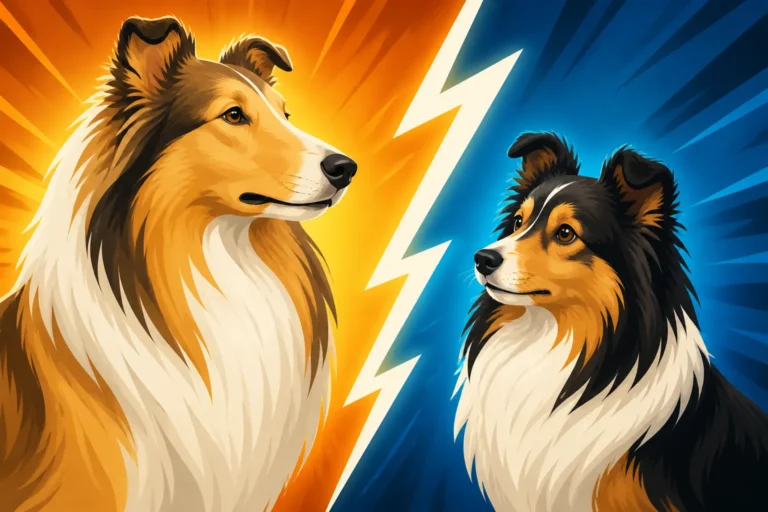
This focus on appearance led to significant changes. For instance, the demand for a longer, more refined head became a hallmark of the breed. This often meant breeding for a narrower skull and a more pronounced stop. While this pursuit of beauty gave us the iconic Collie silhouette, it also introduced potential challenges. The original working Collies were built for function, and sometimes, the extreme emphasis on certain aesthetic traits could inadvertently impact health or temperament if not managed carefully. The show ring became the arbiter of success, and winning dogs commanded higher prices and had a greater influence on future breeding stock. The table below illustrates some of the key differences that emerged:
| Feature | Pre-Victorian Working Collie | Post-Victorian Show Collie |
|---|---|---|
| Primary Focus | Herding ability, stamina, resilience | Aesthetic appeal, breed standard |
| Head Shape | Sturdy, functional, moderate length | Long, refined, elegant, narrow |
| Coat | Dense, weather-resistant, practical | Luxuriant, abundant, flowing |
| Temperament | Independent, driven, watchful | Companionable, gentle, intelligent |
| Body Build | Robust, agile, efficient | Graceful, balanced, substantial |
This shift meant that the characteristics defining a "good" Collie evolved dramatically, creating a distinct divergence between the traditional working type and the increasingly popular show type. Whether the Victorian Show Ring Changed the Collie's Head discusses this specific development in more detail, highlighting the changes in skull structure.
The Long-Term Consequences of Popularity
Any time a breed experiences a rapid ascent in popularity, there are inherent consequences, both positive and negative. The Collie's royal endorsement and subsequent surge in demand left a lasting imprint on the breed's health, temperament, and overall genetic makeup.
The Good: Broadened Reach and Recognition
On the positive side, Queen Victoria's approval dramatically broadened the Collie's reach. What might have remained a regional working dog, appreciated only by a niche group, became a globally recognized breed. This elevated status led to dedicated breed clubs, rigorous standard development, and a wider gene pool (initially, at least) as dogs were moved between kennels and countries. The breed gained immense visibility, ensuring its survival and allowing countless families to experience the joy of owning a Collie.
This recognition also brought resources. More people meant more enthusiasts dedicated to studying, understanding, and preserving the breed. Veterinary science advanced, and with increased ownership, more attention was paid to common Collie ailments and characteristics. Educational efforts within breed clubs, often focusing on responsible ownership and ethical breeding, also benefited from this expanded interest. Without that initial spark of royal fascination, the Collie might not have achieved such widespread affection and enduring presence in popular culture.
The Bad: Impact on Health and Temperament
Unfortunately, rapid popularity often comes with a dark side, and the Collie was not immune. The intense demand created an environment where quantity sometimes overshadowed quality in breeding programs. Less scrupulous breeders, eager to cash in on the trend, might have prioritized prolificacy and fashionable looks over health, temperament, and genetic diversity. This can lead to the widespread propagation of undesirable traits or genetic health issues that were less prevalent when breeding pools were smaller and focused purely on working ability.
For example, the drive for a refined head could, in some lines, lead to structural issues. More concerning, however, was the potential for the inadvertent breeding of dogs with genetic predispositions to certain health problems. When breeders focus primarily on physical appearance and don't rigorously health test their breeding stock, recessive genes for conditions can become more common in the population. The stress of high-volume breeding can also sometimes affect temperament, leading to dogs that might be more timid or less stable than their robust working ancestors. Owners must be vigilant and seek out reputable breeders who prioritize health and temperament through genetic testing and careful selection. What the Collie DNA Health Panel Covers discusses how modern breeders address these concerns, while Whether an Untested Collie Is Ever Worth Buying speaks to the risks involved in purchasing from less diligent sources.
The Enduring Legacy: Royal Influence Today
Even though Queen Victoria's reign ended more than a century ago, her influence on the Collie breed continues to echo through its modern form. The choices made by breeders and owners during that foundational period have shaped the dogs we cherish today.
The Modern Collie's Ancestry
Every modern Collie, whether a rough or smooth variety, carries within its genetic tapestry a thread leading back to those Victorian-era dogs. The emphasis on certain physical traits, like the elegant head and abundant coat, became so ingrained in the breed standard that they are now defining characteristics. The "look" of the Collie—its noble expression, its intelligent eyes, its refined silhouette—is a direct result of the selective breeding that began in earnest following royal endorsement.
Even aspects of temperament were subtly influenced. While the core intelligence and loyalty of the working Collie remained, the shift towards a companion animal meant that breeders favored dogs with gentle, biddable dispositions suited to family life rather than purely independent herding work. This is why today's Collies are known not only for their beauty but also for their calm demeanor and deep bond with their families. They are truly versatile dogs, able to excel in various roles from beloved pet to performance athlete, a testament to their adaptable nature and the foundations laid by their ancestors. When you look at a Collie today, you're not just seeing a dog; you're seeing a living piece of history.
Lessons from History for Today's Owners
The story of the Collie's rise to prominence thanks to royal approval offers crucial lessons for today's dog owners and aspiring owners. It highlights the power of popularity and the responsibility that comes with it. When a breed becomes highly sought after, there's always a risk that demand can outstrip ethical breeding practices. This underscores the importance of choosing a reputable breeder who prioritizes health, temperament, and genetic screening over mere aesthetics or quick profits.
As a potential Collie owner, understanding this history means appreciating the breed's dual heritage as both a rugged worker and a refined companion. It also encourages vigilance. Just because a breed is popular doesn't mean every dog available is of sound health or temperament. Researching genetic tests like those for MDR1 or Collie Eye Anomaly, asking for health clearances, and meeting the puppy's parents are vital steps. For instance, reputable breeders often have comprehensive health testing available for potential issues. Many responsible Collie owners rely on trusted sources for their pet supplies, like Chewy, ensuring their dogs receive quality nutrition and care that supports their health, especially considering the breed's unique needs. This historical perspective reinforces that the long-term well-being of the breed rests in the hands of informed owners and dedicated breeders. How Long a Collie Lives and What Ends It emphasizes the importance of responsible care throughout a Collie's life.
Navigating the Collie World Today: Informed Choices
The legacy of royal approval has imbued the Collie with an enduring grace and recognition, but it also necessitates a discerning approach when seeking to welcome one into your home. The demand ignited over a century ago continues to shape the breed's availability and the breeding landscape.
What to Look For in a Reputable Breeder
Given the historical context of increased demand potentially leading to less rigorous breeding, it's more critical than ever to identify breeders who are truly dedicated to the Collie's welfare. A reputable breeder won't just have beautiful dogs; they'll have a comprehensive understanding of the breed's health history, genetic predispositions, and temperament traits. They will be transparent about their breeding practices, openly discussing health clearances for conditions common in Collies and demonstrating a commitment to the breed standard in a holistic sense, encompassing health and temperament alongside appearance.
Expect a good breeder to be involved in breed clubs, participate in dog shows or performance events, and thoroughly screen potential puppy buyers. They should be able to provide documentation for genetic tests such as those for MDR1, Collie Eye Anomaly (CEA), and potentially others like Degenerative Myelopathy or Progressive Retinal Atrophy. They will also be eager to answer your questions, provide references, and offer ongoing support throughout your Collie's life. A breeder who focuses solely on coat color or quick sales, without mentioning health testing or requiring a thorough application process, should raise a red flag. The Three Genetic Tests a Collie Breeder Owes You is an excellent resource for understanding these essential health clearances.
Understanding the Breed Standard and its Evolution
The breed standard, which defines the ideal characteristics of a Collie, is a direct descendent of the decisions made during the post-Victorian era of rapid popularization. It details everything from the desired head shape, eye set, and ear carriage to coat texture, color, and overall proportion. While it provides a blueprint for consistency, it's important to remember that this standard itself evolved from a time when aesthetics gained prominence.
As a prospective owner, understanding the breed standard isn't about becoming a judge, but about appreciating the qualities that make a Collie distinct. However, it’s also about recognizing that a rigid interpretation solely focused on extreme aesthetic traits, without consideration for functional health, can be problematic. Responsible breeders strive for a balance, producing dogs that meet the standard’s beauty ideals while maintaining robust health and the characteristic gentle, intelligent temperament that has charmed people for generations. The true beauty of a Collie lies in this harmonious blend of form, function, and spirit.
Conclusion: A Royal Legacy with Modern Responsibilities
The story of the Collie's rise, spurred by Queen Victoria's royal approval, is a captivating tale of transformation. It’s the journey of a hardworking Scottish drover elevated to a symbol of grace and companionship, forever etched in the annals of dog history. While this royal endorsement undoubtedly secured the breed’s place in the public imagination, it also presented unique challenges, driving a demand that, at times, prioritized quantity and certain aesthetic trends over foundational health and temperament.
Today, we are the beneficiaries of that legacy. We enjoy the companionship of a breed known for its intelligence, loyalty, and striking beauty, a direct result of the passionate efforts of early enthusiasts and breeders. However, with this inheritance comes a modern responsibility. It's up to us, as current and future Collie owners, to ensure that the breed's well-being remains paramount. By making informed choices, supporting ethical breeders who champion health and temperament, and providing our Collies with attentive care and thoughtful training, we can honor their royal past and secure a vibrant, healthy future for this magnificent breed.
Disclaimer
This article is for general informational purposes only and does not constitute professional advice. Laws, prices and regulations vary by location and change over time. Consult a qualified professional for guidance on your specific situation.