What a Tricolor Collie Looks Like
It's truly a shame how often people misunderstand the magnificent range of Collie colors, especially when it comes to the classic tricolor. Many envision the famous Lassie as the sole representation, forgetting the stunning contrasts and depth that other coat patterns offer. This guide is here to unravel the distinct beauty of the tricolor Collie, helping you understand its unique appearance, what makes it so striking, and why this particular coloration holds a special place in the hearts of many enthusiasts.
Unpacking the Tricolor Collie's Distinctive Look
When you hear "tricolor," it immediately brings to mind a vibrant canvas of three primary shades, and on a Collie, this combination is nothing short of breathtaking. Unlike the sunny warmth of a sable or the marbled coolness of a blue merle, the tricolor offers a sophisticated, bold statement. It's a coat pattern that truly highlights the Collie's elegant lines and expressive face, making it easily recognizable once you know what to look for.
The Primary Black Blanket
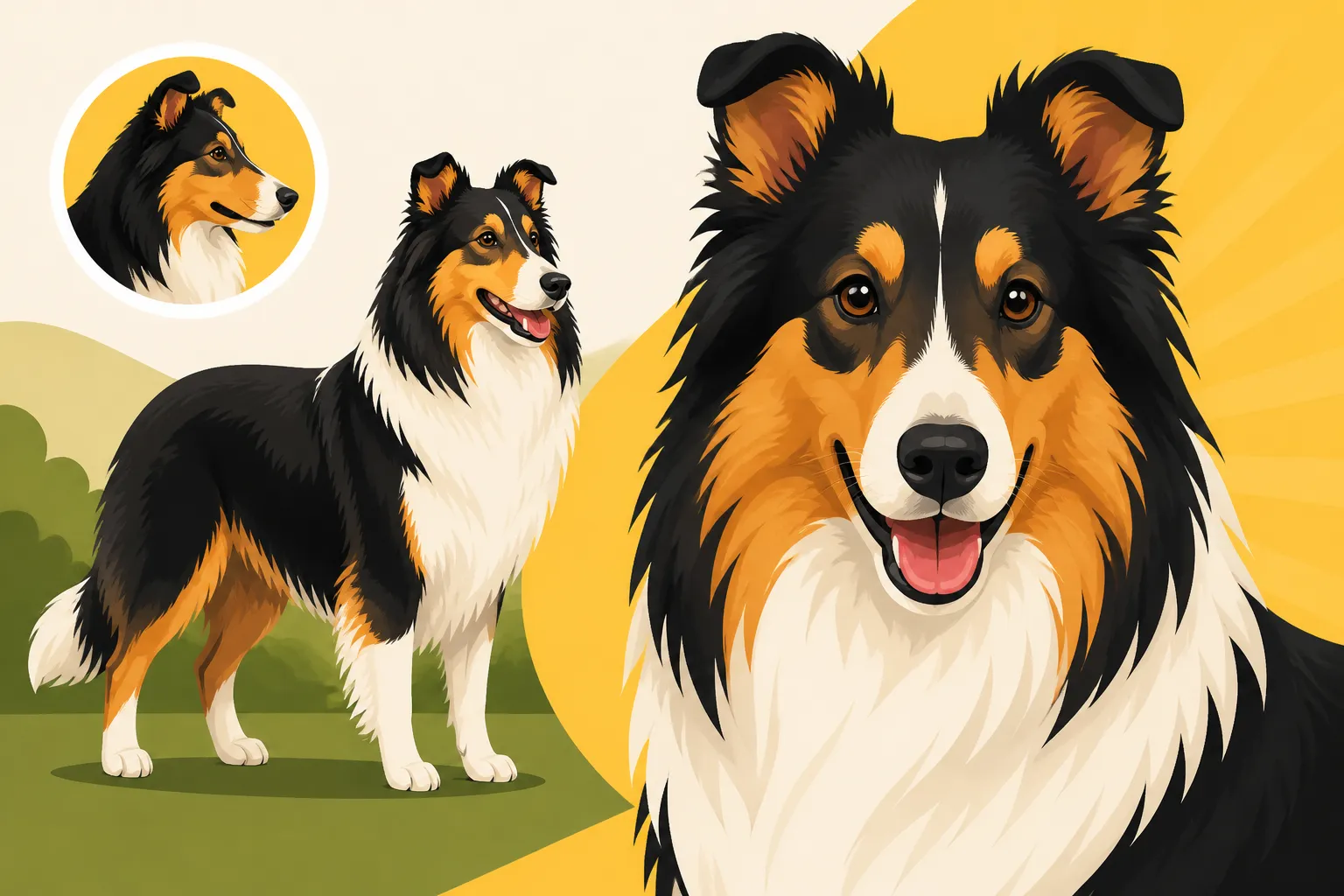
The foundation of any tricolor Collie is a deep, rich black. This isn't just a smattering of dark hairs; it's a dominant, almost velvety black that covers the majority of the dog's body, creating a striking contrast for the other two colors to play against. Imagine looking at a blanket of midnight blue, so dark it appears black, shimmering in the sunlight – that's the kind of depth and intensity we're talking about with a well-pigmented tricolor Collie.
This black usually extends across the back, flanks, and often over the head, giving the dog a regal, powerful silhouette. Sometimes, especially in direct sunlight, you might catch a glimpse of deep blue or even mahogany undertones within the black, adding another layer of visual interest to an already stunning coat. This solid base provides the perfect backdrop, allowing the white and tan markings to pop with incredible clarity. It's truly a marvel how nature orchestrates such a beautiful tapestry, giving each individual Collie a slightly different, yet equally captivating, expression of this genetic trait. Without this strong, unwavering black, the tricolor simply wouldn't have the same dramatic impact, which is why breeders pay close attention to pigmentation.
The Essential White Markings
No tricolor Collie would be complete without its signature white markings. These aren't just random patches; they typically appear in very specific, classic locations that define the breed's standard and enhance its dignified appearance. The most prominent white areas usually include a full or partial white collar around the neck, a blaze running up the face, and crisp white on the legs, feet, and the tip of the tail.
Think of it like perfectly placed highlights that break up the expanse of black and draw attention to the Collie's gentle eyes and intelligent expression. A full white collar, often called a "ruff" or "mane," frames the face beautifully, while the white blaze can be narrow and elegant or broad and bold, sometimes extending up between the eyes and even onto the forehead. The white on the legs and feet gives the dog a clean, almost sock-like appearance, which is particularly charming. These white areas should be clean, clear, and sharply defined against the black, adding to the overall polished look. Keeping these white sections pristine, especially after a muddy walk, can be a bit of a job, but it’s definitely worth it to see that stark contrast on your beautiful companion. Many Collie owners keep a good whitening shampoo from places like Chewy on hand for those inevitable adventurous days.
The Distinctive Tan Points
The "tri" in tricolor officially refers to the presence of distinct tan points. These aren't large patches, but rather smaller, strategically placed accents of rich, warm tan or mahogany that bring warmth and depth to the coat. You'll typically find these tan points appearing on the cheeks, over the eyes (often described as "eyebrows"), on the insides of the ears, and sometimes around the vent and on the lower legs.
These tan points are what truly differentiate a tricolor from a "black and white" Collie, adding that vital third color to the palette. The eyebrows, in particular, give the Collie an incredibly expressive face, almost as if they're constantly communicating their thoughts and feelings through their lifted brow. The shade of tan can vary from a light, golden biscuit to a deep, burnished copper, but it should always be clear and vibrant, not muddy or faded. These points act like an artist's final touch, adding warmth and intricate detail that prevent the black and white from appearing too stark or cold. It's these subtle, yet powerful, splashes of tan that round out the tricolor pattern, completing its iconic and beloved look.
The Genetic Blueprint of the Tricolor Pattern
Understanding how a tricolor Collie gets its stunning coat involves a peek into some fascinating canine genetics. While we don't need a biology degree to appreciate their beauty, knowing a little about the genes at play can deepen your appreciation for how truly special each tricolor dog is. It's a testament to the intricate dance of inherited traits that results in such a distinctive and classic pattern.
The Dominant Black Gene
At the heart of the tricolor Collie's appearance is the dominant black gene, often referred to as the 'K' locus. This gene dictates whether the dog will have a black base coat or another color like sable. In a tricolor, this dominant black gene ensures that the primary color produced by the hair follicles is indeed black, rather than the red or yellow tones we see in sable Collies.
Think of it as the ultimate decision-maker for the darkest pigment in the coat. If a Collie inherits at least one copy of this dominant black gene, it will express black as its main body color, regardless of other underlying genes that might try to produce red. This is why you never see a sable tricolor; the dominant black gene overrides the ability for those red tones to show across the main body. The intensity of this black can be influenced by other modifier genes, leading to the rich, deep tones we discussed earlier. Breeders who specifically aim for tricolor puppies need to ensure that at least one parent carries and passes on this crucial dominant black gene to establish that essential dark canvas.
The White Factoring and Piebald Gene
The white markings on a tricolor Collie aren't just a random occurrence; they're governed by specific genetic factors, most notably the piebald gene, often at the 'S' locus. This gene controls the distribution and extent of white spotting on the coat. In Collies, the expression of this gene typically results in the characteristic white collar, blaze, and leg markings that are so admired.
The piebald gene essentially tells certain areas of the dog's skin not to produce pigment, resulting in those crisp white patches. The degree of white can vary, which is why some tricolors have a full, broad white collar and extensive white on their legs, while others might have a more minimal "Irish spotting" pattern with just a white chest, feet, and tail tip. This isn't usually considered a health issue in Collies, unlike the extreme white of some "double merles" which can be linked to deafness or blindness. However, the precise placement and balance of white are highly valued in the show ring. Responsible breeders, guided by genetic testing, ensure they're producing well-marked dogs without veering into patterns associated with potential health complications, ensuring the beauty doesn't come at a cost to the dog's well-being. The Three Genetic Tests a Collie Breeder Owes You is a great resource if you want to dive deeper into responsible breeding practices.
The Tan Point Gene
The final piece of the tricolor puzzle is the tan point gene, located at the 'A' locus. This gene is responsible for producing the warm, reddish-brown markings on specific areas of the dog's body, completing the classic three-color pattern. Without this gene, a dog with a black base and white markings would simply be a "black and white" or "bi-black" Collie, lacking that crucial third color.
This gene dictates that black pigment will be restricted to the back and sides, while tan pigment appears on the muzzle, eyebrows, chest, and legs. It's a recessive gene, meaning a Collie needs to inherit two copies of it (one from each parent) to display the tan points. If a Collie only inherits one copy, it might carry the trait but won't show it, meaning it could still pass it on to its offspring. The specific shade and intensity of the tan points can also be influenced by other modifier genes, leading to variations from light cream to deep rust. This genetic interplay is what makes each tricolor truly unique, even while adhering to the breed's general pattern. It's a marvelous example of how complex inheritance patterns create the rich diversity of coats we see in our beloved Collies.
Common Tricolor Variations and Misconceptions
While the core elements of a tricolor Collie's coat are consistent, there's always a degree of natural variation. It's easy to assume all tricolors look exactly alike, but just like people, no two Collies are ever truly identical. Understanding these nuances and clarifying common misconceptions can help you appreciate the full spectrum of tricolor beauty and avoid confusing them with other beautiful Collie coat patterns.
"Heavy" vs. "Light" Tricolors
When people talk about "heavy" or "light" tricolors, they're usually referring to the amount of white and tan present on the dog. A "heavy" tricolor will have extensive white markings, often including a full, wide white collar, a broad facial blaze, and a generous amount of white on the legs and chest. The tan points, while still distinct, might also be more pronounced and cover a slightly larger area.
On the other hand, a "light" tricolor will have more black on its body, with more minimal white markings. This might mean a broken collar, a narrower blaze, and less white on the legs. The tan points would still be present but could be less extensive or a lighter shade. Neither is inherently "better" than the other; it's simply a matter of preference and the genetic lottery. Both can be equally stunning, offering different aesthetic appeals. A heavy white tricolor might catch your eye with its bold contrasts, while a light tricolor offers a more subtle, elegant presentation with the black dominating. These variations keep things interesting and ensure that every tricolor Collie has its own unique charm. It's all part of the natural beauty of the breed.
Tricolor vs. Blue Merle: A Crucial Distinction
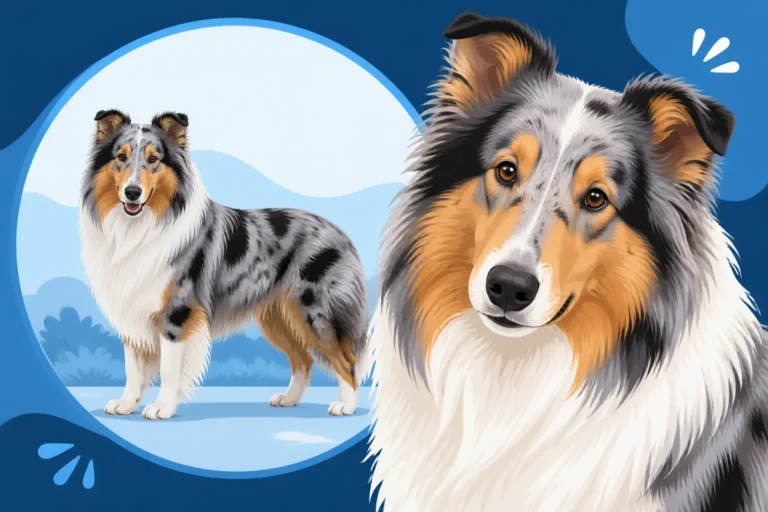
This is perhaps one of the most common confusions, especially for those new to the breed. A tricolor Collie is fundamentally different from a blue merle, and the distinction lies in the color of the main body coat. While both can have white and tan markings, a tricolor Collie has a solid black body, whereas a blue merle Collie has a marbled, diluted grey body with black patches.
The blue merle pattern is created by a dominant merle gene, which dilutes random patches of black pigment to a silvery-blue or grey, giving it that characteristic mottled or marbled appearance. A tricolor, as we've established, has a deep, unwavering black background. You won't see any of that grey dilution on a true tricolor. If you see a Collie with a black body, white markings, and tan points, it's a tricolor. If you see a Collie with a greyish-blue body, often with black patches, white markings, and tan points, that's a blue merle. The difference is stark once you know what to look for, but it's an easy mistake to make when you're just learning about the breed's varied coat patterns. What a Blue Merle Collie Looks Like goes into much more detail on this distinct pattern. Understanding this distinction is key to appreciating the specific beauty of each.
Tricolor vs. Sable-Headed White: Avoiding Confusion
Another point of confusion can arise when comparing tricolors to "sable-headed white" Collies or even heavily marked white Collies. While a tricolor has its main body covered in black, a sable-headed white Collie has an almost entirely white body, with color primarily restricted to its head (which is sable, meaning shades of gold, brown, and cream).
A white Collie, by breed standard, is predominantly white, with colored markings (which can be sable, tricolor, or blue merle) usually only on its head, with some body spots allowed. The difference is the amount of white. A tricolor has significant white markings, yes, but its dominant feature is the black body. A white Collie's dominant feature is the white itself. You'll never see a white Collie with a predominantly black body, which is the defining characteristic of a tricolor. This distinction is vital for understanding the breed's various color categories and appreciating the unique genetics that produce each stunning coat. Responsible breeders are keenly aware of these differences and strive to produce healthy, conformationally sound dogs of all recognized colors.
Grooming and Maintaining the Tricolor Coat
Caring for a Collie's coat is a commitment no matter the color, but the tricolor pattern, with its distinct black and white areas, can present its own unique set of considerations. You want those beautiful contrasts to stay sharp and vibrant, which means a little extra attention in your regular grooming routine. It's not just about looking good; proper grooming keeps their skin healthy too.
Highlighting the Black: Keeping it Vibrant
The deep black of a tricolor Collie's coat is undeniably striking, but like all dark pigments, it can sometimes be prone to looking dull or even developing a reddish cast if not cared for properly. Sun exposure, especially prolonged periods outdoors, can subtly "bleach" the black hairs over time, leading to a rusty or brownish tint.
To keep that black looking rich and vibrant, regular brushing is paramount. Brushing stimulates blood flow to the skin, encouraging healthy hair growth, and it also helps distribute natural oils, giving the coat a lovely sheen. Using a good quality shampoo designed for black or dark coats can also help maintain pigment intensity, as these often contain ingredients that prevent fading or enhance natural darkness. Avoid harsh shampoos that strip the coat of its natural oils. If your Collie spends a lot of time outside, especially in sunny climates, consider providing shaded areas for them to relax, which can help preserve the depth of their beautiful black coat. A healthy diet also plays a crucial role in coat health, providing the nutrients needed for strong, pigmented hair. Brands like Chewy often carry shampoos formulated for different coat colors, making it easier to find the right one for your tricolor.
Keeping White Areas Pristine: Dealing with Stains
Those crisp white markings on a tricolor Collie are absolutely beautiful, but they can be a magnet for dirt, mud, and everyday grime. Keeping them looking pristine can feel like a constant battle, especially if your Collie enjoys rolling in freshly cut grass or splashing in puddles. Tears stains, drool, and even certain foods can also cause discoloration around the muzzle and eyes.
For regular maintenance, a damp cloth or pet-safe grooming wipes can be used daily to quickly clean any minor smudges on white areas. For more stubborn stains, a gentle whitening shampoo (specifically formulated for dogs) can be invaluable during bath time. Be careful not to overuse these products, as some can be drying if not rinsed thoroughly. For persistent tear stains, consult your vet to rule out any underlying health issues. Sometimes, a simple change in water bowl (stainless steel over plastic) or diet can make a difference. Always ensure thorough drying after bathing, especially in the white ruff area, to prevent skin irritation or matting. A good high-velocity dryer, while an investment, can significantly cut down drying time and ensure your Collie's white areas are fluffy and clean.
General Coat Care for Tricolors
Beyond the specific needs of black and white, general coat care for a tricolor Collie follows the same principles as for any Rough Collie. This means a consistent brushing routine to prevent mats and tangles, especially in the longer feathering and behind the ears, which are common trouble spots. Collies have a dense double coat, so brushing down to the undercoat is essential to remove loose hair and prevent matting.
During shedding season, which typically happens twice a year, the amount of loose hair will increase dramatically. This is when your brushing efforts will really pay off, helping to remove the dead undercoat and keep your home from being completely buried in fur. Remember, Collies should never be shaved, as their double coat provides natural insulation against both heat and cold. Shaving can damage the coat, making it grow back incorrectly and compromising its protective qualities. Regular nail trims, ear cleaning, and dental care are also crucial for overall health and grooming. A well-groomed tricolor Collie is not only a sight to behold but also a healthier, more comfortable companion. Consistency is key, and it truly makes a difference in maintaining their magnificent appearance. How Often a Rough Collie Should Be Brushed offers more in-depth advice on this topic.
Why the Tricolor Pattern is So Beloved
The tricolor Collie, with its striking combination of black, white, and tan, holds a special place in the hearts of many dog lovers and breed enthusiasts. There’s something inherently classic and captivating about this particular pattern that makes it stand out, even amongst other beautiful Collie colors.
The Classic, Striking Collie Look
While Lassie famously sported a sable and white coat, the tricolor Collie embodies a different, yet equally classic and striking aesthetic that many people envision when they think of the breed. The bold contrast of the deep black body against the crisp white markings and warm tan points creates an elegant and eye-catching appearance that is undeniably "Collie." It’s a look that conveys both dignity and grace, perfectly complementing the breed's gentle and intelligent nature.
Imagine a majestic Collie trotting across a field, its black coat shimmering, its white collar gleaming, and its tan eyebrows accentuating its thoughtful gaze. This striking presentation is what captivates so many, making the tricolor a favorite for those who appreciate a dog with a powerful visual presence. It's a coat pattern that commands attention without being flashy, a true testament to its inherent beauty. The clarity of the colors allows the Collie's aristocratic head and flowing mane to truly shine, making for a breathtaking picture. This classic look is a big reason why the tricolor remains a popular choice.
Show Ring Appeal and Historical Significance
The tricolor pattern has long been highly regarded in the show ring, and for good reason. Judges often look for clear, well-defined markings and a harmonious distribution of the three colors. A tricolor Collie with excellent pigmentation, distinct white markings, and rich tan points presents a picture of ideal breed conformation, where the coat enhances the dog's structure rather than detracting from it.
Historically, the tricolor pattern has been present in the Collie breed for centuries, long before the show ring made specific patterns fashionable. It represents a fundamental aspect of the breed's genetic diversity and traditional appearance. While sables gained immense popularity partly due to the Lassie films A Dog Named Pal Played Lassie and Changed the Breed Forever, tricolors have always maintained a strong following among serious breeders and fanciers who appreciate their timeless beauty and the challenge of breeding for clear, correct markings. Their historical prevalence and enduring appeal speak volumes about the tricolor's intrinsic value within the Collie lineage.
Health Considerations Specific to Tricolors
When we talk about specific colors in dog breeds, it's natural to wonder if any particular pattern comes with unique health considerations. For tricolor Collies, this is a topic that often leads to relief, as their coloration generally doesn't introduce new health risks compared to other coat types.
No Unique Health Issues Directly from Color
This is the good news: the tricolor coat pattern itself, meaning the combination of black, white, and tan, does not inherently cause any specific health problems unique to tricolor Collies. Unlike some merle patterns (especially double merles) which can be associated with increased risks of deafness or vision impairment due to the extreme lack of pigment, a standard tricolor Collie is not predisposed to different health conditions merely because of its black, white, and tan coat.
The genes responsible for the tricolor pattern are generally stable and do not carry known links to specific diseases or vulnerabilities. This means that a tricolor Collie is, from a genetic health standpoint regarding color, just as robust as a sable, blue merle, or white Collie. Their health profile will be largely consistent with that of the breed as a whole, focusing on general Collie health concerns rather than color-specific ones. This should be reassuring to prospective owners who might be worried about choosing a color that could come with hidden health issues.
General Collie Health Considerations Remain Paramount
While the tricolor pattern itself is not a health risk, it's crucial for any Collie owner, regardless of their dog's color, to be aware of the general health concerns prevalent in the breed. Collies are generally a healthy breed, but like all purebreds, they can be predisposed to certain genetic conditions.
These include conditions such as Collie Eye Anomaly (CEA), Multi-Drug Resistance 1 (MDR1) mutation, hip and elbow dysplasia, bloat, and sometimes epilepsy. Responsible breeders conduct genetic testing and health screenings to minimize the risk of passing these conditions on to their puppies. For instance, testing for the [MDR1 Mutation] is vital for all Collies, as this gene affects how they metabolize certain common drugs, and it has absolutely no connection to coat color. Similarly, eye exams for Collie Eye Anomaly Affects Most Collies, So Ask How Badly are crucial.
When choosing a Collie puppy, focus on finding a reputable breeder who performs all recommended health checks on their breeding stock, provides clear health guarantees, and is transparent about the health history of their lines. Don't let the beauty of a tricolor coat distract you from asking the important health questions. A healthy Collie, whether tricolor, sable, or blue merle, is always the most beautiful companion. Your veterinarian should also be made aware of the breed-specific concerns, especially if your Collie has the MDR1 mutation, as this influences drug choices for all medical procedures. Remember, a Collie's overall health is far more important than any specific coat color.
The Tricolor Collie in Daily Life
Bringing a tricolor Collie into your home means welcoming a dog with a stunning appearance and a wonderful temperament. Their coat, while beautiful, is certainly a talking point, but it's their personality and needs that truly shape daily life.
Living with the Tricolor Coat
Beyond the regular grooming schedule, living with a tricolor Collie's coat means being prepared for its distinctive shedding patterns. Twice a year, typically in spring and fall, Collies "blow" their undercoat. This intense shedding period means your beautiful tricolor might leave behind quite a bit of black, white, and tan fuzz around the house! Investing in a good vacuum cleaner and consistent brushing during these times is absolutely essential.
The rich colors of the tricolor coat also mean you might notice dirt and debris more readily against the white areas, prompting more frequent spot cleaning. If you enjoy activities like hiking or playing in muddy parks, be prepared for your Collie's pristine white paws and chest to get a little (or a lot!) dirty. But honestly, watching them revel in a bit of outdoor adventure, even if it means a quick wipe-down afterward, is part of the joy of owning such an active and beautiful dog. Think of it as a small price to pay for the stunning visual presence your tricolor companion brings to every outing. And let's be honest, a good bath with dog-specific shampoo from Chewy usually sorts them out perfectly.
Temperament and Compatibility
The temperament of a tricolor Collie is, thankfully, not influenced by its coat color. They possess the same gentle, intelligent, and loyal disposition that makes the breed so beloved. Collies are known for being wonderful family dogs, good with children, and generally amiable with other pets. They are often described as sensitive and intuitive, forming deep bonds with their human companions.
Their intelligence means they are highly trainable and enjoy activities that challenge their minds, whether that's learning new tricks, participating in obedience, or even trying out herding. However, this sensitivity also means they thrive in environments with positive reinforcement and gentle handling. Harsh training methods can easily break their spirit. While they appreciate a good romp in the yard, they are also content to be indoors, close to their family. They need moderate exercise, but just as importantly, they need mental stimulation and companionship. The tricolor Collie is truly a dog that brings both beauty and a loving heart into your home, making every day a little brighter.
Tricolor Collie Color Patterns at a Glance
To summarize the visual distinctions, here's a quick comparison of the three main Collie color patterns, highlighting the key differences:
| Feature | Tricolor Collie | Sable & White Collie | Blue Merle Collie |
|---|---|---|---|
| Primary Body Color | Deep, solid black | Shades of gold, brown, or cream | Mottled grey/blue with black patches |
| White Markings | Extensive and crisp (collar, blaze, legs, tail tip) | Extensive and crisp (collar, blaze, legs, tail tip) | Extensive and crisp (collar, blaze, legs, tail tip) |
| Tan Points | Distinct tan on cheeks, eyebrows, ears, legs | Present but often blended into sable base | Distinct tan on cheeks, eyebrows, ears, legs |
| Overall Impression | Bold, classic, sophisticated contrasts | Warm, friendly, often "Lassie-like" | Unique, marbled, often with striking blue eyes |
| Genetic Basis | Dominant Black + Tan Point gene | Recessive Sable gene | Merle gene acting on Black gene + often Tan Point gene |
This table helps illustrate why each of The Four Colors a Collie Comes In has its own unique charm and visual appeal, and how the tricolor stands out with its bold, unyielding black contrasted by the clear white and warm tan.
Disclaimer
This article is for general informational purposes only and does not constitute professional advice. Laws, prices and regulations vary by location and change over time. Consult a qualified professional for guidance on your specific situation.