Whether the Collie Was a Peasant’s Dog Before Victoria
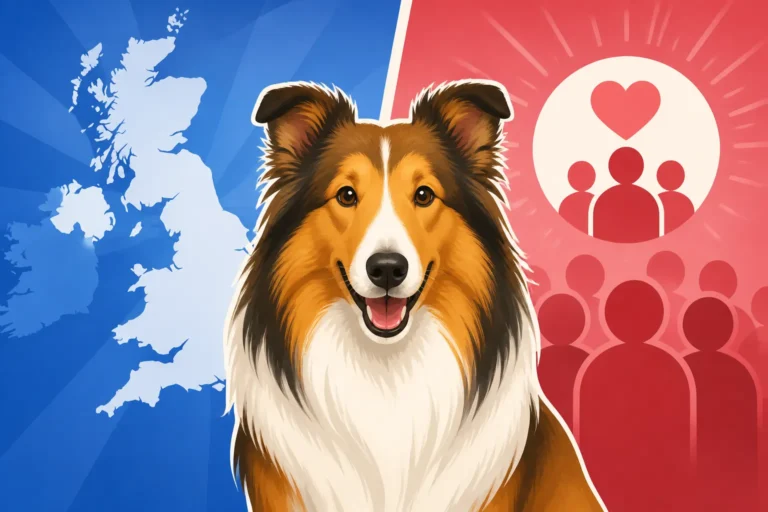
It's easy to look at our elegant, refined Collies today, lounging on plush carpets or posing regally in a show ring, and imagine they’ve always been dogs of leisure, cherished companions, or even cinematic stars like Lassie. The common image of the Collie, especially after Queen Victoria's affection for the breed made them fashionable, suggests a dog far removed from humble beginnings. But if you’ve ever wondered about the Collie's true roots, you might be surprised to learn that before they graced royal estates and Hollywood sets, these intelligent, loyal dogs were very much the working companions of ordinary people. This guide will explore the fascinating history of the Collie, tracing their journey from the rugged Scottish Highlands to the esteemed position they hold in our hearts and homes today.
The Collie's Scottish Roots: A Dog of Practical Purpose
Before the 19th century swept them into the parlors of the elite, Collies were integral, hardworking members of the Scottish landscape. They weren't just pets; they were essential tools for survival for shepherds and farmers navigating the challenging terrain and unpredictable weather of the Highlands. These were not dogs bred for beauty contests or a particular "look" in the modern sense. Their value was strictly utilitarian, based on their ability to perform demanding tasks with intelligence and endurance.
Life as a Droving and Herding Dog
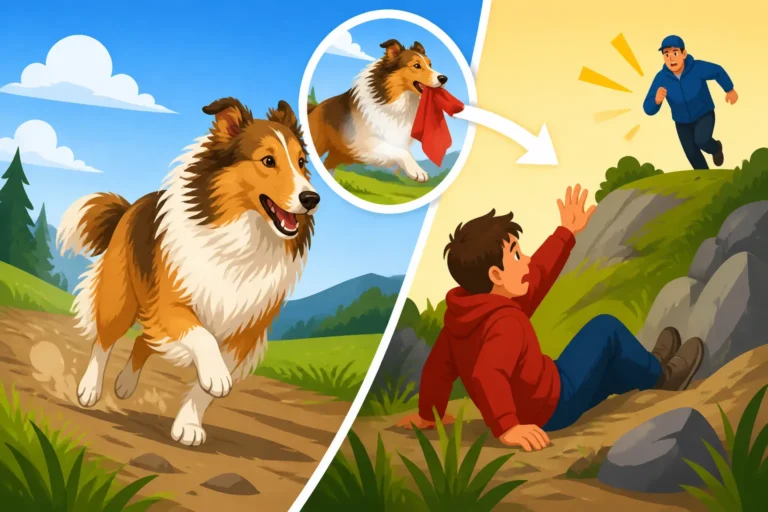
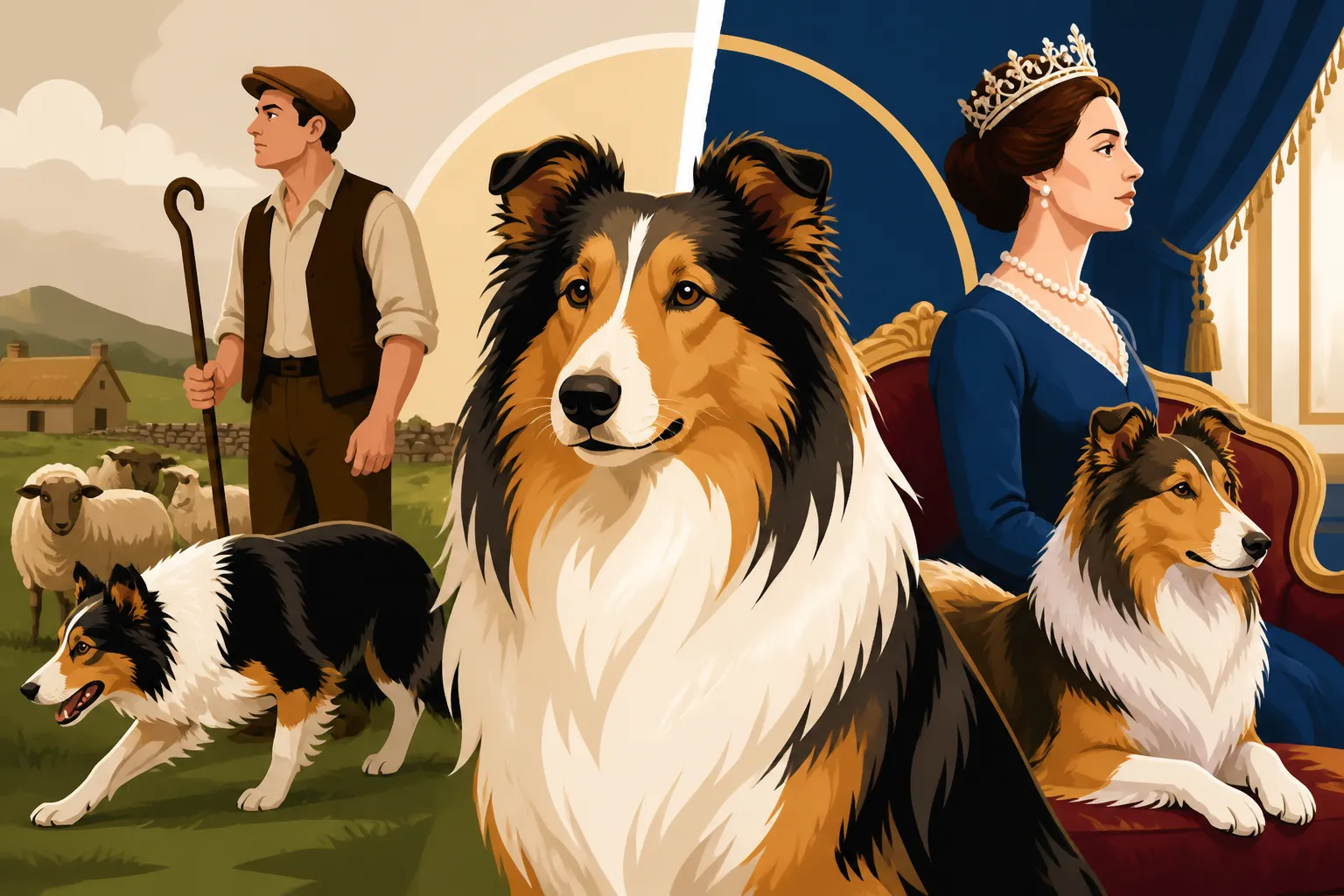
Imagine the Scottish hillsides, vast and often unforgiving. Shepherds relied entirely on their dogs to manage flocks of sheep, sometimes over great distances, moving them between pastures or to market. This was the Collie's primary job, and they excelled at it. They were known for their keen eyesight, incredible stamina, and an innate understanding of how to move livestock efficiently. These dogs faced long days, harsh conditions, and often meager rations, earning their keep through sheer hard work. They were tough, resilient, and utterly dedicated to their flock and their master. It wasn't about a silky coat or a perfectly chiseled head; it was about the ability to gather a straggler from a bog or stand firm against a stubborn ram. The dogs that performed best were the ones that continued the line, ensuring that their valuable traits were passed on. This selective breeding for working ability forged the very foundation of the Collie we know today.
The Unsung Heroes of the Farm
Beyond herding, these early Collies were versatile farm dogs, lending a paw wherever needed. They would guard the homestead against predators, alert their families to strangers, and even help with general farm chores. Picture a farmer's wife relying on her Collie to keep the chickens from straying too far or to help bring in the dairy cows at dusk. They were members of the household not out of sentimentality, but because they contributed directly to the family's livelihood. Their existence was intrinsically linked to the land and the needs of those who worked it. There was no pampered existence; instead, there was a bond of mutual respect born from shared labor and dependence. This life was far from the polished image we often associate with the breed now, and it speaks volumes about their inherent intelligence and biddability.
The Pre-Victorian Collie: A Functional, Not Fashionable, Friend
Before Queen Victoria's interest propelled them into the public eye, Collies were not widely known outside of Scotland. They were regional dogs, shaped by generations of practical breeding, not aesthetic ideals. Their appearance varied more than it does today, reflecting the diverse needs of the different regions where they worked.
Appearance and Temperament of the Early Working Collie
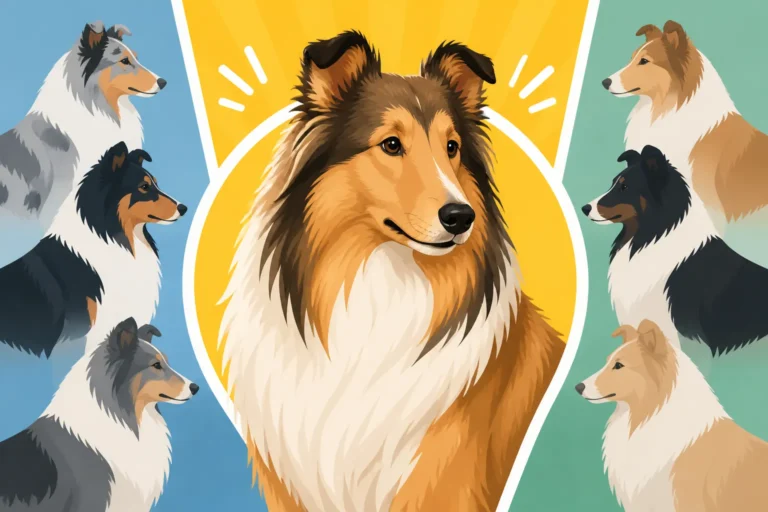
The working Collies of centuries past were likely a more diverse group in appearance than their modern counterparts. While they shared the characteristic intelligence and loyalty, their coats might have been shorter or rougher, their colors more varied, and their builds perhaps sturdier, designed for endurance rather than elegance. These dogs were valued for their resilience and their ability to withstand the elements, not for the length of their frill or the perfection of their stop. Their temperament was one of quiet competence, keen observation, and unwavering devotion. They were highly intelligent, able to think independently when out with the flock but also deeply attuned to their owner's subtle cues. A good working Collie was a partner, not merely a subordinate, and that level of nuanced communication demanded a smart, sensitive dog. This inherent sensibility is still a hallmark of the breed, as explored in articles like A Collie Reads a Room Better Than It Reads a Command.
The Shepherds' Trusty Companion
For the shepherds of Scotland, their Collie wasn't just an animal; it was their most trusted ally. Out on the lonely hills, the dog provided company, protection, and a second pair of eyes and ears. The life of a shepherd was tough, and the companionship of a loyal, intelligent dog made it bearable. This deep bond formed the core of the Collie's identity long before anyone thought of them as a "royal" dog. The relationship was built on trust, respect, and mutual understanding – a relationship that often meant the difference between a successful season and ruin. They shared the meager shelter, the simple meals, and the demanding work. This partnership cultivated the profound loyalty and affectionate nature that still characterize the breed today. Many of us know the incredible connection we share with our Collies, and it's comforting to know that this isn't a modern development but a deep-seated trait from their utilitarian past.
| Aspect | Pre-Victorian Working Collie | Post-Victorian Show Collie |
|---|---|---|
| Primary Role | Herding, droving, farm guardian | Companion, show dog, family pet |
| Value Basis | Utilitarian, working ability, stamina | Aesthetic appeal, temperament, lineage |
| Appearance Focus | Function, weather resistance | Elegance, specific breed standard |
| Living Conditions | Rugged, outdoors, simple farm life | Comfortable indoors, often luxury |
| Breeding Selection | Working traits, intelligence | Conformation, beauty, pedigree |
| Social Status | Common farm dog, indispensable tool | Prized possession, symbol of status |
Queen Victoria and the Transformation of the Collie
The mid-19th century marked a pivotal moment for the Collie. As British society began to change, with increasing urbanization and a growing middle class, dogs started to transition from purely working animals to companions and symbols of status. It was Queen Victoria's keen interest in the breed that truly catapulted the Collie from the obscurity of the Scottish hills into the limelight.
The Royal Endorsement and Its Effects
Queen Victoria was known for her love of dogs, and upon visiting Balmoral Castle in the Scottish Highlands, she reportedly encountered the local Collies and was captivated by their intelligence and beauty. Her endorsement was monumental, essentially rebranding the Collie overnight. Suddenly, these hardy working dogs were sought after by the aristocracy and aspiring gentry. This shift in demand led to a change in breeding priorities. No longer was sheer working ability the sole criterion; now, breeders began to focus on developing a more refined, elegant appearance that would appeal to the new urban and upper-class market. This era truly saw Queen Victoria Made the Collie Fashionable in the 1860s, forever altering the breed's trajectory. This increased popularity also led to a significant increase in the sheer number of Collies being bred, sometimes by individuals less concerned with health or temperament than with meeting market demand, which can lead to challenges for any breed.
The Rise of the Show Ring
With royal approval and newfound popularity, the Collie quickly found its way into the burgeoning world of dog shows. This was a completely new environment for a dog whose ancestors had spent generations on the windswept moors. The show ring brought with it specific breed standards, which encouraged breeders to select for physical characteristics that were deemed beautiful or stylish at the time, such as the long, narrow head and profuse coat that became so iconic. This era was crucial in shaping the Collie's modern appearance. While some argue that this emphasis on aesthetics led to a divergence from their working roots—and indeed, many contemporary Collies would struggle with the demands of old-style herding—it also helped standardize the breed and solidify its place as a beloved companion. The debate over Whether Working Collies and Show Collies Diverged still holds fascinating insights into the breed's evolution.
The Enduring Legacy of the Collie: From Peasant's Dog to Beloved Family Member
While the Collie's history certainly shows a clear evolution from a "peasant's dog" to a celebrated breed, it’s important to remember that the inherent qualities that made them indispensable to Scottish farmers are still very much alive in our Collies today. Their intelligence, loyalty, and gentle nature are not accidental; they are deeply ingrained traits honed over centuries of purposeful work and close companionship with humans.
The Collie's Adaptability and Intelligence
The very intelligence that allowed a Collie to manage a flock independently on a vast hillside is the same intelligence that makes them such trainable and responsive family members today. They are quick learners, often excelling in various dog sports like obedience, rally, and even agility, as discussed in Herding, Rally and the Sports a Collie Was Made For. This mental acuity, coupled with their desire to please, makes them incredibly adaptable. Whether they are living on a sprawling farm or in a suburban home, they thrive on mental engagement and human interaction. Providing them with puzzle toys or interactive feeders from a trusted retailer like Chewy can keep their clever minds stimulated. Their ability to "read a room," understanding the nuances of human emotion and household dynamics, is a direct legacy of their need to be highly observant in their working roles.
A Gentle Soul with a Strong Heritage
Despite their transformation, Collies have largely retained their gentle and protective instincts. They are known for being excellent with children, often displaying a watchful and nurturing demeanor. This isn't just a charming trait; it's a testament to their history as guardians of the flock and trusted family members. The protective instinct, combined with their inherent kindness, makes them wonderful companions who are always aware of their family's well-being. When we see our Collies gracefully navigating our homes, it's a beautiful reflection of the spirit of those tough, loyal dogs who once roamed the Scottish Highlands. Their journey from the humble croft to the modern home is a story of resilience, adaptability, and an enduring bond between humans and dogs. Many Collie owners still stock up on healthy treats and durable toys from places like Chewy to keep their intelligent companions happy and engaged, honoring their past with modern care.
Disclaimer
This article is for general informational purposes only and does not constitute professional advice. Laws, prices and regulations vary by location and change over time. Consult a qualified professional for guidance on your specific situation.