Whether Sable Is the Most Common Collie Color
Sable and white is one of the Collie colors people most often recognize, but whether it is truly the most common depends on what you mean by “common.” There is no dependable public count of every Collie coat color, so popularity and actual numbers are not quite the same thing. This guide explains what sable looks like, how it compares with other colors, and why a puppy’s coat may change as it grows.
Is sable the most common Collie color
Why sable and white is so familiar
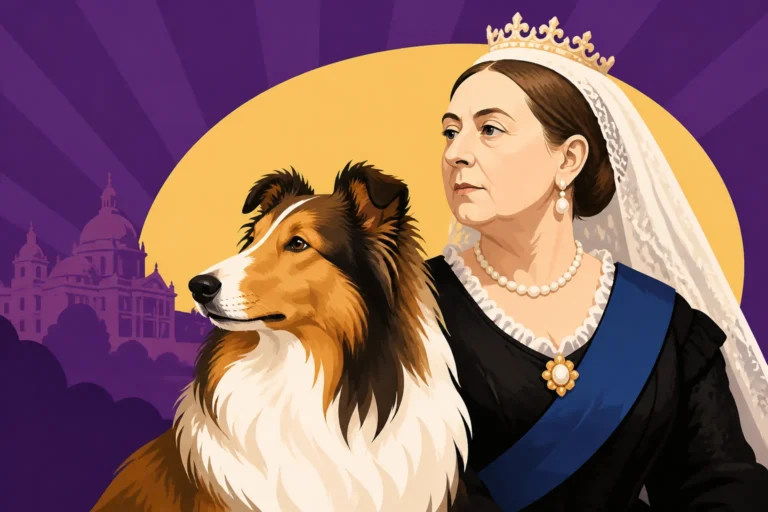
Sable and white is often the color people picture when they think of a Rough Collie: a warm gold, tan, or deeper brown coat, usually paired with a white collar, chest, feet, and tail tip. That classic combination is widely recognizable, and many people have encountered it in photographs, films, and everyday life. It is reasonable to call sable and white one of the most familiar Collie colors.
That familiarity does not prove sable is numerically the most common color. There is no comprehensive, routinely published census that counts all Collies by coat color across breeders, rescues, and pet homes. Breed registrations may record color categories, but those records do not necessarily represent every Collie or provide a complete picture of what families see in their communities.
It also matters whether someone is asking about the breed overall, a particular country, a specific breeder’s puppies, or dogs seen at shows. A local breeder might produce mostly tricolors for several years, while a nearby rescue may happen to have more sable-and-white dogs. Neither small sample tells you which color is most common everywhere.
For a broader overview of accepted coat colors, see The Four Colors a Collie Comes In. The useful takeaway is that sable is common and highly recognizable, but a confident claim that it is definitively the most numerous needs stronger evidence than general impressions.
What people mean when they say sable
“Sable” describes a range of coat colors, not one exact shade. A sable Collie can appear pale gold, tawny, rich copper, or deep mahogany. Many have darker hair mixed through the coat, especially around the face and along the back. This darker shading is often called a sable overlay or black tipping, and its amount can make two dogs with the same basic color look quite different.
People also commonly say “sable” when they mean “sable and white.” White markings are typical in Collies, and the combination is so familiar that the terms can get blurred in everyday conversation. When comparing descriptions, check whether someone is referring to the base coat color or the full pattern of color and white markings.
A puppy may not look like a polished adult dog in miniature. The coat can be softer, darker, or more heavily shaded early on, then change as the adult coat comes in. If you are trying to identify a young dog’s likely color, What a Sable and White Collie Looks Like offers a useful point of comparison, but an individual puppy’s appearance can still develop over time.
Common does not mean better
Color is a visual preference, not a measure of a Collie’s personality, intelligence, or suitability as a companion. A sable-and-white dog is not inherently more affectionate, trainable, healthy, or “Lassie-like” than a blue merle, tricolor, or white Collie. Temperament depends on the individual dog and many factors beyond coat color.
This is worth keeping in mind when choosing a puppy. It is easy to become attached to a particular shade in photos and then overlook the questions that matter more: how the puppy has been raised, what health information the breeder can provide, and whether the dog’s energy and temperament fit your household.
If a breeder describes a color as rare, ask what they mean by that. They may be talking about the color in their own lines or area rather than the breed as a whole. A rare-looking coat is not automatically healthier, more valuable as a pet, or a better match for your family.
How sable compares with other Collie colors
Sable and white versus tricolor
A tricolor Collie typically has a mostly black coat with tan markings and white areas. The contrast can be striking, especially around the face and legs. Sable and white, by comparison, tends to read as warmer and lighter, though deep mahogany sables can be quite dark.
There is variation within both patterns. One sable may look almost golden, while another has extensive dark shading. Tricolors can also differ in the placement and amount of tan and white. That variety is one reason a single photo may not give you a complete idea of what a color looks like in person.
When comparing a puppy with an adult dog, remember that coat texture, lighting, and grooming can change the appearance of the colors. A freshly brushed coat photographed in bright daylight may look very different from a damp or dusty coat indoors. For a closer look at the pattern, read What a Tricolor Collie Looks Like.
Sable and white versus blue merle
Blue merle Collies have a mottled pattern of gray, black, and often white, sometimes with tan markings as well. Their coat may look quite different from one dog to another: some have a lighter overall appearance, while others have darker patches or more pronounced black areas. Merle is a pattern, rather than simply another shade of sable.
Blue eyes can occur in merle Collies, but eye color is not a reliable way to decide whether a dog is a certain color. A Collie can have brown eyes, blue eyes, or eyes with differing amounts of blue, depending on the individual and its pattern. If you are wondering what is expected, Whether a Collie's Blue Eyes Are Standard explores that question in more detail.
Color-related terminology can get muddled in puppy listings. Ask the breeder to describe the puppy’s color and markings plainly, and request current photos if you are trying to understand the pattern. To see how the mottling differs from sable shading, compare the explanation in What a Blue Merle Collie Looks Like.
Where white Collies fit in
White Collies are not simply sable-and-white dogs with extra white markings. Their appearance and the placement of colored markings can differ, and the term “white Collie” can refer to particular color patterns rather than a completely pigment-free dog. The label is sometimes used loosely, so it helps to ask what the seller or breeder means by it.
White markings are familiar on many Collies, including the white collar, chest, legs, and tail tip commonly seen on sable-and-white dogs. Those markings do not, by themselves, make a Collie a white Collie. For a clearer explanation of the distinction, see What a White Collie Is.
| Color description | Typical appearance | What to keep in mind |
|---|---|---|
| Sable and white | Gold, tan, or mahogany coat with white markings; dark tipping may be present | Sable covers a broad range of shades |
| Tricolor | Mainly black, with tan points and white markings | The amount and placement of tan and white vary |
| Blue merle | Mottled gray, black, and white, sometimes with tan | Merle is a coat pattern, not just a gray shade |
| White | Mostly white coat with colored markings, depending on the pattern | The term can be used loosely, so ask for a precise description |
These descriptions are broad rather than a way to identify every dog from a quick glance. The coat’s shade, pattern, and markings can vary, and a breeder’s color terminology may not match what a casual observer expects.
Why sable Collies can look different as they grow
Puppy coats are not always a preview of the adult coat
Many people expect a puppy to keep exactly the same shade throughout life. With Collies, that can lead to surprises. A young sable puppy may darken, lighten, or develop a different balance of darker-tipped and lighter hairs as its coat matures. The change can be subtle or noticeable, depending on the dog.
Coat changes happen gradually, so a single puppy photo may not show the adult appearance. The color seen at a few weeks old can be affected by the puppy coat, lighting, and how the fur lies. Even experienced owners may find that a dog’s adult coat is not an exact match for what they expected from the earliest pictures.
If you are choosing a puppy, ask to see photos of the parents and, if possible, older relatives from the same lines. These can give you a rough sense of the range of adult coats, but they cannot guarantee a precise final shade. For more on this, see Whether a Collie Puppy's Color Changes.
Can a sable Collie darken with age
Some sable Collies appear darker as they mature, while others retain a lighter or more even tone. Changes may come from the developing adult coat, the amount of dark tipping, and the way the coat is groomed or photographed. It is better to think of sable as a color range than to expect every puppy to follow one predictable path.
A dog may also look darker during one season simply because its coat is fuller, or appear lighter after shedding and regrowth. Dirt, wet fur, indoor lighting, and camera settings can all distort the shade. If you are comparing pictures over time, look for photographs taken in similar light and from similar angles.
These shifts are generally about appearance, not a sign that something is wrong. If a coat change comes with itching, bald patches, sores, or other changes in the skin or the dog’s health, that is different from ordinary color variation and should be discussed with a veterinarian. For ordinary color development, Whether a Sable Collie Darkens With Age focuses on what owners may notice.
Choosing and caring for a Collie by coat color
Let the dog’s needs lead the decision
It is perfectly fine to have a color preference. You might love the warm look of sable and white or prefer the contrast of a tricolor. The important thing is not to let color outrank the dog’s health, temperament, and fit with your daily life. A well-matched dog is a better choice than a particular shade that happens to be available first.
When speaking with a breeder, ask about the puppy’s temperament, health testing, early socialization, and the support they provide after the dog goes home. A responsible conversation should be about the individual puppy and its background, not just its coat. If you are considering a rescue, ask what is known about the dog’s behavior and medical history, while recognizing that records may be incomplete.
Color also does not tell you how much grooming a Collie will need. Rough Collies have long outer coats and dense undercoats, and every individual coat needs regular attention. A sable-and-white dog can mat just as readily as a tricolor or merle if areas behind the ears, under the legs, and around the frill are neglected.
Grooming is about the coat, not its color
Regular brushing helps keep the coat comfortable and gives you a chance to notice tangles, burrs, or skin irritation. Pay particular attention to areas where friction and loose undercoat can form mats. A routine that works for one dog may need adjusting for another, depending on coat density, activity, and shedding.
If you are assembling basic grooming supplies, retailers such as Chewy can be one place to browse brushes, combs, and coat-care products. Choose tools based on the dog’s coat and your handling comfort rather than the color shown in product photos. For a puppy, introduce brushing gently and briefly so that grooming becomes an ordinary, low-pressure part of life.
You may also want to keep simple supplies where you groom the dog, rather than discovering halfway through a brushing session that the comb is in another room. Chewy is another option for checking the range of general grooming tools available, but a product does not need to be marketed specifically for sable coats. The coat’s length, density, and condition matter much more than its shade.
When comparing grooming items, look for tools that let you work through the coat without scraping the skin or pulling hard on tangles. If you are unsure how to handle a persistent mat, ask a professional groomer for a demonstration rather than cutting close to the skin yourself. Chewy may be useful for browsing everyday care supplies, while hands-on advice from a groomer can help you learn which tools suit your own Collie.
Questions to ask when a puppy’s color matters to you
If you are drawn to sable, it is reasonable to ask a breeder whether a litter includes sable puppies and how they describe each puppy’s markings. Ask for clear photos in natural light, and ask whether the puppy’s color is expected to change as the coat matures. A thoughtful breeder should be able to explain what they know without promising an exact adult shade.
It can also help to ask whether the breeder’s use of “sable” means sable and white, and whether they see the puppy as light, dark, or heavily shaded. These are descriptive judgments, not guarantees. If a color label sounds different from what you see in a photo, ask for clarification rather than assuming someone is being misleading.
Most importantly, use color as one preference among many. A sable Collie may be the look you love, but the right Collie is the one whose health background, temperament, and needs suit your home. The color is the part you notice first; the relationship is what you live with every day.
Disclaimer
This article is for general informational purposes only and does not constitute professional advice. Laws, prices and regulations vary by location and change over time. Consult a qualified professional for guidance on your specific situation.